May 12, 2026
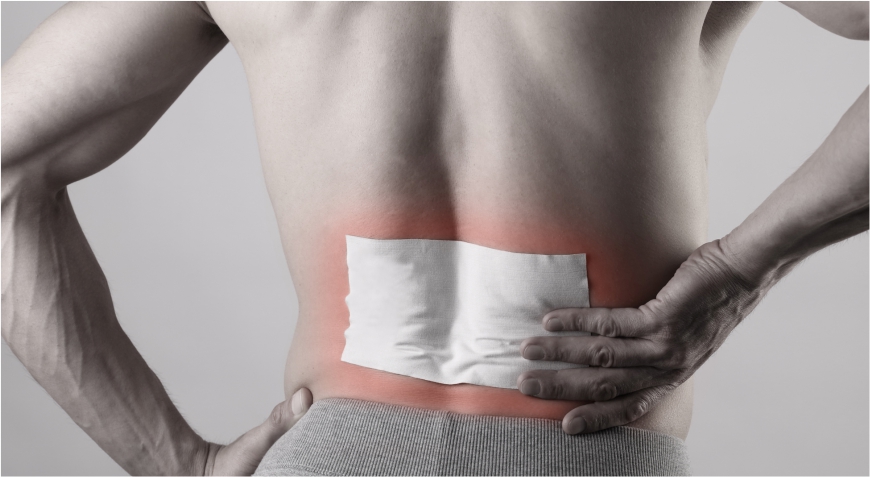
Pain-relieving patches, or heat patches for muscle stiffness, provide targeted relief over several hours.

By Stephanie Simons,
Head Pharmacist,
Lindo’s Pharmacy in Devonshire
The Bermuda Half Marathon Derby is for many of us the official start of summer. Cheering on friends and family is a great way to kick off the long holiday weekend. But maybe this year you are one of those brave souls actually running.
Not many of us can hope to match the standards of local legend Sir Stanley Burgess – who competed for 60 years, running his last race when he was 82. For most of us, just surviving 13 miles will be an accomplishment – with the added benefit of raising some money for a favourite charity.
If you are an entrant, your preparation will no doubt be in the final lap. But what about once you’ve crossed the finish line? Now is the time to visit Pharmacy Corner and stock up on a few items which, when the euphoria wears off and the exhaustion sets in, will speed you on the road to recovery.
REHYDRATE
Once you have staggered over the finish line, the first thing you need to do is rehydrate. Depending on the conditions, you can expect to lose up to two litres of water during the course of a half marathon. There are refreshment stations, to be sure, but afterwards the trick is to sip fluids – slowly! – to replace water and minerals. We have a great range of electrolyte drinks in tablet or powdered form, and a great range of flavours, from brand leaders like Nuun Sport, Pedialyte Sport and Voost, to help athletes of all levels replenish essential minerals lost during the course of a long run.
REFUEL
Fun fact: during a half marathon, you will burn enough energy to charge your iPhone for six months, according to Runner’s World magazine. Which, given energy costs at the moment, would be a neat trick. While scientists figure out how to do this, though, you will need to refuel your own batteries. Bananas, chocolate milk – or protein shakes (all available in our main shop) are good options for replenishing your energy levels quickly, and easy to pack in a post-race care bag.
CUT TO THE CHAFE
Thighs, groin, underarms – and nipples – are particularly prone to chafing in a half marathon. Most sports experts recommend that runners protect vulnerable areas with Vaseline (or if you object to petroleum-based products, a balm made with beeswax).
Once it’s all over bar the wincing, shower as soon as possible. Clean any raw areas gently with antibacterial soap (check out our selection!) and pat – do not rub – dry. Then apply a soothing barrier cream like Sudocrem (not just for babies, though it is available in our baby section).
OH, THE PAIN
Did you know that after a long race you may actually get shorter (temporarily!) because of tightened back muscles and fluid loss between the discs in your spine? Don’t panic! You’ll be standing tall again once you replenish your fluid levels. But what of the pain?
First off, take a beat. Experts recommend waiting two hours before you pop ANY painkillers – because you need time to rehydrate.
After that, avoid anti-inflammatories – NSAIDs like ibuprofen (Advil) or naproxen (Aleve). It may sound counter intuitive, but these types of painkillers can put a strain on your kidneys and actually increase the risk of dehydration. Acetaminophen also known as Paracetamol (Tylenol) is a much safer bet.
If you have a specific muscle strain, you can use a topical NSAID, like Voltarol, which will be less likely to affect your kidneys. But you could also opt for liniment (Bengay and Icy Hot offer a number of choices), most of which are free from NSAIDs. Topical magnesium creams (Theraworx) are also great for relaxing the muscles and easing cramping.
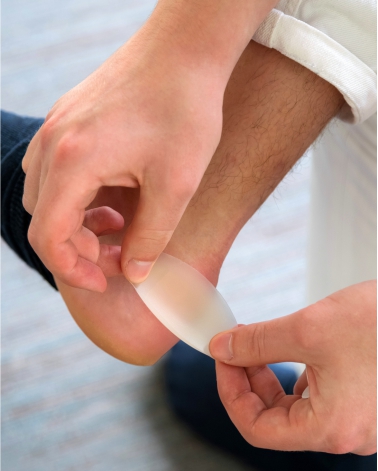
Hydrocolloid blister patches absorb excess moisture and form a protective cushion, providing instant pain relief and optimum healing conditions to protect blisters on the feet.
BRUISED TOENAILS
Not so fun fact: most half-marathon newbies are going to get at least one black toenail. This is the result of shoes that are too small, too big, too new – or even socks that are too tight – leading to a blood blister or bruise under the nail. There’s not much you can do about it. Just keep the affected nail(s) scrupulously clean and dry. And protect them, when wearing street shoes, with a sterile dressing.
BLISTERS
It’s worth checking out our footcare section, before the big day, to have a look for blister prevention plasters. But if it’s too late, and you’ve already got ‘em, an epsom salt foot (or full body) bath can’t hurt, and may soothe the pain and promote healing. You can even indulge using Lavender or Eucalyptus scented Dr. Teal’s Epsom Salts.
If your blister has burst it should be covered with a tight, clean bandage (after you’ve washed the area with soap and water) to prevent infection. A hydrocolloid patch, like the ones made by Compeed, is a good option.
Smaller blisters that have not burst can be protected with moleskin padding (Dr Scholl’s make this). Cut a patch bigger than the blister; then trim a hole in the middle with nail scissors, so the blister is open to the air, allowing it to dry out safely. Finally, cover with gauze.
Then, settle down and enjoy that sense of accomplishment! You have earned it!
Stephanie Simons is the head pharmacist at Lindo’s Pharmacy in Devonshire. She earned her Bachelor of Science in Pharmacy at Massachusetts College of Pharmacy and has been practicing for over 20 years. She is a registered pharmacist with the Bermuda Pharmacy Council and is a member of the Bermuda Pharmaceutical Association.
Apr 26, 2026

Nature is a great stress reliever. A walk along the beach, or around the Botanical Gardens (without checking your device every two seconds) can work wonders to restore your ‘joy’.
By Stephanie Simons,
Head Pharmacist,
Lindo’s Pharmacy in Devonshire
Welcome to Stress Awareness month. For most of us, stress – and being aware of it – is not something confined to April.
But what exactly IS stress? Can it ever be a good thing? And is there something we can do to combat it? (Spoiler alert: the answer is yes, and some helpful ‘weapons’ in this battle can be found right here in Pharmacy Corner.)
A BRIEF HISTORY
Stress has been around forever. We may think we live in stressful times – and we do. But historically, our ancestors had to deal with some pretty terrifying ‘stressors’, too, including attacks by wild animals.
But in those days, there wasn’t a name for it. ‘Stress’ is a shortening of ‘distress’; and back in the 1300s, it meant adversity. By the 1600s, ‘stress’ was being used by scientists to describe a force that could bend materials out of shape.
It was not till 1936 that an Austrian-born Hungarian scientist called Hans Selye, working out of McGill University in Canada, coined the term for humans.
The ‘Father of Stress’, as Selye became known, noticed in his days as a medical student in Prague that hospital patients shared certain symptoms, regardless of their illness. He had a hunch it was due to duress.
Later, at McGill, he did experiments on rats, subjecting them to more duress. This caused increased levels of hormones adrenaline and cortisol. And ulcers. So, he borrowed the term ‘stress’ from physics, to describe the ‘non-specific response of the body to any demand for change’.
In a bit of karma, perhaps, Selye himself came under pressure, late in his life, after suggesting smoking as a means of stressbusting – without revealing that he’d been funded by Big Tobacco.
IS STRESS A MENTAL ILLNESS?
No. Stress can be a cause of mental illness – leading to anxiety, depression or PTSD – and also a result of mental illness. But mostly it is a natural reaction to an incident. It’s only when it persists that it’s a problem.
 CAN STRESS EVER BE GOOD?
Yes. One type – ‘eustress’ – can be helpful, providing a burst of energy at crucial moments: when writing something on deadline, or giving a speech. Or in sporting competitions. It’s thrilling – like the feeling you get when riding a rollercoaster. And like a rollercoaster, it doesn’t last.
AND THE BAD KINDS?
In this category, we have Acute Stress – a one-off, ‘fight or flight’ response to a specific event (a car accident, a big argument). Our body pumps adrenaline and cortisol into the bloodstream, increasing our heart rate and our energy levels, so we can escape from – or deal with – the problem. If Acute Stress recurs, it becomes Episodic Acute Stress. We see this in folks with high pressure jobs like ER staff, for instance.
And finally, there is Chronic Stress, when our body’s engine is revving away indefinitely. This can put strain on our heart, depress our immune system, and wreak havoc on our digestion.
HOW CAN I TELL IF MY GOOD STRESS HAS GONE BAD?
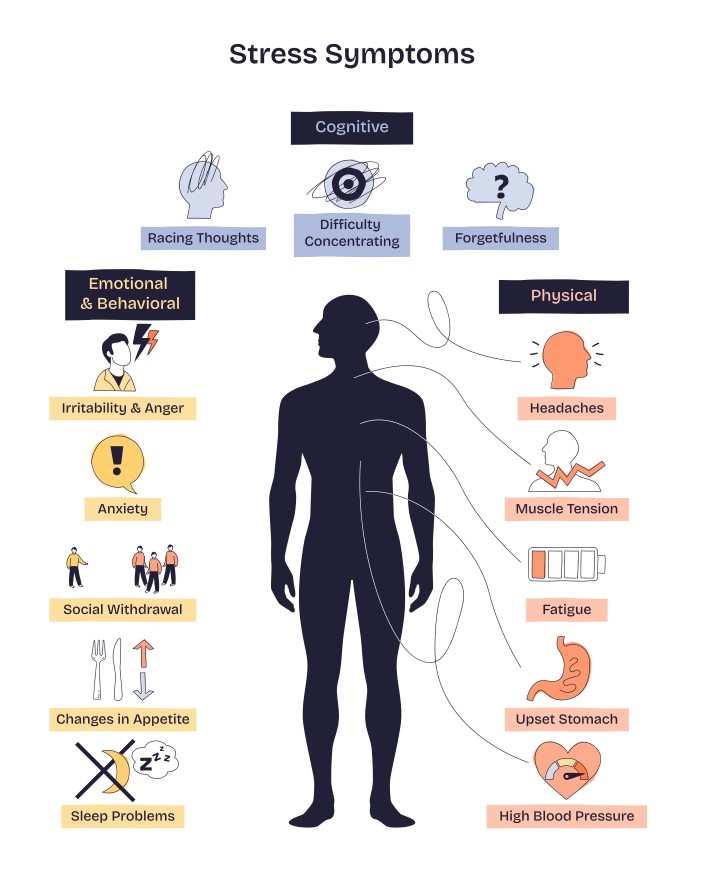
Constant irritability is one sign. A permanent state of dread is another. And, saddest of all, a ‘loss of joy’. Physical symptoms, like insomnia, digestive issues (loss of appetite) and exhaustion are also indicators. If they persist, you should talk to your GP.
WHAT CAN I DO ABOUT IT?!
Your doctor might recommend therapy or counselling.
But there are steps we can take on our own, too – and some of the tools we can use in the fight against stress can be found here, in Pharmacy Corner. Exercise is a great stressbuster, releasing endorphins into our system which help us to feel better.
A good night’s sleep is crucial, too. Here in the pharmacy, we have all sorts of sleep aids, from melatonin gummies to herbal bedtime teas. There are also supplements, for when you are feeling overwhelmed. Olly’s Goodbye Stress gummies are designed to restore calm, when you feel like life is getting on top of you.
Nature is a great stress reliever. A walk along the beach, or around the Botanical Gardens (without checking your device every two seconds) can work wonders to restore your ‘joy’.
Many people swear by aromatherapy. Lavender oil, used in a diffuser, or diluted in a ‘carrier oil’ and used for massage or in a bath, is soothing. (Although concentrated essential oils should never be applied directly to the skin.) Check out our selection the next time you pop in.
Stephanie Simons is the head pharmacist at Lindo’s Pharmacy in Devonshire. She earned her Bachelor of Science in Pharmacy at Massachusetts College of Pharmacy and has been practicing for over 20 years. She is a registered pharmacist with the Bermuda Pharmacy Council and is a member of the Bermuda Pharmaceutical Association.
Mar 23, 2026

By Stephanie Simons,
Head Pharmacist,
Lindo’s Pharmacy in Devonshire
SPRING is, er, springing out all over – and if you like to garden, now is the perfect time to get outside and do a bit of tidying, to make sure your beds and borders look their best come summer.
Spending time in the garden is not just good for your plants – it’s good for you, too: gentle exercise that soothes the soul. But sometimes we can get so caught up in our green-fingered chores that we overdo things. That’s when your friendly neighbourhood Pharmacy Corner can help. We’ve got plenty of remedies, to deal with the small mishaps which can occur.
First up, though: a big thing. Tetanus. Dirt and blood are a bad combo, and if you get a deep cut while gardening – particularly one inflicted by a rusty tool – and there is dirt in it, then tetanus (sometimes known as lockjaw, after the stiffness that is one of the telltale symptoms) should be a concern. While this is a much less common threat than it used to be, thanks to widespread vaccination, the bacteria which causes the tetanus infection is still commonly found in soil and manure. In the UK in 2024, two out of every three cases reported was the result of a gardening accident.
When was the last time you had a tetanus shot? The Department of Health recommends getting one every ten years, as an adult (when it’s combined with a vaccine to prevent diptheria, in the so-called Tdap booster). If you’re not sure whether you’re up to date, contact the health department and ask for an ‘immunisation report’.
Now that that’s out of the way, we can move onto the smaller things.
YOU CUT ME…
There are plenty of ways to get cuts or grazes in the garden, and often you are so focused on the job in hand that you fail to notice till later. Assuming it’s not a large wound (see tetanus terror, above), then you can probably deal with it yourself. Clean the wound well with soap and water, making care to wash out the dirt. Then it’s time for a good disinfectant/antibiotic. Bactine Max wound wash is an excellent option. Or just plain TCP or Dettol, diluted (one part disinfectant, to two-three parts water).
For those of us with a low pain threshold – no shame! – Bactine Max pain relieving cleansing spray is a must for the medicine shelf. It does what it says on the label, thanks to a small amount of lidocaine.
We also stock plenty of bandages – including wrap-around options for fingers – from market leaders Bandaid, Curad and Nexcare.
Antibiotic ointment is always good to have on hand. Ask one of our helpful pharmacists for help.
For bumps and bruises, why not investigate an alternative option – like Arnica? Made from the roots and flowers of the ‘mountain daisy’ or wolf’s bane, it’s usually found in cream or gel form, and is great for bumps and bruises, reducing swelling and easing pain when used topically (though you should never apply it to broken skin or, worse, swallow it).
OH MY ACHING BACK
Bending over to attack those weeds may be satisfying – but it can also leave you with a killer case of backache. We can help there, too. Tylenol Precise contains the maximum (over the counter) amount of lidocaine, to silence back and joint pain (and features a roller ball top, for easy application). IcyHot’s range promises instant relief – thanks to a formula which simultaneously cools and warms (just like it says on the label). And don’t forget old favourite Bengay: a tried and tested option beloved by many Bermudians.
DON’T BUG ME
Thanks to the recent downpours, there may well be standing water in your garden – keep an eye out for pots or containers that have become breeding grounds for mosquitos and empty them. If you do get bitten, apply a mild (1 per cent) hydrocortisone cream as soon as you can, to limit the swelling. Later, you can use Anthisan bite and sting cream to ease that infernal itching.
NAILING IT
Once you’re done for the day, scrub the dirt from under your fingernails with a bar of Surly Soap (Mild). Half soap, half exfoliator, it will leave your hands clean as a whistle. We also have nail brushes to get rid of any stubborn dirt. Handy for keeping on the side of the sink, ready to bristle into action.
And now: get gardening!
Stephanie Simons is the head pharmacist at Lindo’s Pharmacy in Devonshire. She earned her Bachelor of Science in Pharmacy at Massachusetts College of Pharmacy and has been practicing for over 20 years. She is a registered pharmacist with the Bermuda Pharmacy Council and is a member of the Bermuda Pharmaceutical Association.
Feb 16, 2026

By Stephanie Simons,
Head Pharmacist,
Lindo’s Pharmacy in Devonshire
February is Children’s Dental Health Month. Dentists recommend that you start brushing your child’s teeth – very gently, obviously – as soon as the first milk tooth pops through the skin. Usually at about six months.
But some experts believe you can start the process even earlier – on the grounds that good oral hygiene doesn’t need teeth. Whatever you feel on that subject, here’s some suggestions and tips for you to chew over…
INFANTS
There is a school of thought that says that even before your baby gets his or her first milk tooth, you should wipe their gums gently twice a day – either with a soft (clean!) cloth, a bit of gauze or a ‘baby finger toothbrush’ (a bristled silicone sheath that slips over your finger – and looks a bit like a spiky Dalek). No need for toothpaste at this stage – water is fine.
What’s the point of this, I hear you ask? Well, wiping the gums gets rid of any lingering bacteria from leftover milk or formula. It helps your baby get used to the brushing process. And it may also feel good, if they are teething. (And on that front, we can help, too: we stock several cooling gels including Orajel and Bonjela, to soothe your little one’s discomfort.)
6 MONTHS – 3 YEARS
Once baby’s first tooth does appear, you can move on to proper brushing. You’ll need a baby toothbrush – which we stock (and which needs to be replaced every 3-4 months). Something with a small head – to fit in their small mouth – rounded edges and soft bristles. Oh, and a handle that YOU find comfortable – because you’ll be doing the driving.
Use a tiny smear of children’s toothpaste – a ‘rice-sized’ blob, of a brand that offers at least 1000 ppm of fluoride. Fluoride is important because it helps to protect against decay and strengthen the brand-new enamel of those tiny teeth, while they are at their most vulnerable and exposed.
It may seem obvious, but let’s say it anyway: don’t let your child eat the toothpaste. Fluoride may be great for milk teeth, but it’s not great for tummies. We also stock fluoride-free toothpaste for small children like Tom’s and Punch and Judy, so that you don’t have to worry the toothpaste being sucked in and swallowed.
Remember the dentist’s golden rule: 2-2-2 (which applies to grown-ups, too). Brush TWICE a day (with the second brushing coming just before bedtime), for TWO minutes a time. And visit the dentist TWICE a year.
3-6 YEARS
Carry on with the 2-2-2 rule and brush at least twice a day – for two minutes, no skimping! – with one of those sessions occurring just before bed.
By the age of three, your child can probably handle an electric or battery-operated toothbrush – although the old-fashioned kind is just fine, too. If you do go electric, make sure it’s one recommended for children, with a soft bristled head. You don’t want an adult model which could be too powerful and inadvertently cause harm.
Whatever kind of toothbrush you’re using, start to encourage your child to brush their own teeth…under your watchful gaze. News flash: you’re STILL the toothbrush monitor and will be till they are seven.
Use a tiny bit more toothpaste on the brush – a pea-sized blob, rather than a rice-sized smear – of your preferred children’s fluoride brand. Most major brands stock fun versions for kids – like Crest Advanced Kid’s Fluoride Toothpaste, which comes in bubblegum flavour, and changes colour from blue to pink, to encourage longer brushing.
Remind them to spit, not rinse. Rinsing means all that helpful fluoride goes right down the drain, literally – and still no eating, despite the bubblegum taste! Continue to replace your child’s toothbrush (or toothbrush head) every 3-4 months.
Once he or she gets enough teeth so that some are starting to touch, you can introduce flossing. Again, you’ll have to be the designated flosser, so be sure to use a light touch.
We have a number of suitable dental flosses in store, so if you need help, just ask one of our pharmacists for advice.
7 YEARS AND UP
By now, your child should be able to brush his or her own teeth – though you will still need to keep an eye on proceedings, to make sure they don’t cut corners.
You’ll also need to start buying a higher fluoride toothpaste – 1350-1500 ppm – to protect against cavities. Flossing will become important, too; since teeth may start to get crowded.
If your child wants to try using a mouthwash, a non-alcohol version with fluoride is OK (though not for younger kids, who might swallow it). But remember not to use mouthwash AFTER toothbrushing. Like rinsing after brushing, this will undo the good work that your toothpaste is doing (the fluoride in mouthwash is no match, in terms of protection, for that in toothpaste). Perhaps try using it in between the morning and evening brushing sessions.
Stephanie Simons is the head pharmacist at Lindo’s Pharmacy in Devonshire. She earned her Bachelor of Science in Pharmacy at Massachusetts College of Pharmacy and has been practicing for over 20 years. She is a registered pharmacist with the Bermuda Pharmacy Council and is a member of the Bermuda Pharmaceutical Association.
Jan 19, 2026
By Stephanie Simons,
Head Pharmacist,
Lindo’s Pharmacy in Devonshire
Oh, the pain! Sometimes, even the bravest of us need something more than a stiff upper lip to manage our pain. Headaches, toothaches; muscle pulls and strains; arthritis… But what are our options? How do we make it stop?
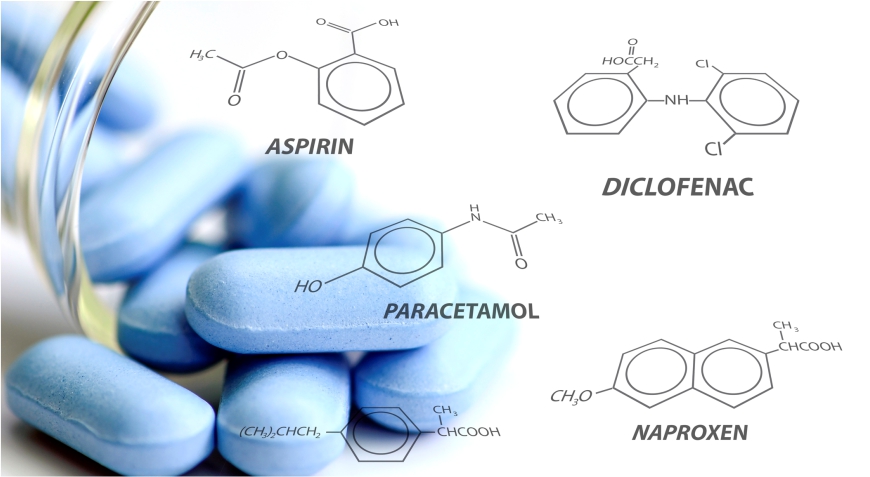
Well, the two work horses of the pain relief world are acetaminophen, and a group of drugs known as NSAIDs. Wait, what was that first one again? Yes, acetaminophen is a bit of a mouthful, and many people struggle to pronounce it. In case you are wondering, it’s: ‘uh·see·tuh·mi·nuh·fen’. Alternatively, you could just ask for ‘paracetamol’. That’s what acetaminophen is called In the UK and Europe.
We stock many well-known brands of acetaminophen – including Tylenol (the market leader in the States) and Panadol – the biggest seller in Britain and Europe – as well as generic offerings.
Calpol – a pink liquid version designed specifically for children – has been a medicine cupboard staple in the UK for more than 60 years.
Acetaminophen can reduce pain and lower a fever – which makes it a great choice when you’ve got a splitter of a headache. Medical experts think that it works by raising your pain threshold – so it takes more discomfort for you to feel it, which is why physiotherapists sometimes suggest a pre-emptive dose before you do your rehab exercises.
And as pain relief goes, it’s easy on the tummy (though continued long-term use could lead to liver issues). But it does NOT reduce inflammation.
Which brings us to the NSAIDs, or Non-Steroidal Anti-Inflammatories (pronounced ‘En-Seds’, or ‘En-Sayds’…take your pick!). This umbrella group includes ibuprofen, naproxen and aspirin. Like acetaminophen, they work to relieve pain and bring down a fever. However, unlike acetaminophen, they can also reduce inflammation and swelling (the clue’s in the name). Which makes them ideal for muscle or joint (arthritis!) pain; period pain; and toothache.
On the downside, NSAIDs can sometimes cause tummy upset.
But what if you need more? More pain relief, to combat more pain. Well, it is possible to harness our two work horses together: to combine and conquer. Because they work in different ways, you can safely use acetaminophen and NSAIDs together – as long as you remember not to exceed the recommended dosages of either drug!
For a short sharp assault on whatever ails you, you can take the two drugs together. Or, you may find that staggering them – taking acetaminophen at 8am, and ibuprofen at 10am…and so on…is what you need.
If you’re scratching your head now, fear not. Handily, our over the counter (OTC) pain killers are located right next to the pharmacist’s desk in our little corner of Lindo’s. So, if you’re confused, you can just ask for expert advice!
If you are pregnant, have high blood pressure, are already taking medication, or if you have any underlying health issues then check with a pharmacist or health care profressional before you proceed. Certain pain killers are recommended – or advised against – depending on the above circumstances.
But rest assured: contrary to recent news stories, acetaminophen – particularly Tylenol – is perfectly safe for expectant mothers to take; again, just as long as you follow the recommended guidelines. There is no proven clinical link between acetaminophen use during pregnancy and autism. At all.
So, here’s wishing you a happy – and pain-free – 2026. But if you ARE suffering, you know where to come for help.
Stephanie Simons is the head pharmacist at Lindo’s Pharmacy in Devonshire. She earned her Bachelor of Science in Pharmacy at Massachusetts College of Pharmacy and has been practicing for over 20 years. She is a registered pharmacist with the Bermuda Pharmacy Council and is a member of the Bermuda Pharmaceutical Association.
Nov 15, 2025

By Stephanie Simons,
Head Pharmacist,
Lindo’s Pharmacy in Devonshire
Have you noticed more moustaches recently? Well, that may be because we are now in Movember (the month formerly known as November) when ‘bros’ around the world are growing moustaches to raise awareness of – and money for – men’s health issues. In particular, prostate cancer, testicular cancer and mental health issues (including suicide prevention, because sadly men are still three times more likely to kill themselves than women, according to the most recent figures from The Samaritans).
The Movember movement started in 2003, in Australia, by accident. Two friends from Melbourne were having a beer when they came up with the idea of resurrecting the ‘Mo’, which they felt was on the way out Down Under. Sad, when you think of some of the great Australian ’tashes over the years – just Google cricket legends Dennis Lillee and Merv Hughes, if you’d like a reminder of a couple of classics.
Buddies Travis Garone and Luke Slattery missed the moustache and wondered if they could bring it back. So, they persuaded 30 friends to stop shaving their upper lip for a month; and though no money was raised, a lot of fun was had. The next year, they decided to try to persuade more men to do the same thing – and use that fun for a good cause. So, they set up a website. And this time, they added a fund-raising element. The slogan was: ‘Grow a Mo, save a Bro.’ November has been Men’s Health Awareness month for even longer than it’s been Movember, so it was a perfect fit.
Gradually, the movement spread – till today, it is a thing in more than 20 countries (including Bermuda). And instead of the 30 Australians who first decided to leave their upper lip alone for a month, there are now more than 290,000 Mo Bro’s and ‘Mo Sisters’ – the supportive womenfolk who are also committed to the campaign – around the world.
Last year, the movement raised more than $90 million for men’s health. In Bermuda, Movember has been active for the past 15 years and has so far raised more than half a million dollars for good causes. In partnership with the Bermuda Cancer and Health Centre, the movement is once again organising competitions for fund-raising – and mo-growing. Visit https://www.cancer.bm to see how you can get involved and give back to the community.
The ‘MO Finale’ will take place on Wednesday, November 26, at Modern Gent, in the Mechanics’ Building on Queen Street. Who will walk off with the title of ‘Ultimate Mo’? If you want it to be you – and if you are just as keen NOT to be the recipient of the ‘Lame Mo’ award – then you should visit our pharmacy corner.
There, you’ll find everything you need to keep your ‘tash (and beard) looking tip-top all year round; not just in November. The Woody’s grooming range includes Stache Wax (for ‘full stache swagger’) and Beard Wash, designed to keep your facial hair soft and manageable.
And if your dreams of the ‘Ultimate Mo’ are dashed when your ‘tash comes in grey, fear not! We also stock Just For Men Moustache & Beard dye. Now get growing!
Stephanie Simons is the head pharmacist at Lindo’s Pharmacy in Devonshire. She earned her Bachelor of Science in Pharmacy at Massachusetts College of Pharmacy and has been practicing for over 20 years. She is a registered pharmacist with the Bermuda Pharmacy Council and is a member of the Bermuda Pharmaceutical Association.