

By Stephanie Simons,
Head Pharmacist,
Lindo’s Pharmacy in Devonshire
Oh, the pain! Sometimes, even the bravest of us need something more than a stiff upper lip to manage our pain. Headaches, toothaches; muscle pulls and strains; arthritis… But what are our options? How do we make it stop?
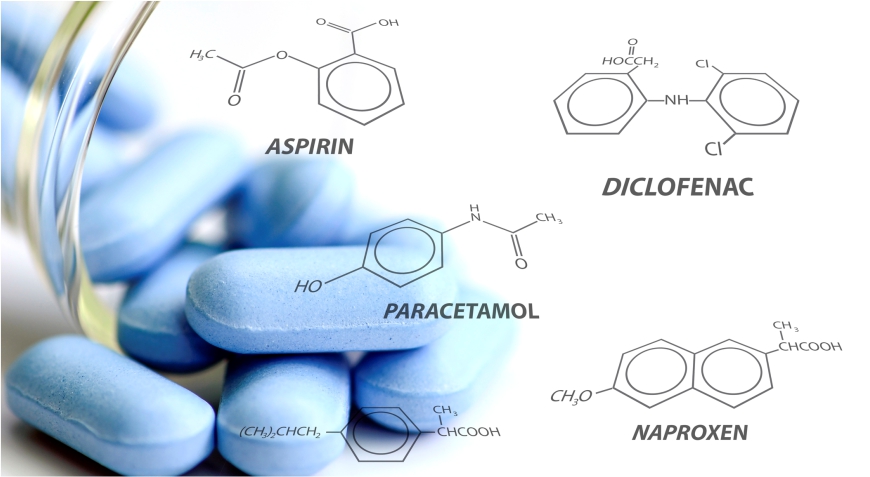
Well, the two work horses of the pain relief world are acetaminophen, and a group of drugs known as NSAIDs. Wait, what was that first one again? Yes, acetaminophen is a bit of a mouthful, and many people struggle to pronounce it. In case you are wondering, it’s: ‘uh·see·tuh·mi·nuh·fen’. Alternatively, you could just ask for ‘paracetamol’. That’s what acetaminophen is called In the UK and Europe.
We stock many well-known brands of acetaminophen – including Tylenol (the market leader in the States) and Panadol – the biggest seller in Britain and Europe – as well as generic offerings.
Calpol – a pink liquid version designed specifically for children – has been a medicine cupboard staple in the UK for more than 60 years.
Acetaminophen can reduce pain and lower a fever – which makes it a great choice when you’ve got a splitter of a headache. Medical experts think that it works by raising your pain threshold – so it takes more discomfort for you to feel it, which is why physiotherapists sometimes suggest a pre-emptive dose before you do your rehab exercises.
And as pain relief goes, it’s easy on the tummy (though continued long-term use could lead to liver issues). But it does NOT reduce inflammation.
Which brings us to the NSAIDs, or Non-Steroidal Anti-Inflammatories (pronounced ‘En-Seds’, or ‘En-Sayds’…take your pick!). This umbrella group includes ibuprofen, naproxen and aspirin. Like acetaminophen, they work to relieve pain and bring down a fever. However, unlike acetaminophen, they can also reduce inflammation and swelling (the clue’s in the name). Which makes them ideal for muscle or joint (arthritis!) pain; period pain; and toothache.
On the downside, NSAIDs can sometimes cause tummy upset.
But what if you need more? More pain relief, to combat more pain. Well, it is possible to harness our two work horses together: to combine and conquer. Because they work in different ways, you can safely use acetaminophen and NSAIDs together – as long as you remember not to exceed the recommended dosages of either drug!
For a short sharp assault on whatever ails you, you can take the two drugs together. Or, you may find that staggering them – taking acetaminophen at 8am, and ibuprofen at 10am…and so on…is what you need.
If you’re scratching your head now, fear not. Handily, our over the counter (OTC) pain killers are located right next to the pharmacist’s desk in our little corner of Lindo’s. So, if you’re confused, you can just ask for expert advice!
If you are pregnant, have high blood pressure, are already taking medication, or if you have any underlying health issues then check with a pharmacist or health care profressional before you proceed. Certain pain killers are recommended – or advised against – depending on the above circumstances.
But rest assured: contrary to recent news stories, acetaminophen – particularly Tylenol – is perfectly safe for expectant mothers to take; again, just as long as you follow the recommended guidelines. There is no proven clinical link between acetaminophen use during pregnancy and autism. At all.
So, here’s wishing you a happy – and pain-free – 2026. But if you ARE suffering, you know where to come for help.
Stephanie Simons is the head pharmacist at Lindo’s Pharmacy in Devonshire. She earned her Bachelor of Science in Pharmacy at Massachusetts College of Pharmacy and has been practicing for over 20 years. She is a registered pharmacist with the Bermuda Pharmacy Council and is a member of the Bermuda Pharmaceutical Association.