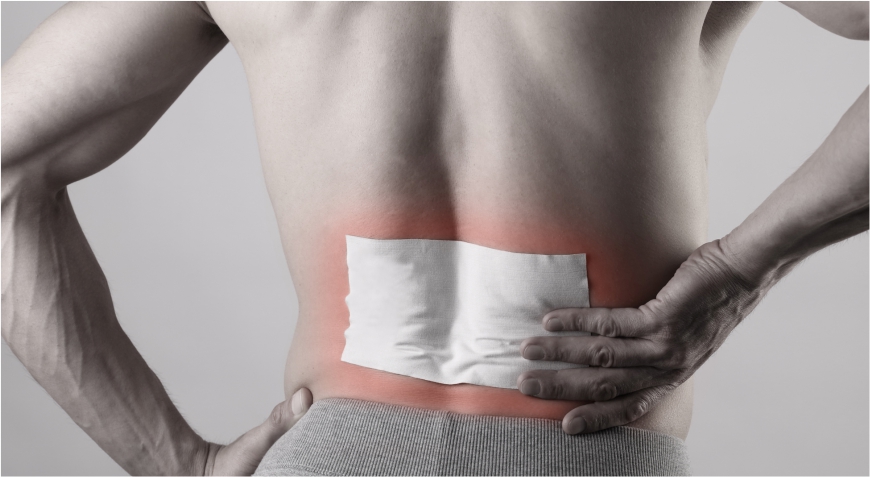
Pain-relieving patches, or heat patches for muscle stiffness, provide targeted relief over several hours.

By Stephanie Simons,
Head Pharmacist,
Lindo’s Pharmacy in Devonshire
The Bermuda Half Marathon Derby is for many of us the official start of summer. Cheering on friends and family is a great way to kick off the long holiday weekend. But maybe this year you are one of those brave souls actually running.
Not many of us can hope to match the standards of local legend Sir Stanley Burgess – who competed for 60 years, running his last race when he was 82. For most of us, just surviving 13 miles will be an accomplishment – with the added benefit of raising some money for a favourite charity.
If you are an entrant, your preparation will no doubt be in the final lap. But what about once you’ve crossed the finish line? Now is the time to visit Pharmacy Corner and stock up on a few items which, when the euphoria wears off and the exhaustion sets in, will speed you on the road to recovery.
REHYDRATE
Once you have staggered over the finish line, the first thing you need to do is rehydrate. Depending on the conditions, you can expect to lose up to two litres of water during the course of a half marathon. There are refreshment stations, to be sure, but afterwards the trick is to sip fluids – slowly! – to replace water and minerals. We have a great range of electrolyte drinks in tablet or powdered form, and a great range of flavours, from brand leaders like Nuun Sport, Pedialyte Sport and Voost, to help athletes of all levels replenish essential minerals lost during the course of a long run.
REFUEL
Fun fact: during a half marathon, you will burn enough energy to charge your iPhone for six months, according to Runner’s World magazine. Which, given energy costs at the moment, would be a neat trick. While scientists figure out how to do this, though, you will need to refuel your own batteries. Bananas, chocolate milk – or protein shakes (all available in our main shop) are good options for replenishing your energy levels quickly, and easy to pack in a post-race care bag.
CUT TO THE CHAFE
Thighs, groin, underarms – and nipples – are particularly prone to chafing in a half marathon. Most sports experts recommend that runners protect vulnerable areas with Vaseline (or if you object to petroleum-based products, a balm made with beeswax).
Once it’s all over bar the wincing, shower as soon as possible. Clean any raw areas gently with antibacterial soap (check out our selection!) and pat – do not rub – dry. Then apply a soothing barrier cream like Sudocrem (not just for babies, though it is available in our baby section).
OH, THE PAIN
Did you know that after a long race you may actually get shorter (temporarily!) because of tightened back muscles and fluid loss between the discs in your spine? Don’t panic! You’ll be standing tall again once you replenish your fluid levels. But what of the pain?
First off, take a beat. Experts recommend waiting two hours before you pop ANY painkillers – because you need time to rehydrate.
After that, avoid anti-inflammatories – NSAIDs like ibuprofen (Advil) or naproxen (Aleve). It may sound counter intuitive, but these types of painkillers can put a strain on your kidneys and actually increase the risk of dehydration. Acetaminophen also known as Paracetamol (Tylenol) is a much safer bet.
If you have a specific muscle strain, you can use a topical NSAID, like Voltarol, which will be less likely to affect your kidneys. But you could also opt for liniment (Bengay and Icy Hot offer a number of choices), most of which are free from NSAIDs. Topical magnesium creams (Theraworx) are also great for relaxing the muscles and easing cramping.
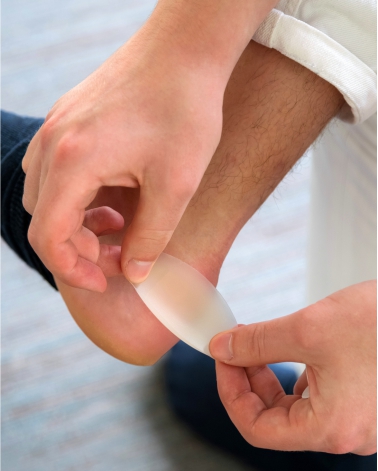
Hydrocolloid blister patches absorb excess moisture and form a protective cushion, providing instant pain relief and optimum healing conditions to protect blisters on the feet.
BRUISED TOENAILS
Not so fun fact: most half-marathon newbies are going to get at least one black toenail. This is the result of shoes that are too small, too big, too new – or even socks that are too tight – leading to a blood blister or bruise under the nail. There’s not much you can do about it. Just keep the affected nail(s) scrupulously clean and dry. And protect them, when wearing street shoes, with a sterile dressing.
BLISTERS
It’s worth checking out our footcare section, before the big day, to have a look for blister prevention plasters. But if it’s too late, and you’ve already got ‘em, an epsom salt foot (or full body) bath can’t hurt, and may soothe the pain and promote healing. You can even indulge using Lavender or Eucalyptus scented Dr. Teal’s Epsom Salts.
If your blister has burst it should be covered with a tight, clean bandage (after you’ve washed the area with soap and water) to prevent infection. A hydrocolloid patch, like the ones made by Compeed, is a good option.
Smaller blisters that have not burst can be protected with moleskin padding (Dr Scholl’s make this). Cut a patch bigger than the blister; then trim a hole in the middle with nail scissors, so the blister is open to the air, allowing it to dry out safely. Finally, cover with gauze.
Then, settle down and enjoy that sense of accomplishment! You have earned it!
Stephanie Simons is the head pharmacist at Lindo’s Pharmacy in Devonshire. She earned her Bachelor of Science in Pharmacy at Massachusetts College of Pharmacy and has been practicing for over 20 years. She is a registered pharmacist with the Bermuda Pharmacy Council and is a member of the Bermuda Pharmaceutical Association.