
PHARMACY CORNER
Attention to detail

A child with ADHD can prove challenging for parents and the wider family to manage. Children with hyperactivity will often run around or climb at inappropriate times and/or places and some have little sense of danger.

By Stephanie Simons,
Head Pharmacist,
Lindo’s Pharmacy in Devonshire
Family, school, work – it can be hard to focus sometimes. However, for some people, this is not an occasional difficulty, but a diagnosed mental health condition.
Attention Deficit Hyperactivity Disorder (ADHD) is defined as an ongoing pattern of inattention and/or hyperactivity that impacts everyday functioning. ADHD Awareness Month aims to improve knowledge of this neurodevelopmental disorder, its various treatments, and helpful ways to manage it.
Children
For children, ADHD can disrupt their development and education due to their inability to focus and distraction-prone nature. Symptoms to look out for include a failure to focus on schoolwork or activities, difficulty listening or following instructions, losing key items like stationery or glasses, and general forgetfulness.
Hyperactivity and impulsivity, meanwhile, refer to a slightly different set of symptoms. Fidgeting and difficulty remaining seated is common, as well as excessive talking, interrupting and impatience. Children with hyperactivity will often run around or climb at inappropriate times and/or places and some have little sense of danger.
A child with ADHD can prove challenging for parents and the wider family to manage. However, once diagnosed, your GP (and expert support team if required) can advise on a variety of treatments and techniques to help you and your child. Specifically chosen and tailored to individual children, treatment plans could include psychological therapies like cognitive behavioural therapy (CBT), social skills training, school-based interventions and/or medication. This plan will be fluid and regularly adjusted to suit the child’s needs and age.
Some parents also choose to adjust their child’s diet to incorporate more foods that facilitate focus – and reduce those that exacerbate ADHD symptoms. While research is inconclusive regarding a definitive diet for those with ADHD, some find that high-protein foods, particularly in the morning and straight after school, can help children’s concentration and potentially help ADHD medications to last longer. It may also be helpful to moderate foods high in sugar and/or E-numbers (certain artificial colours and preservatives in food) as they can worsen hyperactivity.
Adults
While ADHD always begins in childhood, many people continue to experience it in later years, and some are not diagnosed until adulthood. Symptoms change as people age; an adult with ADHD, for example, may shows signs of carelessness, poor organisation, impatience, irritability, and/or a propensity for taking dangerous risks.
Adults with ADHD will receive a treatment plan tailored to their age and symptoms. Your GP may prescribe medications such as Dexamphetamine or Methylphenidate which stimulate parts of the brain to help you focus. You may find therapies prove helpful, alongside or instead of medication, and some people take magnesium supplements like Calm or N.B. Magnesium which can help calm body and mind.
Omega-3 fatty acids are also recommended. Cold-water fish like tuna and salmon, as well as walnuts and Brazil nuts are good sources of Omega-3, while a supplement like Seven Seas Haliborange Omega-3 Chewies or N.B.(or Sundown) Omega-3 may help too. Vayarin, an omega compound, has recently been approved by the FDA as part of an ADHD management strategy.
If you’re concerned that you or your child may have ADHD, your pharmacist can be a simple place to start. We will provide further information on key symptoms and talk you through all possible causes including ADHD. Your GP will also be able to discuss this with you and to begin the process towards an official diagnosis. While it can seem scary at first, it’s good to remember that with a diagnosis comes treatment, advice, and support – for you and your family.
Stephanie Simons is the head pharmacist at Lindo’s Pharmacy in Devonshire. She earned her Bachelor of Science in Pharmacy at Massachusetts College of Pharmacy and has been practicing for over 20 years. She is a registered pharmacist with the Bermuda Pharmacy Council and is a member of the Bermuda Pharmaceutical Association.
Gynaecological Cancer Awareness Month

By Stephanie Simons,
Head Pharmacist,
Lindo’s Pharmacy in Devonshire
Gynaecological cancer is not a pleasant topic – but it is a crucial one. As with the majority of cancers, the sooner its diagnosed, the better chance of recovery. This is why Gynaecological Cancer Awareness Month, a global event held every September, aims to spread the word about these cancers and their symptoms to help as many women and trans men as possible live long and healthy lives.
More than 70,000 people are diagnosed with gynaecological cancers every year in the United States. Gynaecological cancer encompasses the whole female reproductive system from the uterus, ovaries and fallopian tubes to the cervix, vagina and vulva. There are five different types of gynaecological cancer, each with its own risk factors, symptoms and mortality rates.
Cervical cancer
The cervix or ‘neck of the womb’ links the vagina to the uterus. The key symptoms of cervical cancer include unusual vaginal bleeding or discharge, pain during sex and pain in the lower back, pelvis and/or abdomen.
The majority of cervical cancer cases are caused by a human papillomavirus (HPV) infection. The HPV vaccine protects against many strains of HPV and children of all genders are recommended to have the vaccine from the age of 11. Regular Pap tests can also detect abnormal cells before they develop into cancer, and Bermuda has a lower mortality rate from cervical cancer than the OECD average due to early detection and treatment.
If you or your child have not had the vaccine, or you have any questions about cervical screening, do speak to your GP or pharmacist.
Ovarian Cancer
Ovarian cancer occurs in the ovaries, the organs that produce eggs for fertilisation. The risk of ovarian cancer increases with age, with the majority of cases found in people over fifty – yet it can occur at any time of life. Pain around the pelvis, bloating, nausea or difficulty eating are the key symptoms to look out for.
 Uterine cancer
The fourth most common cancer for women and trans men in the United States, uterine cancer occurs in the uterine tissues and has two different types. Endometrial cancer is the most common form, and occurs in the uterus lining. Obesity, high blood pressure and diabetes can increase the risk of endometrial cancer. Uterine sarcoma occurs in the uterine muscles or tissues and is far more rare, although radiotherapy can increase the risk. Unusual bleeding, spotting or discharge are the main symptoms of uterine cancer, whilst others include blood in your pee, pain during sex or abdominal pain.
Vulva cancer
The vulva is the external genitalia, including the labia, clitoris and the Bartholin’s glands on either side of the vagina. Vulvar cancer often affects the outer vaginal lips and occurs mostly in those over 65. The condition can be a progression of abnormal cells on the surface of the vulvar skin – vulvar intraepithelial neoplasia (VIN) – so it’s important to seek diagnosis and treatment if you are concerned about this. HPV and genital warts can also increase the risk. Pain, itching, soreness or lumps in the vulva can signify vulva cancer, as can unusual bleeding, discharge or warts.
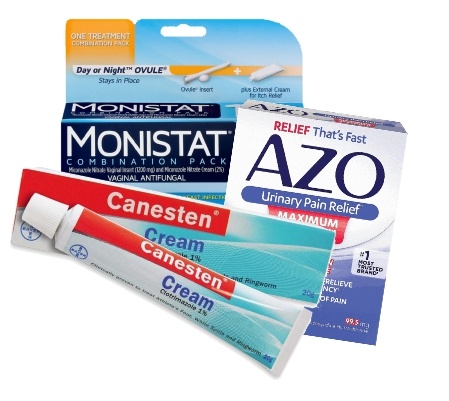
Of course, there are many reasons and causes for these kinds of symptoms, but it is always better to check in with your GP or pharmacist to ensure that whatever your condition, you can be treated as quickly as possible. If you’re unsure about your symptoms or where to seek help, you can always speak to your pharmacist who can advise on your next steps and, for those experiencing more minor gynaecological conditions such as a yeast infection or UTI, recommend helpful remedies such as Canesten or Monistat vaginal inserts or Fluconazole which is taken by mouth for yeast infections or Phenazopyridine (Urinary Pain Relief) or Cymalon which ease the symptoms of an UTI.
If you have any of the symptoms outlined here or are concerned about gynaecological cancer, speak to your GP as soon as possible. And spread the word! Awareness can save many lives.
Stephanie Simons is the head pharmacist at Lindo’s Pharmacy in Devonshire. She earned her Bachelor of Science in Pharmacy at Massachusetts College of Pharmacy and has been practicing for over 20 years. She is a registered pharmacist with the Bermuda Pharmacy Council and is a member of the Bermuda Pharmaceutical Association.
Who is the (pain)killer?
By Stephanie Simons,
Head Pharmacist,
Lindo’s Pharmacy in Devonshire
We all love a crime thriller – sifting through the clues, deciphering the killer. However, when it comes to your own pain, finding the best remedy for you shouldn’t be such a mystery.
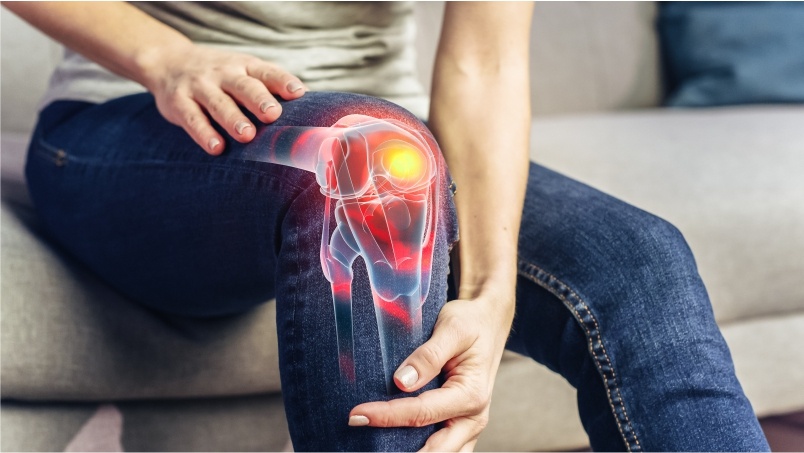
We all experience pain, and yet it is different for everyone. Thanks to this paradox, there is still much the medical world do not understand – yet with the right knowledge, you can uncover the best painkiller quicker than any detective. Severe pain, trauma and/or long term conditions will be managed by your health care team – however, if you are struggling with the lesser aches and pains we all experience at some point, there are plenty of options to offer you some relief, whether that is through your local pharmacy or your GP.
Pharmacies and drug stores offer a variety of options for treating day-to-day issues, such as headaches, muscle strains or period pain. There are two key type of painkiller sold over the counter.
 Acetaminophen – or Paracetamol – is thought to dull the receptors in the brain that receive pain signals. It can therefore be used to relieve a range of painful symptoms – headaches, In particular. As Acetaminophen also impacts the body’s regulation of temperature, you can also take it to ease a fever. Products like Tylenol or Panadol can deliver effective and efficient relief.
Most people can take acetaminophen safely and regularly as long as you do not exceed the recommended dosage – however those with severe kidney or liver disease, and those taking other medication containing acetaminophen should consult their GP first.
The other key painkillers available over the counter are nonsteroidal anti-inflammatory drugs (NSAIDs), the most common of which are aspirin and ibuprofen. They work by reducing the level of prostaglandins – a hormone-like chemical that irritate nerve ending causing feelings of pain. Some find NSAIDs work particularly well for relieving menstrual cramps, muscular pain and toothache, while others simply find they suit their bodies better than acetaminophen.
Try Bayer Aspirin, Advil or Cuprofen or ask your pharmacist for advice. Other pain relief products contain both acetaminophen and aspirin such as Excedrin, while products like Excedrin Migraine ad Excedrin Tension Headache also contain caffeine to better aid their efficacy. It is best to take NSAIDs after food, and the FDA warn against taking NSAIDs for more than ten days without seeking advice from your GP. Pregnant women should also avoid this type of product.
For muscular issues, topical pain relief is also an option. Creams, gels, sprays and patches like BenGay, Salonpas, Aspercreme or Voltaren (Voltarol) often contain NSAIDs and other medicines and be applied directly to the skin. Stronger versions may also be obtained from the pharmacist, though be sure to follow their instructions with care.
For those who would prefer not to take tablets or have been advised against it, exercise can also offer pain relief. Simple and gentle activities like walking and swimming can help to block pain signals to the brain and stretch stiff, tense muscles without causing or aggravating injury. Mindful breathing can also help. Pain often causes us to take shallow, rapid breaths – inducing anxiety, dizziness and further pain – however, by taking slow, deep breaths you will become more relaxed and feel more in control. Breathing and relaxation is also key in maintaining an effective sleep routine, which can in turn help relieve pain. Try Lavender essential oil or other relaxing essential oils to boost your relaxation with a little aromatherapy.
When we’re in pain, finding a remedy can feel like the most complex of mysteries, but it needn’t require a full investigation. If you are unsure what might work for you, speak to your GP or pharmacist at any time. We can advise on the best – and safest – solution and lessen your pain as soon as possible.
Stephanie Simons is the head pharmacist at Lindo’s Pharmacy in Devonshire. She earned her Bachelor of Science in Pharmacy at Massachusetts College of Pharmacy and has been practicing for over 20 years. She is a registered pharmacist with the Bermuda Pharmacy Council and is a member of the Bermuda Pharmaceutical Association.
Nailed it!
By Stephanie Simons,
Head Pharmacist,
Lindo’s Pharmacy in Devonshire
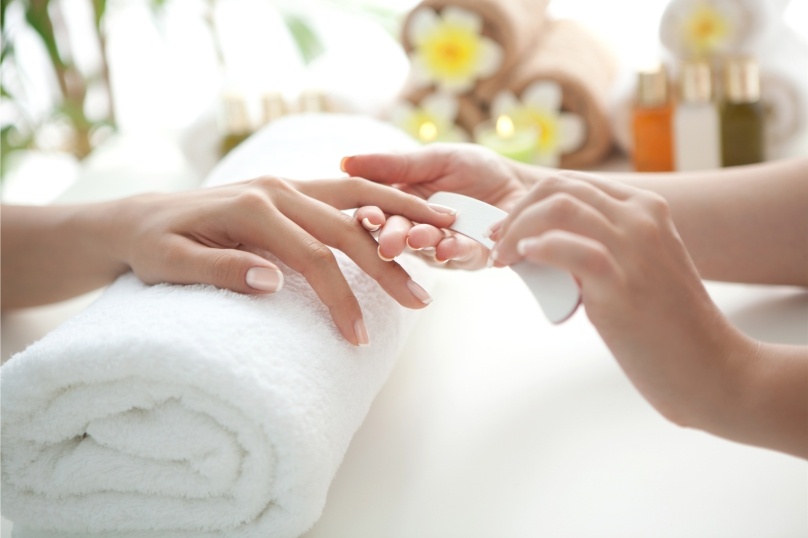
Like hair and skin, nails are a part of the body we love to care for and maintain. As summer finally arrives, it’s time for that vacation manicure – but nail beauty doesn’t necessarily mean nail health. Moist summer heat, nail products and harsh chemicals can lead to weak, damaged nails or even infection. So, what simple things can we do to keep our nails in tip top condition?
 What are nails?
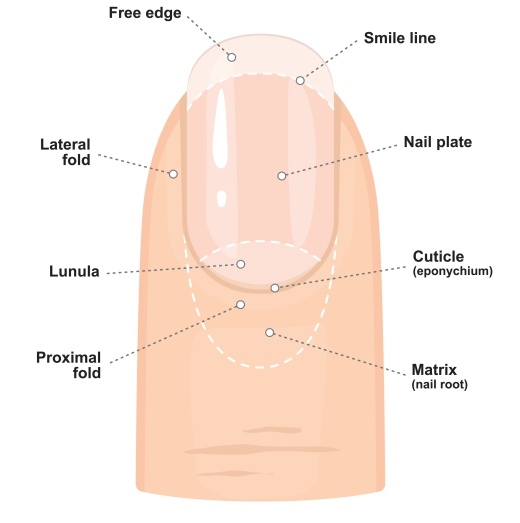
The nails on your fingers and toes are made of a protein called keratin, the same protein that forms hair and the top layer of your skin. The majority of each nail is securely attached to the nail bed, while the tips stick out to act as tools for scratching, maneuvering objects, and supporting our sense of touch. The cuticle at the base of the nail seals the nail to the skin.
Healthy nails are a pink and white colour, with strong cuticles and a prominent white half-moon shape at the base (the lunula).
Unhealthy nails
As a highly visible part of the body, it’s usually easy to spot when your nails aren’t at their best. Look out for changes in shape and thickness, as well as swelling, bleeding or separation around the nail. Discolouration such as a dark streak or yellowing under the nail is also something to keep an eye on.
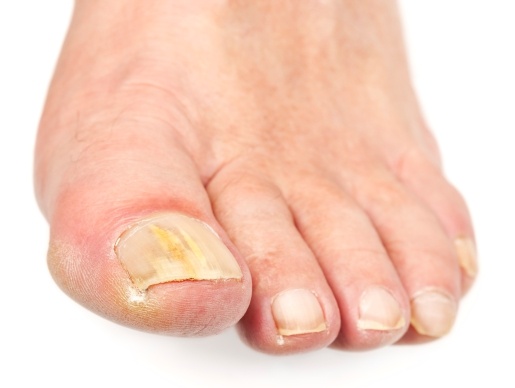
Toenail fungus, also called onychomycosis, is a common fungal infection of your toenail.
Nails are particularly vulnerable to fungal infection, especially when they’re not looked after. More common in toes, but also occurring in fingers, infections tend to begin at the edge of the nail and spread to the middle and top, making the nail discoloured, thick and brittle. The skin around the nail can become swollen and painful, while parts or even the whole nail may break off.
If you’re concerned about nail health or infection, speak to your pharmacist, who can suggest an antifungal cream like Lamisil (Terbinafine) or Canesten (Clotrimazole) or a nail-softening cream which enables infected parts of the nail to be scraped off. You can also speak to your GP who will prescribe stronger treatments or tablets if required.
Caring for your nails
As with hair and skin, you can help your nails stay strong and healthy through a few simple steps. The most important thing is to keep your nails clean and dry, to prevent bacteria from growing underneath and causing infection. This is particularly critical with toenails – wash sweat off your feet and nails, especially in hot summer weather, and keep your socks and towels clean too.
You can also help your nails stay strong by keeping them away from water and harsh chemicals that can cause the nails to become thin, weak and brittle. Wear rubber gloves when washing dishes or cleaning, and practice good nail hygiene – trim, moisturise and apply a nourishing base coat to prevent breakages.
What about my manicure?
There’s no harm in the occasional manicure. However, choose a salon that displays a current licence or inspection certificate and check your individual technician is licenced too. Ask your technician not to remove your cuticles, as these are a key barrier against infection, and check that all tools are sterilised between clients.
If you’re more of a DIY manicurist, make sure your emery boards and clippers are clean and regularly replaced. Brands like Revlon and Cala offer effective tools at reasonable prices. Choose an acetone-free polish remover like those made by Cutex or Swan and give your nails a break from polish every now and then. A good hand and nail cream like Neutrogena or O’Keefe’s Hand cream will also reap rewards – or an insider tip is to use your lip balm, which often contain the moisturising ingredients your nails need. Try Carmex or O’Keefe’s Lip Repair for a multitasking hero!
Nails can be a great source of beauty and fun, but there’s no point damaging them in the process. Take care of your nails and you’ll get the health and the beauty – without the risk of infection.
Stephanie Simons is the head pharmacist at Lindo’s Pharmacy in Devonshire. She earned her Bachelor of Science in Pharmacy at Massachusetts College of Pharmacy and has been practicing for over 20 years. She is a registered pharmacist with the Bermuda Pharmacy Council and is a member of the Bermuda Pharmaceutical Association.
Let down your hair
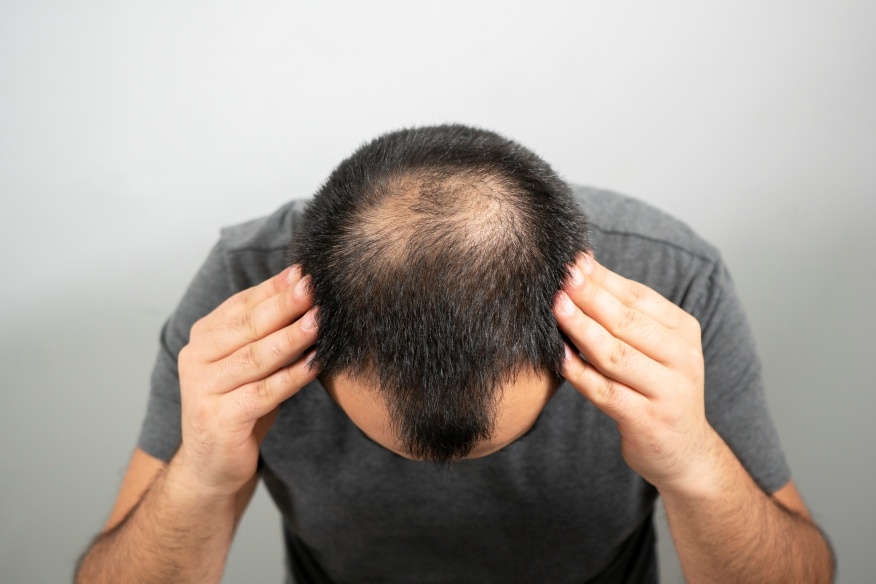
Male pattern baldness – androgenic alopecia – is a genetic condition when men as early as their teens experience a receding hairline and gradual hair loss from the crown.
By Stephanie Simons,
Head Pharmacist,
Lindo’s Pharmacy in Devonshire
From Goldilocks to Rapunzel, we’ve always been obsessed with our hair. So integral to our lives, it’s not surprising that the loss of our hair can be an incredibly difficult experience. From stress to serious health conditions, there are numerous causes behind hair loss – but how can we help prevent it? And how do we treat it when it happens?
We have hair everywhere on our skin except for a few specific places like the palms of our hands. Hair is made of keratin, a protein produced in hair follicles. As new hair cells are produced, old cells are pushed out through the surface of the skin – this is the visible hair we see. Each follicle has a lifecycle dependant on many factors including age, health, and genetics.
There are many reasons why we lose our hair, some better understood than others. Stress is a fairly common cause. Stressed-induced hair loss, or telogen effluvium, causes hair follicles to ‘rest’ which slows or stops the production of keratin, as the body’s depleted resources prioritise more vital processes. Stress can also impact our hormones – another key factor in hair loss – while changes in appetite may also play a role. A nutritious diet is key to hair growth, and those not ingesting the required protein, vitamins, and minerals may find their hair begins to thin and/or fall out.
Like stress, bodily trauma such as childbirth, major illness, surgery, cancer treatments, or severe weight loss, can cause hair to fall out. This type of hair loss is often temporary and resolves itself over time. A disease called alopecia areata, where your immune system starts to attack hair follicles, can cause more significant hair loss, but approximately 90% of sufferers regain their hair within a few years too.
Some hair loss, however, is less reversible. Involutional alopecia affects everyone as we age, as hair naturally thins. Moreover, male pattern baldness – androgenic alopecia – is a genetic condition when men as early as their teens experience a receding hairline and gradual hair loss from the crown. Women can experience female pattern baldness, but this tends to start later in life and manifests as a general thinning of hair across the scalp. Alopecia universalis, where all body hair falls out, can be temporary or permanent depending on the case.
So how do we treat it? In many cases, hair loss can be slowed or reduced. If stress or diet is the key trigger, it’s much easier to treat the cause than the symptoms. You can tackle stress through exercise, meditation, or lifestyle changes – herbal remedies such as Hair, Skin & Nails supplements by Nature’s Bounty (N.B.) and Olly, or Biotin can also be useful. Speak to your GP if you think you could benefit from advice or mental health support to lower your stress levels. Your GP or pharmacist can also advise on dietary changes that may support hair growth such as boosting your vegetable and protein intake, or iron supplements like Ferrograd and/or a Vitamin D tablet like N.B. Vitamin D 2000IU.
Shampoos containing caffeine can also help, as caffeine targets DHT – a hormone that blocks the nutrients hair follicles need. Try Dr. Brown’s DHT Blocker or Viviscal. Stronger treatments include Minoxidil, used in products like Rogaine which are applied directly to the scalp to stimulate hair growth. Alternatively, your GP may prescribe certain treatments specifically suited to you, such as corticosteroid injections.
Scalp care is also key. Just like the skin on your face, your scalp can be sensitive to environmental stressors like pollution, heat, and overzealous products. By maintaining a healthy scalp, you can keep follicles free of disruption, allowing hair to grow healthy and strong. Try Head & Shoulders for a dry scalp, or Nizoral if you’re experiencing too much oil as this can block follicles.
The loss of your hair can be a very upsetting experience and it’s important that you seek support, whether that’s your friends, family, or speaking to your local health professional. Your GP or pharmacist are always happy to discuss this with you and advise on the best support for you.
Stephanie Simons is the head pharmacist at Lindo’s Pharmacy in Devonshire. She earned her Bachelor of Science in Pharmacy at Massachusetts College of Pharmacy and has been practicing for over 20 years. She is a registered pharmacist with the Bermuda Pharmacy Council and is a member of the Bermuda Pharmaceutical Association.
Spring Cleaning
By Stephanie Simons,
Head Pharmacist,
Lindo’s Pharmacy in Devonshire
As we shed the remnants of winter, it’s time for longer days, more time outside – and, of course, the annual spring clean. Though traditionally a household task, many are looking this year to clean up their healthcare products too. The ‘clean’ movement has been spreading rapidly throughout the beauty, wellness, and pharmaceutical industries – but what exactly does ‘clean’ mean in this context?
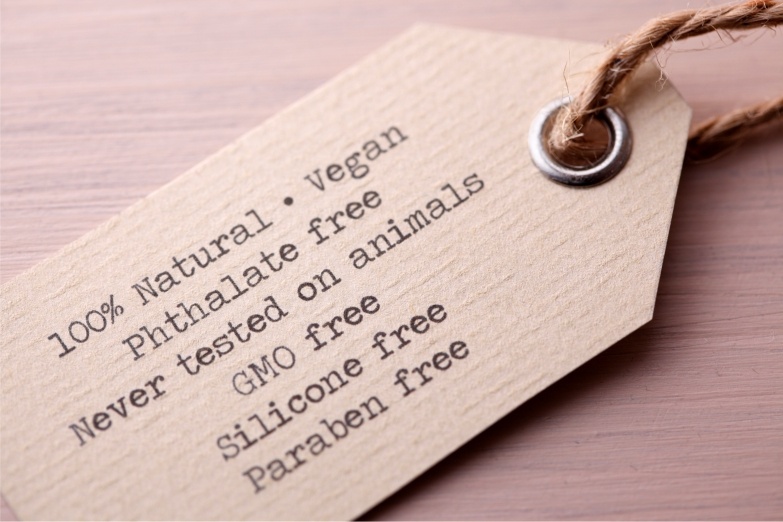
Although the term ‘clean’ is used on thousands of product labels, from shampoo to supplements, it bears no regulatory definition. To some, it means ‘non-toxic’ – a product that contains few or no known allergens, irritants, or harmful chemicals. To others, it means ‘natural’ – a product made solely or partially from nature, such as water or plant extracts – while some consider ‘clean’ to mean more environmentally friendly and/or vegan.
While products that are better for you and the environment have an obvious appeal, some experts claim the movement is simply a marketing campaign that aims to scare consumers away from some products and attract them to others. With so many definitions flying around, how do we decide on the right products for us?
Are ‘clean’ products safer?
Prescription drugs and treatments are tested and regulated for safety, but over-the-counter products are less monitored. Cosmetics, for example, are only tested and approved by the FDA if they contain color additives.
Across ‘clean’ marketing campaigns, there are some ingredients that many brands seek to disavow – but that doesn’t mean they should be avoided at all costs.
• Alcohol – In addition to our favourite tipples, alcohol is often included in health and beauty products to help preserve the product. While some forms of alcohol can cause irritation, especially for sensitive skin, there’s also evidence that cetearyl alcohol and cetyl alcohol – or ‘fatty’ alcohol – actually soothe frizzy hair and dry skin if formulated correctly.
• Parabens – Preservatives like ethlyparaben, methylparaben, and butylparaben are used in a wide range of products to prevent bacteria and mould. Many brands have eradicated all parabens from their products, yet there is little to no evidence that they do cause harm – in fact, some of the synthetic alternatives have been known to cause more allergic reactions.
• Essential oils – Formerly a favourite, essential oils are being left out of ‘clean’ products like shampoo or bubble bath due to their risk of irritation. Derived from highly fragrant plants like lavender or rose, essential oils can have aromatherapy benefits, but there is little science to back up any higher claims.
Is ‘natural’ better?
More and more, we are all trying to limit our impact on the environment and, in turn, limit its impact on us. In many ways, this is a positive thing – eating plenty of fresh fruit and vegetables has a plethora of health benefits, while natural remedies like ginger tea for nausea or lavender to aid sleep are used throughout the world. Yogi and Traditional Medicine Teas or Kalms Lavender are great products, packed full of the earth’s best ingredients.
That said, some products can be termed ‘natural’ without in fact being better for you or the environment. Hyaluronic acid, for example, is termed ‘natural’ when taken from horses and cows’ umbilical cords – while synthetic forms are just as effective but cause less damage to animals and the environment. Try Honey Pot, Nubian Heritage, or Avalon Organics for effective products from eco-friendly companies.
All bodies are different
All bodies are different, and products with a ‘clean’ label don’t guarantee safety any more than those without. The best thing is to keep a note of products that work for you and your health. Whether you’re looking to try a new herbal remedy or searching for a more eco-friendly sunscreen, your pharmacist is always on hand to offer advice and suggest products which might be suitable.
If you are unsure about a product or ingredient and/or experiencing an allergic reaction, speak to your GP or pharmacist as soon as possible.
Stephanie Simons is the head pharmacist at Lindo’s Pharmacy in Devonshire. She earned her Bachelor of Science in Pharmacy at Massachusetts College of Pharmacy and has been practicing for over 20 years. She is a registered pharmacist with the Bermuda Pharmacy Council and is a member of the Bermuda Pharmaceutical Association.
It’s time to talk about UTIs

By Stephanie Simons,
Head Pharmacist,
Lindo’s Pharmacy in Devonshire
When it comes to general aches and pains, we’re used to chatting them through and seeking help. However, there are some issues that can cause embarrassment and lead us to delay getting the help we need. Urinary Tract Infections (UTIs) are one such issue, but while it can be uncomfortable (both to discuss and tolerate), it’s important to tackle the infection as soon as possible before it leads to more serious problems.
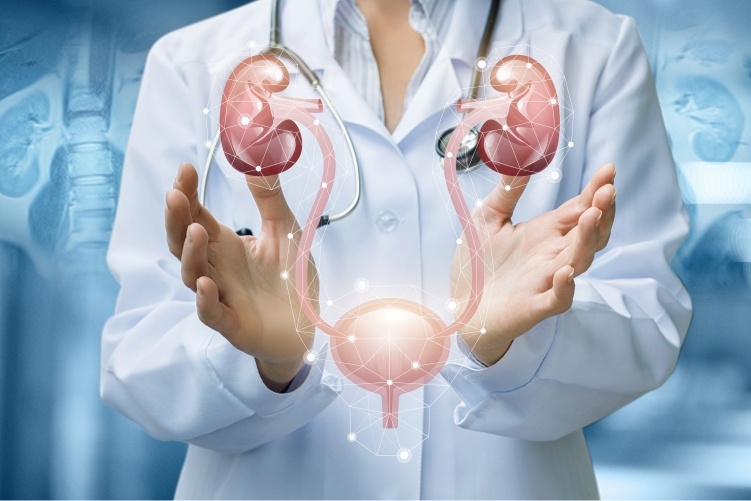
UTIs occur when bacteria, usually from your poo, enters the urinary tract, causing an infection in your urinary system – either the bladder, urethra, ureters or kidneys. As women have a shorter urinary tract than men, bacteria are more likely to reach the organs and cause a UTI, and two-thirds of women experience this kind of infection at some point. However, UTIs can also occur in men and children.
Sexual intercourse is a key cause of UTIs, as it enables bacteria to be easily transferred into the urinary tract. Women are advised to urinate after any sexual activity to flush out any misplaced bacteria. Chemical irritants in bubble bath or perfumed soap can damage the urethra, making it more vulnerable to bacteria too.
Hormone changes during pregnancy and menopause can also increase the likelihood of UTIs, as can conditions that prevent you fully emptying your bladder like constipation or an enlarged prostate gland in men. People with a weakened immune system such as those with diabetes or undergoing chemotherapy are also at a higher risk.
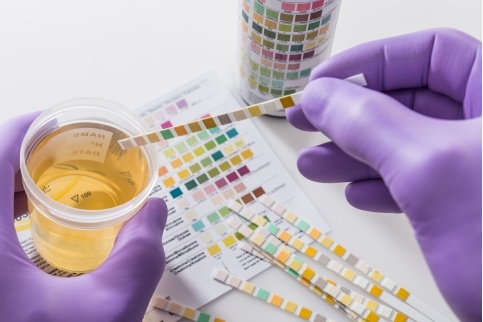 So how do you know if you have one? The most common symptoms include pain or burning sensations when you pee, the need to pee more often than usual, cloudy urine, and lower back or stomach pain. More severe cases can cause blood in the urine, a high fever, chills, vomiting, or a very low temperature. If you’re experiencing any symptoms, do speak to your GP to arrange a urine test.
Many UTIs resolve themselves within a few days. You can take paracetamol products like Panadol or Tylenol to help with pain and any high temperature and be sure to rest and consume plenty of liquids. Your GP may prescribe antibiotics and your local pharmacy will stock a range of products specifically targeting UTI symptoms such as Cymalon and Phenazopyridine. Some evidence suggests cranberry supplements like N.B. or Sundown Cranberry Capsules can also speed recovery, while creams like Vagisil may relieve soreness while you wait.
It’s always important to seek medical advice as severe UTIs, if left untreated, can lead to a kidney infection. Without treatment, kidney infections can cause permanent damage to your kidneys and the bacteria may spread to your bloodstream causing life-threatening infection. Kidney infections are particularly dangerous for pregnant women as they can cause premature delivery and the associated risks for both mother and baby.
You can reduce your chance of developing a UTI with a few simple techniques. Hygiene is key – keep the genital area clean and dry and be sure to wipe from front to back when you finish using the toilet. Drink plenty of water to stay hydrated and wash the skin around the vagina before and after sex if possible.
While it can be a difficult topic to discuss, UTIs are very common and there’s nothing to be ashamed about. Your GP or pharmacist will be happy to help diagnose and treat a UTI so you can avoid more severe symptoms and feel back to normal as soon as possible.
Stephanie Simons is the head pharmacist at Lindo’s Pharmacy in Devonshire. She earned her Bachelor of Science in Pharmacy at Massachusetts College of Pharmacy and has been practicing for over 20 years. She is a registered pharmacist with the Bermuda Pharmacy Council and is a member of the Bermuda Pharmaceutical Association.
Skin Deep
By Stephanie Simons,
Head Pharmacist,
Lindo’s Pharmacy in Devonshire
The body’s largest organ is the skin. Just as crucial as the heart or brain, our skin protects the rest of the body from the external world, from harsh temperatures to harmful bacteria. However, it isn’t without its own vulnerabilities. Whether we’re battling skin disease or worried about premature ageing, it’s critical that we understand our skin – and how to take care of it.
Structure
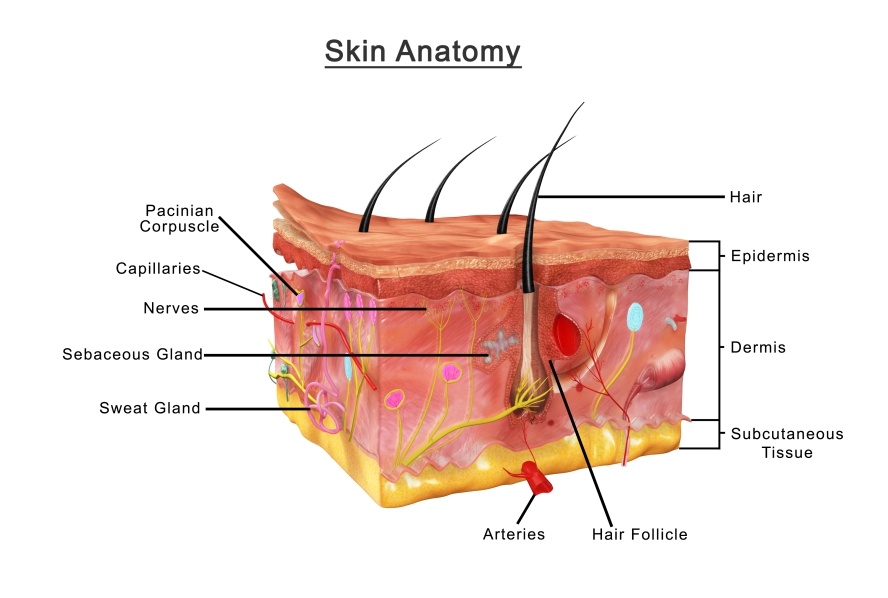
Our skin is made up of three layers, the epidermis, subcutis, and dermis.
Keratinocytes are the main building blocks of the epidermis and produce the protein keratin. The epidermis is also home to sweat glands, sebaceous (oil) glands, hair follicles and melanocytes which produce a pigment called melanin that protects us from UV rays.
Below the epidermis, the subcutis – or hypodermis – is made up of fibrous tissue and adipose (fat) and varies according to your size and weight. The dermis underneath is much thicker. Formed of collagen and elastin, it insulates the body while cushioning it against external trauma.
Function
The skin is not only the biggest organ, but also one of the most important, with several critical functions.
Its main function is to prevent water loss and shield the body from physical and chemical harm. A key part of the immune system, the skin fights off bugs, allergens and other toxins in our surroundings. It also enables the absorption of Vitamin D from sunlight, helping our bodies protect against numerous diseases like osteoporosis and cancer.
The skin enables our sense of touch so we can interact with the physical world, sense danger and injury, and enjoy pleasurable sensations. It’s also key in terms of physical attraction. The skin’s appearance, texture and quality play a significant role in our perception of health and beauty, though this tends to vary across cultures.
Skin care
Taking care of our skin is good for bodily health and our appearance. A simple, consistent routine can keep your skin comfortable and healthy while more advanced products can tackle a wide range of issues, from acne and pigmentation to wrinkles and collagen loss.
To maintain general skin health, it’s important to wash your face morning and night. For oilier skin types, try a face wash like Neutrogena Oil-Free Pink Grapefruit wash or scrub, while dry or sensitive skin might prefer a creamy cleanser like Cerave Hydrating Cleanser. Reinforce your skin’s barrier function with a layer of moisturiser – Cerave Facial Moisturiser AM and PM formulas are a great all-rounder, and Eucerin works wonders for sore or dehydrated skin. In the daytime, be sure to apply – and reapply – sunscreen of SPF 30+ such as Neutrogena Daily Moisture or Cerave AM Moisturiser lotion. This greatly lowers risk of skin cancer and helps prevent premature ageing.
There are a few key ingredients that can help you get even better results. For anti-ageing, there’s nothing better (and more scientifically proven) than Vitamin A, ranging from over-the-counter retinol products like Neutrogena Rapid Wrinkle to full strength tretinoin available only on prescription. Whatever strength, these products can irritate skin if used too often – start once a week and build up from there.
For spots or acne, a helpful ingredient is Salicylic Acid, an exfoliant that dives deep into pores and clears them out. Try a cleanser like Neutrogena Acne or Cerave Acne or a targeted spot treatment like Neutrogena Rapid Clear or Neutrogena Stubborn Marks. Products containing antioxidants like Vitamins C and E can also help protect your skin from external aggressors – try applying a serum like Avalon Organics Intense Defence Vit. C Face serum before your moisturiser.
Inside and out
You can also support your skin through your diet. Vitamin D plays a key role in building healthy skin cells: try oily fish, mushrooms or a supplement like Olly Glowing Skin Gummies or Alive Hair, Skin and Nails. Vitamin C can help to repair skin and retain its moisture. Citrus fruits, broccoli, and supplements like Nature’s Bounty Vit. C can boost your levels. Reducing your sugar intake is also proven to significantly improve your skin.
We’ve come a long way in understanding the skin and how to care for it. If you’re worried about your skin or simply want to make sure it is healthy, you can always talk to your GP or pharmacist. By protecting your skin, you’re protecting your whole body.
Stephanie Simons is the head pharmacist at Lindo’s Pharmacy in Devonshire. She earned her Bachelor of Science in Pharmacy at Massachusetts College of Pharmacy and has been practicing for over 20 years. She is a registered pharmacist with the Bermuda Pharmacy Council and is a member of the Bermuda Pharmaceutical Association.
Trust your gut

By Stephanie Simons,
Head Pharmacist,
Lindo’s Pharmacy in Devonshire
Let’s face it – we give our tummies a hard time. When we’re not complaining about them, we’re squeezing them into skinny jeans, filling them with fast food, or trying to crunch them into nonexistence. But why is this? On the one hand, our stomachs contain powerful tools that give us energy, build our strength and, ultimately, keep us alive. Yet for some they also cause a variety of problems.
The region of the body between the ribs and the pelvis contains the digestive system, a series of organs, including the stomach, intestines, pancreas, liver and gallbladder, loosely connected by tissue that enables them to expand, shrink and move against each other. The kidneys and spleen are also located in the abdominal area.
Your digestive system processes the food we eat and breaks it down into smaller parts that our bodies can absorb: carbohydrates into sugars, proteins into amino acids, and fats into fatty acids and glycerol. This provides us with energy and enables growth and cell repair – all vital for our bodies to function. So where do the problems start? And how can we tackle them?
IBS
Irritable Bowel Syndrome (IBS) is the most common gastrointestinal disorder, affecting up to 15% of people in the US. Disruption in the small and large intestines causes abdominal pain often surrounding bowel movements, leading to diarrhoea, constipation, bloating and/or flatulence.
There is no direct cure for IBS, but many people manage their symptoms by adapting their diet and lifestyle. Known to slow down or speed up digestion, anxiety and stress are key triggers of IBS. It’s therefore important to find ways to relax, particularly around mealtimes. Exercise and meditation are known to reduce stress levels, or you could try an herbal remedy like peppermint, ginger or fennel teas an hour or so before you eat.
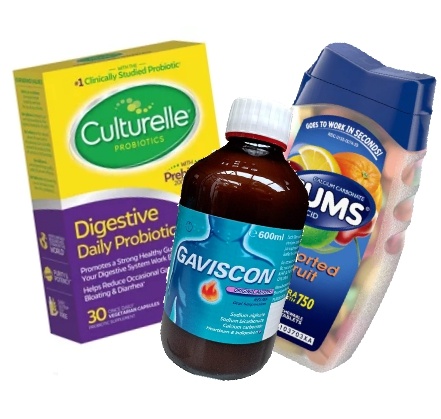
Studies also show that probiotics may improve digestion and thus ease IBS symptoms. Many yogurts have added probiotics or you could try a supplement like Culturelle or PB8 to help get things moving. Alternatively, some find IBS remedies like Colpermin or digestive enzymes can be useful or you can speak to your GP or pharmacist.
 Bloating
Around one in ten people experience bloating, whether or not they have other IBS symptoms. We all know an overly large meal can make us bloat – one high in fat can have the same effect, as fats take longer to digest and keep the stomach full for longer. Eating too fast also cause your abdomen to swell. Limit your fats and take your time when eating to help reduce your symptoms. You could also try Beano, Gas-X or digestive enzymes to smooth things along.
Bloating can also be caused by gas in the digestive system – half of which is simply swallowed air building up in the intestines. Again, eating slowly can help as it reduces the amount of air you ingest. Avoid drinking from a straw and aim for still rather than fizzy drinks to further lower the levels of gas blocking things up.
Acid reflux
We all know that feeling – you’ve just finished a great meal, but your chest is starting to burn. This is due to acid reflux, when the acid formed in the stomach through digestion begins to travel upwards towards the chest. This can also leave a sour taste in your mouth.
Many things can cause acid reflux, from certain foods and drinks like coffee, tomatoes, alcohol, and fatty or spicy foods, to smoking, stress and/or pregnancy. Antacids like Tums or Gaviscon are the quickest way to relieve your symptoms – aim to take them with your meal or soon after. Stronger acid reducers like Omeprazole or Famotidine can also be helpful. Longer term, quitting smoking, easing your stress and/or avoiding foods that trigger your symptoms are the best ways to avoid the dreaded heat.
No one’s stomach always feels comfortable – there are too many complex processes at work. The simplest ways to ease your digestion are to eat healthy meals, exercise as much as you can, and speak to your pharmacist if you need some extra assistance.
If you’re experiencing significant pain and discomfort, always speak to your GP.
Stephanie Simons is the head pharmacist at Lindo’s Pharmacy in Devonshire. She earned her Bachelor of Science in Pharmacy at Massachusetts College of Pharmacy and has been practicing for over 20 years. She is a registered pharmacist with the Bermuda Pharmacy Council and is a member of the Bermuda Pharmaceutical Association.
The most wonderful time of the year

By Stephanie Simons,
Head Pharmacist,
Lindo’s Pharmacy in Devonshire
The holidays are a time to enjoy yourself, something most of us accomplish very well! But this indulgent period is often followed by hangovers, weight gain and low mood that lasts long past the festivities. However – what if I told you there are ways to keep your health in check whilst also revelling in the party season?
No one wants to trade in their Christmas dinner for a leafy salad, but there are little changes you can make to maintain balance, and start the new year feeling good.
Before
Starting the festive season in prime health is one of the best ways to make sure your body bounces back afterwards. In the weeks leading up, pack in the fruit and vegetables to boost your vitamin levels and get a good night’s sleep as often as possible – this will build your immune system and prep you for the coming party time.
The day of an evening gathering or celebration, drink plenty of water to stay hydrated and eat regular balanced meals. Don’t be tempted to skip food to make up for the upcoming alcohol calories – you’ll miss out on key nutrients, and be likely to eat more unhealthy food at the event itself. An empty stomach also makes you more vulnerable to alcohol’s effects, taking you from merrily tipsy to cringeworthy drunkenness.
This is also a good time to check in with your mental health. Do you really want to go to that party? It’s normal to feel a sense of obligation around the holidays, but try to prioritise the activities which make you feel good and don’t be afraid to turn down those unwanted invitations. In a week or two, no one will even remember who attended what.
During
At the party, the key thing is to keep things in proportion. Help yourself to food and drink, but move away from the buffet when you’re done to prevent mindless grazing. Try to limit the booze to one drink per hour and alternate with soft drinks to keep your body hydrated. By keeping track of your drinks, you’re far less likely to have one too many – and feel the consequences the next day.
While large feasts are a staple of the season, heartburn and lethargy certainly shouldn’t be. Try to eat slowly and mindfully, savouring each bite and stopping when you’re no longer hungry – rather than when you’re full. Balance your plate with Christmas vegetables and try a short walk after dinner to keep your digestion running smoothly.
After
Ah, the dreaded morning after.
If you can stomach a cooked breakfast, reach for mushrooms – full of energy-giving B vitamins – tomatoes for their immune-boosting Vitamin C, spinach for its DNA-repairing folate, chilli or cayenne pepper to get your blood flowing, and onions, which soothe your liver with their sulphur compounds. Smoothies are also a great way to kickstart your body after a big night – pack yours with potassium-rich fruits like banana or orange to replenish the electrolytes lost through your alcohol intake.
We all love leftovers, but if they’re not safe – don’t do it! December sees a peak in food poisoning as people pick at food that’s been left out. Make sure you’re only reaching for food that’s freshly cooked or straight from the fridge.
Still feeling rough?
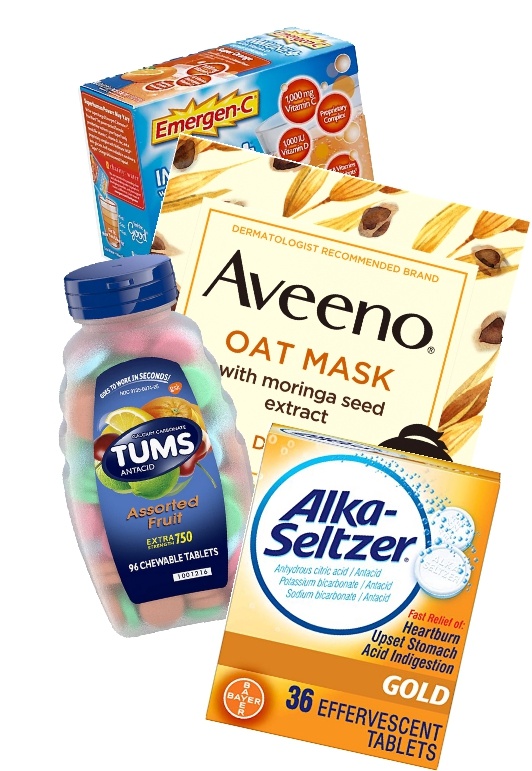
Even with the best intentions, we can all fall foul to festive temptation. Luckily, your friendly pharmacy is here to help. Eaten too much? Try Tums, Omeprazole or Famotidine to beat indigestion and heartburn. Hangover from hell? Reach for a rehydration sachet like Nuun, Emergen-C or Berocca to boost your electrolytes, and a stomach-friendly painkiller like Tylenol or Alka-Seltzer Gold if that head just won’t stop banging.
Vitamins B and C are particularly important during holiday festivity – try Berocca and B-Complex+C to keep your levels nicely topped up – and why not treat yourself to a quick face mask like Aveeno Oat Mask Detox or St. Ives Fresh Skin or Energizing Scrub to boost morale after one party too many.
The holidays are a great time to reconnect with loved ones and enjoy our favourite traditions. But with these few little tweaks, you can also avoid the January slump. If you are feeling unwell or in need of medical attention, always seek advice from your GP or pharmacist.
Stephanie Simons is the head pharmacist at Lindo’s Pharmacy in Devonshire. She earned her Bachelor of Science in Pharmacy at Massachusetts College of Pharmacy and has been practicing for over 20 years. She is a registered pharmacist with the Bermuda Pharmacy Council and is a member of the Bermuda Pharmaceutical Association.
MONTHLY SPECIALS