

By Stephanie Simons,
Head Pharmacist,
Lindo’s Pharmacy in Devonshire
Like hair and skin, nails are a part of the body we love to care for and maintain. As summer finally arrives, it’s time for that vacation manicure – but nail beauty doesn’t necessarily mean nail health. Moist summer heat, nail products and harsh chemicals can lead to weak, damaged nails or even infection. So, what simple things can we do to keep our nails in tip top condition?
 What are nails?
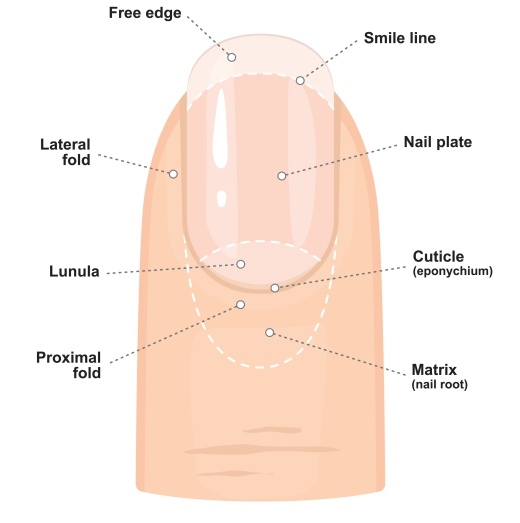
The nails on your fingers and toes are made of a protein called keratin, the same protein that forms hair and the top layer of your skin. The majority of each nail is securely attached to the nail bed, while the tips stick out to act as tools for scratching, maneuvering objects, and supporting our sense of touch. The cuticle at the base of the nail seals the nail to the skin.
Healthy nails are a pink and white colour, with strong cuticles and a prominent white half-moon shape at the base (the lunula).
Unhealthy nails
As a highly visible part of the body, it’s usually easy to spot when your nails aren’t at their best. Look out for changes in shape and thickness, as well as swelling, bleeding or separation around the nail. Discolouration such as a dark streak or yellowing under the nail is also something to keep an eye on.
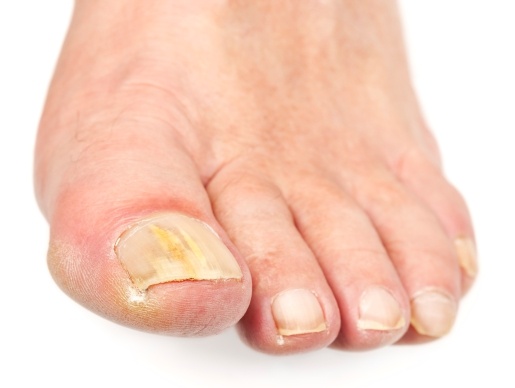
Toenail fungus, also called onychomycosis, is a common fungal infection of your toenail.
Nails are particularly vulnerable to fungal infection, especially when they’re not looked after. More common in toes, but also occurring in fingers, infections tend to begin at the edge of the nail and spread to the middle and top, making the nail discoloured, thick and brittle. The skin around the nail can become swollen and painful, while parts or even the whole nail may break off.
If you’re concerned about nail health or infection, speak to your pharmacist, who can suggest an antifungal cream like Lamisil (Terbinafine) or Canesten (Clotrimazole) or a nail-softening cream which enables infected parts of the nail to be scraped off. You can also speak to your GP who will prescribe stronger treatments or tablets if required.
Caring for your nails
As with hair and skin, you can help your nails stay strong and healthy through a few simple steps. The most important thing is to keep your nails clean and dry, to prevent bacteria from growing underneath and causing infection. This is particularly critical with toenails – wash sweat off your feet and nails, especially in hot summer weather, and keep your socks and towels clean too.
You can also help your nails stay strong by keeping them away from water and harsh chemicals that can cause the nails to become thin, weak and brittle. Wear rubber gloves when washing dishes or cleaning, and practice good nail hygiene – trim, moisturise and apply a nourishing base coat to prevent breakages.
What about my manicure?
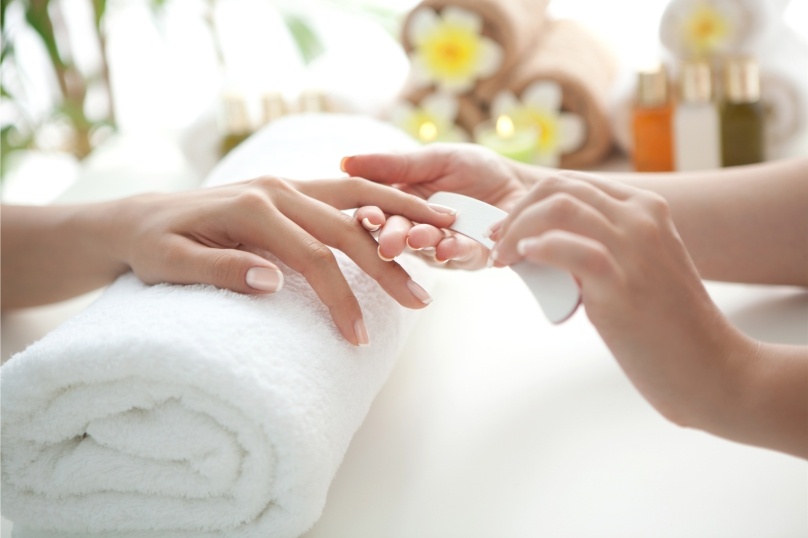
There’s no harm in the occasional manicure. However, choose a salon that displays a current licence or inspection certificate and check your individual technician is licenced too. Ask your technician not to remove your cuticles, as these are a key barrier against infection, and check that all tools are sterilised between clients.
If you’re more of a DIY manicurist, make sure your emery boards and clippers are clean and regularly replaced. Brands like Revlon and Cala offer effective tools at reasonable prices. Choose an acetone-free polish remover like those made by Cutex or Swan and give your nails a break from polish every now and then. A good hand and nail cream like Neutrogena or O’Keefe’s Hand cream will also reap rewards – or an insider tip is to use your lip balm, which often contain the moisturising ingredients your nails need. Try Carmex or O’Keefe’s Lip Repair for a multitasking hero!
Nails can be a great source of beauty and fun, but there’s no point damaging them in the process. Take care of your nails and you’ll get the health and the beauty – without the risk of infection.
Stephanie Simons is the head pharmacist at Lindo’s Pharmacy in Devonshire. She earned her Bachelor of Science in Pharmacy at Massachusetts College of Pharmacy and has been practicing for over 20 years. She is a registered pharmacist with the Bermuda Pharmacy Council and is a member of the Bermuda Pharmaceutical Association.