May 12, 2026
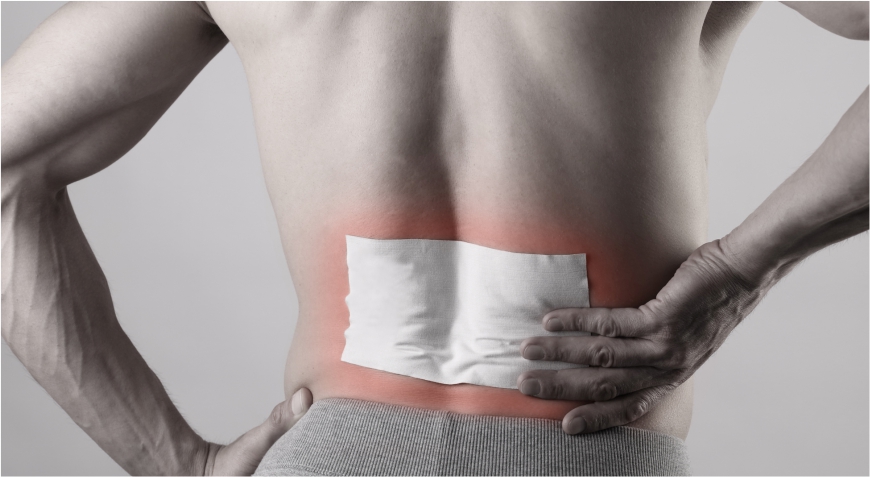
Pain-relieving patches, or heat patches for muscle stiffness, provide targeted relief over several hours.

By Stephanie Simons,
Head Pharmacist,
Lindo’s Pharmacy in Devonshire
The Bermuda Half Marathon Derby is for many of us the official start of summer. Cheering on friends and family is a great way to kick off the long holiday weekend. But maybe this year you are one of those brave souls actually running.
Not many of us can hope to match the standards of local legend Sir Stanley Burgess – who competed for 60 years, running his last race when he was 82. For most of us, just surviving 13 miles will be an accomplishment – with the added benefit of raising some money for a favourite charity.
If you are an entrant, your preparation will no doubt be in the final lap. But what about once you’ve crossed the finish line? Now is the time to visit Pharmacy Corner and stock up on a few items which, when the euphoria wears off and the exhaustion sets in, will speed you on the road to recovery.
REHYDRATE
Once you have staggered over the finish line, the first thing you need to do is rehydrate. Depending on the conditions, you can expect to lose up to two litres of water during the course of a half marathon. There are refreshment stations, to be sure, but afterwards the trick is to sip fluids – slowly! – to replace water and minerals. We have a great range of electrolyte drinks in tablet or powdered form, and a great range of flavours, from brand leaders like Nuun Sport, Pedialyte Sport and Voost, to help athletes of all levels replenish essential minerals lost during the course of a long run.
REFUEL
Fun fact: during a half marathon, you will burn enough energy to charge your iPhone for six months, according to Runner’s World magazine. Which, given energy costs at the moment, would be a neat trick. While scientists figure out how to do this, though, you will need to refuel your own batteries. Bananas, chocolate milk – or protein shakes (all available in our main shop) are good options for replenishing your energy levels quickly, and easy to pack in a post-race care bag.
CUT TO THE CHAFE
Thighs, groin, underarms – and nipples – are particularly prone to chafing in a half marathon. Most sports experts recommend that runners protect vulnerable areas with Vaseline (or if you object to petroleum-based products, a balm made with beeswax).
Once it’s all over bar the wincing, shower as soon as possible. Clean any raw areas gently with antibacterial soap (check out our selection!) and pat – do not rub – dry. Then apply a soothing barrier cream like Sudocrem (not just for babies, though it is available in our baby section).
OH, THE PAIN
Did you know that after a long race you may actually get shorter (temporarily!) because of tightened back muscles and fluid loss between the discs in your spine? Don’t panic! You’ll be standing tall again once you replenish your fluid levels. But what of the pain?
First off, take a beat. Experts recommend waiting two hours before you pop ANY painkillers – because you need time to rehydrate.
After that, avoid anti-inflammatories – NSAIDs like ibuprofen (Advil) or naproxen (Aleve). It may sound counter intuitive, but these types of painkillers can put a strain on your kidneys and actually increase the risk of dehydration. Acetaminophen also known as Paracetamol (Tylenol) is a much safer bet.
If you have a specific muscle strain, you can use a topical NSAID, like Voltarol, which will be less likely to affect your kidneys. But you could also opt for liniment (Bengay and Icy Hot offer a number of choices), most of which are free from NSAIDs. Topical magnesium creams (Theraworx) are also great for relaxing the muscles and easing cramping.
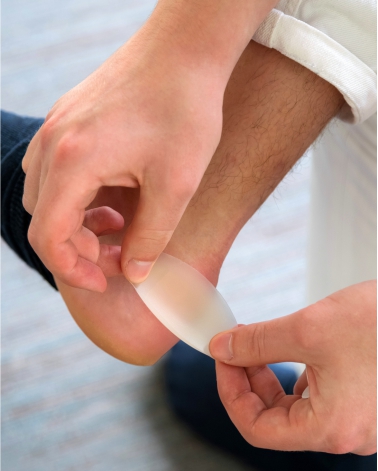
Hydrocolloid blister patches absorb excess moisture and form a protective cushion, providing instant pain relief and optimum healing conditions to protect blisters on the feet.
BRUISED TOENAILS
Not so fun fact: most half-marathon newbies are going to get at least one black toenail. This is the result of shoes that are too small, too big, too new – or even socks that are too tight – leading to a blood blister or bruise under the nail. There’s not much you can do about it. Just keep the affected nail(s) scrupulously clean and dry. And protect them, when wearing street shoes, with a sterile dressing.
BLISTERS
It’s worth checking out our footcare section, before the big day, to have a look for blister prevention plasters. But if it’s too late, and you’ve already got ‘em, an epsom salt foot (or full body) bath can’t hurt, and may soothe the pain and promote healing. You can even indulge using Lavender or Eucalyptus scented Dr. Teal’s Epsom Salts.
If your blister has burst it should be covered with a tight, clean bandage (after you’ve washed the area with soap and water) to prevent infection. A hydrocolloid patch, like the ones made by Compeed, is a good option.
Smaller blisters that have not burst can be protected with moleskin padding (Dr Scholl’s make this). Cut a patch bigger than the blister; then trim a hole in the middle with nail scissors, so the blister is open to the air, allowing it to dry out safely. Finally, cover with gauze.
Then, settle down and enjoy that sense of accomplishment! You have earned it!
Stephanie Simons is the head pharmacist at Lindo’s Pharmacy in Devonshire. She earned her Bachelor of Science in Pharmacy at Massachusetts College of Pharmacy and has been practicing for over 20 years. She is a registered pharmacist with the Bermuda Pharmacy Council and is a member of the Bermuda Pharmaceutical Association.
May 11, 2026
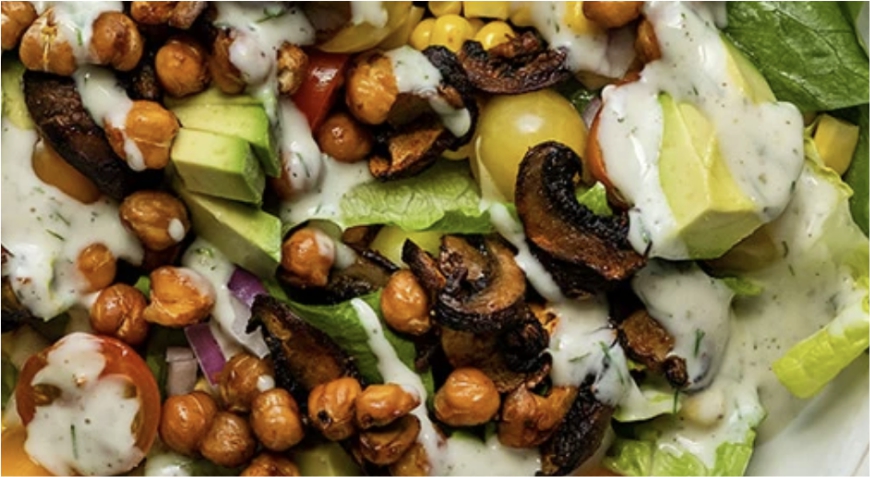
Recipe and photo from Forager Project.
This vegan cobb salad is crunchy, filling, and easy to make. Fresh veggies like romaine lettuce, corn, tomatoes, red onion, and crispy mushrooms get topped with a homemade yogurt ranch dressing for a salad even better than the classic!
Prep time: 15 mins • Cook time: 30 mins • Serves: 3
INGREDIENTS
- 15 oz can of cooked chickpeas, strained & rinsed
- 8 ounces mushrooms, sliced
- 2 tablespoons soy sauce
- 1 tablespoon oil
- ½ teaspoon garlic powder
- ½ teaspoon onion powder
- ½ teaspoon smoked paprika
- 3 romaine hearts, chopped
- 1 cup cherry tomatoes, cut in half
- 1 avocado, diced
- ½ red onion, diced
- ½ cup cooked corn
- ½ cup Forager Project Unsweetened Plain Cashewmilk Yogurt
- 1 tablespoon lemon juice
- 1 tablespoon fresh dill, finely chopped
- 1 teaspoon Dijon mustard
- 1 teaspoon onion powder
- ½ teaspoon garlic powder
- ½ teaspoon dried parsley
- ½ teaspoon salt
- ½ teaspoon ground pepper
- 1-2 tablespoons water (optional, to thin the dressing if needed)
DIRECTIONS
- First, make the crispy chickpeas and mushroom bacon. Preheat the oven to 400ºF and slice the mushrooms. Strain the can of chickpeas, rinse, and dry them completely before roasting.
- Next, add the chickpeas, sliced mushrooms, soy sauce, oil, garlic powder, onion powder, and smoked paprika to a baking sheet. Then, toss together until the mushrooms and chickpeas are completely coated in the seasoning.
- Arrange the mushrooms & chickpeas on the baking tray so they are not overlapping. Then, add the tray to the oven and bake for 30 minutes, flipping the mushrooms & chickpeas halfway through so they bake evenly. Once they are baked & crispy, remove and let cool before adding to the salad.
- While the chickpeas and mushrooms are baking, chop the veggies & make the dressing. First, chop the romaine hearts, slice the cherry tomatoes in half, dice the avocado into cubes, and finely dice the red onion. Set aside the veggies for later.
- Next, make the yogurt ranch dressing by adding the Forager Project Cashewmilk Yogurt, lemon juice, dill, Dijon mustard, onion powder, garlic powder, dried parsley, salt, and ground pepper to a bowl and whisking together until smooth. If the dressing is too thick, add 1-2 Tablespoons of water to thin it out to your desired consistency.
- To make the salad, add the chopped romaine lettuce, sliced cherry tomatoes, diced avocado, diced red onion, and corn to a bowl. Then, top with the crispy chickpea & mushroom bacon mixture. As a final step, pour on the yogurt ranch dressing. Dig in & enjoy!
For more delicious, dairy-free vegan recipes, visit Forager Project.
May 3, 2026

These Lemon Raspberry Sweet Rolls feature tender, flaky pastry filled with berries, and a lemon cream cheese frosting.
Prep Time: 25 minutes • Cook Time: 30 minutes • Rise Time: 1 hour 45 minutes • Total Time: 2 hours 40 minutes
Servings: 12 rolls
INGREDIENTS
Sweet Rolls Dough
- 3 tablespoons granulated sugar
- 1 cup whole milk, warmed
- 1/4 teaspoons active dry yeast (or 1 packet)
- 4 tablespoons unsalted butter, melted and cooled
- 1 egg, beaten
- 1 teaspoon salt
- 2 1/2 cups all purpose flour
Lemon Blueberry Filling
- 2 cups blueberries
- 3 tablespoons granulated sugar
- 1 tablespoon lemon juice
- 1 teaspoon lemon zest
Whipped Cream Cheese Frosting
- 1/2 cup unsalted butter, softened to room temperature
- 1 8 ounce package cream cheese, softened to room temperature
- 3/4 cup powdered sugar, or more as needed
- 1 tablespoon lemon juice
- 1 teaspoon vanilla extract
DIRECTIONS
Sweet Rolls Dough
- Grease a 9×13-inch baking pan and set aside.
- Dissolve the sugar into the warm milk and stir in the active yeast. Let the mixture sit for 5 minutes until frothy.
- Add the milk mixture, melted butter, egg, salt and half of the flour to a large mixing bowl or electric mixer with a dough hook. Beat for several minutes, gradually adding the remaining flour until the dough comes together and is slightly tacky.
- Roll the dough into a ball and place into a lightly greased bowl and cover with a damp towel or plastic wrap. Let the dough rise for 1 hour, or until doubled.
- Punch the dough down and roll out on a lightly floured surface into a 10×14-inch rectangle.
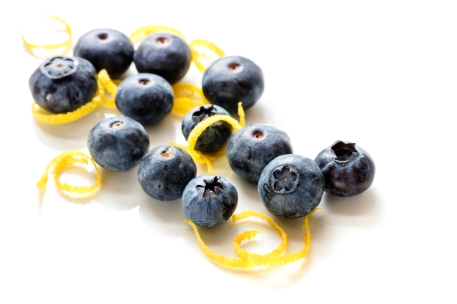 Lemon Blueberry Filling
- Mix the blueberries, sugar, lemon juice, and lemon zest together in a bowl and spread across the top of the rolled out dough, edge to edge.
- Roll the dough up lengthwise into a log. Slice the roll into 12 evenly sized pieces.
- Place the 12 roll slices into your prepared baking pan. Cover with a damp towel or plastic wrap and allow to rise for another 30-45 minutes or until doubled in size.
- When the dough is just about done rising, preheat oven to 350°F.
- Bake the sweet rolls for 25-35 minutes, or until fully cooked through. Allow to cool.
Whipped Cream Cheese Frosting
- While the rolls are baking, prepare your frosting.
- Beat the butter and cream cheese together with an electric mixer until smooth and creamy. Add the powdered sugar, lemon juice, and vanilla extract and continue to mix until smooth.
- Spread the prepared frosting across the top of the cooled rolls and serve.
May 3, 2026

The viral Raspberry Danish Latte was created by the Little Joy Coffee Shop in Minnesota, USA. They’ve shared a free home version of their recipe for anyone looking for a completely fresh, unique, and utterly delicious latte.
Raspberry Syrup
Ingredients
- 200g fresh raspberries
- 160g sugar
- 30g water
- 5g vanilla extract
Method
- In a small pot, combine the raspberries and sugar. Whisk until the raspberries begin to break down and form a loose slurry with the sugar.
- Add the water and bring to a gentle simmer. Let it cook for about 10 minutes, stirring occasionally, until the raspberries are fully broken down.
- Strain through a fine mesh strainer, pressing and whisking the mixture through so some of the pulp makes it into the finished syrup. You want the final texture to land somewhere between a simple syrup and a purée. Store in the fridge for up to 1 week
Vanilla Cream Cheese Foam
Ingredients
- 50g heavy cream
- 30g cream cheese
- 20g whole milk
- 12g cane sugar
- 1g vanilla extract
- Pinch of salt
Method
- Let the cream cheese soften at room temperature for 15–20 minutes. In a small bowl or cup, mix the softened cream cheese and sugar until smooth. Add the heavy cream, milk, vanilla, and salt. Stir to combine, then froth with a hand frother until silky and pourable.
Drink Build
Ingredients
- 40–50g raspberry syrup
- 200g milk
- Double shot of espresso
- Vanilla cream cheese foam
- Fresh raspberry on a skewer, for garnish
Method
- Fill a 16 oz glass with ice. Pour 40–50g raspberry syrup over the ice, then add 200g milk. Pour in a double shot of espresso. Top with vanilla cream cheese foam and garnish with a fresh raspberry.
Apr 26, 2026

Nature is a great stress reliever. A walk along the beach, or around the Botanical Gardens (without checking your device every two seconds) can work wonders to restore your ‘joy’.
By Stephanie Simons,
Head Pharmacist,
Lindo’s Pharmacy in Devonshire
Welcome to Stress Awareness month. For most of us, stress – and being aware of it – is not something confined to April.
But what exactly IS stress? Can it ever be a good thing? And is there something we can do to combat it? (Spoiler alert: the answer is yes, and some helpful ‘weapons’ in this battle can be found right here in Pharmacy Corner.)
A BRIEF HISTORY
Stress has been around forever. We may think we live in stressful times – and we do. But historically, our ancestors had to deal with some pretty terrifying ‘stressors’, too, including attacks by wild animals.
But in those days, there wasn’t a name for it. ‘Stress’ is a shortening of ‘distress’; and back in the 1300s, it meant adversity. By the 1600s, ‘stress’ was being used by scientists to describe a force that could bend materials out of shape.
It was not till 1936 that an Austrian-born Hungarian scientist called Hans Selye, working out of McGill University in Canada, coined the term for humans.
The ‘Father of Stress’, as Selye became known, noticed in his days as a medical student in Prague that hospital patients shared certain symptoms, regardless of their illness. He had a hunch it was due to duress.
Later, at McGill, he did experiments on rats, subjecting them to more duress. This caused increased levels of hormones adrenaline and cortisol. And ulcers. So, he borrowed the term ‘stress’ from physics, to describe the ‘non-specific response of the body to any demand for change’.
In a bit of karma, perhaps, Selye himself came under pressure, late in his life, after suggesting smoking as a means of stressbusting – without revealing that he’d been funded by Big Tobacco.
IS STRESS A MENTAL ILLNESS?
No. Stress can be a cause of mental illness – leading to anxiety, depression or PTSD – and also a result of mental illness. But mostly it is a natural reaction to an incident. It’s only when it persists that it’s a problem.
 CAN STRESS EVER BE GOOD?
Yes. One type – ‘eustress’ – can be helpful, providing a burst of energy at crucial moments: when writing something on deadline, or giving a speech. Or in sporting competitions. It’s thrilling – like the feeling you get when riding a rollercoaster. And like a rollercoaster, it doesn’t last.
AND THE BAD KINDS?
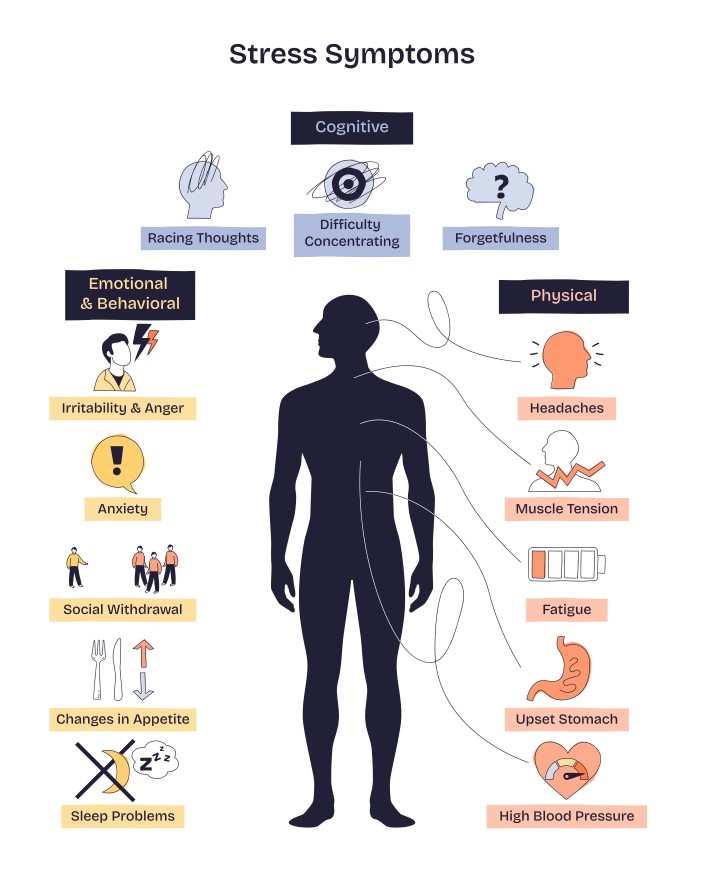
In this category, we have Acute Stress – a one-off, ‘fight or flight’ response to a specific event (a car accident, a big argument). Our body pumps adrenaline and cortisol into the bloodstream, increasing our heart rate and our energy levels, so we can escape from – or deal with – the problem. If Acute Stress recurs, it becomes Episodic Acute Stress. We see this in folks with high pressure jobs like ER staff, for instance.
And finally, there is Chronic Stress, when our body’s engine is revving away indefinitely. This can put strain on our heart, depress our immune system, and wreak havoc on our digestion.
HOW CAN I TELL IF MY GOOD STRESS HAS GONE BAD?
Constant irritability is one sign. A permanent state of dread is another. And, saddest of all, a ‘loss of joy’. Physical symptoms, like insomnia, digestive issues (loss of appetite) and exhaustion are also indicators. If they persist, you should talk to your GP.
WHAT CAN I DO ABOUT IT?!
Your doctor might recommend therapy or counselling.
But there are steps we can take on our own, too – and some of the tools we can use in the fight against stress can be found here, in Pharmacy Corner. Exercise is a great stressbuster, releasing endorphins into our system which help us to feel better.
A good night’s sleep is crucial, too. Here in the pharmacy, we have all sorts of sleep aids, from melatonin gummies to herbal bedtime teas. There are also supplements, for when you are feeling overwhelmed. Olly’s Goodbye Stress gummies are designed to restore calm, when you feel like life is getting on top of you.
Nature is a great stress reliever. A walk along the beach, or around the Botanical Gardens (without checking your device every two seconds) can work wonders to restore your ‘joy’.
Many people swear by aromatherapy. Lavender oil, used in a diffuser, or diluted in a ‘carrier oil’ and used for massage or in a bath, is soothing. (Although concentrated essential oils should never be applied directly to the skin.) Check out our selection the next time you pop in.
Stephanie Simons is the head pharmacist at Lindo’s Pharmacy in Devonshire. She earned her Bachelor of Science in Pharmacy at Massachusetts College of Pharmacy and has been practicing for over 20 years. She is a registered pharmacist with the Bermuda Pharmacy Council and is a member of the Bermuda Pharmaceutical Association.
Mar 23, 2026
By Stephanie Simons,
Head Pharmacist,
Lindo’s Pharmacy in Devonshire
SPRING is, er, springing out all over – and if you like to garden, now is the perfect time to get outside and do a bit of tidying, to make sure your beds and borders look their best come summer.
Spending time in the garden is not just good for your plants – it’s good for you, too: gentle exercise that soothes the soul. But sometimes we can get so caught up in our green-fingered chores that we overdo things. That’s when your friendly neighbourhood Pharmacy Corner can help. We’ve got plenty of remedies, to deal with the small mishaps which can occur.
First up, though: a big thing. Tetanus. Dirt and blood are a bad combo, and if you get a deep cut while gardening – particularly one inflicted by a rusty tool – and there is dirt in it, then tetanus (sometimes known as lockjaw, after the stiffness that is one of the telltale symptoms) should be a concern. While this is a much less common threat than it used to be, thanks to widespread vaccination, the bacteria which causes the tetanus infection is still commonly found in soil and manure. In the UK in 2024, two out of every three cases reported was the result of a gardening accident.
When was the last time you had a tetanus shot? The Department of Health recommends getting one every ten years, as an adult (when it’s combined with a vaccine to prevent diptheria, in the so-called Tdap booster). If you’re not sure whether you’re up to date, contact the health department and ask for an ‘immunisation report’.
Now that that’s out of the way, we can move onto the smaller things.
YOU CUT ME…
There are plenty of ways to get cuts or grazes in the garden, and often you are so focused on the job in hand that you fail to notice till later. Assuming it’s not a large wound (see tetanus terror, above), then you can probably deal with it yourself. Clean the wound well with soap and water, making care to wash out the dirt. Then it’s time for a good disinfectant/antibiotic. Bactine Max wound wash is an excellent option. Or just plain TCP or Dettol, diluted (one part disinfectant, to two-three parts water).
For those of us with a low pain threshold – no shame! – Bactine Max pain relieving cleansing spray is a must for the medicine shelf. It does what it says on the label, thanks to a small amount of lidocaine.
We also stock plenty of bandages – including wrap-around options for fingers – from market leaders Bandaid, Curad and Nexcare.
Antibiotic ointment is always good to have on hand. Ask one of our helpful pharmacists for help.
For bumps and bruises, why not investigate an alternative option – like Arnica? Made from the roots and flowers of the ‘mountain daisy’ or wolf’s bane, it’s usually found in cream or gel form, and is great for bumps and bruises, reducing swelling and easing pain when used topically (though you should never apply it to broken skin or, worse, swallow it).
OH MY ACHING BACK
Bending over to attack those weeds may be satisfying – but it can also leave you with a killer case of backache. We can help there, too. Tylenol Precise contains the maximum (over the counter) amount of lidocaine, to silence back and joint pain (and features a roller ball top, for easy application). IcyHot’s range promises instant relief – thanks to a formula which simultaneously cools and warms (just like it says on the label). And don’t forget old favourite Bengay: a tried and tested option beloved by many Bermudians.
DON’T BUG ME
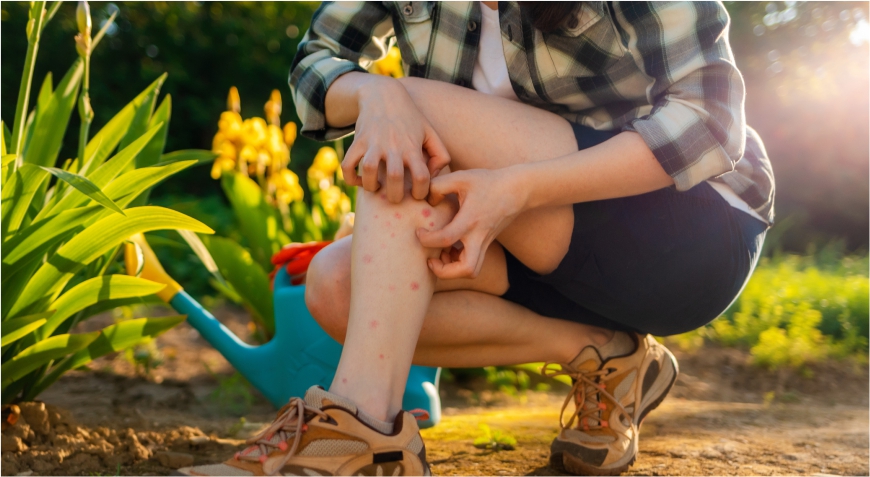
Thanks to the recent downpours, there may well be standing water in your garden – keep an eye out for pots or containers that have become breeding grounds for mosquitos and empty them. If you do get bitten, apply a mild (1 per cent) hydrocortisone cream as soon as you can, to limit the swelling. Later, you can use Anthisan bite and sting cream to ease that infernal itching.
NAILING IT
Once you’re done for the day, scrub the dirt from under your fingernails with a bar of Surly Soap (Mild). Half soap, half exfoliator, it will leave your hands clean as a whistle. We also have nail brushes to get rid of any stubborn dirt. Handy for keeping on the side of the sink, ready to bristle into action.
And now: get gardening!
Stephanie Simons is the head pharmacist at Lindo’s Pharmacy in Devonshire. She earned her Bachelor of Science in Pharmacy at Massachusetts College of Pharmacy and has been practicing for over 20 years. She is a registered pharmacist with the Bermuda Pharmacy Council and is a member of the Bermuda Pharmaceutical Association.