Mar 20, 2023

By Stephanie Simons,
Head Pharmacist,
Lindo’s Pharmacy, Devonshire

Women’s health differs from that of men in many unique ways.
Every March, we celebrate Women’s Month and the efforts, achievements, and force of womankind. However, amongst this applause is an equally important campaign for equality – a goal that unfortunately remains elusive in the US and worldwide. From pay to domestic labour, the imbalance between men and women is still rife throughout society – and healthcare is far from exempt.
A lack of research
So why are women facing inequality when it comes to their health? A key reason is research. Women’s health remains highly unresearched which, in turn, results in poorer health outcomes.
Throughout history, the majority of research and drug trials have been conducted on male participants on the (inaccurate) assumption that women are simply ‘smaller men’. Even when women have been included, they have only participated in tests during the early follicular phase of their menstrual cycle, when hormone levels are at their lowest and they are most like men.
As a result, critical drugs, treatments, and cures are not as effective on women – many have even been found to be harmful. Dosages can often be incorrect leading to adverse reactions, and inaccurate diagnoses are far more common. For example, women are 50 percent more likely to be misdiagnosed after a heart attack – unsurprising as they made up only a quarter of participants in core trials for congestive heart failure between 1987 and 2012.
 Gynaecological conditions
The Food and Drug Administration (FDA) in fact excluded females of ‘child-bearing potential’ from clinical trials from 1977 through 1993. The fear was that new treatments might harm their fertility, yet this has left a significant gap in the understanding of women’s fertility as well common gynaecological conditions that impact countless women’s lives.
Endometriosis, for example, is thought to impact approximately 11% of women worldwide. This condition causes severe pelvic pain especially during periods or after sex and can be debilitating for those who suffer from it. Despite its life-limiting symptoms, however, it can take up to 8 years for women to be diagnosed and treated.
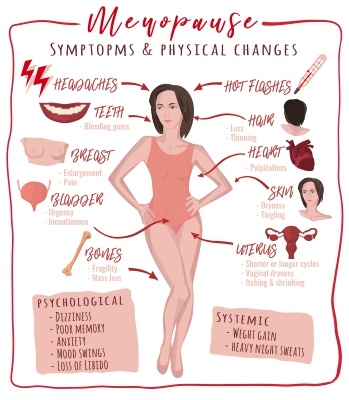
Similar issues like heavy menstrual bleeding, pregnancy complications, and menopause symptoms can often be overlooked too. Despite the debilitating – and sometimes fatal – impact menopause can have on women’s mental health, it is still difficult for women to access support and medications such as hormone replacement therapy (HRT), often due to a lack of understanding.
A wider impact
As we all know, when your health isn’t great, it can impact widespread areas of your life. With reduced access to effective healthcare, women are therefore placed at a disadvantage in the wider world.
Take the workplace, for example. With less effective treatment, women with health struggles are less able to participate and progress in the working world. This is particularly evident in the large numbers of older women reducing hours or resigning from leadership roles due to insufficient treatment for menopause, thus reducing female representation at senior levels.
What can be done?
The good news? Things are changing. Thanks to campaigns like International Women’s Day, awareness of this disparity is growing, prompting new studies, procedures, and treatments to help address the imbalance and improve women’s access to effective health care.
In the meantime, your pharmacist is here to help. Pregnant? We can provide vital support, advice, and a wide range of helpful products like supplements (try Pregnacare or Materna) to keep your iron levels up) and stretch mark creams like Bio-Oil or Palmer’s Stretch Mark cream. Going through the menopause? We can advise on therapies like HRT and offer cooling products like Estroven, Evening Primrose Oil or Culturelle to help with digestive issues that can arise during this time.
Whatever your gender, we will provide support and advice to help you feel your best. We will do our best to rectify any health inequalities and promote better health care for women in the years to come.
If you are concerned about your health, please contact your GP as soon as possible.
Stephanie Simons is the head pharmacist at Lindo’s Pharmacy in Devonshire. She earned her Bachelor of Science in Pharmacy at Massachusetts College of Pharmacy and has been practicing for over 20 years. She is a registered pharmacist with the Bermuda Pharmacy Council and is a member of the Bermuda Pharmaceutical Association.
Feb 21, 2023

By Stephanie Simons,
Head Pharmacist,
Lindo’s Pharmacy in Devonshire
Few conditions are as common – and yet as ill-understood – as tinnitus. Taking place in February, Tinnitus Awareness Week seeks to improve knowledge and understanding of tinnitus to ensure sufferers are aware of the help available, and that those around them can offer support.
Tinnitus is an audiological and neurological issue affecting more than 10 percent of adults in the US – more than 25 million adults – according to the National Institute of Deafness and Other Communications Disorders (NIDCD). Of those, approximately five million suffer from chronic tinnitus, and up to two million find it debilitating.
Often misconstrued as a health condition itself, tinnitus is in fact the symptom of one of many underlying conditions. Those who suffer from tinnitus hear ringing, buzzing, whooshing, or other sounds that aren’t audible to others around them. The sounds are often specific to the individual – as are the underlying causes.
While still not fully understood, most medical experts consider tinnitus to be caused by a sensorineural reaction in the brain to auditory system damage. It often follows age-related hearing loss thus tinnitus is highly prevalent among the elderly. Tinnitus can be the result of prolonged exposure to loud noise and is therefore common amongst those who work with music or heavy machinery. It can also occur following a single high-volume incident like an explosion.
There’s currently no direct cure for tinnitus, but health professionals can often treat your symptoms by addressing the underlying cause. If your tinnitus continues for more than a week and/or impacts your mental health, sleep, or concentration, it’s best to speak to your GP. They can either diagnose and treat the cause of your tinnitus, or provide a referral to an appropriate specialist. A wide range of professionals can assist in this process, from audiologists and otolaryngologists to psychologists, licensed clinical social workers, dentists, and physical therapists.
Tinnitus can also occur – or worsen – due to blockages in the ear canal that cause pressure to build in the inner ear impacting the eardrum. Ear wax, loose hair, and dirt can often cause this type of blockage and sometimes directly touch or irritate the eardrum itself further exacerbating tinnitus symptoms.
In such cases, you can help to ease the problem by treating the blockage. Steam is a good way to break it down, so try taking a shower or pressing a warm flannel against the ear. Oil-based products like Cerumol olive oil ear drops or Waxol ear drops can help to clear your ear canal, as can hydrogen peroxide or carbamide peroxide or products like Murine ear drops. Mix the peroxide with warm water and use a dropper to apply it to the ear.
Tinnitus symptoms can often arise due to nasal congestion from a severe cold, flu, or sinus infection that can cause pressure in the ear. In this case, treating the congestion can help to ease the tinnitus symptoms. Try a nasal spray like Otrivine, or decongestion medication like Sudafed to lessen the internal pressure.
Tinnitus can be a frightening experience, but there is plenty of help available. By identifying the cause, we can identify the treatment – so do seek help as soon as you can. Your pharmacist or GP can provide expert advice, from decongestion remedies to specialist services to help ease your symptoms and your mind.
Stephanie Simons is the head pharmacist at Lindo’s Pharmacy in Devonshire. She earned her Bachelor of Science in Pharmacy at Massachusetts College of Pharmacy and has been practicing for over 20 years. She is a registered pharmacist with the Bermuda Pharmacy Council and is a member of the Bermuda Pharmaceutical Association.
Dec 14, 2022
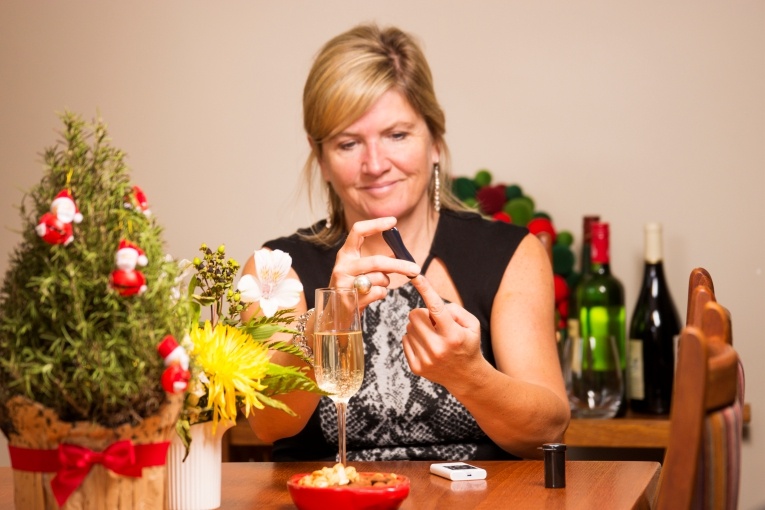
Managing diabetes is difficult year-round, but it can be especially hard during the holidays.
By Stephanie Simons,
Head Pharmacist,
Lindo’s Pharmacy in Devonshire
The holidays can be a stressful time for everyone. However, those with chronic health conditions often face a range of further challenges – many of which are invisible to those around them. So how can people facing Christmas with a chronic illness navigate the holidays in a healthy way? And what can friends and family do to help?
A chronic illness is an ailment or disease that has lasted more than a year and requires ongoing medical attention and/or limits daily activities. Common examples include diabetes, arthritis, depression, asthma, and irritable bowel syndrome (IBS). Symptoms are different for everyone, but there are ways that people with such conditions can maintain their health without missing out on the festive fun.
Stay calm
Panic and anxiety can cause flare-ups and aggravate symptoms, so try to plan time for winding down. Meditation can be particularly helpful this time of year, but anything you find relaxing will be beneficial. Dedicating a space or room will also help – especially if it’s kitted out with your favourite book, candles, or activities. Essential oils can promote a calming atmosphere: try Nature’s Truth Calming blend, Stress Eaze or Aura Cacia essential oils.
Prepare, prepare, prepare
There’s no need to pack everything into the holiday season. By spreading the shopping, cooking, and decorating over a larger amount of time, you’ll spare yourself the stress of trying to do it all at once. Many seasonal foods can be prepared and frozen long before the festivities begin, whilst online shopping requires far less time and energy than a chaotic trip to the mall.
If you take regular medication, it’s essential to fill your prescriptions in plenty of time. Many health services are closed or have shortened hours over the holidays, so plan ahead to ensure you have everything you need. It’s also a good idea to find out where you can seek help should you need it. See Lindo’s Pharmacy opening times for more information and guidance. Our holiday hours will be posted in the newspaper and at the store. You can also contact us by email and order prescription refills online or via our refill App which you can download to your cell phone.
Prioritise sleep
Sleep is crucial when managing a chronic illness, so it’s important to maintain your schedule no matter what time of year. If you need more sleep than your family or guests, let them know so they understand your needs. If you’re travelling this Christmas, incorporate time for recovery into the plans, so you don’t become overwhelmed.
Tasty treats
Over the holidays, it’s easy to fall into bad eating habits, especially when there is so much delicious food around. However, many require a specific diet to manage their chronic illness, and it’s vital that you know your limits. Stock up on tasty treats you know you can tolerate so you’re not constantly tempted by more harmful options. If you’re visiting friends or family, let them know your dietary needs in plenty of time.
Friends and family
If you’re spending the holidays with someone with a chronic illness and you’re not sure how to help, the best thing to do is ask. Most people are happy to discuss their needs and will appreciate your consideration. Just remember, everyone is different, so don’t make assumptions on someone’s behalf. Your pharmacist can also advise on welcoming guests with particular conditions.
As a host, it can help to communicate a clear plan for your gathering so guests can do the necessary preparation to manage their symptoms on the day.
It can be a difficult time of year if you’re coping with chronic illness – but don’t be too hard on yourself. Christmas is a team effort in every family, and there’s no need to battle through alone. If you’re concerned about the holidays, you can always speak to your pharmacist or GP who will help you plan how to manage your symptoms during this time.
Happy Christmas from everyone at Lindo’s!
Stephanie Simons is the head pharmacist at Lindo’s Pharmacy in Devonshire. She earned her Bachelor of Science in Pharmacy at Massachusetts College of Pharmacy and has been practicing for over 20 years. She is a registered pharmacist with the Bermuda Pharmacy Council and is a member of the Bermuda Pharmaceutical Association.
Nov 14, 2022
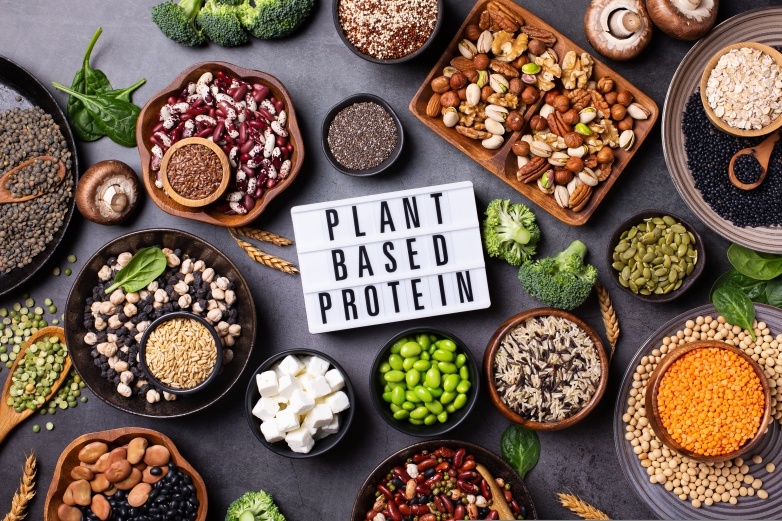
Most vegans don’t consume meat, dairy, or eggs. However, there’s an abundance of plant-based protein options available such as tofu, legumes, nuts, seeds, and grains.
By Stephanie Simons,
Head Pharmacist,
Lindo’s Pharmacy in Devonshire
We’ve all seen the rise in vegan diets over the past decade, and it’s now thought that at least 10% of adults in the US no longer eat meat. From social media stars to Hollywood actors, many are keen to promote the benefits of a vegan or plant-based diet. However, as with most diet trends, there are many myths and legends surrounding veganism, and it’s important to understand the true impact it can have on our bodies.
Is veganism good for you?
There is considerable evidence that plant-based diets are good for your health – if you do it the right way. A diet rich in whole grains, fruit and vegetables, beans, nuts and seeds will provide antioxidants, fibre, vitamins and minerals – and therefore a wealth of health benefits.
Vegans have been found to have lower blood sugar levels, and their risk of developing Type 2 diabetes is almost 80% lower than meat-eaters. Vegans are thought to be at least 15% less likely to develop cancer and the National Cancer Institute claims that a diet rich in plants is particularly effective in reducing the risk of stomach, lung, mouth and throat cancers.
Those following plant-based diets are statistically less heavy and more agile than meat-eaters, reducing their risk of obesity and its corresponding complications – such as heart disease. Some studies also suggest a vegan diet can lesson symptoms of rheumatoid arthritis including stiffness, swelling and inflammation.
Can veganism harm your health?
As with any diet, poor planning, processed foods and/or a lack of diversity can cause health problems. A vegan diet without the necessary variety of wholegrains, vegetables and pulses can result in insufficient levels of vitamins like B12 and D, as well calcium and Omega-3 fatty acids.
Vitamin B12 is essential for maintaining a healthy nervous system and releasing energy from food. It’s only naturally present in animal products like meat, fish and eggs – however, the small amount our bodies require can be easily consumed through fortified cereals, non-dairy milks and nutritional yeast. Many vegans and vegetarians also take a B12 supplement like N.B. Vitamin B-12 tablets or Nature’s Truth B-12 Gummies to ensure they meet their bodies’ needs.
Without dairy products, vegans are also at risk of calcium deficiency. Green, leafy vegetables, pulses and fortified non-dairy milks can provide the required amount. It’s also important to ensure sufficient Vitamin D intake, as this regulates calcium, helping to maintain strong bones, teeth and muscles. Take in sunlight when you can and try a supplement like Hello Bello or Rainbow Light multivitamins or a combined calcium-Vitamin D tablet like N.B. Calcium with D or Rainbow Light Calcium – especially during the winter months.
Omega-3 fatty acids, predominantly found in fish, are key for a healthy brain, metabolism and heart. Chia seeds, flaxseeds, rapeseed oil and walnuts are great plant-based sources, and you can add a supplement like N.B. Flaxseed Oil if you need that extra boost.
What about protein?
One of the key misconceptions surrounding veganism is that it provides insufficient protein. However, research has found no difference in the protein intake vegans compared with meat-eaters. Foods like seitan (wheat gluten), tofu and tempeh are all rich in protein, whilst lentils and beans are also highly effective sources. Peas, oats and seeds can help increase protein intake, while some like to add a protein powder like Sun Warrior Protein to porridge or smoothies to keep their levels up.
Is veganism for me?
The food you choose to eat is a highly personal decision and its important not to feel pressured into a certain diet or lifestyle. We know that by adding more plant-based food to your diet, you can improve your health and reduce your risk of serious illness, but this doesn’t necessarily mean removing other foods all together. If you’re concerned about your diet or considering making changes, do speak to your pharmacist who can advise on small changes that will make a great difference to your health.
Stephanie Simons is the head pharmacist at Lindo’s Pharmacy in Devonshire. She earned her Bachelor of Science in Pharmacy at Massachusetts College of Pharmacy and has been practicing for over 20 years. She is a registered pharmacist with the Bermuda Pharmacy Council and is a member of the Bermuda Pharmaceutical Association.
Oct 23, 2022

A child with ADHD can prove challenging for parents and the wider family to manage. Children with hyperactivity will often run around or climb at inappropriate times and/or places and some have little sense of danger.
By Stephanie Simons,
Head Pharmacist,
Lindo’s Pharmacy in Devonshire
Family, school, work – it can be hard to focus sometimes. However, for some people, this is not an occasional difficulty, but a diagnosed mental health condition.
Attention Deficit Hyperactivity Disorder (ADHD) is defined as an ongoing pattern of inattention and/or hyperactivity that impacts everyday functioning. ADHD Awareness Month aims to improve knowledge of this neurodevelopmental disorder, its various treatments, and helpful ways to manage it.
Children
For children, ADHD can disrupt their development and education due to their inability to focus and distraction-prone nature. Symptoms to look out for include a failure to focus on schoolwork or activities, difficulty listening or following instructions, losing key items like stationery or glasses, and general forgetfulness.
Hyperactivity and impulsivity, meanwhile, refer to a slightly different set of symptoms. Fidgeting and difficulty remaining seated is common, as well as excessive talking, interrupting and impatience. Children with hyperactivity will often run around or climb at inappropriate times and/or places and some have little sense of danger.
A child with ADHD can prove challenging for parents and the wider family to manage. However, once diagnosed, your GP (and expert support team if required) can advise on a variety of treatments and techniques to help you and your child. Specifically chosen and tailored to individual children, treatment plans could include psychological therapies like cognitive behavioural therapy (CBT), social skills training, school-based interventions and/or medication. This plan will be fluid and regularly adjusted to suit the child’s needs and age.
Some parents also choose to adjust their child’s diet to incorporate more foods that facilitate focus – and reduce those that exacerbate ADHD symptoms. While research is inconclusive regarding a definitive diet for those with ADHD, some find that high-protein foods, particularly in the morning and straight after school, can help children’s concentration and potentially help ADHD medications to last longer. It may also be helpful to moderate foods high in sugar and/or E-numbers (certain artificial colours and preservatives in food) as they can worsen hyperactivity.
Adults
While ADHD always begins in childhood, many people continue to experience it in later years, and some are not diagnosed until adulthood. Symptoms change as people age; an adult with ADHD, for example, may shows signs of carelessness, poor organisation, impatience, irritability, and/or a propensity for taking dangerous risks.
Adults with ADHD will receive a treatment plan tailored to their age and symptoms. Your GP may prescribe medications such as Dexamphetamine or Methylphenidate which stimulate parts of the brain to help you focus. You may find therapies prove helpful, alongside or instead of medication, and some people take magnesium supplements like Calm or N.B. Magnesium which can help calm body and mind.
Omega-3 fatty acids are also recommended. Cold-water fish like tuna and salmon, as well as walnuts and Brazil nuts are good sources of Omega-3, while a supplement like Seven Seas Haliborange Omega-3 Chewies or N.B.(or Sundown) Omega-3 may help too. Vayarin, an omega compound, has recently been approved by the FDA as part of an ADHD management strategy.
If you’re concerned that you or your child may have ADHD, your pharmacist can be a simple place to start. We will provide further information on key symptoms and talk you through all possible causes including ADHD. Your GP will also be able to discuss this with you and to begin the process towards an official diagnosis. While it can seem scary at first, it’s good to remember that with a diagnosis comes treatment, advice, and support – for you and your family.
Stephanie Simons is the head pharmacist at Lindo’s Pharmacy in Devonshire. She earned her Bachelor of Science in Pharmacy at Massachusetts College of Pharmacy and has been practicing for over 20 years. She is a registered pharmacist with the Bermuda Pharmacy Council and is a member of the Bermuda Pharmaceutical Association.
Sep 28, 2022

By Stephanie Simons,
Head Pharmacist,
Lindo’s Pharmacy in Devonshire
Gynaecological cancer is not a pleasant topic – but it is a crucial one. As with the majority of cancers, the sooner its diagnosed, the better chance of recovery. This is why Gynaecological Cancer Awareness Month, a global event held every September, aims to spread the word about these cancers and their symptoms to help as many women and trans men as possible live long and healthy lives.
More than 70,000 people are diagnosed with gynaecological cancers every year in the United States. Gynaecological cancer encompasses the whole female reproductive system from the uterus, ovaries and fallopian tubes to the cervix, vagina and vulva. There are five different types of gynaecological cancer, each with its own risk factors, symptoms and mortality rates.
Cervical cancer
The cervix or ‘neck of the womb’ links the vagina to the uterus. The key symptoms of cervical cancer include unusual vaginal bleeding or discharge, pain during sex and pain in the lower back, pelvis and/or abdomen.
The majority of cervical cancer cases are caused by a human papillomavirus (HPV) infection. The HPV vaccine protects against many strains of HPV and children of all genders are recommended to have the vaccine from the age of 11. Regular Pap tests can also detect abnormal cells before they develop into cancer, and Bermuda has a lower mortality rate from cervical cancer than the OECD average due to early detection and treatment.
If you or your child have not had the vaccine, or you have any questions about cervical screening, do speak to your GP or pharmacist.
Ovarian Cancer
Ovarian cancer occurs in the ovaries, the organs that produce eggs for fertilisation. The risk of ovarian cancer increases with age, with the majority of cases found in people over fifty – yet it can occur at any time of life. Pain around the pelvis, bloating, nausea or difficulty eating are the key symptoms to look out for.
 Uterine cancer
The fourth most common cancer for women and trans men in the United States, uterine cancer occurs in the uterine tissues and has two different types. Endometrial cancer is the most common form, and occurs in the uterus lining. Obesity, high blood pressure and diabetes can increase the risk of endometrial cancer. Uterine sarcoma occurs in the uterine muscles or tissues and is far more rare, although radiotherapy can increase the risk. Unusual bleeding, spotting or discharge are the main symptoms of uterine cancer, whilst others include blood in your pee, pain during sex or abdominal pain.
Vulva cancer
The vulva is the external genitalia, including the labia, clitoris and the Bartholin’s glands on either side of the vagina. Vulvar cancer often affects the outer vaginal lips and occurs mostly in those over 65. The condition can be a progression of abnormal cells on the surface of the vulvar skin – vulvar intraepithelial neoplasia (VIN) – so it’s important to seek diagnosis and treatment if you are concerned about this. HPV and genital warts can also increase the risk. Pain, itching, soreness or lumps in the vulva can signify vulva cancer, as can unusual bleeding, discharge or warts.
Of course, there are many reasons and causes for these kinds of symptoms, but it is always better to check in with your GP or pharmacist to ensure that whatever your condition, you can be treated as quickly as possible. If you’re unsure about your symptoms or where to seek help, you can always speak to your pharmacist who can advise on your next steps and, for those experiencing more minor gynaecological conditions such as a yeast infection or UTI, recommend helpful remedies such as Canesten or Monistat vaginal inserts or Fluconazole which is taken by mouth for yeast infections or Phenazopyridine (Urinary Pain Relief) or Cymalon which ease the symptoms of an UTI.
If you have any of the symptoms outlined here or are concerned about gynaecological cancer, speak to your GP as soon as possible. And spread the word! Awareness can save many lives.
Stephanie Simons is the head pharmacist at Lindo’s Pharmacy in Devonshire. She earned her Bachelor of Science in Pharmacy at Massachusetts College of Pharmacy and has been practicing for over 20 years. She is a registered pharmacist with the Bermuda Pharmacy Council and is a member of the Bermuda Pharmaceutical Association.