
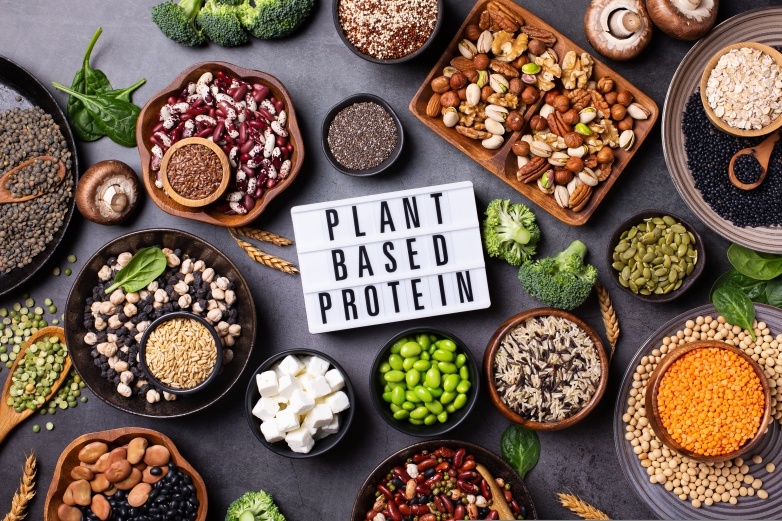
Most vegans don’t consume meat, dairy, or eggs. However, there’s an abundance of plant-based protein options available such as tofu, legumes, nuts, seeds, and grains.

By Stephanie Simons,
Head Pharmacist,
Lindo’s Pharmacy in Devonshire
We’ve all seen the rise in vegan diets over the past decade, and it’s now thought that at least 10% of adults in the US no longer eat meat. From social media stars to Hollywood actors, many are keen to promote the benefits of a vegan or plant-based diet. However, as with most diet trends, there are many myths and legends surrounding veganism, and it’s important to understand the true impact it can have on our bodies.
Is veganism good for you?
There is considerable evidence that plant-based diets are good for your health – if you do it the right way. A diet rich in whole grains, fruit and vegetables, beans, nuts and seeds will provide antioxidants, fibre, vitamins and minerals – and therefore a wealth of health benefits.
Vegans have been found to have lower blood sugar levels, and their risk of developing Type 2 diabetes is almost 80% lower than meat-eaters. Vegans are thought to be at least 15% less likely to develop cancer and the National Cancer Institute claims that a diet rich in plants is particularly effective in reducing the risk of stomach, lung, mouth and throat cancers.
Those following plant-based diets are statistically less heavy and more agile than meat-eaters, reducing their risk of obesity and its corresponding complications – such as heart disease. Some studies also suggest a vegan diet can lesson symptoms of rheumatoid arthritis including stiffness, swelling and inflammation.
Can veganism harm your health?
As with any diet, poor planning, processed foods and/or a lack of diversity can cause health problems. A vegan diet without the necessary variety of wholegrains, vegetables and pulses can result in insufficient levels of vitamins like B12 and D, as well calcium and Omega-3 fatty acids.
Vitamin B12 is essential for maintaining a healthy nervous system and releasing energy from food. It’s only naturally present in animal products like meat, fish and eggs – however, the small amount our bodies require can be easily consumed through fortified cereals, non-dairy milks and nutritional yeast. Many vegans and vegetarians also take a B12 supplement like N.B. Vitamin B-12 tablets or Nature’s Truth B-12 Gummies to ensure they meet their bodies’ needs.
Without dairy products, vegans are also at risk of calcium deficiency. Green, leafy vegetables, pulses and fortified non-dairy milks can provide the required amount. It’s also important to ensure sufficient Vitamin D intake, as this regulates calcium, helping to maintain strong bones, teeth and muscles. Take in sunlight when you can and try a supplement like Hello Bello or Rainbow Light multivitamins or a combined calcium-Vitamin D tablet like N.B. Calcium with D or Rainbow Light Calcium – especially during the winter months.
Omega-3 fatty acids, predominantly found in fish, are key for a healthy brain, metabolism and heart. Chia seeds, flaxseeds, rapeseed oil and walnuts are great plant-based sources, and you can add a supplement like N.B. Flaxseed Oil if you need that extra boost.
What about protein?
One of the key misconceptions surrounding veganism is that it provides insufficient protein. However, research has found no difference in the protein intake vegans compared with meat-eaters. Foods like seitan (wheat gluten), tofu and tempeh are all rich in protein, whilst lentils and beans are also highly effective sources. Peas, oats and seeds can help increase protein intake, while some like to add a protein powder like Sun Warrior Protein to porridge or smoothies to keep their levels up.
Is veganism for me?
The food you choose to eat is a highly personal decision and its important not to feel pressured into a certain diet or lifestyle. We know that by adding more plant-based food to your diet, you can improve your health and reduce your risk of serious illness, but this doesn’t necessarily mean removing other foods all together. If you’re concerned about your diet or considering making changes, do speak to your pharmacist who can advise on small changes that will make a great difference to your health.
Stephanie Simons is the head pharmacist at Lindo’s Pharmacy in Devonshire. She earned her Bachelor of Science in Pharmacy at Massachusetts College of Pharmacy and has been practicing for over 20 years. She is a registered pharmacist with the Bermuda Pharmacy Council and is a member of the Bermuda Pharmaceutical Association.