

By Stephanie Simons,
Head Pharmacist,
Lindo’s Pharmacy, Devonshire
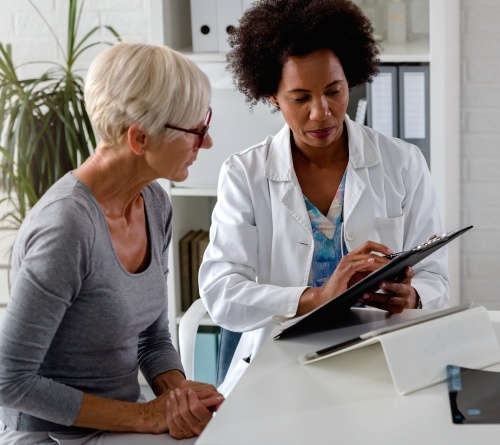
Women’s health differs from that of men in many unique ways.
Every March, we celebrate Women’s Month and the efforts, achievements, and force of womankind. However, amongst this applause is an equally important campaign for equality – a goal that unfortunately remains elusive in the US and worldwide. From pay to domestic labour, the imbalance between men and women is still rife throughout society – and healthcare is far from exempt.
A lack of research
So why are women facing inequality when it comes to their health? A key reason is research. Women’s health remains highly unresearched which, in turn, results in poorer health outcomes.
Throughout history, the majority of research and drug trials have been conducted on male participants on the (inaccurate) assumption that women are simply ‘smaller men’. Even when women have been included, they have only participated in tests during the early follicular phase of their menstrual cycle, when hormone levels are at their lowest and they are most like men.
As a result, critical drugs, treatments, and cures are not as effective on women – many have even been found to be harmful. Dosages can often be incorrect leading to adverse reactions, and inaccurate diagnoses are far more common. For example, women are 50 percent more likely to be misdiagnosed after a heart attack – unsurprising as they made up only a quarter of participants in core trials for congestive heart failure between 1987 and 2012.
 Gynaecological conditions
The Food and Drug Administration (FDA) in fact excluded females of ‘child-bearing potential’ from clinical trials from 1977 through 1993. The fear was that new treatments might harm their fertility, yet this has left a significant gap in the understanding of women’s fertility as well common gynaecological conditions that impact countless women’s lives.
Endometriosis, for example, is thought to impact approximately 11% of women worldwide. This condition causes severe pelvic pain especially during periods or after sex and can be debilitating for those who suffer from it. Despite its life-limiting symptoms, however, it can take up to 8 years for women to be diagnosed and treated.
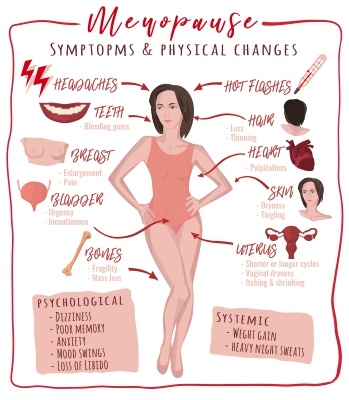
Similar issues like heavy menstrual bleeding, pregnancy complications, and menopause symptoms can often be overlooked too. Despite the debilitating – and sometimes fatal – impact menopause can have on women’s mental health, it is still difficult for women to access support and medications such as hormone replacement therapy (HRT), often due to a lack of understanding.
A wider impact
As we all know, when your health isn’t great, it can impact widespread areas of your life. With reduced access to effective healthcare, women are therefore placed at a disadvantage in the wider world.
Take the workplace, for example. With less effective treatment, women with health struggles are less able to participate and progress in the working world. This is particularly evident in the large numbers of older women reducing hours or resigning from leadership roles due to insufficient treatment for menopause, thus reducing female representation at senior levels.
What can be done?
The good news? Things are changing. Thanks to campaigns like International Women’s Day, awareness of this disparity is growing, prompting new studies, procedures, and treatments to help address the imbalance and improve women’s access to effective health care.
In the meantime, your pharmacist is here to help. Pregnant? We can provide vital support, advice, and a wide range of helpful products like supplements (try Pregnacare or Materna) to keep your iron levels up) and stretch mark creams like Bio-Oil or Palmer’s Stretch Mark cream. Going through the menopause? We can advise on therapies like HRT and offer cooling products like Estroven, Evening Primrose Oil or Culturelle to help with digestive issues that can arise during this time.
Whatever your gender, we will provide support and advice to help you feel your best. We will do our best to rectify any health inequalities and promote better health care for women in the years to come.
If you are concerned about your health, please contact your GP as soon as possible.
Stephanie Simons is the head pharmacist at Lindo’s Pharmacy in Devonshire. She earned her Bachelor of Science in Pharmacy at Massachusetts College of Pharmacy and has been practicing for over 20 years. She is a registered pharmacist with the Bermuda Pharmacy Council and is a member of the Bermuda Pharmaceutical Association.