Apr 22, 2024


By Stephanie Simons,
Head Pharmacist,
Lindo’s Pharmacy in Devonshire
We don’t live in a perfect world. Some are richer, some poorer. Some simply have better luck. But one injustice we can – and must – change is the health inequality in our society. Observed in April every year, National Minority Health Month shines a light on the disparities in health among different races and ethnicities and the changes we can all make to help ensure everyone has the same access to the care they need – and receives the same quality of care when they do.
The facts
The sad truth is that in many places, white people have much better health outcomes than those from ethnic minorities. Data from the US in 2021 showed that life expectancy for Black people was only 70.8 years compared to 76.4 years for white people.
Those from ethnic minorities are more likely to die from serious illness than white patients. Data from 2019 found that Black adults have the highest mortality rate of any racial and ethnic group for most major cancers. Black adults are also twice as likely to die from diabetes and 30% more likely to die from heart disease – this is something that is reflected in Bermuda.
What can we do about it?
As pharmacists, we play a key role in ensuring everyone has access to the education, information and care they need to live healthy lives. We are easily accessible for everyone in the community, whether they need plasters in multiple skin colours like J&J Band-Aid Our Tone, or guidance on serious conditions like diabetes.
By creating a space where people from all ethnicities and backgrounds are welcome, we help break down barriers to care and encourage people’s engagement in their own health. From providing expert advice on medications, to helping new moms stock up the diaper bag with Desitin or Daktarin cream, Tylenol or Ibuprofen drops and taking the time to check in with customers picking up their regular prescriptions, we support and encourage everyone to lead their healthiest lives.
But you don’t have to be a healthcare professional to help out. Community can play a significant role in ensuring those facing barriers to healthcare can access what they need, so take the time to support those around you. Speak up if you witness discrimination or have an idea to make your local health setting more accessible. And make sure to check your own biases too. We all have them and it’s important we challenge them.
If you or someone around you is experiencing health inequality, speak to your GP or pharmacist as soon as possible. We’re here to support everyone in living happy and healthy lives.
Stephanie Simons is the head pharmacist at Lindo’s Pharmacy in Devonshire. She earned her Bachelor of Science in Pharmacy at Massachusetts College of Pharmacy and has been practicing for over 20 years. She is a registered pharmacist with the Bermuda Pharmacy Council and is a member of the Bermuda Pharmaceutical Association.
Mar 18, 2024

By Stephanie Simons,
Head Pharmacist,
Lindo’s Pharmacy in Devonshire
The brain is the most important and complex organ in the body. It regulates and controls every process and function, from breathing and vision, to our thoughts, emotions and memories. So, what happens when this vital organ is damaged?
March is Brain Injury Awareness Month, a campaign which aims to help the general public bridge the gaps between our knowledge of this issue and the reality for those with brain injuries and their friends and family. While we all have some understanding of common conditions like a concussion, the majority of us know little about the long-term physical, emotional, behavioural, and cognitive effects people with brain injuries are battling every day. It’s therefore important that the wider public becomes more aware of this issue so we can better understand and support those around us who are impacted.
Minor injuries
Smaller brain injuries are often referred to as ‘mild’ or ‘minor’ traumatic brain injuries (mTBI). A common example is concussion, which refers to the brain shaking inside the skull resulting in mild damage. Usually occurring due to a bang to the head from a fall or vigorous sport, symptoms of concussion include a brief period of unconsciousness, nausea, or dizziness. These incidents make up approximately 95% of all brain injuries.
It’s important to remember many concussions or similar injuries do not result in unconsciousness, so look out for other symptoms too. If you are concerned you may have suffered a minor injury, speak to your pharmacist or GP straight away to assess your symptoms, and ascertain whether further medical assistance is needed. You should also make sure you’re not alone for 48 hours following the injury in case symptoms escalate.
Traumatic brain injuries
Resulting from external causes such as car accidents, viruses or physical assault, or internal health conditions like stroke, encephalitis or tumours – traumatic brain injuries (TBIs) incur more significant damage.
Strokes are a widespread issue in the US: someone has a stroke every 40 seconds – that’s more than 795,000 people a year. Stroke occurs when the blood supply to the brain’s network of blood vessels is disrupted. In an ischemic stroke, a blood clot blocks the blood flow, while a haemorrhagic stroke involves a leak of blood in the brain due to weakened blood vessels. Both starve the brain cells of oxygen, leading to serious damage.
Encephalitis, meanwhile, is the term for the inflammation or swelling of the brain. While less common than stroke, it is also life threatening and requires urgent medical attention. The causes of encephalitis are widely unknown, though some cases occur when viruses like herpes simplex (cold sores) or chickenpox spread to the brain.
Every TBI is different and can result in a unique combination of symptoms. Physically, you may experience a loss of sensation in the face, altered sense of smell or taste, dizziness and/or loss of hearing or vision. Many experience cognitive difficulties in attention, concentration or memory, while others may suffer from impaired communication skills such as problems following a conversation.
Seeking help
We can all do more to better understand brain injury and support those affected. Whether it’s for yourself, a family member or friend, or simply to boost your own awareness, your pharmacist is a great place to learn more about brain injury, the symptoms and how to seek support. We can offer advice and information, as well as provide gentle painkillers like Tylenol or Paracetamol, and equip you with first aid essentials like assorted bandages, smelling salts and gauze or a good First Aid Kit (like Curad brand) for all of life’s smaller accidents.
If you suspect concussion or more serious injury, contact your GP or medical professional as soon as possible – or, as for any emergency, call 911 straight away.
Stephanie Simons is the head pharmacist at Lindo’s Pharmacy in Devonshire. She earned her Bachelor of Science in Pharmacy at Massachusetts College of Pharmacy and has been practicing for over 20 years. She is a registered pharmacist with the Bermuda Pharmacy Council and is a member of the Bermuda Pharmaceutical Association.
Feb 15, 2024
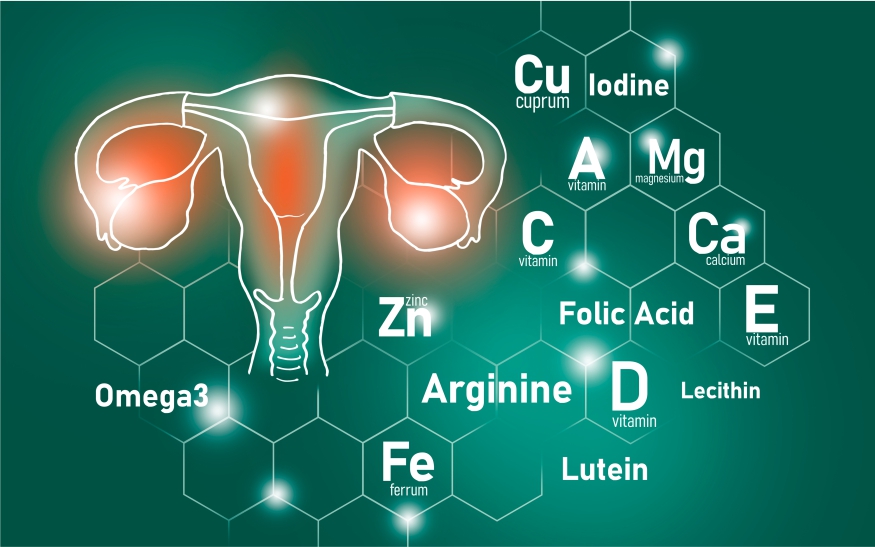
Vitamins and minerals are particularly vital in women’s reproductive health too, impacting ovulation, thyroid function, egg quality, and more.
By Stephanie Simons,
Head Pharmacist,
Lindo’s Pharmacy in Devonshire
We sing it in the playground – first comes love, next comes marriage…and what comes next? You’ve guessed it – the baby. These days, we’ve progressed far from this old schoolyard chant – families come in all kinds of shapes and sizes. But with so many conflicting stories circling from friends, relatives, and across social media, it can be hard to know what advice to follow when it comes to conceiving your baby. Luckily, we’re here to help.
The first step in conceiving is to halt your method of contraception. It might sound obvious but different kinds require different amounts of time before you can conceive. If you stop using condoms, for example, you can conceive straight away, whereas ending hormonal contraception such as the combined pill or implant can take a little longer for your body to allow conception. Speak to your pharmacist or GP if you’re unsure how long you might need.
It’s also a good time to check you’re ready too – in body and mind. If you have any pre-existing health issues such as diabetes or hereditary conditions you’re concerned may pass to your child, now’s the time to seek support. Your GP or pharmacist can help navigate health conditions and how they may impact your attempts to conceive.
It’s equally important to check your mental health too. Serious conditions such as schizophrenia can be triggered by pregnancy so it’s good to have a plan in place with your health care provider before conceiving. If you take any medication for your mental health, it’s important to discuss this with your GP so you can work out the best way forward – never stop taking medication without the supervision of your GP.
When you’re up to speed and ready to go, it’s helpful to know when you’re ovulating. This is the process when an egg leaves the ovaries and travels toward the uterus, occurring 24-36 hours after a surge of luteinizing hormone (LH). Ovulation tests can track the levels of LH present in your urine, thus helping you measure when you’re most likely to conceive. Simple and easy to use, tests like Clearblue or First Response make the process much run smoothly.
To maximise your chances, both men and women need to eat a healthy, nutritious diet, exercise regularly, and avoid alcohol, smoking, and recreational drugs. Vitamins and minerals are particularly vital in women’s reproductive health too, impacting ovulation, thyroid function, egg quality, and more. A folic acid supplement like N.B. Folic Acid or N.T. L-Methylfolate is vital for anyone looking to get pregnant, while iron (Ferrograd), Vitamin C (N.B. Vitamin C 1000mg), and Vitamin D (N.B. Vitamin D 2000IU) are all beneficial during this time. Vitabiotics also has a line of supplements called Pregnacare with formulas for pre-conception through to breastfeeding.
It’s also helpful to minimise stress however that works for you. Try a yoga class, a quick online meditation, or even some aromatherapy with a product like Nature’s Truth Calming blend. Your pharmacist and GP can advise on simple ways to improve your health, and thus your chances of conception.
If you struggle to conceive at first – there’s no need to panic. Everyone’s different, and approximately eight out of ten couples conceive naturally during the first year if the woman is under 40 years old. If you have undergone treatment such as chemotherapy, previously had a sexually transmitted disease, or you’re a woman in your mid-thirties or older, it’s a good idea to seek advice if you’re having trouble conceiving. Specialists can help identify what might be causing the difficulty and suggest the best options going forward from lifestyle tweaks to IVF treatment.
Whatever your family set-up, trying to conceive can be a tricky process to navigate. The most important thing is to look after yourself, both mentally and physically. Your pharmacist or GP is a great place to start these conversations and will help you find the support that’s right for you.
Stephanie Simons is the head pharmacist at Lindo’s Pharmacy in Devonshire. She earned her Bachelor of Science in Pharmacy at Massachusetts College of Pharmacy and has been practicing for over 20 years. She is a registered pharmacist with the Bermuda Pharmacy Council and is a member of the Bermuda Pharmaceutical Association.
Jan 17, 2024

By Stephanie Simons,
Head Pharmacist,
Lindo’s Pharmacy in Devonshire
After the excess of the holiday season, many look to January as a time for cleansing – whether that’s healthier food or a bit more exercise. Some people look to lower their alcohol intake or even stop drinking altogether. Reducing the amount of alcohol you drink can have countless benefits for your health, but it can take a lot of willpower, especially when socialising or if you’re feeling stressed.
Reducing or cutting out alcoholic drinks can improve your health in many ways. In the short term, you will feel fewer hangover symptoms like headaches, indigestion, low mood, or anxiety. It can lower your blood pressure and improve your skin, especially if you suffer from inflammation or rosacea. You’re also more likely to resist other unhealthy habits like smoking or junk food without the influence of alcohol.
Over time, your risk of serious conditions like heart disease, stroke, and cancer will lower the less you drink. Your immune system should get stronger, and you may experience improved mental health too. People who drink less also avoid many of the personal complications that alcohol can provoke, such as family arguments or job-related issues. You’ll be far less likely to develop a dangerous dependency on alcohol or other substances.
However, while we all know that less alcohol is better for our health, it can be tricky to cut down. Alcohol often forms a key part of our social lives, whilst also offering temporary relief from emotional issues and stress. But there are things you can do to keep yourself motivated.
Why do you want to stop drinking?
First of all, jot down a few notes about why you’d like to reduce your alcohol intake. Is it to improve your sleep? Boost your energy levels? Reduce your anxiety? Identify the reasons and write them down so you can return to them when you’re feeling unmotivated. It can also help to make sure your friends and family know you’re not drinking – and why. If they know ahead of time, they’re less likely to offer you alcoholic drinks and can offer support along the way.
Alcohol alternatives
Another key tactic is to identify some non-alcoholic drinks that you can sip on when you feel that craving. Lime and soda is a classic choice and one that’ll be available in most places. If there’s a particular tipple you fancy such as prosecco or G&T, many bars now carry alcohol-free versions of these popular choices – while many beer and lager brands now also offer a low or zero alcohol substitute.
Kombucha is also a popular alternative. A fermented drink, kombucha is made from sweetened tea and a symbiotic culture of bacteria and yeasts. Slightly fizzy, it comes in a variety of flavours and contains a wealth of antioxidants, probiotics, vitamins, and minerals – why not try GTs Kombuchas in a range of flavours?
Likewise, some people opt for CBD. CBD can provoke a relaxing response that soothes anxiety, stress, insomnia, and even pain – without the intoxicating, potentially dangerous effects of cannabis. An oil, like those made by USA Hemp or Upstate Elevator Company, is available in different strengths and has a stress-relieving effect.
Be kind to yourself
Above all, it’s important to treat yourself with compassion. It’s difficult to cut down or stop drinking and it’s perfectly normal to find it tough or have a slip-up – it doesn’t mean anything bad about you. Seek support from friends, family, your GP, or the local pharmacist – and reward small wins with a little treat.
It’s also important to note that stopping drinking suddenly can be very dangerous if you are dependent on alcohol. If you think you may be dependent – do not stop drinking all at once – instead, please seek advice from your GP.
If you need advice about alcohol and/or cutting down, you can always speak to your pharmacist who can offer advice and guidance on how to reduce your intake in a healthy, sustainable way.
Stephanie Simons is the head pharmacist at Lindo’s Pharmacy in Devonshire. She earned her Bachelor of Science in Pharmacy at Massachusetts College of Pharmacy and has been practicing for over 20 years. She is a registered pharmacist with the Bermuda Pharmacy Council and is a member of the Bermuda Pharmaceutical Association.
Dec 18, 2023

By Stephanie Simons,
Head Pharmacist,
Lindo’s Pharmacy in Devonshire
This time of year, we tend to think about chocolates, movies and mince pies for all! While it’s perfectly fine to treat your friends and family with indulgent gifts, the best presents can help improve their lives – and a great way to do that is to boost their health. A pharmacy might not be the first stop for your holiday shopping, but you might be surprised to find some great options available that make your loved ones feel great!
Vitamin gummies
Vitamins come in many forms, from traditional tablets to sachets that dissolve in drinks. You can also take your daily vitamins as a gummy sweet! More luxurious, they’ll give your loved ones all the benefits of a vitamin tablet with the added fun of a sweet treat.
Choose Vitamin A like Nature’s Truth Beta-Carotene (which is converted to vitamin A in the body) to helping their body’s natural defence against illness and infection, Vitamin B (Berocca, B-Complex) to support the nervous system and energy release, or Vitamin C (Redoxon, Haliborange, Emergen-C), helping to protect cells and keep them healthy, maintaining healthy skin, blood vessels, bones and cartilage. Unsure which would suit? A multi vitamin like Centrum, One-A-Day or Rainbow Light tablets or gummies is a great all-rounder!
Relaxation
Has your friend or family member had a stressful year? The pharmacy has a wide range of products to help them find calm. Bath salts or oils like Aura Cacia or Nature’s Truth Essential oils can turn a simple bath into a luxurious experience that helps relax after a hard day. Candles like Glade are also a brilliant way to introduce aromatherapy to anywhere in the house.
CBD products can also help reduce anxiety and improve sleep. Though originating in the same marijuana plant as Tetrahydrocannabinol (THC) – the psychoactive drug more commonly known as ‘weed’ – CBD is a different chemical compound, without the intoxicating, potentially dangerous effects of THC.
With a calming affect but none of the dangerous properties of cannabis, CBD oils and tablets (USA Hemp or Upstate Elevator Company), or drinks like Trip are an effective way of calming anxiety, stress or as an alcohol alternative for those reducing their intake.
Beauty products
Skin care is a popular festive gift, but there’s no need to pay a premium for luxury brands. Pharmacies sell brands we trust to treat skin effectively without the luxury mark-up. For oily skin, try something with salicylic acid like Neutrogena Acne or Aveeno Calming, while dry skin will love a rich moisturiser like Cerave, Cetaphil and Aveeno. For sensitive skin, try a calming, fragrance-free product like Epaderm or Hydromol.
If your loved one is more into hair care, a moisturising hair mask like Cream of Nature Honey Avocado or Whole Blends Honey Treasures works wonders on all hair types. Argan Oil hair mask is also a popular choice for anyone who uses heat styling, as it protects and adds shine!
Pregnancy gifts
Expecting a grandchild? Neice or nephew on the way? If there’s a special expectant mother in your life around, the pharmacy is the perfect place for festive shopping. Folic acid products like N.B. Folic and Pregnacare are very helpful for all pregnant women, but if looking for something more comforting, body oils like Bio-Oil can help calm itchy stomachs and reduce stretch marks, or specialist teas like Roobios and Red Raspberry Leaf can soothe discomfort in the later months.
Stay safe
Health is a personal thing and you shouldn’t buy medicinal products for someone else. When shopping for gifts, it’s a good idea to have a chat with your pharmacist. Not only can we make helpful suggestions, but we can make sure products like vitamins are suitable for the recipient and don’t have any risks attached. Receive a gift from a pharmacy? We can help there too.
So, if you’re wondering where to start with the holiday shopping, why not start at the pharmacy? For what gift could be better – than good health?
Stephanie Simons is the head pharmacist at Lindo’s Pharmacy in Devonshire. She earned her Bachelor of Science in Pharmacy at Massachusetts College of Pharmacy and has been practicing for over 20 years. She is a registered pharmacist with the Bermuda Pharmacy Council and is a member of the Bermuda Pharmaceutical Association.
Nov 9, 2023

By Stephanie Simons,
Head Pharmacist,
Lindo’s Pharmacy in Devonshire
As the winter nears, it’s not unusual for us all to feel an end of summer slump. But what happens if the slump doesn’t lift? Thankfully, mental health has become a more talked-about topic in recent years but for some, it remains very difficult to discuss or indeed to get help. This is especially true among men.
As we head towards International Men’s Day, it’s important to check in on the men in our lives and offer support if they are showing signs of poor mental health.
Men’s mental health
Millions of men in the US suffer from mental illness of some sort. More than six million men suffer from depression, with many more going undiagnosed, and at least three million have panic disorder, agoraphobia or another phobia. LGBTQ+ men are even more likely to suffer from mental health issues, as are those living with disabilities.
However, research shows men are far less likely to seek support for mental health problems. There is still a lot of pressure on men and boys to hide their emotions, and many feel that struggling with mental issues shows weakness or a lack of masculinity. Evidence suggests that as little as 40% of men with mental health conditions receive mental health support, and men are more likely to turn to substance misuse instead.
The sad truth is that without the support they need, men are far more likely to end their own lives. The suicide rate among males in 2021 was four times higher than for females – and suicide is the leading cause of death in men under 50. Rates are higher among men with lower incomes and/or within minority communities.
Symptoms
While many symptoms are the same for all genders, men have been found to exhibit certain specific signs. Many become angry, irritable or aggressive, and engage in more risky behaviour than usual such as reckless driving or drug misuse. Men are also more likely to engage in escapist behaviour, spending far more time at work or the gym, and to suffer physical symptoms like headaches, or digestive problems.
How to help
For those worried about their own mental health, there are simple ways to give your mood a boost, from spending more time in nature to paying more attention to your emotions and taking the time to explore and reduce what may be causing feelings of sadness or anxiety.
While it may be tempting to use alcohol or drugs to improve your mood, this can have a more negative impact longer term, impacting work, family and other key relationships. The most important thing is to talk to someone, whether that’s a friend, family member, GP or pharmacist so you don’t feel alone and can get some helpful advice on how to proceed.
If you’re worried about someone close to you, it’s important to maintain contact, as many people – men, in particular –find it difficult to reach out. Let them know you’re available to listen to them and take the time to talk through their problems. Try not to leap to judgements or insist on the right course of action – instead, find out about local support from GPs to support groups, and help them to identify what might help most.
Whether you’re struggling yourself or concerned about a loved one, the pharmacy can be a great place to start. We can advise on symptoms and support, and also suggest items that may help in the meantime like Calm, Magnesium, Ashwaghanda and Olly Stress Relief to help regulate mood, CBD products like USA Hemp oils and gummies which can ease anxiety, or sleep remedies like Valerian, Melatonin and Sleep Eze. Whatever your gender, there’s no shame in asking for help – we’re here whenever you need us.
Stephanie Simons is the head pharmacist at Lindo’s Pharmacy in Devonshire. She earned her Bachelor of Science in Pharmacy at Massachusetts College of Pharmacy and has been practicing for over 20 years. She is a registered pharmacist with the Bermuda Pharmacy Council and is a member of the Bermuda Pharmaceutical Association.