
By Stephanie Simons,
Head Pharmacist,
Lindo’s Pharmacy in Devonshire
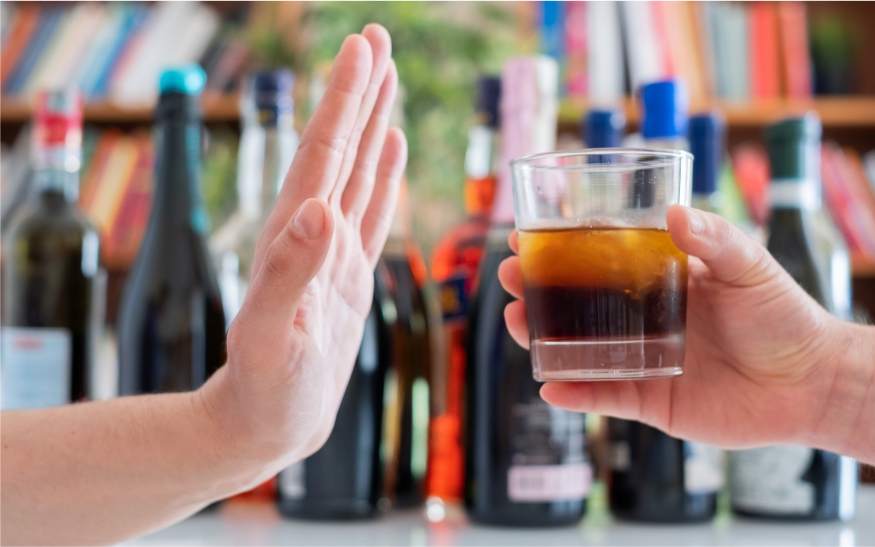
After the excess of the holiday season, many look to January as a time for cleansing – whether that’s healthier food or a bit more exercise. Some people look to lower their alcohol intake or even stop drinking altogether. Reducing the amount of alcohol you drink can have countless benefits for your health, but it can take a lot of willpower, especially when socialising or if you’re feeling stressed.
Reducing or cutting out alcoholic drinks can improve your health in many ways. In the short term, you will feel fewer hangover symptoms like headaches, indigestion, low mood, or anxiety. It can lower your blood pressure and improve your skin, especially if you suffer from inflammation or rosacea. You’re also more likely to resist other unhealthy habits like smoking or junk food without the influence of alcohol.
Over time, your risk of serious conditions like heart disease, stroke, and cancer will lower the less you drink. Your immune system should get stronger, and you may experience improved mental health too. People who drink less also avoid many of the personal complications that alcohol can provoke, such as family arguments or job-related issues. You’ll be far less likely to develop a dangerous dependency on alcohol or other substances.
However, while we all know that less alcohol is better for our health, it can be tricky to cut down. Alcohol often forms a key part of our social lives, whilst also offering temporary relief from emotional issues and stress. But there are things you can do to keep yourself motivated.
Why do you want to stop drinking?
First of all, jot down a few notes about why you’d like to reduce your alcohol intake. Is it to improve your sleep? Boost your energy levels? Reduce your anxiety? Identify the reasons and write them down so you can return to them when you’re feeling unmotivated. It can also help to make sure your friends and family know you’re not drinking – and why. If they know ahead of time, they’re less likely to offer you alcoholic drinks and can offer support along the way.
Alcohol alternatives
Another key tactic is to identify some non-alcoholic drinks that you can sip on when you feel that craving. Lime and soda is a classic choice and one that’ll be available in most places. If there’s a particular tipple you fancy such as prosecco or G&T, many bars now carry alcohol-free versions of these popular choices – while many beer and lager brands now also offer a low or zero alcohol substitute.
Kombucha is also a popular alternative. A fermented drink, kombucha is made from sweetened tea and a symbiotic culture of bacteria and yeasts. Slightly fizzy, it comes in a variety of flavours and contains a wealth of antioxidants, probiotics, vitamins, and minerals – why not try GTs Kombuchas in a range of flavours?
Likewise, some people opt for CBD. CBD can provoke a relaxing response that soothes anxiety, stress, insomnia, and even pain – without the intoxicating, potentially dangerous effects of cannabis. An oil, like those made by USA Hemp or Upstate Elevator Company, is available in different strengths and has a stress-relieving effect.
Be kind to yourself
Above all, it’s important to treat yourself with compassion. It’s difficult to cut down or stop drinking and it’s perfectly normal to find it tough or have a slip-up – it doesn’t mean anything bad about you. Seek support from friends, family, your GP, or the local pharmacist – and reward small wins with a little treat.
It’s also important to note that stopping drinking suddenly can be very dangerous if you are dependent on alcohol. If you think you may be dependent – do not stop drinking all at once – instead, please seek advice from your GP.
If you need advice about alcohol and/or cutting down, you can always speak to your pharmacist who can offer advice and guidance on how to reduce your intake in a healthy, sustainable way.
Stephanie Simons is the head pharmacist at Lindo’s Pharmacy in Devonshire. She earned her Bachelor of Science in Pharmacy at Massachusetts College of Pharmacy and has been practicing for over 20 years. She is a registered pharmacist with the Bermuda Pharmacy Council and is a member of the Bermuda Pharmaceutical Association.