

By Stephanie Simons,
Head Pharmacist,
Lindo’s Pharmacy in Devonshire
As the winter nears, it’s not unusual for us all to feel an end of summer slump. But what happens if the slump doesn’t lift? Thankfully, mental health has become a more talked-about topic in recent years but for some, it remains very difficult to discuss or indeed to get help. This is especially true among men.
As we head towards International Men’s Day, it’s important to check in on the men in our lives and offer support if they are showing signs of poor mental health.
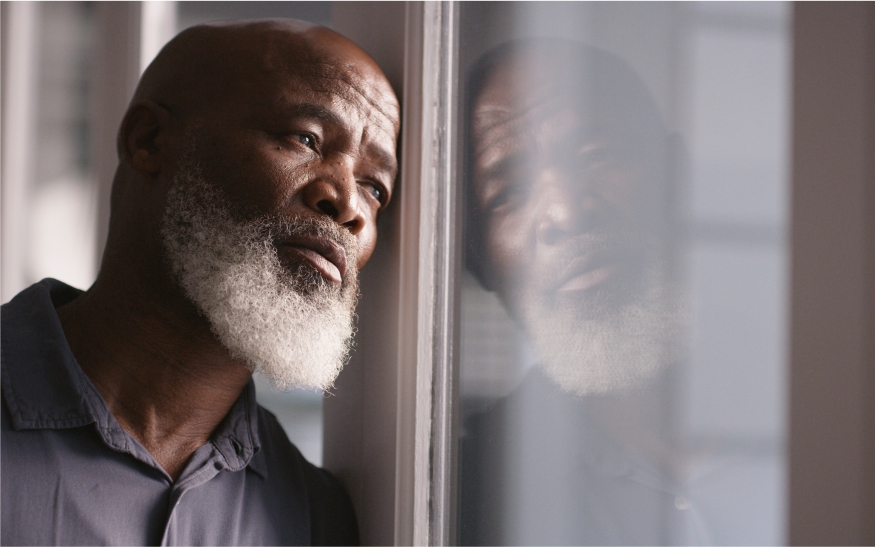
Men’s mental health
Millions of men in the US suffer from mental illness of some sort. More than six million men suffer from depression, with many more going undiagnosed, and at least three million have panic disorder, agoraphobia or another phobia. LGBTQ+ men are even more likely to suffer from mental health issues, as are those living with disabilities.
However, research shows men are far less likely to seek support for mental health problems. There is still a lot of pressure on men and boys to hide their emotions, and many feel that struggling with mental issues shows weakness or a lack of masculinity. Evidence suggests that as little as 40% of men with mental health conditions receive mental health support, and men are more likely to turn to substance misuse instead.
The sad truth is that without the support they need, men are far more likely to end their own lives. The suicide rate among males in 2021 was four times higher than for females – and suicide is the leading cause of death in men under 50. Rates are higher among men with lower incomes and/or within minority communities.
Symptoms
While many symptoms are the same for all genders, men have been found to exhibit certain specific signs. Many become angry, irritable or aggressive, and engage in more risky behaviour than usual such as reckless driving or drug misuse. Men are also more likely to engage in escapist behaviour, spending far more time at work or the gym, and to suffer physical symptoms like headaches, or digestive problems.
How to help
For those worried about their own mental health, there are simple ways to give your mood a boost, from spending more time in nature to paying more attention to your emotions and taking the time to explore and reduce what may be causing feelings of sadness or anxiety.
While it may be tempting to use alcohol or drugs to improve your mood, this can have a more negative impact longer term, impacting work, family and other key relationships. The most important thing is to talk to someone, whether that’s a friend, family member, GP or pharmacist so you don’t feel alone and can get some helpful advice on how to proceed.
If you’re worried about someone close to you, it’s important to maintain contact, as many people – men, in particular –find it difficult to reach out. Let them know you’re available to listen to them and take the time to talk through their problems. Try not to leap to judgements or insist on the right course of action – instead, find out about local support from GPs to support groups, and help them to identify what might help most.
Whether you’re struggling yourself or concerned about a loved one, the pharmacy can be a great place to start. We can advise on symptoms and support, and also suggest items that may help in the meantime like Calm, Magnesium, Ashwaghanda and Olly Stress Relief to help regulate mood, CBD products like USA Hemp oils and gummies which can ease anxiety, or sleep remedies like Valerian, Melatonin and Sleep Eze. Whatever your gender, there’s no shame in asking for help – we’re here whenever you need us.
Stephanie Simons is the head pharmacist at Lindo’s Pharmacy in Devonshire. She earned her Bachelor of Science in Pharmacy at Massachusetts College of Pharmacy and has been practicing for over 20 years. She is a registered pharmacist with the Bermuda Pharmacy Council and is a member of the Bermuda Pharmaceutical Association.