Enter to Win a Washer and Dryer!
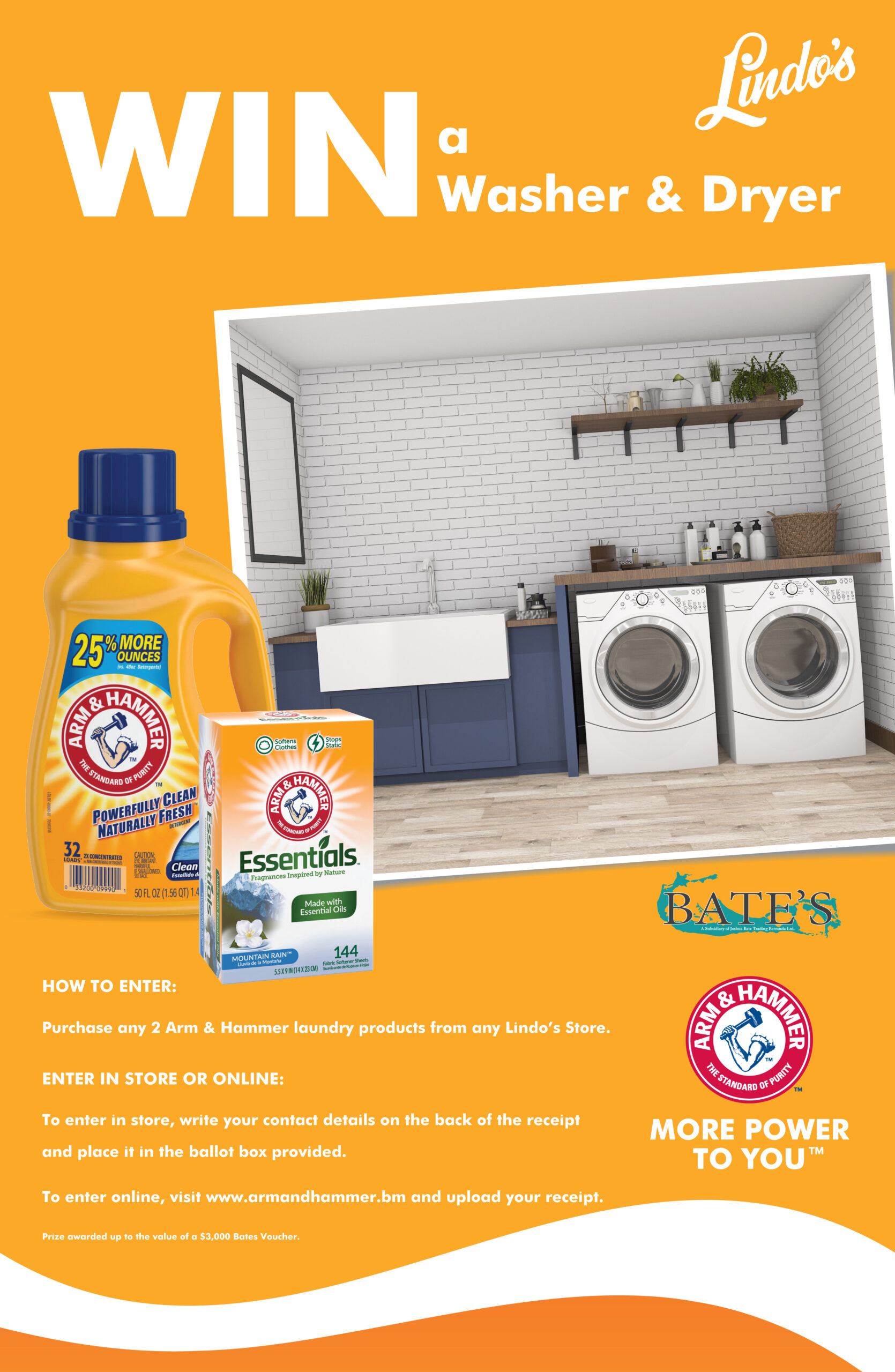
Contest ends September 3rd, 2022

Contest ends September 3rd, 2022

By Stephanie Simons,
Head Pharmacist,
Lindo’s Pharmacy in Devonshire
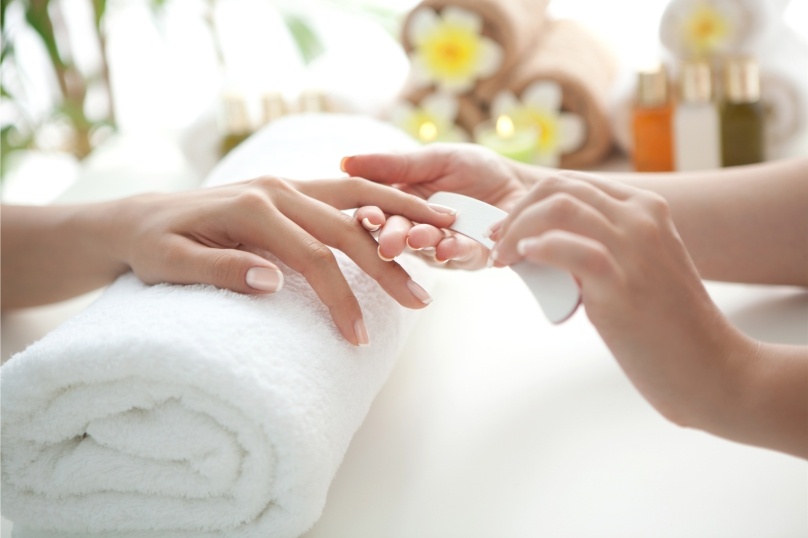
Like hair and skin, nails are a part of the body we love to care for and maintain. As summer finally arrives, it’s time for that vacation manicure – but nail beauty doesn’t necessarily mean nail health. Moist summer heat, nail products and harsh chemicals can lead to weak, damaged nails or even infection. So, what simple things can we do to keep our nails in tip top condition?
 What are nails?
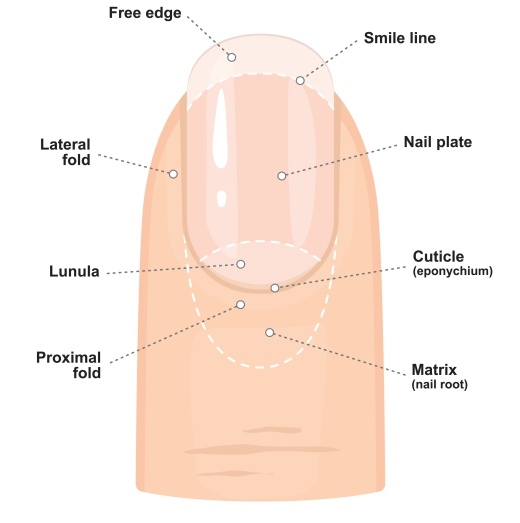
The nails on your fingers and toes are made of a protein called keratin, the same protein that forms hair and the top layer of your skin. The majority of each nail is securely attached to the nail bed, while the tips stick out to act as tools for scratching, maneuvering objects, and supporting our sense of touch. The cuticle at the base of the nail seals the nail to the skin.
Healthy nails are a pink and white colour, with strong cuticles and a prominent white half-moon shape at the base (the lunula).
Unhealthy nails
As a highly visible part of the body, it’s usually easy to spot when your nails aren’t at their best. Look out for changes in shape and thickness, as well as swelling, bleeding or separation around the nail. Discolouration such as a dark streak or yellowing under the nail is also something to keep an eye on.
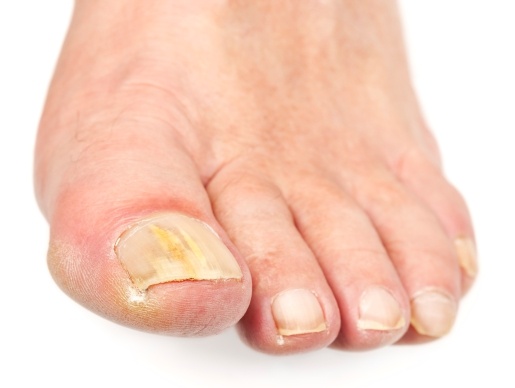
Toenail fungus, also called onychomycosis, is a common fungal infection of your toenail.
Nails are particularly vulnerable to fungal infection, especially when they’re not looked after. More common in toes, but also occurring in fingers, infections tend to begin at the edge of the nail and spread to the middle and top, making the nail discoloured, thick and brittle. The skin around the nail can become swollen and painful, while parts or even the whole nail may break off.
If you’re concerned about nail health or infection, speak to your pharmacist, who can suggest an antifungal cream like Lamisil (Terbinafine) or Canesten (Clotrimazole) or a nail-softening cream which enables infected parts of the nail to be scraped off. You can also speak to your GP who will prescribe stronger treatments or tablets if required.
Caring for your nails
As with hair and skin, you can help your nails stay strong and healthy through a few simple steps. The most important thing is to keep your nails clean and dry, to prevent bacteria from growing underneath and causing infection. This is particularly critical with toenails – wash sweat off your feet and nails, especially in hot summer weather, and keep your socks and towels clean too.
You can also help your nails stay strong by keeping them away from water and harsh chemicals that can cause the nails to become thin, weak and brittle. Wear rubber gloves when washing dishes or cleaning, and practice good nail hygiene – trim, moisturise and apply a nourishing base coat to prevent breakages.
What about my manicure?
There’s no harm in the occasional manicure. However, choose a salon that displays a current licence or inspection certificate and check your individual technician is licenced too. Ask your technician not to remove your cuticles, as these are a key barrier against infection, and check that all tools are sterilised between clients.
If you’re more of a DIY manicurist, make sure your emery boards and clippers are clean and regularly replaced. Brands like Revlon and Cala offer effective tools at reasonable prices. Choose an acetone-free polish remover like those made by Cutex or Swan and give your nails a break from polish every now and then. A good hand and nail cream like Neutrogena or O’Keefe’s Hand cream will also reap rewards – or an insider tip is to use your lip balm, which often contain the moisturising ingredients your nails need. Try Carmex or O’Keefe’s Lip Repair for a multitasking hero!
Nails can be a great source of beauty and fun, but there’s no point damaging them in the process. Take care of your nails and you’ll get the health and the beauty – without the risk of infection.
Stephanie Simons is the head pharmacist at Lindo’s Pharmacy in Devonshire. She earned her Bachelor of Science in Pharmacy at Massachusetts College of Pharmacy and has been practicing for over 20 years. She is a registered pharmacist with the Bermuda Pharmacy Council and is a member of the Bermuda Pharmaceutical Association.

An Island favourite, conch fritters can be served as an appetizer or snack.
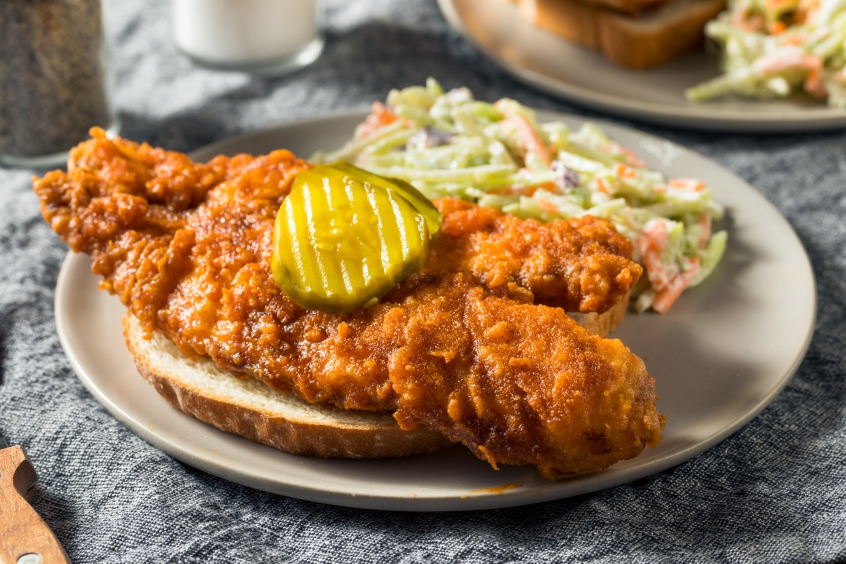
Nashville is famous for its hot fried chicken sandwiches, and now that hot sauce is making waves on fish sandwiches. If you like spicy and hot food, this fish is for you.
Tender fish fillets are fried in a classic beer batter until golden and crispy, and then bathed in a spicy hot sauce. Serve on a roll, and top with coleslaw and pickles.
Batter
Hot Sauce

Just in time for Cup Match, Lindo’s Next Level Department (Devonshire) is offering great BULK buys at discounted prices until August 1st, 2022 (while stocks last).
Whether you’re feeding a crowd, or just stocking up, save money and time with these handy Next Level bulk items.
| Product | Size | Price |
| Clorox Wipes | 5PK | $22.09 |
| Kirkland Chunk Chicken Breast | 6PK of 12.5 OZ | $22.75 |
| Hidden Valley Ranch | 2PK of 40 OZ | $15.80 |
| French’s Organic Mustard | 2PK of 30 OZ | $9.50 |
| Heinz Ketchup | 3PK of 44 OZ | $12.45 |
| Hellman’s Mayo | 64 OZ | $15.30 |
| Franks Red Hot | 25 OZ | $11.35 |
| Dole Pineapple Chunks | 4PK of 20 OZ | $10.20 |
| Café Bustelo | 4PK of 10 OZ | $16.70 |
| Sun-Maid Raisins | 30 OZ | $12.90 |
| Fruit Roll–Ups | 72 CT | $30.50 |
| Lance Variety Pack | 40 CT | $16.20 |
| Kirkland Organic Soy Beverage | 12 CT | $20.65 |
| Chicken of the Sea Chunk Light Tuna | 12 CT | $23.45 |
| Le Sueur Sweet Peas | 8 CT | $15.30 |
| Della Organic Brown Basmati | 10 LB | $18.20 |
| Lysol Toilet Bowl Cleaner | 4PK of 32 OZ | $17.55 |
| Reynolds 150sq ft Foil | 2PK | $27.75 |
| Reynolds 250 sq ft Foil | 2PK | $30.10 |
| Kirkland Crystal Clear Cutlery | 360 CT | $23.55 |
| Downy softener Sun Blossom | 103 OZ | $18.70 |
| Downy Softener Mountain Spring | 103 OZ | $17.99 |
| Downy Softener Clean Breeze | 103 OZ | $17.99 |
| Tide Original -107 Load | 154 OZ | $29.50 |
| Tide Downy April Fresh -100 Loads | 154 OZ | $28.15 |
| Tide Ultra Stain Release – 72 Loads | 138 OZ | $28.99 |
Ends on August 1st, 2022, while stocks last.
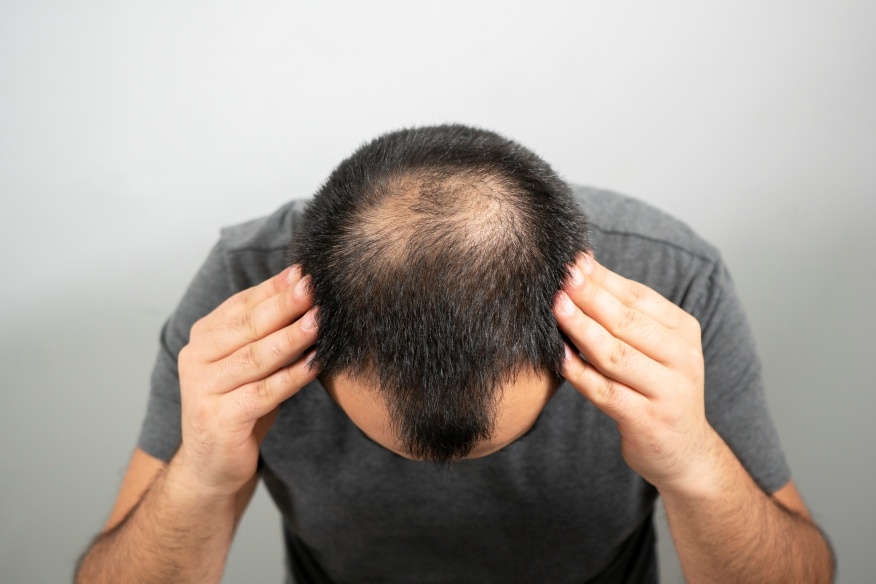
Male pattern baldness – androgenic alopecia – is a genetic condition when men as early as their teens experience a receding hairline and gradual hair loss from the crown.
By Stephanie Simons,
Head Pharmacist,
Lindo’s Pharmacy in Devonshire
From Goldilocks to Rapunzel, we’ve always been obsessed with our hair. So integral to our lives, it’s not surprising that the loss of our hair can be an incredibly difficult experience. From stress to serious health conditions, there are numerous causes behind hair loss – but how can we help prevent it? And how do we treat it when it happens?
We have hair everywhere on our skin except for a few specific places like the palms of our hands. Hair is made of keratin, a protein produced in hair follicles. As new hair cells are produced, old cells are pushed out through the surface of the skin – this is the visible hair we see. Each follicle has a lifecycle dependant on many factors including age, health, and genetics.
There are many reasons why we lose our hair, some better understood than others. Stress is a fairly common cause. Stressed-induced hair loss, or telogen effluvium, causes hair follicles to ‘rest’ which slows or stops the production of keratin, as the body’s depleted resources prioritise more vital processes. Stress can also impact our hormones – another key factor in hair loss – while changes in appetite may also play a role. A nutritious diet is key to hair growth, and those not ingesting the required protein, vitamins, and minerals may find their hair begins to thin and/or fall out.
Like stress, bodily trauma such as childbirth, major illness, surgery, cancer treatments, or severe weight loss, can cause hair to fall out. This type of hair loss is often temporary and resolves itself over time. A disease called alopecia areata, where your immune system starts to attack hair follicles, can cause more significant hair loss, but approximately 90% of sufferers regain their hair within a few years too.
Some hair loss, however, is less reversible. Involutional alopecia affects everyone as we age, as hair naturally thins. Moreover, male pattern baldness – androgenic alopecia – is a genetic condition when men as early as their teens experience a receding hairline and gradual hair loss from the crown. Women can experience female pattern baldness, but this tends to start later in life and manifests as a general thinning of hair across the scalp. Alopecia universalis, where all body hair falls out, can be temporary or permanent depending on the case.
So how do we treat it? In many cases, hair loss can be slowed or reduced. If stress or diet is the key trigger, it’s much easier to treat the cause than the symptoms. You can tackle stress through exercise, meditation, or lifestyle changes – herbal remedies such as Hair, Skin & Nails supplements by Nature’s Bounty (N.B.) and Olly, or Biotin can also be useful. Speak to your GP if you think you could benefit from advice or mental health support to lower your stress levels. Your GP or pharmacist can also advise on dietary changes that may support hair growth such as boosting your vegetable and protein intake, or iron supplements like Ferrograd and/or a Vitamin D tablet like N.B. Vitamin D 2000IU.
Shampoos containing caffeine can also help, as caffeine targets DHT – a hormone that blocks the nutrients hair follicles need. Try Dr. Brown’s DHT Blocker or Viviscal. Stronger treatments include Minoxidil, used in products like Rogaine which are applied directly to the scalp to stimulate hair growth. Alternatively, your GP may prescribe certain treatments specifically suited to you, such as corticosteroid injections.
Scalp care is also key. Just like the skin on your face, your scalp can be sensitive to environmental stressors like pollution, heat, and overzealous products. By maintaining a healthy scalp, you can keep follicles free of disruption, allowing hair to grow healthy and strong. Try Head & Shoulders for a dry scalp, or Nizoral if you’re experiencing too much oil as this can block follicles.
The loss of your hair can be a very upsetting experience and it’s important that you seek support, whether that’s your friends, family, or speaking to your local health professional. Your GP or pharmacist are always happy to discuss this with you and advise on the best support for you.
Stephanie Simons is the head pharmacist at Lindo’s Pharmacy in Devonshire. She earned her Bachelor of Science in Pharmacy at Massachusetts College of Pharmacy and has been practicing for over 20 years. She is a registered pharmacist with the Bermuda Pharmacy Council and is a member of the Bermuda Pharmaceutical Association.