Oct 19, 2022

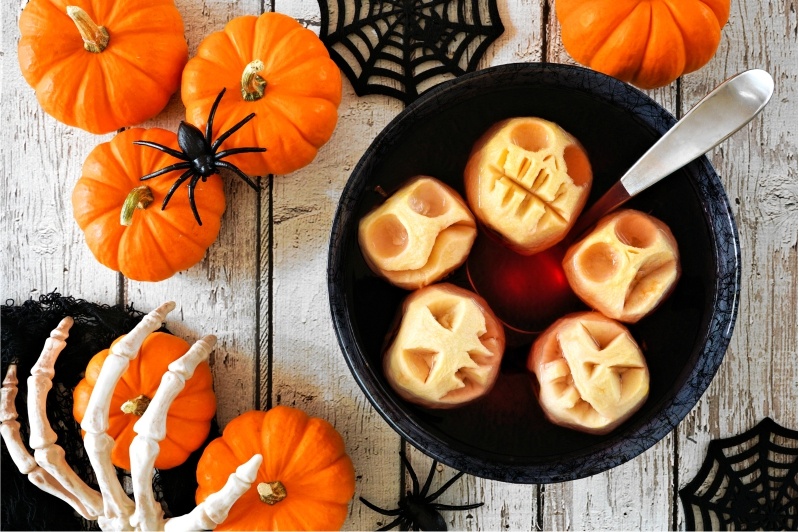
Are you ready to add some creepy bones to your Halloween party fare? These light and airy confections are easy to whip up.
PREP TIME: 15 mins • COOK TIME: 1 1/2-2 hours • MAKES: 10-12 bones
INGREDIENTS
- 3 large egg whites
- 1/4 teaspoon cream of tartar
- 3/4 cup sugar
- 1 teaspoon pure vanilla extract
DIRECTIONS
- Preheat oven to 250°F. Line a baking sheet with parchment paper.
- In a medium-sized bowl, add egg whites and the cream of tartar. Beat together at medium-high speed until soft peaks form.
- Add vanilla extract and gradually beat in sugar, 1 tablespoon at a time until stiff peaks form, the meringue is shiny, and the sugar is fully dissolved.
- Fill a pastry tube pastry bag fitted with a 3/8-inch round tip with meringue. Pipe a 3-inch long x 1-inch wide line on the parchment paper. Pipe two balls on each side of the line to create the bone ends. You can smooth any peaks/lines with your finger or a spoon. Continue to create 10-12 bones.
- Bake for 1½ – 2 hours, or until the meringue easily is moved from the parchment paper. Cool on the baking sheet. Store in an air-tight container in a cool, dry place.
If desired, make strawberry coulis for dipping the bones.
For the coulis:
- 1 quart fresh strawberries, quartered
- 2 teaspoons vanilla extract
- 1/4 cup sugar
- 1/4 cup water
To make the coulis: Add strawberries, 2 teaspoons vanilla extract, 1/4 cup sugar, and 1/4 cup water to a saucepan. Simmer over low heat; stirring and crushing the strawberries in the sauce until the sugar has dissolved completely and the sauce has thickened – about 10 minutes; then let it cool.
Oct 19, 2022

Along came a spider! We promise these cute spaghetti and sausage spiders won’t scare anyone away!
PREP TIME: 10 mins • COOK TIME: 10 mins • MAKES: 16 spiders
INGREDIENTS
- 4 beef hot dogs
- 500g package of spaghetti, uncooked (you won’t need the entire package)
- tomato ketchup
DIRECTIONS
- Cut each hot dog into 4 equal pieces.
- Push 4 pieces of uncooked spaghetti through the hot dog pieces – as pictured above.
- Cook the assembled spiders in salted boiling water according to pasta package directions, for about 8-10 minutes.
- Drain pasta and hot dogs.
- Trim the spaghetti legs to the desired length.
- Add the edible eyes using tomato ketchup.
Sep 28, 2022

These Brie & Bourbon Bacon Jam Crostini make a delicious appetizer for any event.
INGREDIENTS
- 16 ounces bacon
- 1 small yellow onion, finely diced
- 2 garlic cloves, minced
- ½ cup brown sugar
- ¼ cup sherry vinegar
- ¼ cup bourbon
- ¼ cup maple syrup
- ¼ cup water
- 1 teaspoon smoked paprika
- 1 tsp Dijon mustard
- ½ tsp fresh thyme, roughly chopped
- 1 tablespoon olive oil (plus more for brushing on crostini)
- 1 large baguette loaf
- 6-8 oz Brie cheese
DIRECTIONS
- Preheat the oven to 400°F. Place an oven-proof wire baking rack over a baking tray. Lay the bacon strips in an even single layer on top of the wire rack and bake for 20 minutes until crispy.
- Remove from the oven and let cool on a paper towel-lined plate.
- In a medium bowl combine the sherry vinegar, bourbon, maple syrup, brown sugar, dijon mustard, smoked paprika, and water in a small bowl and set aside.
- In a medium sauté pan, add the diced onion and olive oil and sauté on medium heat for about 10 minutes or until the onions are soft and translucent.
- Stir in the minced garlic and cook for a further 30 seconds.
- Add the brown sugar and bourbon mixture. Increase the heat to medium-low and let simmer for about 30 minutes until the mixture has reduced and started to thicken.
- Chop the cooked bacon into ½ to 1-inch pieces and add to the bourbon mixture along with the chopped fresh thyme. Continue simmering for about 5 more minutes.
- Remove from heat and transfer mixture to a bowl and let cool at room temperature for 30 minutes, then transfer to the refrigerator for 2 hours to let the flavours meld and deepen.
- Preheat the oven to broil. Slice the baguette into ½-inch slices and brush with olive oil. Place baguette slices oil side up on a large baking sheet. Broil for about 2 minutes until lightly toasted.
- Remove crostini slices from the oven and top with a slice of creamy brie cheese while still warm. Top with one tablespoon of the bourbon bacon jam and serve immediately.
Note: The bacon jam will store in the refrigerator for up to 3 days.
Sep 28, 2022


By Stephanie Simons,
Head Pharmacist,
Lindo’s Pharmacy in Devonshire
Gynaecological cancer is not a pleasant topic – but it is a crucial one. As with the majority of cancers, the sooner its diagnosed, the better chance of recovery. This is why Gynaecological Cancer Awareness Month, a global event held every September, aims to spread the word about these cancers and their symptoms to help as many women and trans men as possible live long and healthy lives.
More than 70,000 people are diagnosed with gynaecological cancers every year in the United States. Gynaecological cancer encompasses the whole female reproductive system from the uterus, ovaries and fallopian tubes to the cervix, vagina and vulva. There are five different types of gynaecological cancer, each with its own risk factors, symptoms and mortality rates.
Cervical cancer
The cervix or ‘neck of the womb’ links the vagina to the uterus. The key symptoms of cervical cancer include unusual vaginal bleeding or discharge, pain during sex and pain in the lower back, pelvis and/or abdomen.
The majority of cervical cancer cases are caused by a human papillomavirus (HPV) infection. The HPV vaccine protects against many strains of HPV and children of all genders are recommended to have the vaccine from the age of 11. Regular Pap tests can also detect abnormal cells before they develop into cancer, and Bermuda has a lower mortality rate from cervical cancer than the OECD average due to early detection and treatment.
If you or your child have not had the vaccine, or you have any questions about cervical screening, do speak to your GP or pharmacist.
Ovarian Cancer
Ovarian cancer occurs in the ovaries, the organs that produce eggs for fertilisation. The risk of ovarian cancer increases with age, with the majority of cases found in people over fifty – yet it can occur at any time of life. Pain around the pelvis, bloating, nausea or difficulty eating are the key symptoms to look out for.
 Uterine cancer
The fourth most common cancer for women and trans men in the United States, uterine cancer occurs in the uterine tissues and has two different types. Endometrial cancer is the most common form, and occurs in the uterus lining. Obesity, high blood pressure and diabetes can increase the risk of endometrial cancer. Uterine sarcoma occurs in the uterine muscles or tissues and is far more rare, although radiotherapy can increase the risk. Unusual bleeding, spotting or discharge are the main symptoms of uterine cancer, whilst others include blood in your pee, pain during sex or abdominal pain.
Vulva cancer
The vulva is the external genitalia, including the labia, clitoris and the Bartholin’s glands on either side of the vagina. Vulvar cancer often affects the outer vaginal lips and occurs mostly in those over 65. The condition can be a progression of abnormal cells on the surface of the vulvar skin – vulvar intraepithelial neoplasia (VIN) – so it’s important to seek diagnosis and treatment if you are concerned about this. HPV and genital warts can also increase the risk. Pain, itching, soreness or lumps in the vulva can signify vulva cancer, as can unusual bleeding, discharge or warts.
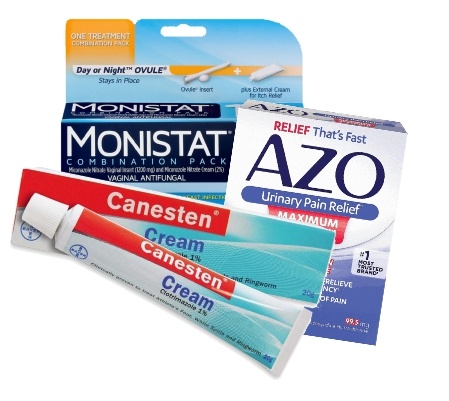
Of course, there are many reasons and causes for these kinds of symptoms, but it is always better to check in with your GP or pharmacist to ensure that whatever your condition, you can be treated as quickly as possible. If you’re unsure about your symptoms or where to seek help, you can always speak to your pharmacist who can advise on your next steps and, for those experiencing more minor gynaecological conditions such as a yeast infection or UTI, recommend helpful remedies such as Canesten or Monistat vaginal inserts or Fluconazole which is taken by mouth for yeast infections or Phenazopyridine (Urinary Pain Relief) or Cymalon which ease the symptoms of an UTI.
If you have any of the symptoms outlined here or are concerned about gynaecological cancer, speak to your GP as soon as possible. And spread the word! Awareness can save many lives.
Stephanie Simons is the head pharmacist at Lindo’s Pharmacy in Devonshire. She earned her Bachelor of Science in Pharmacy at Massachusetts College of Pharmacy and has been practicing for over 20 years. She is a registered pharmacist with the Bermuda Pharmacy Council and is a member of the Bermuda Pharmaceutical Association.
Aug 31, 2022
By Stephanie Simons,
Head Pharmacist,
Lindo’s Pharmacy in Devonshire
We all love a crime thriller – sifting through the clues, deciphering the killer. However, when it comes to your own pain, finding the best remedy for you shouldn’t be such a mystery.
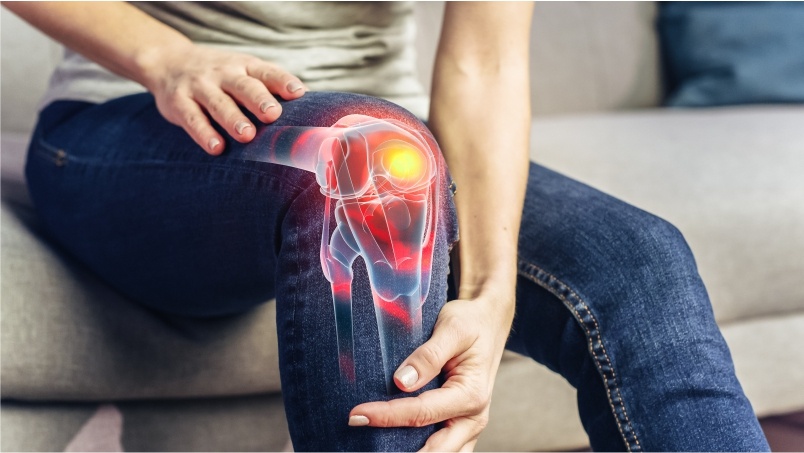
We all experience pain, and yet it is different for everyone. Thanks to this paradox, there is still much the medical world do not understand – yet with the right knowledge, you can uncover the best painkiller quicker than any detective. Severe pain, trauma and/or long term conditions will be managed by your health care team – however, if you are struggling with the lesser aches and pains we all experience at some point, there are plenty of options to offer you some relief, whether that is through your local pharmacy or your GP.
Pharmacies and drug stores offer a variety of options for treating day-to-day issues, such as headaches, muscle strains or period pain. There are two key type of painkiller sold over the counter.
 Acetaminophen – or Paracetamol – is thought to dull the receptors in the brain that receive pain signals. It can therefore be used to relieve a range of painful symptoms – headaches, In particular. As Acetaminophen also impacts the body’s regulation of temperature, you can also take it to ease a fever. Products like Tylenol or Panadol can deliver effective and efficient relief.
Most people can take acetaminophen safely and regularly as long as you do not exceed the recommended dosage – however those with severe kidney or liver disease, and those taking other medication containing acetaminophen should consult their GP first.
The other key painkillers available over the counter are nonsteroidal anti-inflammatory drugs (NSAIDs), the most common of which are aspirin and ibuprofen. They work by reducing the level of prostaglandins – a hormone-like chemical that irritate nerve ending causing feelings of pain. Some find NSAIDs work particularly well for relieving menstrual cramps, muscular pain and toothache, while others simply find they suit their bodies better than acetaminophen.
Try Bayer Aspirin, Advil or Cuprofen or ask your pharmacist for advice. Other pain relief products contain both acetaminophen and aspirin such as Excedrin, while products like Excedrin Migraine ad Excedrin Tension Headache also contain caffeine to better aid their efficacy. It is best to take NSAIDs after food, and the FDA warn against taking NSAIDs for more than ten days without seeking advice from your GP. Pregnant women should also avoid this type of product.
For muscular issues, topical pain relief is also an option. Creams, gels, sprays and patches like BenGay, Salonpas, Aspercreme or Voltaren (Voltarol) often contain NSAIDs and other medicines and be applied directly to the skin. Stronger versions may also be obtained from the pharmacist, though be sure to follow their instructions with care.
For those who would prefer not to take tablets or have been advised against it, exercise can also offer pain relief. Simple and gentle activities like walking and swimming can help to block pain signals to the brain and stretch stiff, tense muscles without causing or aggravating injury. Mindful breathing can also help. Pain often causes us to take shallow, rapid breaths – inducing anxiety, dizziness and further pain – however, by taking slow, deep breaths you will become more relaxed and feel more in control. Breathing and relaxation is also key in maintaining an effective sleep routine, which can in turn help relieve pain. Try Lavender essential oil or other relaxing essential oils to boost your relaxation with a little aromatherapy.
When we’re in pain, finding a remedy can feel like the most complex of mysteries, but it needn’t require a full investigation. If you are unsure what might work for you, speak to your GP or pharmacist at any time. We can advise on the best – and safest – solution and lessen your pain as soon as possible.
Stephanie Simons is the head pharmacist at Lindo’s Pharmacy in Devonshire. She earned her Bachelor of Science in Pharmacy at Massachusetts College of Pharmacy and has been practicing for over 20 years. She is a registered pharmacist with the Bermuda Pharmacy Council and is a member of the Bermuda Pharmaceutical Association.