Dec 14, 2022
These classic thumbprint cookies are a favourite holiday treat. Make some for giving or for your own cookie jar.
 Prep Time: 20 mins • Cook Time: 10 mins
Chill Time: 1 hour
Makes: 48 cookies
INGREDIENTS
-
- 3/4 cup butter, softened
- 1/2 cup sugar
- 2 eggs
- 1 1/2 teaspoons vanilla extract
- 2 cups all-purpose flour
- 1 1/2 teaspoons baking powder
- 1/4 teaspoon salt
- 1/2 cup red raspberry jam or flavour of your choice
- 1/3 cup chopped hazelnuts
- 1 teaspoon grated orange or lemon peel
DIRECTIONS
-
- In a large bowl cream together butter and sugar.
- Add eggs and vanilla extract and beat well.
- In a separate bowl, whisk together flour, baking powder, and salt. Stir into creamed mixture.
- Chill for at least one hour.
- Shape into 48 balls.
- Place balls 2 inches apart on a greased cookie sheet. With moistened finger, make an indentation atop each ball. Mix together jam, nuts, and peel. Fill indentations with 1/2 teaspoon of the jam filling.
- Bake at 350°F for 10-13 minutes. Move to a wire rack to cool.
Nov 16, 2022
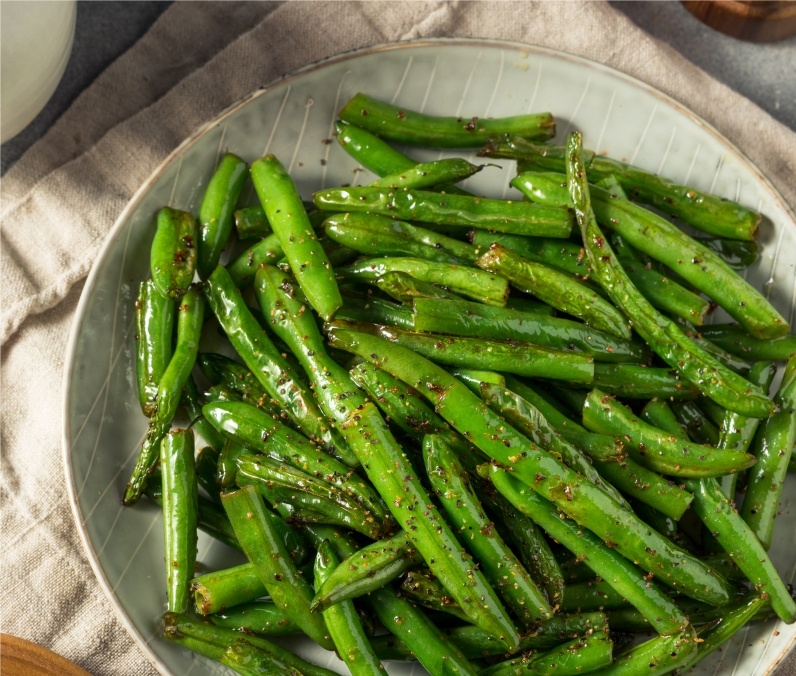
Green beans are a healthy side dish for any meal or occasion. This simple recipe uses just a few ingredients and is ready in minutes.
Prep Time: 5 mins • Cook Time: 10 mins • Total Time: 15 mins
INGREDIENTS
- 2 pounds fresh green beans, washed and trimmed
- 1 tablespoon extra virgin olive oil
- 1 tablespoon finely minced garlic
- 1/2 cup vegetable broth, vegetable stock, or water
- 1/4 teaspoon salt
- 1 tablespoon unsalted butter
- 1/4 teaspoon fresh lemon juice
- 1/8 teaspoon black pepper
DIRECTIONS
- Heat a large 12-inch skillet over medium heat.
- Add the olive oil, and once the oil is shimmering and hot, add the minced garlic. Sauté for about 30 seconds, or until the garlic is fragrant but not browned.
- Add the green beans, vegetable broth, salt, and pepper to the pan, and stir. Turn the heat up to medium-high, cover, and cook for about 5-6 minutes, or until the beans are just tender and turn bright green.
- Uncover the skillet, and stir until the water has evaporated; about 2 minutes.
- Add the butter and sauté, for about 1 minute. Add lemon juice and stir to combine.
- Add the black pepper. Taste and adjust seasonings, if desired. Serve immediately.
Nov 14, 2022
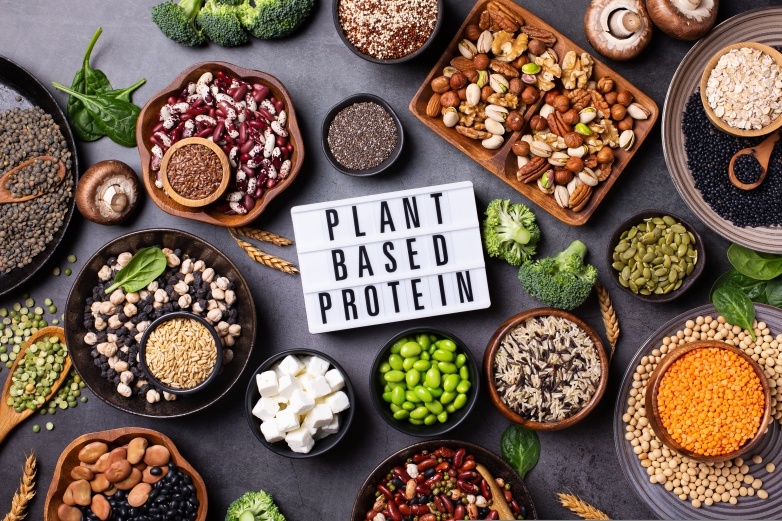
Most vegans don’t consume meat, dairy, or eggs. However, there’s an abundance of plant-based protein options available such as tofu, legumes, nuts, seeds, and grains.

By Stephanie Simons,
Head Pharmacist,
Lindo’s Pharmacy in Devonshire
We’ve all seen the rise in vegan diets over the past decade, and it’s now thought that at least 10% of adults in the US no longer eat meat. From social media stars to Hollywood actors, many are keen to promote the benefits of a vegan or plant-based diet. However, as with most diet trends, there are many myths and legends surrounding veganism, and it’s important to understand the true impact it can have on our bodies.
Is veganism good for you?
There is considerable evidence that plant-based diets are good for your health – if you do it the right way. A diet rich in whole grains, fruit and vegetables, beans, nuts and seeds will provide antioxidants, fibre, vitamins and minerals – and therefore a wealth of health benefits.
Vegans have been found to have lower blood sugar levels, and their risk of developing Type 2 diabetes is almost 80% lower than meat-eaters. Vegans are thought to be at least 15% less likely to develop cancer and the National Cancer Institute claims that a diet rich in plants is particularly effective in reducing the risk of stomach, lung, mouth and throat cancers.
Those following plant-based diets are statistically less heavy and more agile than meat-eaters, reducing their risk of obesity and its corresponding complications – such as heart disease. Some studies also suggest a vegan diet can lesson symptoms of rheumatoid arthritis including stiffness, swelling and inflammation.
Can veganism harm your health?
As with any diet, poor planning, processed foods and/or a lack of diversity can cause health problems. A vegan diet without the necessary variety of wholegrains, vegetables and pulses can result in insufficient levels of vitamins like B12 and D, as well calcium and Omega-3 fatty acids.
Vitamin B12 is essential for maintaining a healthy nervous system and releasing energy from food. It’s only naturally present in animal products like meat, fish and eggs – however, the small amount our bodies require can be easily consumed through fortified cereals, non-dairy milks and nutritional yeast. Many vegans and vegetarians also take a B12 supplement like N.B. Vitamin B-12 tablets or Nature’s Truth B-12 Gummies to ensure they meet their bodies’ needs.
Without dairy products, vegans are also at risk of calcium deficiency. Green, leafy vegetables, pulses and fortified non-dairy milks can provide the required amount. It’s also important to ensure sufficient Vitamin D intake, as this regulates calcium, helping to maintain strong bones, teeth and muscles. Take in sunlight when you can and try a supplement like Hello Bello or Rainbow Light multivitamins or a combined calcium-Vitamin D tablet like N.B. Calcium with D or Rainbow Light Calcium – especially during the winter months.
Omega-3 fatty acids, predominantly found in fish, are key for a healthy brain, metabolism and heart. Chia seeds, flaxseeds, rapeseed oil and walnuts are great plant-based sources, and you can add a supplement like N.B. Flaxseed Oil if you need that extra boost.
What about protein?
One of the key misconceptions surrounding veganism is that it provides insufficient protein. However, research has found no difference in the protein intake vegans compared with meat-eaters. Foods like seitan (wheat gluten), tofu and tempeh are all rich in protein, whilst lentils and beans are also highly effective sources. Peas, oats and seeds can help increase protein intake, while some like to add a protein powder like Sun Warrior Protein to porridge or smoothies to keep their levels up.
Is veganism for me?
The food you choose to eat is a highly personal decision and its important not to feel pressured into a certain diet or lifestyle. We know that by adding more plant-based food to your diet, you can improve your health and reduce your risk of serious illness, but this doesn’t necessarily mean removing other foods all together. If you’re concerned about your diet or considering making changes, do speak to your pharmacist who can advise on small changes that will make a great difference to your health.
Stephanie Simons is the head pharmacist at Lindo’s Pharmacy in Devonshire. She earned her Bachelor of Science in Pharmacy at Massachusetts College of Pharmacy and has been practicing for over 20 years. She is a registered pharmacist with the Bermuda Pharmacy Council and is a member of the Bermuda Pharmaceutical Association.
Oct 23, 2022

A child with ADHD can prove challenging for parents and the wider family to manage. Children with hyperactivity will often run around or climb at inappropriate times and/or places and some have little sense of danger.
By Stephanie Simons,
Head Pharmacist,
Lindo’s Pharmacy in Devonshire
Family, school, work – it can be hard to focus sometimes. However, for some people, this is not an occasional difficulty, but a diagnosed mental health condition.
Attention Deficit Hyperactivity Disorder (ADHD) is defined as an ongoing pattern of inattention and/or hyperactivity that impacts everyday functioning. ADHD Awareness Month aims to improve knowledge of this neurodevelopmental disorder, its various treatments, and helpful ways to manage it.
Children
For children, ADHD can disrupt their development and education due to their inability to focus and distraction-prone nature. Symptoms to look out for include a failure to focus on schoolwork or activities, difficulty listening or following instructions, losing key items like stationery or glasses, and general forgetfulness.
Hyperactivity and impulsivity, meanwhile, refer to a slightly different set of symptoms. Fidgeting and difficulty remaining seated is common, as well as excessive talking, interrupting and impatience. Children with hyperactivity will often run around or climb at inappropriate times and/or places and some have little sense of danger.
A child with ADHD can prove challenging for parents and the wider family to manage. However, once diagnosed, your GP (and expert support team if required) can advise on a variety of treatments and techniques to help you and your child. Specifically chosen and tailored to individual children, treatment plans could include psychological therapies like cognitive behavioural therapy (CBT), social skills training, school-based interventions and/or medication. This plan will be fluid and regularly adjusted to suit the child’s needs and age.
Some parents also choose to adjust their child’s diet to incorporate more foods that facilitate focus – and reduce those that exacerbate ADHD symptoms. While research is inconclusive regarding a definitive diet for those with ADHD, some find that high-protein foods, particularly in the morning and straight after school, can help children’s concentration and potentially help ADHD medications to last longer. It may also be helpful to moderate foods high in sugar and/or E-numbers (certain artificial colours and preservatives in food) as they can worsen hyperactivity.
Adults
While ADHD always begins in childhood, many people continue to experience it in later years, and some are not diagnosed until adulthood. Symptoms change as people age; an adult with ADHD, for example, may shows signs of carelessness, poor organisation, impatience, irritability, and/or a propensity for taking dangerous risks.
Adults with ADHD will receive a treatment plan tailored to their age and symptoms. Your GP may prescribe medications such as Dexamphetamine or Methylphenidate which stimulate parts of the brain to help you focus. You may find therapies prove helpful, alongside or instead of medication, and some people take magnesium supplements like Calm or N.B. Magnesium which can help calm body and mind.
Omega-3 fatty acids are also recommended. Cold-water fish like tuna and salmon, as well as walnuts and Brazil nuts are good sources of Omega-3, while a supplement like Seven Seas Haliborange Omega-3 Chewies or N.B.(or Sundown) Omega-3 may help too. Vayarin, an omega compound, has recently been approved by the FDA as part of an ADHD management strategy.
If you’re concerned that you or your child may have ADHD, your pharmacist can be a simple place to start. We will provide further information on key symptoms and talk you through all possible causes including ADHD. Your GP will also be able to discuss this with you and to begin the process towards an official diagnosis. While it can seem scary at first, it’s good to remember that with a diagnosis comes treatment, advice, and support – for you and your family.
Stephanie Simons is the head pharmacist at Lindo’s Pharmacy in Devonshire. She earned her Bachelor of Science in Pharmacy at Massachusetts College of Pharmacy and has been practicing for over 20 years. She is a registered pharmacist with the Bermuda Pharmacy Council and is a member of the Bermuda Pharmaceutical Association.