Jun 22, 2023

By Stephanie Simons,
Head Pharmacist,
Lindo’s Pharmacy in Devonshire
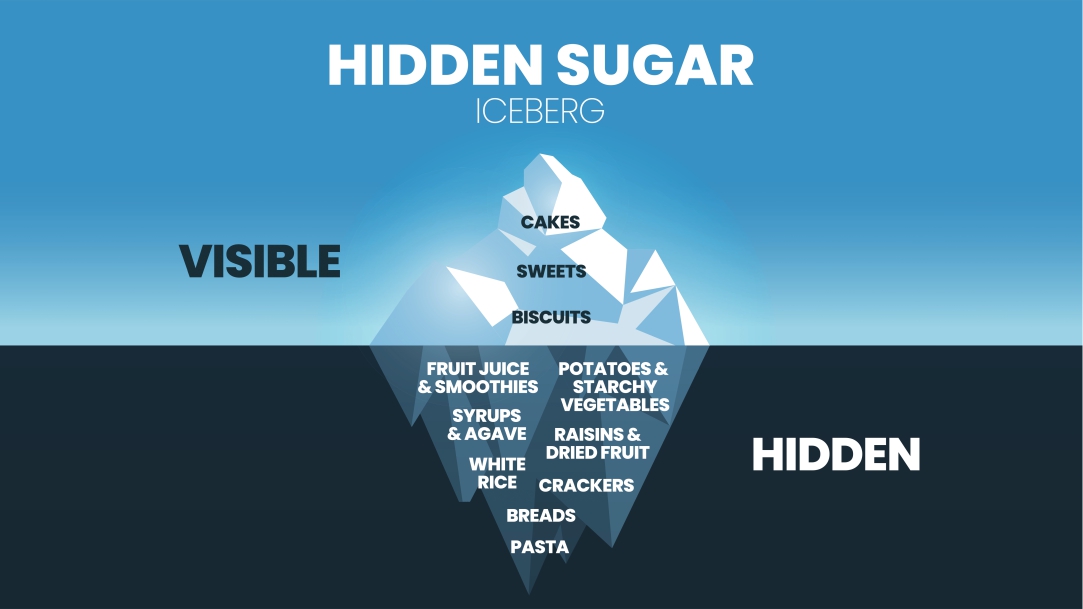
We all like a sweet treat sometimes, whether it’s a biscuit with our coffee, or an ice cream cone on the beach. And there’s never a better time to indulge your sweet tooth than June, for this month is National Candy Month!
From Hersey bars and M&Ms to gummy bears and Licorice Laces, we all have our favourites and there’s nothing wrong with a little indulgence every now and then. But if we eat too many of our favourite sweets, we can damage our bodies and heighten our risk of serious health conditions.
What is sugar?
Sugar is not a bad thing, in and of itself. All plants make sugar through photosynthesis, the process through which they turn sunlight into food. Sugar beets and sugar cane are most efficient plants from which to extract sugar as they make the greatest quantities. Glucose from sugar is used by the body as fuel and plays a key role in getting energy to your brain, organs and muscles.
Sugar in food
The problem comes when ‘free’ or ‘simple’ sugars are eaten in too large a quantity. Some foods like fruit and vegetables naturally contain sugar but within the structure of the food it is far less harmful. However, when sugar is added to foods and recipes (or indeed when fruits are juiced or pureed, thus losing their structure) the sugar is defined as ‘simple’ and can have a damaging impact on the body.
It’s surprisingly easy to eat too much sugar, even if you’re not a candy fan. Sugar is added to so much of the food we eat, sweet and savoury, for a multitude of reasons from balancing acidity to preventing spoilage. Often low-fat foods like yoghurt have added sugar to enhance the flavour, as do sauces like ketchup or barbecue sauce. Ready meals and pre-made soups often contain a lot of sugar too.
In the United States, it’s estimated that the average adult consumes 17 teaspoons of added sugar each day – deriving 14% of their total calories (4% higher than the recommended maximum 10%).
The trouble with sugar
So, what exactly is the problem with sugar?
For a start, a diet high in sugar is often lacking in the nutrients your body needs to function and feel its best. Foods that are high in added sugar are often also high in calories, while certain sugars trigger an increase in appetite and inhibit your body’s ability to realise it’s full. Ultimately, these issues can cause weight gain and potentially obesity.
Both high sugar intake and obesity dramatically increase your risk of Type 2 diabetes. Excess abdominal fat causes fat cells to release ‘pro-inflammatory’ chemicals that cause insulin resistance – the key characteristic of Type 2 diabetes. There is also evidence that high sugar diets can lead to inflammation, high triglycerides, blood sugar and blood pressure levels – all of which put you at high risk of heart disease.
Consuming vast quantities of sugar can also damage your skin. Sugary foods can cause blood sugar and insulin spikes and the resulting increase in androgen secretion, oil production, and inflammation can aggravate the skin and cause acne. Increased reactions between sugar and protein, furthermore, result in advanced glycation end products (AGEs) which can cause your skin to age prematurely.
Reducing your sugar intake
While a little sweet treat every now and then is perfectly fine, it’s good to keep things in moderation. Firstly, get to know your labels. Even products marketed as health products such as cereal bars can contain high levels of sugar – it’s always worth checking Options like Larabar, Kind bars or other brands using Stevia as the sweetener offer the health benefits without the sugar. Increase the protein in your diet with white fish, whole grains, nuts and tofu to help you stay full and less likely to binge on sugary treats. Cooking your own meals and snacks is also a good way to monitor how much sugar goes you’re your food.
If you’re concerned about your blood sugar levels, try products with cinnamon or ginseng such as N.B. Cinnamon or Ginseng. Vitamin D and magnesium supplements like Nature’s Bounty or Nature’s Truth supplements are also thought to help manage blood sugar, while probiotics like Culturelle, PB8 and Wellbiotics can also help. If you’re at all worried about your health or would like support improving your diet, your GP or local pharmacist will always be happy to help.
Stephanie Simons is the head pharmacist at Lindo’s Pharmacy in Devonshire. She earned her Bachelor of Science in Pharmacy at Massachusetts College of Pharmacy and has been practicing for over 20 years. She is a registered pharmacist with the Bermuda Pharmacy Council and is a member of the Bermuda Pharmaceutical Association.
Jun 5, 2023
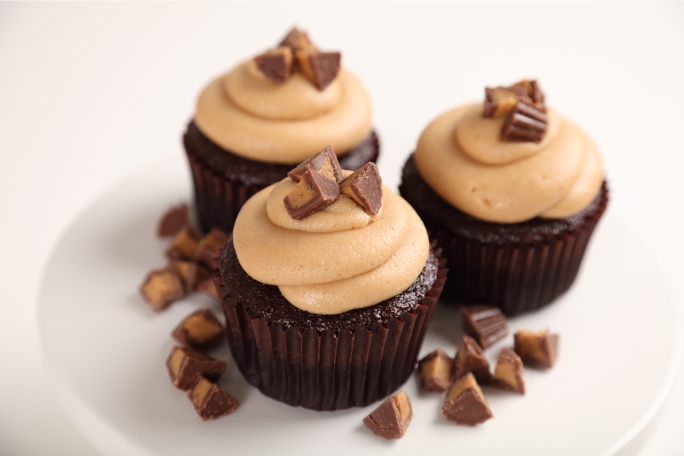
These moist chocolate cupcakes are topped with an irresistibly good homemade fluffy peanut butter frosting.
Prep Time: 20 mins • Cook Time: 20 mins • Makes: 24 cupcakes
INGREDIENTS
- 1 box dark chocolate fudge cake mix
- 1/2 cup vegetable oil
- 3 large eggs
- water
- 30 mini Reese’s Peanut Butter Cups, divided
- 1/2 cup butter, room temperature
- 1 1/2 cups creamy peanut butter
- 2 cups powdered sugar
- 1 teaspoon vanilla extract
- 2-3 Tablespoons milk
DIRECTIONS
- Heat oven to 350°F. Line two regular muffin tins with cupcake liners.
- Make the cupcakes according to the chocolate cake package directions.
- Spoon batter into cupcake pans, filling the liners three-quarters full. Place a Reese’s Peanut Butter Cup into the center of the batter in each cup.
- Bake according to package directions.
- Allow the cupcakes to cool completely before frosting.
- Beat together butter, and peanut butter and mix until smooth.
- Add powdered sugar and vanilla and beat again until combined.
- Add milk and mix until light and fluffy. (Add more milk or powdered sugar if needed to make the frosting thicker or thinner).
- Frost cupcakes using a piping bag and a large round tip (or tip of your choice).
- Chop up the remaining pieces of Reese’s Peanut Butter Cups and gently press them into the frosting.
- Store leftover cupcakes, covered, in the fridge for 3-4 days.
Jun 5, 2023

May 23, 2023
By Stephanie Simons,
Head Pharmacist,
Lindo’s Pharmacy in Devonshire
The sun’s out and the guns are out too! But for some, summer brings more than sunshine and days at the beach. We’re entering prime allergy season, and many people find the summer months more irritating than relaxing. Runny noses, sore eyes, and itchy throats are just a few symptoms that tend to flare up, but there are ways to avoid allergens and to soothe your symptoms should they arise.
What is an allergy?
An allergy is when your body reacts badly to an external trigger that is harmless for most people, such as a type of food or the fur of a specific animal. These triggers are known as allergens and can cause a range of allergic reactions from a mild rash to life-threatening anaphylactic shock. A key reason allergic reactions rise at this time of year is because a great number of allergens are present outdoors – and in the summer as we tend to spend more time outside, or else let the outside in through open windows and doors.
Summer allergies
Many summer allergies are caused by pollen from the grass, which reaches peak levels in the hotter months – and spreads all the more when people mow their lawns. Plants and flowers also give off more pollen in the summer as they grow bigger. Ragweed is one of the most common summer allergens; even if there’s none growing nearby, it can travel for hundreds of miles on the wind.
A range of other allergens flourish during the summer too. Mould can spread in warm, damp areas like basements and bathrooms, releasing spores into the air that trigger reactions. Dust mites also thrive in humid conditions and when their residue enters the air it can cause sneezing and runny noses.
Insects in general are far more prevalent in the summer as they make the most of high pollen counts and long hours of sunshine. Fire ants, bees, wasps, yellow jackets and hornets can sting if you get in their way and while most people experience only minor stinging, itching and/swelling – to those with severe allergies, it can be life-threatening. If you find your throat or tongue swelling, or experience dizziness or nausea after a sting, seek emergency medical help right away. Those with a known insect allergy may be prescribed an epinephrine auto-injector device (EpiPen) which can slow severe reactions so that sufferers can access medical help in time.
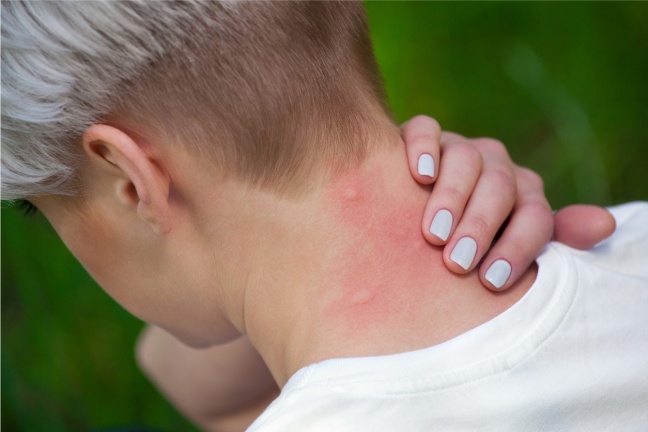
Others suffer in the summer due to sensitivity to heat and/or the sun itself. Prolonged exposure to strong sunlight can cause prickly heat or a heat rash – small, raised spots, an itchy, prickly feeling and/or mild swelling. Polymorphic light eruption, an allergy to sunlight, often exhibits similar rash-like symptoms. This can last for up to two weeks, but usually heals on its own and without scarring.
Soothing the symptoms
Good news – there are ways you can avoid allergens and treat reactions when they do occur. For those with air-borne allergies, keeping your doors and windows closed and using an air conditioner and/or an air purifier can help you dodge nasties from the outdoors. Cleaning air filters, vents and surfaces inside the home can also aid this process and keeping the humidity in your house between 30 and 50 per cent can prevent dust and mould from thriving. Insect repellent products like Off or Cutter which contain DEET or Alba Bug Away which is DEET free can help deter insects like mosquitos and wasps away from the body, preventing stings and adverse reactions.
If you do suffer from summer allergies, oral antihistamines such as Loratadine or Fexofenadine which are non-drowsy or Piriton or Benadryl which can cause drowsiness can help keep your symptoms at bay. Decongestants like Otrivin or Afrin (nasal sprays) or Sudafed an oral medication are also useful in treating cold-like symptoms that arise. If you’re experiencing reactions on your skin, calamine lotion or skin-soothing creams like Aveeno or any After Sun lotion with aloe can calm rashes and stings. Stronger treatments are available on prescription too – just ask your GP.
If you are concerned about an allergy or need help managing your symptoms, do speak to your pharmacist or GP who can advise on the best treatment – so you can enjoy the summertime free of irritation.
Stephanie Simons is the head pharmacist at Lindo’s Pharmacy in Devonshire. She earned her Bachelor of Science in Pharmacy at Massachusetts College of Pharmacy and has been practicing for over 20 years. She is a registered pharmacist with the Bermuda Pharmacy Council and is a member of the Bermuda Pharmaceutical Association.
Apr 16, 2023
By Stephanie Simons,
Head Pharmacist,
Lindo’s Pharmacy in Devonshire
Welcome back, summer! Though we Bermudians are lucky to get sunshine throughout the year, we still look forward to the summer months and the glorious weather they bring. That said, as the days start to really heat up, it’s important to take care of ourselves in the sunshine – and look out for those for whom the hot weather can pose a serious health risk.
Heat exhaustion
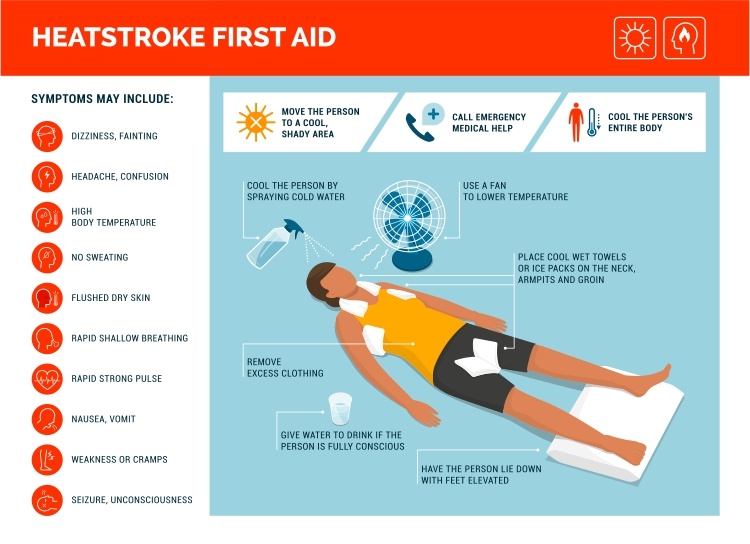
Heat exhaustion is a common bodily response to losing significant amounts of water and salt, often due to excessive sweating. Spending too long in the hot sun can cause heat exhaustion in all of us, whatever our age or health – and the risk is heightened with strenuous exercise. If you’ve been too hot for too long, you’re likely to experience a headache, nausea, and dizziness. Some people may also experience cramps in the arms, legs, and stomach and an increased heart rate while others may feel weak, irritable, or highly thirsty.
Heat exhaustion isn’t a danger in most cases if addressed quickly. Someone showing signs of heat exhaustion should move to a cooler environment out of the sun, remove unnecessary clothing like hats or jackets and drink plenty of water. It’s best not to leave anyone alone in this situation – they may need help cooling down if they feel weak or disoriented.
Heat stroke
Most people will cool down and feel better in about half an hour. If they don’t – this may indicate heat stroke, which can have much more serious consequences. If suffering from heat stroke, you will have a very high temperature, hot skin that isn’t sweating and/or a rapid heartbeat. Many will also experience confusion, lack of coordination, seizures, or even loss of consciousness. If you suspect heat stroke, it’s important to seek emergency healthcare as soon as possible.
 Who is vulnerable?
Extremely hot weather can be a serious health risk, particularly to those most vulnerable. It’s important to take care of those who may be most affected and ensure they are able to keep cool. Older people, generally those over 75, are at particular risk of heat stroke, especially if they live alone. Those with a long-term health condition such as heart or lung issues, Parkinson’s, diabetes, or certain mental health problems are also at greater risk. If you or someone close to you is at particular risk during the hot weather, keep an eye out to make sure they can stay cool and access the support they need during hot periods.
Staying cool in the heat
While we all enjoy a bit of fun in the sun, it’s important to limit your time in the heat – particularly between 11am and 3pm when the sun is strongest. When you are outdoors, stick to low-intensity activities like walking or relaxing and be sure to wear light, loose clothing. If you prefer to exercise outdoors, stick to early morning and late evening to avoid exertion in the heat. Choosing cold food and drinks while avoiding alcohol and caffeine can also help you stay hydrated.
If you do experience difficulties, your pharmacist can help. Rehydration sachets like Dioralyte or Pedialyte or tablets like Nuun, which are mixed into water and drunk can help you stay hydrated, and your pharmacist can also advise on sports drinks like Gatorade or Powerade which boost your natural hydration during hot weather. If your cheeks are feeling flush, we can help with skin care like Thayer’s Witch Hazel toners and Limacol to see you through the hot spell, as well as the best SPFs like Coppertone, Panama Jack, or Alba Botanica brands with an SPF of at least 30 which protects both face and body from the sun’s rays.
If you’re concerned about yourself, a friend, or a family member during the summer months, you can always contact your pharmacist or GP – or if you suspect sunstroke, call 911 immediately.
Stephanie Simons is the head pharmacist at Lindo’s Pharmacy in Devonshire. She earned her Bachelor of Science in Pharmacy at Massachusetts College of Pharmacy and has been practicing for over 20 years. She is a registered pharmacist with the Bermuda Pharmacy Council and is a member of the Bermuda Pharmaceutical Association.
Apr 3, 2023

This showcase dessert is pure decadence! It features a rich cookie base followed by a creamy cheesecake layer that’s studded with strawberries and then topped with a berry gelatin layer.
Plan on making this dessert the day before you need it as it can take several hours, plus 6 hours of cooling time. It can be made 4 days in advance and stored, covered tightly, in the refrigerator.
INGREDIENTS
For the Oreo cookie crust
- 24 Oreo cookies
- 5 tablespoons unsalted butter, melted
Cheesecake filling
- 1 1/2 pounds cream cheese, at room temperature
- 1 cup sugar
- 1/3 cup sour cream, at room temperature
- 1 tablespoon vanilla extract
- Zest from 1 lemon (about 1 teaspoon)
- 2 tablespoons fresh lemon juice
- 1/4 teaspoon kosher salt
- 1/2 cup heavy cream, at room temperature
- 3 large eggs, at room temperature
- 2 cups fresh blueberries
Berry Topping
- 1 cup frozen blueberries
- 1 cup water
- 2 tablespoons coconut sugar
- 2 teaspoons gelatin
INSTRUCTIONS
Preheat the oven to 325°F. Position an oven rack in the center of the oven.
Make the cookie crumb base:
- Place the cookies in the bowl of a food processor and process until fine. Drizzle in the melted butter and toss together until combined.
- Transfer the crumbs into an 8 x 3-inch round springform pan. Press them down firmly in an even layer using your fingers or the bottom of a measuring cup. The crust should not come up the sides of the pan.
- Bake the crust until golden brown around the edges for 20 to 25 minutes. Set it on a wire rack to cool for about 15 minutes. Leave the oven on to bake the cheesecake.
- When the springform pan is cool enough to handle, tightly wrap the bottom and sides with 3 pieces of heavy-duty foil cut to about 18 inches long. Place the wrapped springform pan in a large roasting pan and set it aside.
Make the cheesecake filling:
- In a large bowl, add the cream cheese, sugar, sour cream, vanilla, lemon zest, lemon juice, and salt. Beat on medium speed with an electric mixer until very smooth and creamy, about 5 minutes.
- Reduce the mixer speed to low and slowly add the heavy cream until just incorporated. Add the eggs, one at a time, until just combined. Stop mixing it as soon as the eggs are fully incorporated. Overmixing will cause too much air in the filling and will cause the cheesecake to crack as it bakes.
- Add 2 cups of blueberries. Use a rubber spatula to gently fold the blueberries into the filling.
- Use the rubber spatula to evenly spread the filling over the baked crust. Place the roasting pan (with the springform pan set inside) into the oven.
- Carefully pour enough boiling water into the roasting pan to come halfway up the sides of the springform pan.
- Bake the cheesecake until slightly puffed up around the edges and 2 to 3 inches in the center is slightly unset; about 1 1/2 hours.
- Turn the oven off and open the oven door about 1 inch. Let the cheesecake finish setting in the oven until there is barely any jiggle left in the center, about 1 hour.
- Transfer to a wire rack to cool for 30 minutes. Loosely cover the cheesecake with a clean kitchen towel and refrigerate until it has cooled completely, or for at least 6 hours. The cheesecake will firm up and set completely in the center.
For the jelly layer:
- Sprinkle the gelatin over a cup of water in a small saucepan. Add the coconut sugar and whisk until the gelatin and sugar have dissolved.
- Add the frozen blueberries to the saucepan and heat gently for 2 minutes.
- Place the mixture into the food processor and pulse until smooth.
- Pour through a sieve onto the cheesecake layer. Refrigerate until set.
To Serve: When ready to serve, run a small knife around the outer edges of the cheesecake to separate it from the springform pan. Unclasp and remove the springform. Carefully remove the cheesecake from the base of the spring form pan using a large, flat, spatula and place it on a serving platter. It’s fine to leave the cheesecake on the base of the pan.