

By Stephanie Simons,
Head Pharmacist,
Lindo’s Pharmacy in Devonshire
We all like a sweet treat sometimes, whether it’s a biscuit with our coffee, or an ice cream cone on the beach. And there’s never a better time to indulge your sweet tooth than June, for this month is National Candy Month!
From Hersey bars and M&Ms to gummy bears and Licorice Laces, we all have our favourites and there’s nothing wrong with a little indulgence every now and then. But if we eat too many of our favourite sweets, we can damage our bodies and heighten our risk of serious health conditions.
What is sugar?
Sugar is not a bad thing, in and of itself. All plants make sugar through photosynthesis, the process through which they turn sunlight into food. Sugar beets and sugar cane are most efficient plants from which to extract sugar as they make the greatest quantities. Glucose from sugar is used by the body as fuel and plays a key role in getting energy to your brain, organs and muscles.
Sugar in food
The problem comes when ‘free’ or ‘simple’ sugars are eaten in too large a quantity. Some foods like fruit and vegetables naturally contain sugar but within the structure of the food it is far less harmful. However, when sugar is added to foods and recipes (or indeed when fruits are juiced or pureed, thus losing their structure) the sugar is defined as ‘simple’ and can have a damaging impact on the body.
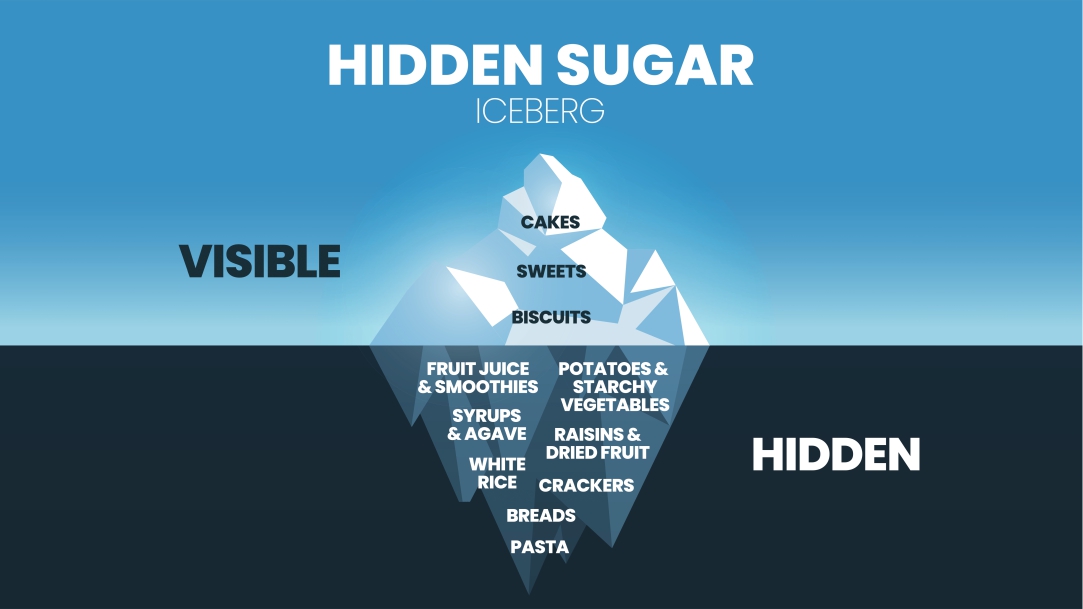
It’s surprisingly easy to eat too much sugar, even if you’re not a candy fan. Sugar is added to so much of the food we eat, sweet and savoury, for a multitude of reasons from balancing acidity to preventing spoilage. Often low-fat foods like yoghurt have added sugar to enhance the flavour, as do sauces like ketchup or barbecue sauce. Ready meals and pre-made soups often contain a lot of sugar too.
In the United States, it’s estimated that the average adult consumes 17 teaspoons of added sugar each day – deriving 14% of their total calories (4% higher than the recommended maximum 10%).
The trouble with sugar
So, what exactly is the problem with sugar?
For a start, a diet high in sugar is often lacking in the nutrients your body needs to function and feel its best. Foods that are high in added sugar are often also high in calories, while certain sugars trigger an increase in appetite and inhibit your body’s ability to realise it’s full. Ultimately, these issues can cause weight gain and potentially obesity.
Both high sugar intake and obesity dramatically increase your risk of Type 2 diabetes. Excess abdominal fat causes fat cells to release ‘pro-inflammatory’ chemicals that cause insulin resistance – the key characteristic of Type 2 diabetes. There is also evidence that high sugar diets can lead to inflammation, high triglycerides, blood sugar and blood pressure levels – all of which put you at high risk of heart disease.
Consuming vast quantities of sugar can also damage your skin. Sugary foods can cause blood sugar and insulin spikes and the resulting increase in androgen secretion, oil production, and inflammation can aggravate the skin and cause acne. Increased reactions between sugar and protein, furthermore, result in advanced glycation end products (AGEs) which can cause your skin to age prematurely.
Reducing your sugar intake
While a little sweet treat every now and then is perfectly fine, it’s good to keep things in moderation. Firstly, get to know your labels. Even products marketed as health products such as cereal bars can contain high levels of sugar – it’s always worth checking Options like Larabar, Kind bars or other brands using Stevia as the sweetener offer the health benefits without the sugar. Increase the protein in your diet with white fish, whole grains, nuts and tofu to help you stay full and less likely to binge on sugary treats. Cooking your own meals and snacks is also a good way to monitor how much sugar goes you’re your food.
If you’re concerned about your blood sugar levels, try products with cinnamon or ginseng such as N.B. Cinnamon or Ginseng. Vitamin D and magnesium supplements like Nature’s Bounty or Nature’s Truth supplements are also thought to help manage blood sugar, while probiotics like Culturelle, PB8 and Wellbiotics can also help. If you’re at all worried about your health or would like support improving your diet, your GP or local pharmacist will always be happy to help.
Stephanie Simons is the head pharmacist at Lindo’s Pharmacy in Devonshire. She earned her Bachelor of Science in Pharmacy at Massachusetts College of Pharmacy and has been practicing for over 20 years. She is a registered pharmacist with the Bermuda Pharmacy Council and is a member of the Bermuda Pharmaceutical Association.