Jan 1, 2023
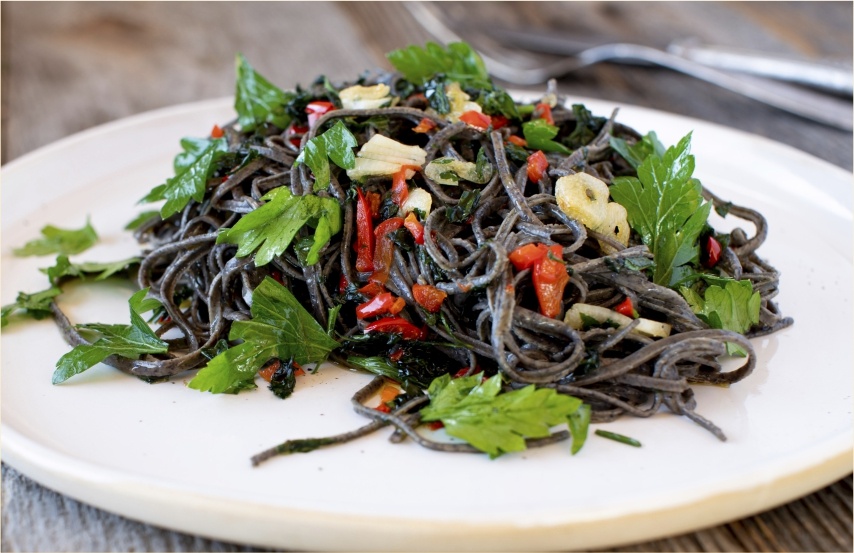
 When we think of pasta, we usually think of Italian cuisine; after all, pasta is the staple food of Italy, where hundreds of varieties are enjoyed daily.
While traveling in the Far East, the founder of the Explore Cuisine Company was surprised and impressed by the variety of exotic pasta he found, sampled, and enjoyed – and resolved to bring this knowledge back to enrich the cuisine of the West.
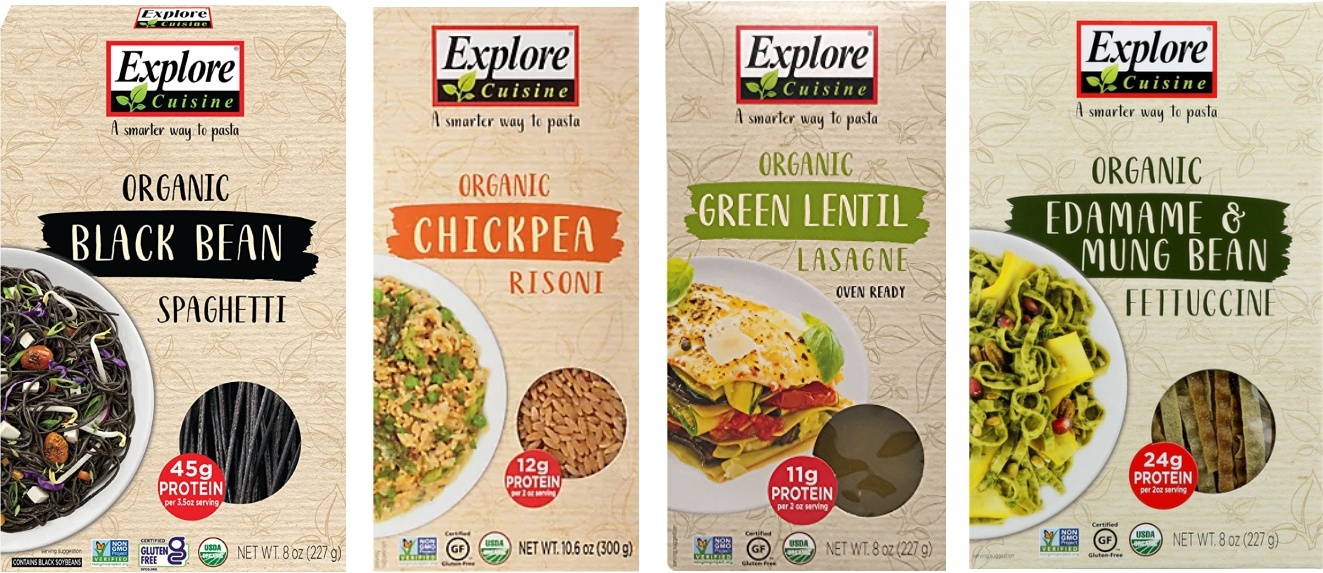
We’re featuring Explore Cuisine Organic Edamame Mung Bean Fettuccine, Green Lentil Lasagne, and Black Bean Spaghetti; and At Least Ninety-Five Percent Organic Chickpea Risoni.
Jan 1, 2023
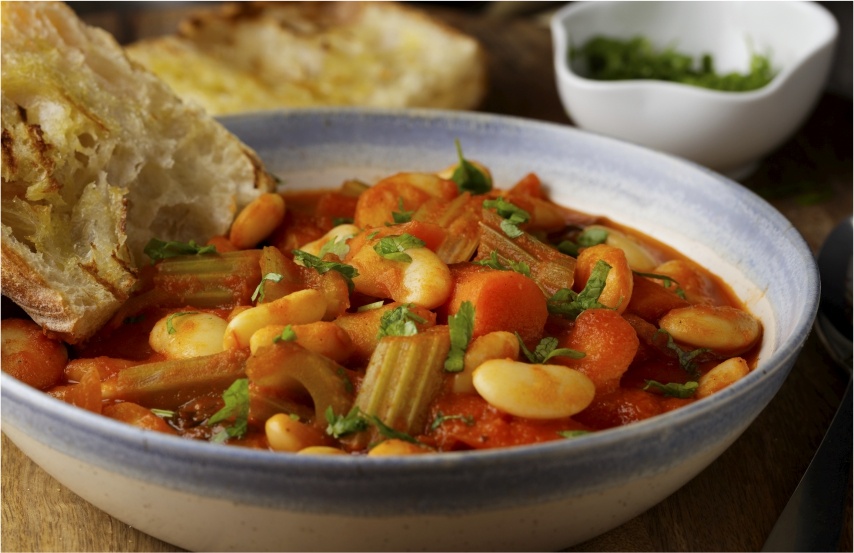
 We’re welcoming back another veteran player in the organic food business: Eden Natural Foods, who typically champion the cause of purity and pay close attention to the details of the chain of production, from farm to packing facility. Eden Foods, established in the nineteen-sixties, when organic products were just starting to attract the attention of the mainstream, were key pioneer of this new way of food curation.
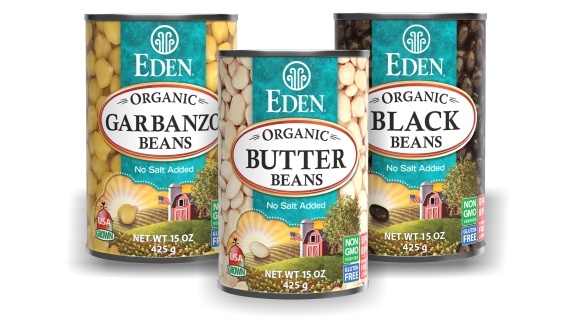
This month we’re featuring Eden Foods Organic Garbanzo, and Black Beans; and At Least Ninety-Five Percent Organic Butter Beans.
Jan 1, 2023

John Barritt and Son is bringing us something fresh and exciting for the new year: Bai Antioxidant Infusion Drinks. Bai delivers the natural antioxidant benefits of the coffeefruit in glorious combination with a variety of exotic fruit flavours, with only one gram of sugar and ten calories per bottle.
The folks at Bai are inviting us on a world tour through these amazing flavours: Brasilia Bluberry, Zambia Bing Cherry, Costa Rica Clementine, Malawi Mango, Panama Peach, Ipanema Pomegranate, Kupang Strawberry Kiwi, and more!
Jan 1, 2023

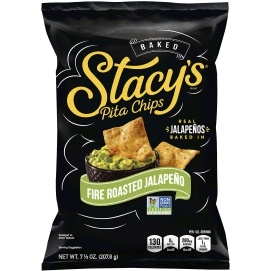 Most of the whole food products we feature are re-inventions of a popular mainstream item. A surprising exception is Stacy’s Pita Chips.
Twenty-odd years ago Stacy Madison, the owner of a historically successful sandwich cart in Boston, invented pita chips during a moment of inspiration to feed to the nearly overwhelming lines of customers waiting to be served. Thus was born Stacy’s Pita Chips — twice-baked and never fried — and enjoyed nationwide.
This month we’re featuring Stacy’s Fire Roasted Jalapeno Pita Chips.
Jan 1, 2023
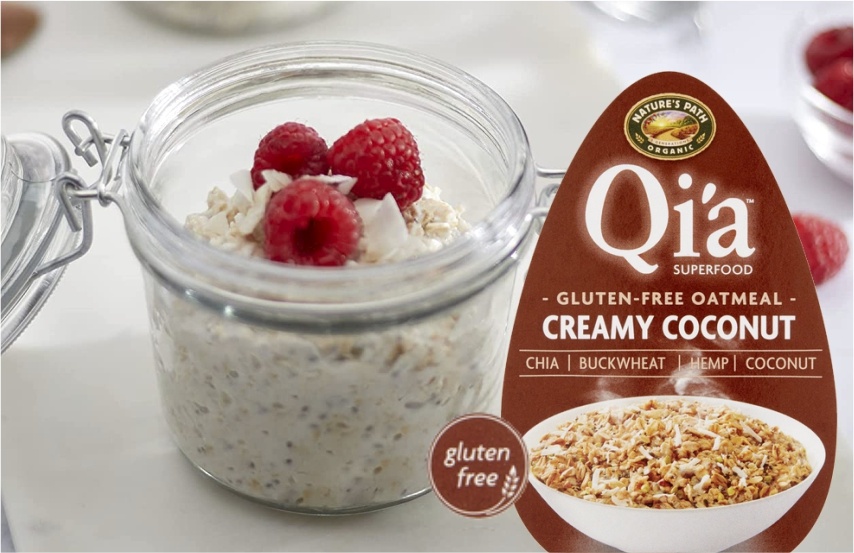
Nature’s Path is a renowned veteran of the development of the organic method of food production and their high-level skills are a testament to their decades of experience.
Nature’s Path is a family business that has invested its lives in the pursuit of ever-more-healthful production methods for its products in a thoroughly holistic way – and its aim is to leave the soil in better shape than it found it in.
This month, we’re featuring Nature’s Path Organic Super Seed and Grain, and Gluten Free Creamy Coconut Oatmeal.