Jan 12, 2015

By Stephanie Simons,
Head Pharmacist,
Lindo’s Pharmacy in Devonshire
The New Year is here! Many of us probably made resolutions for 2015. Most of these resolutions include a vow to become healthier.
If this sounds like you, Lindo’s has got you covered with the newest health and fitness trends for 2015. Here are some of them pertaining to both food and exercise.
 1) Real food
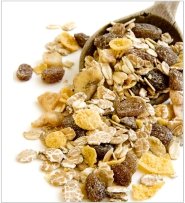
There’s been a rise in popularity of eating “clean,” wholesome foods and that trend is only growing. At its simplest, clean eating is about eating whole foods, or “real” foods — those that are not – or minimally – processed, refined, and handled, making them as close to their natural form as possible. These foods are more nutritious.
Diet foods, which are often heavily processed and loaded with artificial sweeteners and other suspect ingredients, seem to be losing their appeal. Now, people are filling their plates with real foods like veggies, fruit, nuts, seeds, whole grains and lean protein, all of which are much better for you and your family than processed diet foods.
 2) Snacks
No, I’m not saying to start your day with a donut to go with your morning cup of coffee or a bag of chips from the vending machine in the afternoon. Snacking is an important component of living clean and healthy, but, you have to choose smart snacks. Smart snacks include nibbles that are calorie-appropriate (less than 200 calories) and made up of the right nutrients – fiber and/or protein with bonus points for healthy fat. Not only will these nutrients help to stabilize blood sugar levels, but you’ll also maintain your energy levels and focus.
 3) Local ingredients
There’s been a global movement towards organic, locally-sourced, and humanely raised produce and meats. For us, this means buying our vegetables, fruit and meat from Bermuda’s farms. We care about not only how the food tastes and if it’s good for us, but if it’s good for the Earth and everyone involved in the development of that food. Eating local means you know where you food comes from which is not only more nutritious but it’s also more sustainable. It’s really that simple. (more…)
Dec 1, 2014
By Stephanie Simons,
Head Pharmacist,
Lindo’s Pharmacy in Devonshire
Breast milk or formula? It’s been an age-old debate since formula came into existence in the 1920s. Many mothers firmly believe breast is best and exclusively breast feed. Others breastfeed and supplement with a formula that works well for their babies. And still, there are mothers who exclusively use formula.
Of course, I’m not here to tell you how to feed your child or which method is best, because at the end of the day, it is a very personal choice. However, this month, we are discussing the benefits of breastfeeding your baby.
Breastfeeding is one of the most enjoyable and satisfying aspects of new motherhood, but mastering the art of breastfeeding takes time. The first few weeks can be difficult, and many women give up before they and their babies experience all the benefits.
Understanding how breastfeeding improves your health and the health of your baby can keep you motivated and increase your chances of success. Here are great reasons to keep trying.
Nutrients and Protein – Breast milk is the best food to help your baby to grow and develop. It is custom-made for your baby and contains the perfect amount of protein, carbohydrate, fat, vitamins and minerals. As your baby grows, your milk changes to keep up with his or her needs. Human milk is also easier for your baby to digest than formula.
Breast milk contains valuable antibodies that help prevent disease and may reduce the risk of your baby developing allergies. After birth, a mother’s first milk, called Colostrum, offers vital early protection and helps to prevent the growth of harmful bacteria by coating your baby’s digestive system. This early protection is even more important if your baby is born prematurely. (more…)
Sep 16, 2014
We’re all human. We catch a cold, we get scrapes and minor burns, and upset stomachs. While you can’t always prevent common health ailments you can make sure you have a well-stocked medicine cabinet to keep the things on hand that will help make life more comfortable and avoid a trip to the doctor. To help you decide what’s really necessary, we’ve compiled a list of medicine cabinet must haves.
Worth Noting: Although most medicine cabinets are found in bathrooms where humidity  and heat abound, it isn’t the ideal place to store prescription or over-the-counter medicines (vitamins, antihistamines, pain relievers like Tylenol and aspirin, Pepto-Bismol, etc). Instead, store those items in a cool, dark and dry place in another room, and out of reach of children.
Take stock: Pharmacists and doctors advise that you clean out your medicine cabinets once a year and replace any outdated medicines or other supplies that may be damaged or old. To avoid contaminating the environment, follow label instructions when disposing expired drugs. When in doubt, talk to your pharmacist. You can always bring outdated drugs to Lindo’s Pharmacy for safe disposal.
Always check with your doctor or pharmacist first before using any over-the-counter treatment or medicine.
Plain Hand Soap
Old fashioned soap and water is still the best way to clean cuts and scrapes.
Isopropyl alcohol
Also known as rubbing alcohol, isopropyl alcohol kills bacteria on contact. Use for cleaning personal items like tweezers and nail clippers. (more…)
Jul 3, 2013
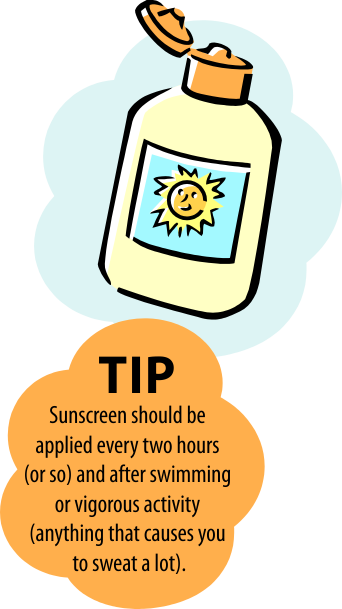 Use sunscreen every day of the year!
Bermuda, because of our sub-tropical climate, has a high UV index most days of the year. Adults and kids alike, should apply a water-resistant sunscreen that protects against both UVA and UVB rays every day of the year.
Choose a sunscreen that is at least SPF 30 and apply it 15 to 30 minutes before going outside. Always apply according to manufacturer’s directions, and if you’re using both sunscreen and insect repellent, apply sunscreen first and then repellent. (more…)
Oct 9, 2012
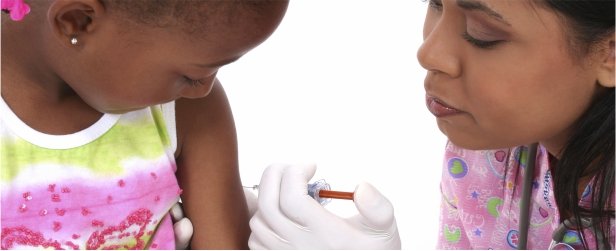 We’ve all heard the saying, “An ounce of prevention is worth a pound of cure.” While it certainly isn’t easy avoiding getting sick, especially if your kids and office colleagues are ill, there are some preventative measures you can take to lessen your chances of contracting a cold or influenza.
The single most important thing you can do to protect yourself against influenza is making sure you schedule a yearly vaccine. Influenza is a highly contagious, serious disease which can lead to complications requiring hospitalization or even death. For this reason the Centers for Disease and Control recommends everyone under the age of 6 months receive a flu shot, especially those people who may be at high risk for flu-related complications. High risk people include young children, pregnant women, people with chronic health conditions like asthma, diabetes or heart and lung disease and people 65 years and older. It is also recommended health care workers and care givers be vaccinated as they could potentially pass on the flu to high risk people they come in contact with daily. (more…)
Aug 5, 2012
 Republished with the permission of the Bermuda Sun
by Stephanie Simons – Lindo’s Head Pharmacist
WEDNESDAY, AUGUST 1: Summer in Bermuda is all about outdoor activities. Unfortunately, skin rashes caused by the sun, heat or swimming are common and can put damper on all the fun.
Solar dermatitis or sun rash is caused by exposure to strong sunlight or sunburn. It’s common here in Bermuda because we spend a lot of time in the sea and water reflects sunlight making the rays even stronger. The small, red bumps or blisters of sun rash can be extremely itchy. (more…)