We’re all human. We catch a cold, we get scrapes and minor burns, and upset stomachs. While you can’t always prevent common health ailments you can make sure you have a well-stocked medicine cabinet to keep the things on hand that will help make life more comfortable and avoid a trip to the doctor. To help you decide what’s really necessary, we’ve compiled a list of medicine cabinet must haves.
Worth Noting: Although most medicine cabinets are found in bathrooms where humidity 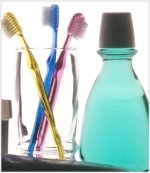 and heat abound, it isn’t the ideal place to store prescription or over-the-counter medicines (vitamins, antihistamines, pain relievers like Tylenol and aspirin, Pepto-Bismol, etc). Instead, store those items in a cool, dark and dry place in another room, and out of reach of children.
Take stock: Pharmacists and doctors advise that you clean out your medicine cabinets once a year and replace any outdated medicines or other supplies that may be damaged or old. To avoid contaminating the environment, follow label instructions when disposing expired drugs. When in doubt, talk to your pharmacist. You can always bring outdated drugs to Lindo’s Pharmacy for safe disposal.
Always check with your doctor or pharmacist first before using any over-the-counter treatment or medicine.
Plain Hand Soap
Old fashioned soap and water is still the best way to clean cuts and scrapes.
Isopropyl alcohol
Also known as rubbing alcohol, isopropyl alcohol kills bacteria on contact. Use for cleaning personal items like tweezers and nail clippers.
An assortment of bandages and Band-Aids
After cleaning a wound, a simple bandage is all you need to cover and protect it. Make sure you have a variety of sizes to cover different size wounds and gauze pads and paper tape for securing gauze.
Elastic Wrap or Ace bandage
These bandages are excellent for providing support for a sprained joint.
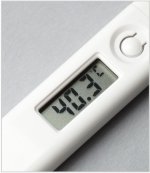
Easy to read, easy to use. Digital thermometers are safe and accurate.
Thermometer
Thermometers help monitor fever, which is usually the sign of an infection. You have a fever if the thermometer reading is 100.5 degrees or above. Temperatures of 99 degrees can be considered quite normal and should not raise alarm.
NOTE: Ditch the mercury thermometer and switch to a safer alternative! Digital thermometers are a safe, and accurate alternative. Mercury is a neurotoxin that poisons our nervous systems, damaging the brain, spinal cord, kidneys and liver. It also affects our hearing, speech and sight, and influences our cognitive abilities and emotional health. It’s also bad for the environment. Always dispose of responsibly.
Tweezers
A must have for removing small areas of unwanted hair, tweezers are also the best tool for removing thorns, splinters, or anything else lodged under the skin.
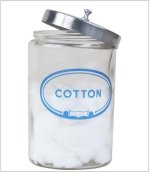
Handy for applying liquids to skin, cotton balls are gentle enough to use on newborns.
Cotton Balls
Use to apply liquids to skin without making a mess. Very handy for removing makeup too!
Dental Floss
Flossing removes plaque from between your teeth and from under the gum line where bacteria hide. Flossing is the easiest way to prevent the gum disease gingivitis. Apart from destroying your gums and teeth, gingivitis increases your risk of heart attack and stroke. So floss daily, and after meals!
Toothbrush
It’s a good idea to keep your toothbrush in the medicine cabinet. Studies have shown that every time you flush the toilet, microscopic germs are dispersed into the air and settle on surfaces throughout the bathroom – including your toothbrush! Keep a spare toothbrush there too as you should change your toothbrush every 3 months.
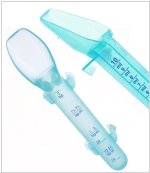
Calibrated measuring spoons accurately measure liquid medicines.
Calibrated Measuring Spoon
Getting a spoon out of your cutlery drawer to measure out medicine is a bad idea. It’s important to take medicines in the correct dose. Too little and the medicine won’t relieve your symptoms. Too much and you could find yourself with additional, and sometimes serious health problems. Purchase a calibrated measuring spoon! This useful gadget makes it easy to administer the correct dosage for children and adults every time.
Muscle Cream and Patches
We can all be weekend warriors and then pay the price with sore, aching muscles. Soothe sore muscles and back aches with topical creams and patches. Remember all topical remedies are absorbed by the skin into the bloodstream so use sparingly, and only when necessary. Dr. Oz recommends Tiger Balm – “This nearly 100-year-old remedy contains active ingredients, including camphor, that create a heating effect and help ease pain.”
While not recommended to store in a bathroom medicine cabinet, the following items are still a must to have stored safely in a cool, dry place in another room in the house:
Aspirin
Apart from aiding a pounding headache or minor aches and pain, aspirin can be a life-saver if you think you or someone in your household is having a heart attack. The blood-thinning properties in aspirin can help reduce damage to your heart by helping to break down an artery blocking clot. Keep the uncoated aspirin as that can be chewed; the coated product should not be cut or chewed.
NOTE: Don’t ever give your child aspirin unless your child’s doctor prescribes it. Aspirin use in children has been linked to a rare but potentially fatal illness known as Reye’s syndrome.
Antihistamine
Useful for minor allergic reactions – red itchy rashes, sneezing, watery eyes and hives. Stock Benadryl (diphenhydramuine) to quickly relieve symptoms. Get urgent care for a severe allergy reaction – tongue or lip swelling, and trouble breathing.
Antibacterial ointments
Neosporin, Bacitracin, or Polysporin – antibacterial creams for applying to skin for minor wounds and burns, help reduce infection and speed healing time.
Pain relievers
Ibuprofen (Advil) or acetaminophen (Tylenol) are safe for minor pain but read directions carefully and do not take more than the recommended dosage at one time.
Other cautions: Ibuprofen isn’t recommended for babies under 6 months (If your baby is under 3 months old, check with your doctor before using any medications). And make sure to use the correct dosage of any medications you give your child. There are specific pain and fever reducing medicines for children, so keep some on hand. Always read the directions for child’s age and weight. Children’s dosages are dependent on weight.
Hydrocortisone cream
A useful remedy for reducing inflammation and itching caused by poison-ivy, insect bites and other common rashes.
Hydrocortisone is a steroid hormone with many known side-effects so use sparingly and only as long as directed on the label. If symptoms persist after a few days see your doctor.
Calamine Lotion
Calamine lotion is a skin protectant. It works by soothing and protecting the skin. A good bet for itchy insect bites and rashes – especially oozing rashes. Avoid getting this medication in the eyes, mouth, nose, and genital/anal areas. If you do get the medication in those areas, flush with plenty of water.
Antifungal Creams
Fungi overgrowth can cause infections in skin and nails, the vagina, the mouth and the sinuses. These should all be treated by your doctor. More common infections like athlete’s foot can usually be treated with non-prescription fungal medicines. There’s a variety of forms like cream, spray, gel and powders. Ask your pharmacist which one is right for you.
Try a natural alternative: Tea Tree Oil is a natural antimicrobial oil that can be applied straight to the skin and can treat a range of fungal infections, including athlete’s foot.
Emergency Numbers
In case of an emergency, have a list of contact information where you can find it or keep it in your medicine cabinet. Have a list of any allergies, your doctor’s name and contact information and the local Emergency Department number, poison control, etc.