Jul 8, 2015

By Stephanie Simons,
Head Pharmacist,
Lindo’s Pharmacy in Devonshire
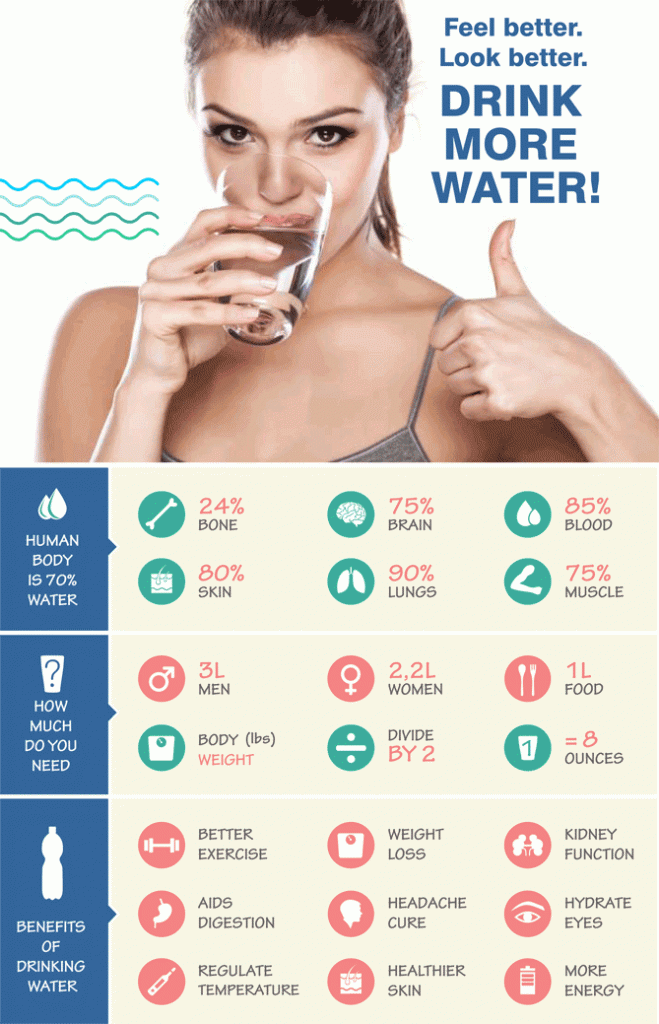
Summer is officially here and for us in Bermuda, that means months of long, hot, humid days with temperatures in the mid-80s for the majority of the day. Summer is the season for fun, but you must also make sure you focus on your health as well.
Dehydration is very common in the summer months when we tend to be very busy and forget to hydrate. The combination of hot sun and lack of water can be dangerous and even deadly.
So what exactly is dehydration? There are several types and levels of dehydration. The simple definition of dehydration is the excessive loss of body fluids in which the body needs more fluids than are being input to function normally. The body fluids that are lost are either one or the other of the following or a combination of the two – water loss and electrolyte loss.
Electrolytes are substances that become ions in a solution and are able to conduct electricity. They are present in the human body and essential for normal functioning of organs and cells. There are four main types of electrolytes found in the body – sodium, potassium, chloride and bicarbonate.
When it comes to fluid loss, there are three main types of dehydration – hypotonic or hyponatremic, hypertonic or hypernatremic and isotonic or isonatremic. Hypotonic or hyponatremic is the loss of electrolytes, mostly sodium. Hypertonic or hypernatremic is the loss of water, and finally isotonic or isonatremic is the loss of both water and electrolytes.
Now that we know what causes dehydration, let’s look at symptoms and signs. (more…)
Jun 3, 2015
By Stephanie Simons,
Head Pharmacist,
Lindo’s Pharmacy in Devonshire
This month, we are looking exclusively at men’s health issues as June is Men’s Health Month. The purpose of Men’s Health Month is to heighten the awareness of preventable health problems and encourage early detection and treatment of disease among men and boys.
So what are the biggest health risks for men? Here we take a look at six of the top diseases and health risks that could cause serious health issues for men.
Heart Health
- Heart disease comes in many forms, all of which can lead to serious, fatal complications if left undetected, such as high blood pressure or high cholesterol. The American Heart Association indicates more than one in three adult men has some form of cardiovascular disease and black men account for 100,000 more cardiovascular disease mortality cases than white men. Stroke targets an estimated 2.8 million men and high blood pressure is common in younger males. Preventing heart disease can be as easy as not smoking or quitting if you do, exercising for 30 minutes a day and eating a healthy, balanced diet. Omega-3 supplements are excellent for heart health.
 Chronic Obstructive Pulmonary Disease (COPD) and Other Respiratory Diseases
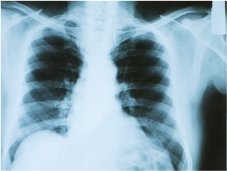
- Many respiratory diseases start with an innocent “smoker’s cough.” But over time, that cough can indicate life-threatening conditions such as lung cancer, emphysema, or COPD, all of which interfere with normal breathing. According to the American Lung Association, each year, more men are diagnosed with and develop lung cancer than in years past. We carry over the counter nicotine patches and gum which can be used as part of a smoke cessation programme. The best way to prevent these diseases is to stop smoking and limiting your exposure to second hand smoke.
Alcohol
- According to the Centers for Disease Control and Prevention, men face higher rates of alcohol-related deaths and hospitalisations than women do. Men binge drink twice as much as women. Alcohol consumption increases risk for cancer of the mouth, throat, esophagus, liver and colon. Alcohol also interferes with testicular function and hormone production, resulting in impotence and infertility. It’s fine to have a few drinks, but remember to drink in moderation.

Take care. You’re not Superman!
Unintentional Injuries and Accidents
The Centers for Disease Control and Prevention listed unintentional injury as a leading cause of death for men. This includes drowning, traumatic brain injuries and road traffic collisions. Men tend to think they can do anything but remember, you are not Superman. Be careful!
Liver Disease
- Your liver is the size of an American football. Its functions include digesting food, absorbing nutrients and ridding the body of toxic substances. Liver disease includes conditions such as cirrhosis, viral hepatitis, autoimmune or genetic liver diseases, bile duct or liver cancer and even alcoholic liver disease. According to a study posted by the American Cancer Society, alcohol and tobacco use increase your chance of developing liver disease, so it’s best to limit alcohol intake and stop smoking. For liver disease, milk thistle is a good supplement to take and men should curb their use of acetaminophen (Tylenol), because it can cause liver damage.
Diabetes
- Diabetes is a serious disease and if left untreated, diabetes can lead to nerve and kidney damage, heart disease and stroke and even vision problems or blindness. Men with diabetes face greater risk for sexual impotence and lower testosterone levels, which can lead to increased depression or anxiety. Increasing your physical activity and eating healthier can make a huge difference in caring for diabetes. In addition, regular professional care is crucial for keeping your diabetes management on track.
In addition to keeping an eye out for these health concerns, taking a regular multivitamin is an important part of being healthy as many men aren’t able to meet their daily nutritional requirements from their diets alone. Some of the men’s multivitamins like One-A-Day Men’s and Centrum Men’s formulas are great options.
Living a healthy lifestyle can lead to a more fulfilling life. By taking a few preventative measures and having regular health checks, you can keep your health on track!
Stephanie Simons is the head pharmacist at Lindo’s Pharmacy in Devonshire. She earned her Bachelor of Science in Pharmacy at Massachusetts College of Pharmacy and has been practicing for over 20 years. She is a registered pharmacist with the Bermuda Pharmacy Council and is a member of the Bermuda Pharmaceutical Association.
May 11, 2015


By Stephanie Simons,
Head Pharmacist,
Lindo’s Pharmacy in Devonshire
May is National Melanoma/Skin Cancer Detection and Prevention Month and with summer right around the corner, it’s a good time to think about how to protect your skin from the sun. The month is dedicated to increasing public awareness of the importance of prevention, early detection and treatment of skin cancer. More than 3.5 million skin cancers are diagnosed annually in more than 2 million people.
Types of skin cancer include Basal Cell Carcinoma, Melanoma and Squamous Cell Carcinoma. (more…)
Apr 6, 2015
By Stephanie Simons,
Head Pharmacist,
Lindo’s Pharmacy in Devonshire
Many of us experience gas, bloating and cramps on a regular basis but don’t know where it comes from. Yes, it could be something we ate, or it could be something more serious like Irritable Bowel Syndrome (IBS).
According to the American Gastroenterological Association, IBS is a common disorder of the intestines that leads to crampy pain, gassiness, bloating and changes in bowel habits. Some people with IBS have constipation, others have diarrhea and some people experience both. Sometimes the person with IBS has a crampy urge to move the bowels but cannot do so. It’s a chronic and unpredictable condition with symptoms that can change over time.
If these symptoms sound familiar to you, you might have IBS. April is IBS Awareness Month, so we’re helping to raise awareness of this health issue. Of course, you will need a doctor to diagnose you. IBS is usually diagnosed after doctors identify certain symptoms that are typical for the condition and are present after excluding other illnesses. The doctor will take a complete medical history that includes a careful description of symptoms.
Millions of people live with IBS every day. There isn’t a cure, yet, but there are ways to improve your quality of life. It may take some detective work by you and your doctor before you find what works best.
There are many triggers of IBS, which you should be aware of if you have it. Many people report that their symptoms happen after a meal. Eating causes contractions of the colon. Normally, this response may cause an urge to have a bowel movement within 30 to 60 minutes after a meal. In people with IBS, the urge may come sooner and may be associated with pain, cramps and diarrhea. Certain foods may trigger spasms in some people. Sometimes the spasm delays the passage of stool, leading to constipation.
The kinds of foods you eat can also affect people with IBS. Foods such as caffeine, chocolate, fatty foods or alcohol can cause loose stools. In addition, women who have IBS tend to experience more symptoms because reproductive hormones can increase IBS symptoms.
Other triggers include stress, fatigue, overeating, or lack of exercise. All of these can produce intestinal symptoms of diarrhea, constipation or discomfort in everyone, but more so in those with IBS who seem more sensitive to these events.
So what can you do to treat IBS? First things first, start with a good diet. But before you make changes, it might be a good idea to record everything you eat in a food journal and note which items cause IBS symptoms. Once you’ve tracked your food, discuss the journal with your doctor. For instance, if you find that dairy causes your symptoms to flare up, he might suggest you decrease your intake.
Sometimes it is not what you eat but the amount you eat that activates IBS symptoms. Many find that eating smaller portions more frequently can reduce symptoms.
Incorporating more fiber into your diet also can help. High-fiber diets keep the colon mildly distended, which may help to prevent spasms from developing. Whole-grain breads, cereals and beans are good sources of fiber for patients with IBS. However, in some cases, fiber aggravates IBS so keeping a food diary is important.
The good news is that there are ways to manage IBS so that you can feel better. . The key is finding a healthcare provider who will work with you over the long term to help you treat your IBS.
Stephanie Simons is the head pharmacist at Lindo’s Pharmacy in Devonshire. She earned her Bachelor of Science in Pharmacy at Massachusetts College of Pharmacy and has been practicing for over 20 years. She is a registered pharmacist with the Bermuda Pharmacy Council and is a member of the Bermuda Pharmaceutical Association.
Mar 9, 2015
By Stephanie Simons,
Head Pharmacist,
Lindo’s Pharmacy in Devonshire
Getting your family to eat clean, healthy foods can be very difficult. But, it’s not impossible. March is National Nutrition Monday and it’s a great time to turn a new leaf in your family’s diet and incorporate proper nutrition into your routine for more sound eating habits.
Healthy eating is not about strict dietary limitations, staying unrealistically thin or depriving yourself of food. Rather, it’s about feeling great, having more energy and stabilizing your mood. It’s also important to have the whole family on board — well, to some degree. For instance, if you and your husband love green smoothies in the morning but your kids don’t like them, let them try fruit smoothies instead. Or substitute oatmeal for sugary cereals with a dab of peanut butter and a few chocolate chips!
If you feel overwhelmed by all the conflicting nutrition and diet advice out there, you’re not alone. It seems that for every expert who tells you a certain food is good for you, you’ll find another saying exactly the opposite. But generally, it’s best to consume healthy foods such as fruits, vegetables and whole grains on a daily basis.
Check out these tips, which will have your whole family eating healthy in no time!

Kid’s love pizza? No problem, just remember to sneak in those veggies. Add spinach, peppers, mushrooms, squash, onion, broccoli, or whatever suits your fancy. Chances are the kids won’t even notice they’re there.
Gradually make healthy swaps and stop buying junk.
Don’t announce to your family that you are making changes or that you won’t be buying certain foods any more. You’ll immediately get backlash. Just slowly start making healthier swaps and stop buying one unhealthy product at a time. For instance, buy whole-wheat pasta instead of regular refined-grain pasta but don’t mention it. Just cook it as you normally would. Your family will have no clue when you add tomato sauce!
Make flexible food rules.
Don’t make strict rules about what is and isn’t allowed in the house or what your kids can and can’t eat. Forbidding something only makes them want it more, and it can also give them hang-ups about food. Try to stick with the “everything in moderation” approach. Also, watch portion sizes and teach them to stop eating when they are full.

Most kids love to help out in the kitchen. Helping out mom or dad whilst learning about the importance good, nutritious food, and how to cook it, is a valuable life lesson.
Get the kids cooking.
Children are naturally curious so why not use that curiosity to your advantage. Get your kids in the kitchen next time you cook so that they can help you. Give your kids small responsibilities such as mashing the potatoes or grating cheese. This will serve as a lesson on nutrition and food safety but all they will think they are doing is helping mommy or daddy. Involving children in food preparation will help them take their nutrition in hand and encourage them to enjoy all of mealtime, not just eating.
Sneak in veggies.
This is an easy way to get instant results. If you child loves macaroni and cheese, add butternut squash puree to the cheese sauce. If he or she is a pizza fanatic, add sautéed spinach or kale to the pizza sauce and top with mozzarella cheese. You child will likely not even notice the vegetables but you will be happy knowing that your picky eater is getting nutrients!
Stay positive.
Yes, getting your family to eat healthy is the goal but try to remain positive throughout the process even if not every day is a success. Don’t walk around calling yourself fat or getting upset if the process is more difficult than you thought. Children are listening whether you realise it or not. A healthy lifestyle is a life-long journey, and you’re helping your family take their first steps.
These are just a few tips on getting your family on board the healthy eating train. Make it fun and don’t be surprised when your kids start to enjoy healthy foods! For more information on eating well, you can visit the Department of Health’s “Eat Well” resource at http://www.eatwell.gov.bm/portal/server.pt
Stephanie Simons is the head pharmacist at Lindo’s Pharmacy in Devonshire. She earned her Bachelor of Science in Pharmacy at Massachusetts College of Pharmacy and has been practicing for over 20 years. She is a registered pharmacist with the Bermuda Pharmacy Council and is a member of the Bermuda Pharmaceutical Association.
Feb 9, 2015
By Stephanie Simons,
Head Pharmacist,
Lindo’s Pharmacy in Devonshire
This could be your year to quit smoking. Many have done it and you can too. In the words of one of Bermuda’s most beloved smokers, Mark Twain: “Giving up smoking is the easiest thing in the world. I know because I’ve done it thousands of times.”
Okay, maybe not the best inspiration, but even Mr. Twain could have quit for good if he had set his mind to it!
Smoking is an addiction, and, as with any addiction, it can be very difficult to stop. The first – and most important – step is to decide to quit. Then you can find the best way to do it. Every person is different and not every method is going to work.
The most drastic and immediate approach is to go “cold turkey”. That means abruptly stopping with no support, tricks or outside help. Unfortunately, only four to seven percent of smokers are successful at quitting cold turkey; most need to consider an alternative approach.
So what’s the next step? Regardless of how you proceed, take some time to write a list of all the reasons you want to quit – these can include better health, saving money, playing with your children and so on. Read this list often, especially when you are tempted to pick up a cigarette. (more…)