
By Stephanie Simons,
Head Pharmacist,
Lindo’s Pharmacy in Devonshire
Summer is officially here and for us in Bermuda, that means months of long, hot, humid days with temperatures in the mid-80s for the majority of the day. Summer is the season for fun, but you must also make sure you focus on your health as well.
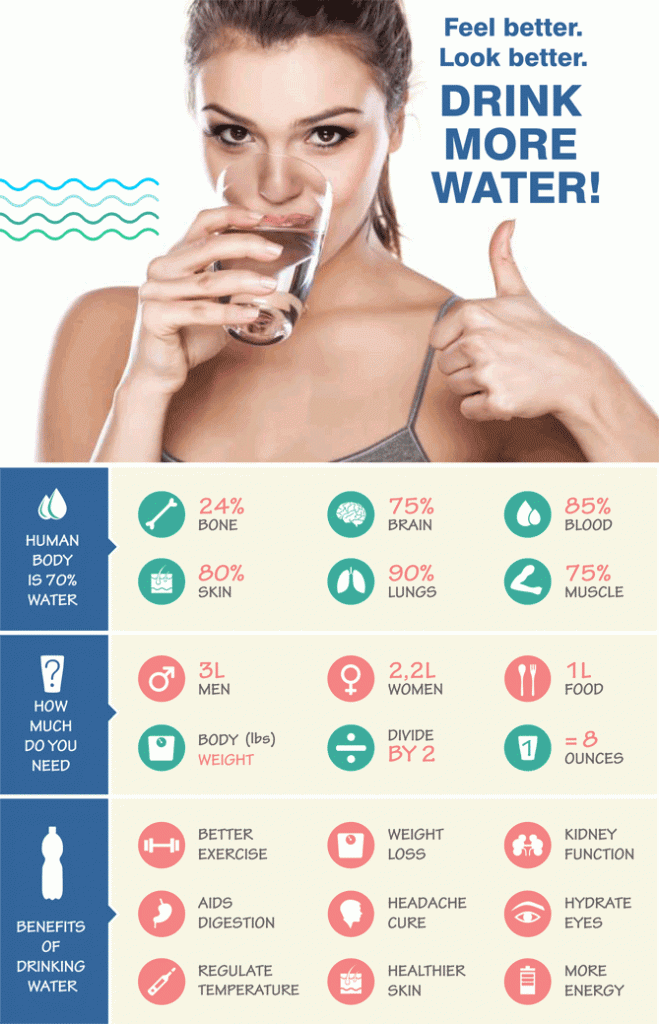
The human body and water – QUICK FACTS. Click to enlarge.
Dehydration is very common in the summer months when we tend to be very busy and forget to hydrate. The combination of hot sun and lack of water can be dangerous and even deadly.
So what exactly is dehydration? There are several types and levels of dehydration. The simple definition of dehydration is the excessive loss of body fluids in which the body needs more fluids than are being input to function normally. The body fluids that are lost are either one or the other of the following or a combination of the two – water loss and electrolyte loss.
Electrolytes are substances that become ions in a solution and are able to conduct electricity. They are present in the human body and essential for normal functioning of organs and cells. There are four main types of electrolytes found in the body – sodium, potassium, chloride and bicarbonate.
When it comes to fluid loss, there are three main types of dehydration – hypotonic or hyponatremic, hypertonic or hypernatremic and isotonic or isonatremic. Hypotonic or hyponatremic is the loss of electrolytes, mostly sodium. Hypertonic or hypernatremic is the loss of water, and finally isotonic or isonatremic is the loss of both water and electrolytes.
Now that we know what causes dehydration, let’s look at symptoms and signs.
If you want to avoid health problems from dehydration it’s vital to listen to your body and drink water throughout the day. Drinking water is the best way to prevent and beat dehydration, especially during the warm summer months when we are all prone to sweat even more so than usual.
Drinking the recommended eight to ten, eight-ounce glasses of water on a daily basis is crucial to maintain a healthy body not just in the summer months but throughout the year.
Symptoms of dehydration include dry mouth, sleepiness, thirst, decreased urination, muscle weakness or cramping, fatigue, headache and dizziness. Hypernatremia is similar to dehydration but is characterised by loss of water more than electrolytes. Symptoms include warm, velvety skin, dry mucus, twitching, lethargy, irritability, confusion, rigidity, convulsions and complaints of extreme thirst.
Luckily, dehydration is easily preventable. The best way to avoid dehydration, particularly during hot summer months, is to be sure you drink the recommended amount of pure water on a daily basis. If you are exerting yourself or out in the heat, drink even more water.
Drinking water comes naturally to many people but there are others who struggle and don’t drink enough H20. Develop a routine that suits your lifestyle to ensure you drink enough water every day. It you sit at a desk all day, it may be easier to schedule your drinking. But if you’re mobile, make sure you take the water with you or replenish your bottle throughout the day.
 When you realise the high price your body will pay from a serious case of dehydration or hypernatremia, you’ll understand the importance of getting your daily allowance.
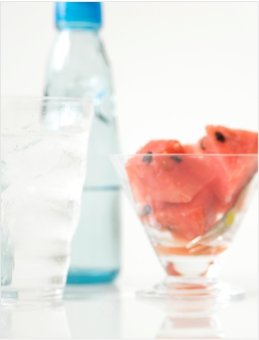
In addition to water, here are the top ten hydrating foods: coconut water, celery, watermelon, cucumber, kiwi, bell peppers, citrus fruits, carrots, cultured dairy (yogurt) and pineapple. These foods and drinks are all portable and can be packed in your lunch or for snacks. While they won’t replace water, they will add hydration to your body.
Have fun this summer and enjoy spending time outdoors, but remember to keep yourself hydrated!
Stephanie Simons is the head pharmacist at Lindo’s Pharmacy in Devonshire. She earned her Bachelor of Science in Pharmacy at Massachusetts College of Pharmacy and has been practicing for over 20 years. She is a registered pharmacist with the Bermuda Pharmacy Council and is a member of the Bermuda Pharmaceutical Association.