Aug 8, 2017


By Stephanie Simons,
Head Pharmacist,
Lindo’s Pharmacy in Devonshire
August is Breastfeeding Month. A natural bonding experience between a mother and her baby, breastfeeding can be one of the most significant things you do in the early days of your baby’s life. But it isn’t for everyone. For a variety of reasons, some parents choose to feed their baby formula instead of breast milk, or a combination of the two.
Whatever decision a mother makes for feeding her baby is a personal one and is therefore the right decision for her situation. The important thing is to understand the facts so the choice is well-informed and healthy for baby, mom, and the whole family.
Breastfeeding is nature’s way of feeding your baby. Breast milk is full of lactose, protein and fats that are easily digested by baby’s little tummy. It delivers a healthy dose of antibodies to fight viruses and bacteria with every feeding, and can even lower the risk of some illnesses including asthma, allergies, ear infections, respiratory illness and possibly diabetes, obesity and some cancers.
 There are benefits for mom as well. A breastfeeding mother can burn up to 500 calories a day, which aids in losing unwanted baby weight. Breastfeeding helps shrink the uterus, which also helps mom get back to pre-baby shape. It lowers mom’s risk for breast and ovarian cancers and might help protect against osteoporosis. It’s also free, and doesn’t require equipment that can be bulky and require sterilization. And best of all, it’s a unique opportunity for mom and baby to bond.
But as natural as breastfeeding is, it doesn’t always come naturally. Sometimes baby has trouble latching properly, which makes feeding challenging and can cause sore nipples. This happens especially during the first few weeks of feeding and can be relieved by holding a bag of ice or frozen peas on the area. Clogged ducts, cracked and dry nipples and mastitis are other problems that can usually addressed by a breastfeeding consultant or your doctor.
Creams specifically for sore breasts, breast pads and special breastfeeding aids are available in our pharmacy to help nursing moms. And ask the pharmacist about the best supplements for breastfeeding moms.
Contact La Leche League at 236-1120 for help as soon as you experience a problem, so breastfeeding doesn’t become frustrating or a source of stress for you and your baby.
 Not all moms experience problems and the majority have an overall positive experience. If you follow a healthy diet, get as much rest as possible and drink plenty of fluids, you and your baby will enjoy this time together.
For some moms, however, breastfeeding isn’t the best option. A decision to not breastfeed can stem from a mother’s comfort level, stress, lifestyle, convenience, some medical conditions and sometimes frustration from early problems with breastfeeding. For these moms, infant formula is a healthy alternative.
Formulas are designed to be similar to breastmilk, with a combination of proteins, sugars, fats and vitamins. Formulas even contain some nutrients – such as Vitamin D – that are not found in large quantities in breastmilk. They come in a variety of types to fit parents’ and baby’s needs.
Feeding by formula allows for the father and others to participate in feeding. Formula is not digested as easily as breast milk, so feedings are not required as frequently. And feedings with a bottle can still be a special bonding moment between mom and baby.
Whatever your choice for feeding your baby, cherish the time. Those quiet moments while feeding – even in the middle of the night – will pass before you know it. Take the time to quietly snuggle your little one and know you are giving them a great start.
Stephanie Simons is the head pharmacist at Lindo’s Pharmacy in Devonshire. She earned her Bachelor of Science in Pharmacy at Massachusetts College of Pharmacy and has been practicing for over 20 years. She is a registered pharmacist with the Bermuda Pharmacy Council and is a member of the Bermuda Pharmaceutical Association.
Jul 10, 2017
By Stephanie Simons,
Head Pharmacist,
Lindo’s Pharmacy in Devonshire
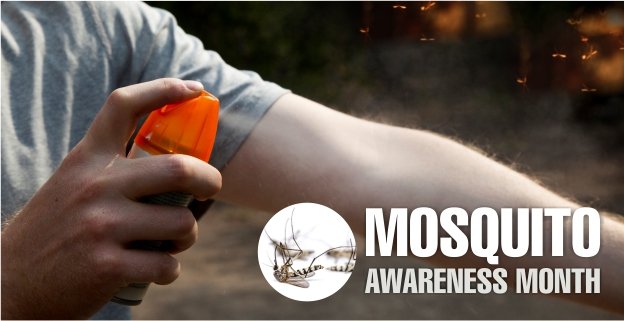
July is mosquito awareness month, which is fitting as they are starting to come out in Bermuda now. While we have had a very dry spring, the recent rains will be encouraging an explosion in the mosquito population.
Mosquitos lay their eggs in standing water, and most take 10-15 days to develop, which is why it is recommended that you empty out all standing water once a week: empty plant pots should be overturned, water drums should be tightly sealed or emptied and water in bird baths and other features should be emptied out and replenished with fresh water.
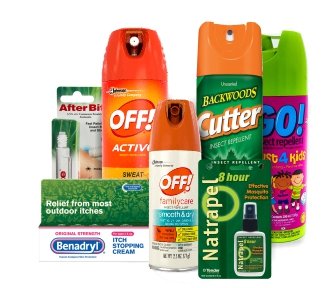 But for those mosquitos that we can’t nip in the bud, it is important to keep them at bay! The best way to do that is with mosquito repellent. At Lindo’s we stock a range of mosquito sprays including Off!, Cutter and Go! which contain from 8% to 25% DEET. DEET is one of the most common active ingredients used in bug sprays, developed by the US Army to ward off bites in jungle warfare. Some people find that DEET can be an irritant and can find the smell headache-inducing, so it’s important to try it out to see if it works for you.
For those opposed to DEET, Lindo’s also offers Natrapel repellent which uses picaridin as its active ingredient, which is odourless, less greasy and does not dissolve plastics and other synthetics, which DEET can do. Picaridin was only cleared for use in the USA in 2005, though, so no long-term studies on health have yet been conducted.
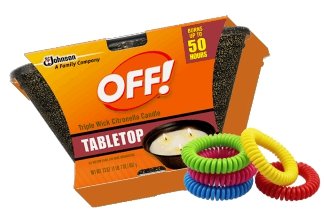
For around the clock mosquito protection, you can ward off bites with a citronella wristband. While the smell of these may take a little getting used to, they can be helpful for keeping the insects away until you manage to properly protect yourself with a bug spray. You should use them in conjunction with a repellent to ensure fully effective repellence.
Of course, it is not only yourself that you can protect, but some of your space, too. If you’re making the most of the cooler evenings to eat outside or to host BBQs, make sure to use citronella candles. There are also garden sprays from popular repellent producers, such as Off!, which may be worth investing in if you or your family spend a lot of time outdoors.
 If you get bitten, though, it’s helpful to have supplies on hand that will help ease the pain and itchiness of the bites. It is always worth keeping a bug bite ointment, such as Benadryl Itch Stopping Cream, Anthisan or After-Bite in your medicine cabinet. These will give some relief as will some steroid creams, which you can consult a pharmacist or your doctor about.
If you suffer from extremely bad reactions, such as severe swelling of the bite, the area surrounding it feeling hard and hot, oozing or even a low-grade fever, it might be that you suffer from Skeeter Syndrome. For those who have these more serious reactions from mosquito bites, antihistamines can help reduce the symptoms and your pharmacist may be able to recommend other over-the-counter medication to help make you feel better.
If you continue to feel unwell from your bites, particularly if you have recently been travelling, please consult a medical professional.
Remember, though, that while it pays to be vigilant about mosquito bites, make sure that you don’t let it keep you from having fun this summer!
Stephanie Simons is the head pharmacist at Lindo’s Pharmacy in Devonshire. She earned her Bachelor of Science in Pharmacy at Massachusetts College of Pharmacy and has been practicing for over 20 years. She is a registered pharmacist with the Bermuda Pharmacy Council and is a member of the Bermuda Pharmaceutical Association.
Jun 11, 2017

By Stephanie Simons,
Head Pharmacist,
Lindo’s Pharmacy in Devonshire
As the weather brightens up and that summer feeling takes a hold of Bermuda, many of us are spending more and more time outdoors. And with the water warming up, the America’s Cup and upcoming public holidays, who can blame us for wanting to make the most of the sunshine!
But whilst we should make the most of the season, it is important to ensure that we keep ourselves and loved ones safe from the more damaging effects of the summer sun. Prolonged exposure to the sun can result in a sunburn, which not only hurts and looks unsightly but can also increase your risk of skin cancer. Here are some of my tips on how to keep yourself protected.
The first thing that you should do when preparing for summer is take stock of what sunscreen you currently own. Many brands will feature expiration dates, so check these and stick to them – old bottles should be thrown out as they may no longer be effective. If you’re not sure about the dates, try them out on the back of your hand: if they have separated or smell ‘off’, then get rid of them. It is better to be safe than sorry!
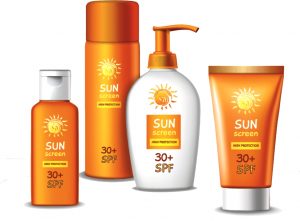
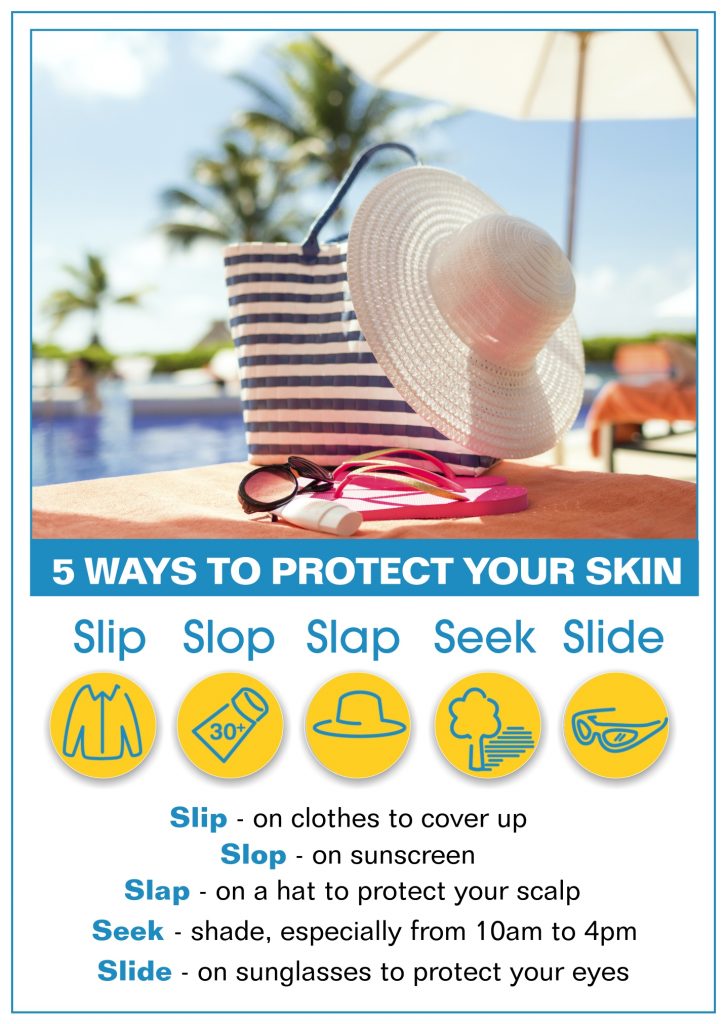
Use at least SPF 30 that is water resistant for 40minutes total protection. SPF 30 blocks 97% of UVB rays.
Now it’s time to stock up! Before you invest in new sun lotion, though, it’s important to consider what it is that you need from your sun protection. Those with sensitive skin will want to use simple sunscreen without added fragrance. Some brands, such as Neutrogena and Blue Lizard are recommended by dermatologists for being effective and gentle on the skin. Those who are active, particularly children, will be better suited to ‘sports’ sunblock, which will be water resistant. Water resistant sunblock can provide protection in the water or during sweaty activities for 40-80 minutes. However, it is important to remember that there is no such thing as a truly waterproof sunblock: you must always reapply after being in the water.
When putting on your sunblock, the most effective way is to slather yourself before you put on your outfit or swimsuit. This is because you are less likely to miss spots and you will be able to cover spots which may become exposed as your clothing moves around. Most dermatologists recommend using approximately a shot glass full of sunscreen each time you apply. This may sound like a lot, but you will be surprised by how quickly your skin absorbs the lotion and it will encourage you to cover yourself entirely, including the often-missed areas, such as the undersides of your arms, backs of your legs and tops of your feet. Those who are concerned with ageing should take special care with their hands, chest, neck and face. For those who don’t like the taste of sunblock: invest in a lip balm with SPF.
 If you are on any medication, you should check with your pharmacist to find out whether this may affect your photosensitivity. Many commonly prescribed and over the counter medications can cause either a photo-toxic or a photo-allergic reaction. Photo-toxic reactions are far more common and will look like sunburn: there is redness, itching, burning and stinging in the areas of the skin that were exposed to the sun. The reaction occurs quickly (within 24 hours of sun exposure) and usually clears once the drug has been stopped and most often does not occur again with further exposure to the sun. Photo-allergic reactions can take a little longer to develop; sometimes one or two days after sun exposure. There may be a rash that resembles eczema that extends to areas beyond what was exposed to the sun. Symptoms include itching, redness, swelling, blisters (in severe cases) and hyperpigmentation (darkening of the skin). This is considered to be an allergic reaction and symptoms will recur with increasing severity on subsequent exposures to the drug and sun.
Drugs that can cause photo-toxic reactions include antibiotics (tetracycline, ciprofloxacin), antihistamines (Benadryl), heart medications (nifedipine, amiodarone), diuretics (hydrochlorothiazide, furosemide), diabetic medicines (glyburide), anti-inflammatories (ibuprofen, naproxen), acne medications (isotretinoin) and antidepressants (imipramine). Photo-allergic drugs include sunscreens (PABA and oxybenzone), salicylates (aspirin), anti-inflammatories (celecoxib) oral contraceptives and topical cancer chemotherapy drugs (Efudix). If you have any questions about your medication, please ask a pharmacist.
Of course, sunblock is not the only way to protect yourself from UV rays. You can wear light layers, such as a wrap or a long skirt. Where possible, you should avoid the strongest rays of sun, usually between 10am and 4pm. When you can’t avoid being outside in direct sunshine, make sure to wear a hat, which will shade the sensitive skin on your face and protect your scalp, which can be otherwise difficult to protect.
Lastly, remember that while it’s important to keep yourself safe from the sun’s rays, you should also remember to have fun!
Stephanie Simons is the head pharmacist at Lindo’s Pharmacy in Devonshire. She earned her Bachelor of Science in Pharmacy at Massachusetts College of Pharmacy and has been practicing for over 20 years. She is a registered pharmacist with the Bermuda Pharmacy Council and is a member of the Bermuda Pharmaceutical Association.
May 16, 2017
By Stephanie Simons,
Head Pharmacist,
Lindo’s Pharmacy in Devonshire
As the weather warms up on the island, there are lots of walk and races taking place – which means there will be a lot of sore, tired feet in Bermuda. And yet, after all that work, many of those feet will be ignored, or even scorned. We expect a lot from our feet – from daily activities, sports and exercise – yet we give them little in return. It’s time to be nice to our feet.
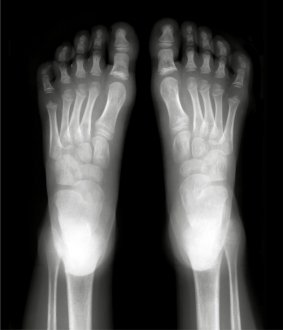
A human foot & ankle is a strong, mechanical structure that contain 26 bones, 33 joints, and more than 100 muscles, tendons & ligaments.
A foot contains 26 bones and, combined, our two feet comprise a full quarter of all of the bones in our body. Each foot also contains more than 250,000 sweat glands, which can cause issues such as odour and infection.
According to the Bermuda Podiatry Centre, foot disorders are the most widespread, yet neglected, health problems. Seventy-five percent of Americans and Canadians will experience some sort of foot problem in their lifetime.
Foot problems can result from improper footwear; arthritis; congenital problems that occur at birth; infections from bacteria, a virus or fungus; abnormal growth of tissue; and trauma, such as fractures.
Poor foot health can lead to a number of other health problems, including lower backache, headaches, knee problems, indigestion and a misaligned spine. Our feet can also be early indicators for serious health problems such as arthritis, diabetes, nerve and circulation disorders.
For general daily care, buy shoes that fit properly and offer sufficient support. The ball of the foot should fit comfortably in the widest part of the shoe, and there should be a few centimetres between the longest toe and the end of the shoe when standing. Foot size can vary up to half a shoe size throughout the day, so buy shoes at the end of the day when your feet are most swollen.
Change your shoes daily and allow them to air out between wearings. Change socks as well and wear cotton socks that will absorb moisture and keep your feet comfortable. Foot powders and antiperspirant sprays, such as Dr. Scholl’s and Gold Bond can also help keep feet dry and fresh. These can also eliminate smelly feet.
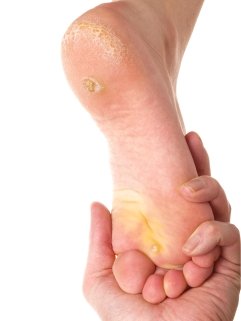
Dry, callused feet.
For dry or cracked heels, creams and moisturizers formulated for the feet are best. Look for a product that contains urea or ask your pharmacist what they recommend. To exfoliate the feet, buy a cream with alpha or beta hydroxy acids to do the job.
Corns and calluses are the most common foot problems, followed by warts, blisters and athlete’s foot. Corns and calluses (as well as blisters, a common complaint from runners) are caused by friction and pressure from skin rubbing against shoes; over time corns and calluses build up to protect these areas. Wear shoes that fit properly and if you experience rubbing, use a loose bandage to protect the area, or cover it with moleskin.
Plantar warts are caused by a virus on the bottom of the foot that can break the skin. Although they will eventually disappear on their own, there are several medications available at the pharmacy that can get rid of them if they are bothersome. Ask your pharmacist what they recommend.
Athlete’s Foot is the result of a fungus that thrives in dark, moist, warm areas. It is highly contagious and often contracted in gyms and pool areas. If you have athlete’s foot, keep the area dry and clean and use an over the counter antifungal such as Daktarin (Miconazole), Pevaryl or Canesten (Clotrimazole). Fungal infections can take a long time clear up so be patient and persistent when using an OTC product. If you do not see any results after a month or more of use then see your physician for a stronger prescription item.
Most other leading foot troubles can be eased or even reversed by wearing a proper fitting shoe, the appropriate shoe for your activity and sometimes using orthotics. Orthotics are available from Dr. Scholl’s, or custom orthotics might be necessary. Visit your doctor to determine the best treatment for your foot problems.
Leonardo da Vinci proclaimed the human foot to be a masterpiece of engineering and a work of art. Let’s show them the same respect! Step up your daily foot care routine and your feet, and you, will be happy and healthy.
Stephanie Simons is the head pharmacist at Lindo’s Pharmacy in Devonshire. She earned her Bachelor of Science in Pharmacy at Massachusetts College of Pharmacy and has been practicing for over 20 years. She is a registered pharmacist with the Bermuda Pharmacy Council and is a member of the Bermuda Pharmaceutical Association.
Apr 17, 2017

By Stephanie Simons,
Head Pharmacist,
Lindo’s Pharmacy in Devonshire
Most people visit the pharmacy after they have been to see their doctor and want to fill their prescriptions. While this is obviously the primary function of a pharmacy, there are so many things that go into the provision of this service that are a part of the extensive training all pharmacists undergo before qualifying and registering. For instance, we check to see if:
- A generic form of the medication is available at a less expensive price than the name brand
- There are any interactions with any other medication you might be taking
- The dose and strength of the prescribed medication are correct
We will also call your physician, if there are any problems or errors on the prescription.
If you have questions or concerns about side effects that your medication might cause, then we are happy to outline these and let you know what you should be watching out for. A pharmacist can put your mind at ease about how and when to take your medication – which will help with possible side effects – and what to do if you miss a dose. Pharmacists can even advise you on how to store your medicine, which can make all the difference in how effective it is.
 In some cases, your pharmacist can even save you a visit to the doctor’s office. It has been reported that about three in ten Americans skip going to a doctor because they are put off by paying medical fees that may not be covered by health insurance. We want to make sure that that doesn’t happen if you have a simple question.
If you are suffering from a minor health issue, it is worth checking with a pharmacist about it and we may be able to advise you. We can suggest over the counter medications or products which might help, if appropriate. Pharmacists are trained in recognising symptoms for a number of conditions, such as allergic reactions and pink eye, and can let you know if you need to see a doctor. However, if you are suffering severe symptoms or pain, you should always visit your doctor in the first instance.
A pharmacist can even help you improve the quality of your life. Pharmacists can make suggestions about daily multivitamins or other supplements that you may find useful and can explain their benefits. If there are issues that you’ve been wondering about, such as difficulty in sleeping, dry skin or hair, a pharmacist can advise on how to remedy them.
If you are looking to break a bad habit, such as smoking or drinking, a pharmacist can counsel you on how to proceed and point you in the direction of over the counter products that may be useful. If you need some input on your diet, weight loss or simply how to boost your nutrient intake, then please just ask us how we can help.
Those who are on regular medication should already be familiar with their regular pharmacist and the support they can offer: pharmacists can help to monitor and improve medical regimens over time. We encourage you to let us know how a medication is making you feel and to tell us if you have any concerns about what you’re taking. If you’re taking a number of different medications, we can help you to work out a schedule for taking them that will maximise their efficiency and minimise unpleasant side effects.
At Lindo’s we are proud to be able to offer our customers pharmacy support at both of our stores and we want to make sure that you know just how much we can help you! Don’t be afraid to ask for help and we look forward to seeing you soon.
Stephanie Simons is the head pharmacist at Lindo’s Pharmacy in Devonshire. She earned her Bachelor of Science in Pharmacy at Massachusetts College of Pharmacy and has been practicing for over 20 years. She is a registered pharmacist with the Bermuda Pharmacy Council and is a member of the Bermuda Pharmaceutical Association.
Mar 14, 2017

By Stephanie Simons,
Head Pharmacist,
Lindo’s Pharmacy in Devonshire
In Bermuda, we can sometimes feel as though we are under siege from the weather, whether it be in the form of rain, wind, sun or storms. This is particularly noticeable in the cooler months when the weather can be unpredictable. As many of you will have noticed, the weather’s effect is not only limited to our homes, our weather or our travel – it often has an effect on our skin as well.
Winter weather can lead to dryer skin, especially if you spend time outdoors or if you have your heating turned on. This is because the colder air or dry heat of the central heat can strip your skin of its natural moisture and windy conditions can irritate sensitive skin. This means that your skin may benefit from a slightly heavier moisturiser than it needs in the hot and humid summer months.
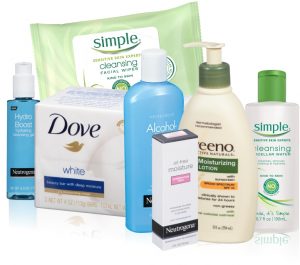 Injecting extra moisture your skincare regimen can begin with your face wash: investigate using a richer facial soap to start your skincare off on the right foot. Dove’s White Beauty Bar soap is famed for its simple and richly moisturising formula and there is also a sensitive version available for those whose skin is more temperamental. Neutrogena, Aveeno and Simple also have facial cleansers that are moisturising.
Next up is your daily moisturiser. Most of us benefit from using a light daily moisturiser which not only nourishes the skin but also provides a barrier against the elements. You may find that your skin is dryer or has patches in the winter which are not an issue in the summer. This means you should switch to a heavier moisturiser the weather warms up again. One small tip that works whatever your moisturiser: if you apply your moisturiser right after washing your face (while it’s still damp) you can lock in moisture that would otherwise be lost.
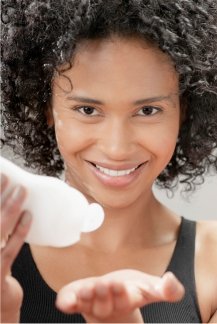
Using a daily moisturiser nourishes the skin and protects against the elements and harsh environments.
Changing any aspect of your skincare regimen can be a source of worry, but if you have a brand you like, and that works for your skin type, then make sure you investigate all of their offerings. For instance, Neutrogena’s Hydro-Boost range offers products which increase skin hydration – eye cream, gel and daily moisturiser. There is also a lighter Healthy Defense moisturiser.
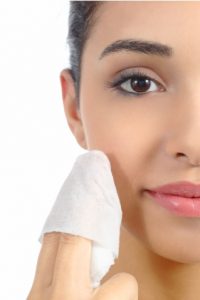 If you wear make-up, it’s important – whatever the time of year – to make sure that you are removing it properly and avoid pore blockages or causing irritation – so remember to cleanse your face at night before you go to bed. You should ensure that you are using a cleanser which is gentle as well as effective, such as Simple’s Kind to Skin Micellar Cleansing water. It is also important to moisturize at night with a night cream which is richer and heavier than a daytime moisturiser.
Whatever the time of year, living in a tropical place like Bermuda means that it’s incredibly important to protect your skin from the sun. Although the weather is cooler now, the sun’s rays can still have a damaging effect. While you should ensure that you are keeping your skin protected through the use of sunblock or a hat, you can make your life easier by investing in a facial moisturiser with SPF, such as Neutrogena’s Healthy Skin, Aveeno’s Positively Radiant or Absolutely Ageless. By using a moisturiser with sun protection, you can make sure that you never skip a day. Additionally, you can extend this to your whole body with a product such as Aveeno’s Daily Moisturizing Lotion with Broad Spectrum SPF 15.
If you are one of the many people who finds sunblock can cause blockages or irritation, make sure to invest in one made for sensitive skin – Neutrogena, Coppertone and Alba are some of the brands with sensitive skin formulas. These are good for everyday use on more sensitive skin. This is particularly important for young people.
Your skincare routine should be flexible and change with the season: just because it’s not summer is no reason to not take care of your skin.
Stephanie Simons is the head pharmacist at Lindo’s Pharmacy in Devonshire. She earned her Bachelor of Science in Pharmacy at Massachusetts College of Pharmacy and has been practicing for over 20 years. She is a registered pharmacist with the Bermuda Pharmacy Council and is a member of the Bermuda Pharmaceutical Association.