Feb 6, 2018


By Stephanie Simons,
Head Pharmacist,
Lindo’s Pharmacy in Devonshire
It is February, which means that Valentine’s Day is upon us. Synonymous with Valentine’s is the symbol of a heart – or in this day and age, the heart emoji! But I want to take a moment to talk about a different matter of the heart: heart health. The human heart is vital to our wellbeing, so it is important that we take proper care of it.
There are certain factors that can increase your likelihood of having heart disease, so it is important to recognise and address them: high blood pressure; high cholesterol; unhealthy diet or obesity; diabetes and smoking. Although there is nothing that can be done about them, other risk factors to be aware of are having a family history of heart disease and age: the older you get, the greater your risk of heart disease.
Some of these risk factors are particularly pertinent for Bermuda: we have an obesity and diabetes problem. In 2017, the Ministry of Health found that 34.4 per cent of adult Bermudians were obese, compared to 26.9 per cent of adults in the United Kingdom and we are beaten only by the United States, with 38.2 per cent. We also have a diabetes rate of 13 per cent among our population – nearly twice the average globally. In particular, Type 2 diabetes, which can be prevented with a healthy lifestyle, is common here.
 To keep your heart healthy, take a look at your lifestyle and diet. If you are at risk for diabetes, it is better and easier to correct our eating and exercising habits before we get the disease. Making sure that you eat a well-balanced and well-portioned diet, with lots of fresh fruit and vegetables and a good mix of colours, will help to reduce your chance of heart disease and go a long way towards making you feel healthier.
Making exercise a part of your routine is vital and will keep your body running at peak efficiency. Regular exercise helps to keep your weight lower, reduces blood pressure and can lower your cholesterol.
Omega-3 is often touted as a vital nutritional aid for those who want to keep themselves healthy – and with good reason. Omega-3 is a fatty acid which help reduce risk factors for heart disease, including high cholesterol and blood pressure. Omega-3 can be found in oily fish, walnuts and salmon. If these aren’t staples of your diet, though, then you can supplement it with cod liver oil (Seven Seas) other fish oils or flaxseed oil made by Nature’s Bounty among other brands. For those with cholesterol concerns, supplements such as Cholest-Off and Co-Enzyme Q10 can help you to keep your cholesterol levels in the healthy range – although this must be supported by a healthy diet.
Smoking and drinking heavily can put a lot of strain on the body. Smoking narrows the arteries, making it harder for blood to pass and easier for blood clots to block them off. If you want to quit smoking, there are products than can help, such as Nicotinell and Nicorette patches or gum. If you want advice on how to quit smoking, please consult with a pharmacist or smoking cessation specialist, who will be happy to discuss the best option for you.
Meanwhile, excessive drinking raises blood pressure, putting you at risk for heart disease. The National Institute on Alcohol Abuse and Alcoholism defines low-risk drinking as no more than three drinks on any single day and no more than seven drinks per week for women. For men, it is defined as no more than four drinks in a day and no more than 14 drinks per week.
For some people who are at risk for heart disease, many health professionals recommend aspirin therapy. This is the practice of taking a baby aspirin (81mg) daily, which many studies have found to reduce the change of a heart attack. This is because heart attacks are caused by a blood clot blocking supply of the blood to the heart and aspirin lowers the blood’s clotting factor, which reduces the chance of blood clots. This therapy is recommended to those who:
- Have already had a heart attack.
- Have a stent, have had coronary bypass surgery or have chest pain caused by angina.
- Are considered high risk for a heart attack.
- Have diabetes and at least one other high-risk factor.
To find out more about whether or not aspiring therapy is for you, you should consult with your doctor or pharmacist.
It is important to look after yourself, and this includes regular physicals with your doctor, who will be able to catch things that you may not notice. This Valentine’s Day, make your greatest gift to your loved ones a renewed commitment to taking care of yourself.
Stephanie Simons is the head pharmacist at Lindo’s Pharmacy in Devonshire. She earned her Bachelor of Science in Pharmacy at Massachusetts College of Pharmacy and has been practicing for over 20 years. She is a registered pharmacist with the Bermuda Pharmacy Council and is a member of the Bermuda Pharmaceutical Association.
Jan 8, 2018
By Stephanie Simons,
Head Pharmacist,
Lindo’s Pharmacy in Devonshire
Every year, many of us make resolutions to better ourselves. These resolutions can be about almost anything: weight, health, family and friends. Although our intentions are good, many of us fail in these promises to ourselves, whether immediately or somewhere down the road.
I want to share some tips and thoughts with you about how we can develop healthy habits, and the science behind maintaining those habits. Armed with this knowledge, we can be more confident about the goals we set for the coming year.

Habit Chain – Don’t Break the Chain! By Dru Lang. The Habit Chain App follows the mindset of Jerry Seinfeld’s “don’t break the chain”.
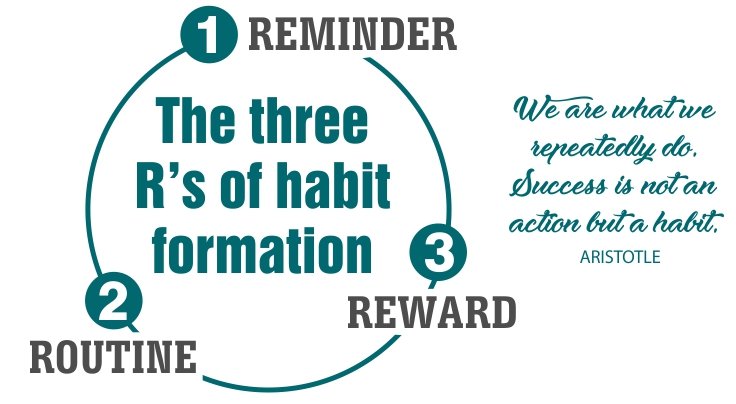
A habit is defined as an action that is automatic because it has been performed many times over. By making a habit of healthy practises, we can make them an integral part of our everyday lives, performed easily and without complaint. It takes practise to get there, but making healthy habits can greatly improve your quality of living and reduce stress about trying to be “good”.
One method for getting yourself to stick to a commitment you have made is the idea of a habit “chain”, popularised by popular American comedian, Jerry Seinfeld, who explained that for every day he accomplished a writing goal, he put a big red ‘x’ over the day in the calendar. After a number of successful days, you begin to form a ‘chain’ and this is a motivating factor to keep up the good efforts. Failure to keep your commitment will result in a break in the chain and you will have to start again. While extremely simple, it is nevertheless very effective.
Examples of small healthy habits you can start doing this with include taking a multivitamin each day, such as Centrum, One-A-Day or Rainbow Light, or applying sunblock or a moisturiser with SPF, like Neutrogena Healthy Skin. Many women may find it useful to get into the habit of more thoroughly removing their make-up at night, as part of their bedtime routine, and can make it easier by using Neutrogena or Simple make-up remover wipes.
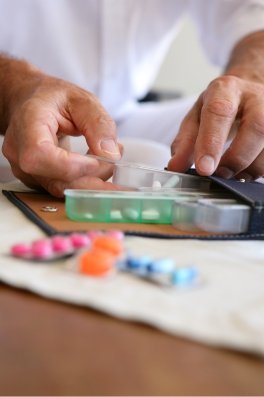 Some people find it useful to picture the chain of their activities by using a calendar with stickers or a pen, like Seinfeld, but there are also a number of apps, such as Habit Chain, which will let you keep track of your habit keeping wherever you are and can even provide reminders. If you are trying to be better about taking pills, you can invest in a weekly pill organiser, available at Lindo’s.
Another way to motivate yourself into keeping up a healthy habit is to reward yourself. Set up a reward scheme whereby for every week or month you manage to keep your commitment to yourself you will treat yourself. However, ensure that this treat doesn’t contravene your resolution goals, so don’t reward a week of eating sensibly by eating something unhealthy. Instead, try a massage or going to see a movie you’ve been looking forward to.
Visualise what you want to achieve in the new year. If you need to improve your overall wellbeing, a small and attainable goal is to make sure you get all the nutrition that you need. This can be as simple as making sure that you take a multivitamin every morning and eat at least three pieces of fruit or vegetable a day.
The most important thing to remember when setting yourself new year’s resolutions is to ensure that they are realistic. If you currently don’t do any exercise, don’t vow to make it to the gym five times a week in January. It is too much too quickly and can even lead to a burnout. Instead, commit to walking more, going to the gym twice a week or taking a fitness class once a week.
The beginning of the year is a great place to start making lifestyle changes. Think of it as a blank slate and a time to start anew.
Stephanie Simons is the head pharmacist at Lindo’s Pharmacy in Devonshire. She earned her Bachelor of Science in Pharmacy at Massachusetts College of Pharmacy and has been practicing for over 20 years. She is a registered pharmacist with the Bermuda Pharmacy Council and is a member of the Bermuda Pharmaceutical Association.
Dec 10, 2017

By Stephanie Simons,
Head Pharmacist,
Lindo’s Pharmacy in Devonshire
We are now well and truly in the midst of the holiday season and this means all of our favourite foods, drinks and holiday parties! While most of us look forward to spending time with our friends and loved ones at this time of year, it can be a cause of concern to those of us trying to remain focused on being healthy. To that end, here is some guidance to help you survive the holidays.
The key difficulty that most of us face during the holidays is the ever-present temptation to overindulge, whether it be in food, alcohol or even cigarettes. This is because there is an abundance of food and drink on offer at office parties, family gatherings and social get-togethers, much of it delicious – and unhealthy! We also sometimes feel pressure to partake in overindulgence because we do not wish to be seen as being a poor guest.
Try establishing your limits before you attend an event, both for food and drink. Tell yourself, and a partner if you find this helps, how many drinks you will be limiting yourself to and how much you will eat. If you find it hard to make sensible decisions when you’re hungry, then eat a small, healthy meal beforehand.
When we drink too much, this can lead to further lack of restraint, and many people find themselves reaching for second helpings or even cigarettes more than they would normally. This is an important motivator in exercising self-control: by limiting yourself to one or two drinks, you are not only reducing the amount of liquor you intake but also minimising the chance of a slip-up in your eating or smoking habits.
To keep your body working at its best, you may find it useful to also ensure that you have several alcohol-free days a week, which will give you time to recover. If you do have to go out or host a party on one of these days, or if you have reached your drink limit for the day, then there are often non-alcoholic options available, such as Dunkley’s Eggnog, sparkling water or homemade mulled soft cider.
The closer we get to Christmas and New Year’s the more late night events we often have. The combination of this with a less well-balanced diet can have a deteriorating effect on your health. This means that it is more important than ever to ensure that you are getting all the vitamins that you need, either through your diet or by taking supplements, such as a complete multivitamin/mineral (One-A-Day or Centrum for example) and extra B and C vitamins to boost your energy and immune system. Look for a B-Complex and at least 500 to 1000mg of Vitamin C.

Go ahead and hit the dance floor! Dancing is similar to aerobic exercise. It improves energy levels, buoys mood and lowers stress.
It is also important to make sure that you are getting enough sleep, ideally more than seven hours a night. Our bodies need more sleep in these months, as we are often fighting off seasonal illnesses. This may mean having to make excuses to leave an event before it gets too late or being more efficient once you’re home at getting yourself into bed. Many people find it useful to ban electronics, such as phones and laptops, from the bedroom as the light emitted by the screens can make it difficult to sleep and can also distract you from your night-time routine. Alternatively, for those struggling to fall asleep, supplements such as Melatonin or Calcium and Magnesium can help. Sleep aids like Unisom or ZzzQuil should only be used for a few days to help you fall asleep. Melatonin is excellent in helping to reset your body clock so that you get a more restful sleep and it can be taken on a regular basis.
Lastly, while our schedules can go a bit haywire, it is important to keep exercising. Making time for your usual workout may seem like unappealing prospect, particularly if you have had a late night the night before, but you will feel better for it. If all else fails, make sure to hit the dancefloor: energetic dancing can burn more than 400 calories an hour!
With these tips in mind, you should be ready to face the oncoming month! From all of us at Lindo’s, we wish you a very happy holiday season.
Stephanie Simons is the head pharmacist at Lindo’s Pharmacy in Devonshire. She earned her Bachelor of Science in Pharmacy at Massachusetts College of Pharmacy and has been practicing for over 20 years. She is a registered pharmacist with the Bermuda Pharmacy Council and is a member of the Bermuda Pharmaceutical Association.
Nov 6, 2017

By Stephanie Simons,
Head Pharmacist,
Lindo’s Pharmacy in Devonshire
As we head into November, with Halloween candy still littering our homes, our thoughts begin to drift towards the holiday season. However, November is also Diabetes Awareness Month and includes Universal Children’s Day, on November 20. As such, I thought this would be a good time for us to discuss diabetes in children.
Diabetes is a very serious problem in Bermuda, particularly among young people. The island has a diabetes rate of 14 per cent – nearly double global average – and spends more on healthcare per person than any other country in the region, with much of this going towards treating complications of diabetes. Type 2 Diabetes is particularly prevalent, and this form of diabetes is largely avoidable, with proper lifestyle and nutrition.
Taking control of your diet is a fundamental part of managing your health. Children who have diabetes do not need to be on strict diets but do need to pay close attention to what they eat and when. This will enable them – and you – to monitor their sugar levels and it is best to start this self-awareness early on.
Children have different diet requirements to adults, regardless of whether or not they have diabetes, and require plenty of fuel to keep them going throughout the day. While snacks for adults are often discouraged, they can allow children to restore their energy, self-manage their blood glucose levels and keep them going until their next meal. When providing snacks, it is best to include a variety of food groups, such as bread, dairy, fruit and vegetables.
When packing school lunches, it is important to ensure that your children are getting enough fresh fruit and vegetables, protein and wholegrain fibres. These will help your child sustain themselves while making sure they are getting the vital nutrients to keep them healthy. The Bermuda Diabetes Association has a helpful guide to packing lunchboxes for diabetic children here.
As mentioned earlier, many of us still have Halloween candy in our homes. For children, or even the young-at-heart, this can be a trying time, but there are ways in which we can reduce temptation. The easiest way to do this is to ensure that an abundance of candy isn’t kept in the home. It is much easier to avoid reaching for unhealthy snacks if they’re not within reach at all. Excess candy could be donated to a local care home or taken to church for refreshments. Children can even be incentivised in this by being offered an alternate gift in exchange for the sweets. This is not to say that you cannot have any treats at all: in fact, small candies can be used as a source of sugar for diabetics in case of lows.
The diabetes epidemic in Bermuda is an issue of great importance to Lindo’s and we are proud that our annual Lindo’s to Lindo’s event this year raised $25,860 for the Bermuda Diabetes Association. Lindo’s stores stock a number of healthy and sugar-free foods which are diabetes friendly and delicious. Our pharmacies supply blood glucose metres, testing strips and other testing supplies as well as glucose tablets – which can be used when blood sugars drop too low. If you have any questions about diabetes, please ask a pharmacist.
To find out more useful information about diabetes, the treatment and the prevention of it, please visit the Bermuda Diabetes Association website: http://www.diabetes.bm.
Stephanie Simons is the head pharmacist at Lindo’s Pharmacy in Devonshire. She earned her Bachelor of Science in Pharmacy at Massachusetts College of Pharmacy and has been practicing for over 20 years. She is a registered pharmacist with the Bermuda Pharmacy Council and is a member of the Bermuda Pharmaceutical Association.
Oct 10, 2017

By Stephanie Simons,
Head Pharmacist,
Lindo’s Pharmacy in Devonshire
We all know that it is important to eat a healthy, balanced diet which delivers all the vitamins and nutrients that we need to function properly. However, many people don’t stop to consider how their nutritional requirements change as they get older. As October 1st was the International Day of Older Persons, I thought this would be a good time to take stock of what you can do to ensure that you or your loved ones who are over the age of 70 are getting the nutrition needed.
As you get older, your metabolism slows down, so you need less calories than before. Our lifestyles also change, which impacts the calories we consume. This is when portion control is critical, as is learning to stop eating once you are no longer hungry. For instance, someone who worked out every day and gradually decreases the frequency of their exercise, must take care to reduce the amount they eat accordingly.

The best sources of Vitamin B12 include: eggs, milk, cheese, milk products, meat, fish, shellfish and poultry.
Nutritionally, we also need to increase our intake of certain nutrients, such as calcium and vitamin B12. It is estimated that between 10 and 15 percent of seniors have a B12 deficiency, which is significant because it is vital to the body’s metabolic process and a key ingredient for the function of the immune and nervous systems, as well as producing red blood cells. A lack of B12 in your diet can increase the chances of heart disease, certain cancers, anaemia and eyesight deterioration. Eggs, dairy, meat and seafood all contain substantial stores of B12.
The International Osteoporosis Foundation recommends that women over the age of 51 (post-menopause) and men over 70 should aim to consume 1200mg of calcium a day. Calcium is the bedrock of our bones and a deficiency can result in loss of bone mass or osteoporosis. Again, dairy is a reliable source of calcium, but many green vegetables, such as broccoli, kale and bok choi are also an option.
Conversely, it is wise to reduce the amount of sodium that we eat as we get older, as it can contribute to raised blood pressure and heart disease. Adding salt to your meal is okay in moderation; the greater danger is salt in prepared or processed foods that are bought rather than made at home.
There are many factors that can affect our appetites and enjoyment of food as we get older, including: diminished taste and smell. A good mix of food and variety can help to combat this: ensuring that your plate is a range of colours is a good indicator that it is balanced and will be visually appealing. Spices can be used liberally to maximise flavour, without adding additional sodium.
 Those who are concerned that they might not be getting all the nutrients they need from their food should invest in supplements. There are a number of multivitamins which are specially formulated for seniors available to buy at Lindo’s, such as One-A-Day 50+ Vitamins, Centrum Silver and Nature’s Truth ABC Complete 50+ Multivitamin. These multivitamins also come in male or female varieties, to ensure that you’re getting everything you need. If you have specific age-related health concerns, please consult a pharmacist who can advise you.
Bermuda has a large population of older people, with 50 per cent of the population being over the age of 43 – among the highest in the world, beating the United States and the United Kingdom. We are fortunate that so many of our seniors lead such active and rich lives, but we can all help our seniors by ensuring that we give our bodies the tools they need to work at their best all through our lives.
Stephanie Simons is the head pharmacist at Lindo’s Pharmacy in Devonshire. She earned her Bachelor of Science in Pharmacy at Massachusetts College of Pharmacy and has been practicing for over 20 years. She is a registered pharmacist with the Bermuda Pharmacy Council and is a member of the Bermuda Pharmaceutical Association.
Sep 13, 2017
By Stephanie Simons,
Head Pharmacist,
Lindo’s Pharmacy in Devonshire
Smoking is linked to a number of fatal diseases including lung cancer, pneumonia and emphysema. It can cause asthma and reduce your lung capacity, making it harder to exercise and it can even affect the health of those around you. However, smoking is an addiction and many who would like to stop struggle to. As this month is Healthy Lung Month, here are some ways which you can pursue a healthier lifestyle.
Smoking is an addiction. Once you have decided to quit, consider making a plan. The two most common ways are cold turkey and the cut down method. Cold turkey requires the smoker to stop consuming nicotine immediately. The cut down method involves slowly reducing the number of cigarettes consumed until they are removed from your routine altogether. If you decide to use this method, it may be helpful to print off a calendar with the number of cigarettes to be smoked each day outlined.
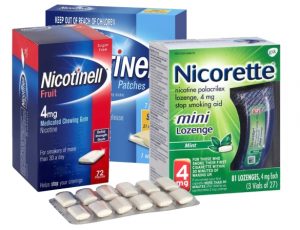 Whichever method you decide to use, many people find stop-smoking aids crucial to the recovery process. These aids include patches, gums and lozenges which can help to alleviate nicotine cravings and can make it easier to resist reaching for a cigarette. Nicotine patches come in varying strengths and the dose is decreased over a period of two to six weeks, depending on the individual. The patches can be applied and left on for either 16 hours (apply in the morning and remove at bedtime) or 24 hours depending on the severity of the nicotine cravings. Nicotinell and Nicorette products can be purchased at Lindo’s and a pharmacist will be happy to discuss the best option for you.
However, it is not only the physical nicotine craving that can cause people to relapse but also the habit itself, which becomes part of a routine for many people. It is therefore important to keep yourself occupied throughout the recovery period.
Combating an addiction largely comes down to willpower. So, it is vital to stay optimistic and to remember why it is that you want to stop. For example, if you are quitting because you want to set an example for your children or because you want to save money for a vacation, make sure to visualise how it will feel when you’ve accomplished your goal, or even carry a photograph to inspire you.
You will find your journey back to healthy living much easier if you don’t do it alone. Let your friends and family know that you are trying to give up smoking and ask for their support. Share your reasons for wanting to quit and let them know if you want them to call out any slip-ups or if there is anything they can do to help distract you. Support can come from other friends who want to quit smoking, too, and there are support groups in Bermuda which you may find advertised at your church and community centres.
Support can also come from professional sources: if you struggle to give up on your own, you should seek the advice of your doctor who may be able to prescribe you medication to make the process easier. There are alternative therapies which you may find helpful such as therapy, acupuncture, hypnotherapy and holistic remedies.
If worst comes to worst and you find yourself falling back into old habits, don’t despair. It is important to take control of the situation as quickly as you can and get back on the path to recovery, despite how tempting it will be to give-up.
Making the decision to quit is half the battle, the rest is holding your nerve and keeping your head up high.
Stephanie Simons is the head pharmacist at Lindo’s Pharmacy in Devonshire. She earned her Bachelor of Science in Pharmacy at Massachusetts College of Pharmacy and has been practicing for over 20 years. She is a registered pharmacist with the Bermuda Pharmacy Council and is a member of the Bermuda Pharmaceutical Association.