Look for the Red Tractor logo as a seal of assurance: safe, traceable, and responsibly farmed.
Red Tractor is part of the Assured Food Standards scheme, a UK-wide quality assurance mark launched in 2000 . It assures consumers that food products—from farms to packing—adhere to strict standards in food safety, animal welfare, traceability, and environmental responsibility.
Red Tractor Poultry Standards include:
Chicks must be sourced from Red Tractor assured breeder farms and hatcheries certified to meet standards.
Growing birds must receive a full, healthy diet. The feed they receive must be suitable, traceable and remain clean and palatable.
All birds must be kept in safe, comfortable, hygienic, well ventilated and sufficiently sized housing.
Growing birds must have permanent access to environmental enrichment that is suitable for their needs i.e. perching, natural light and pecking objects.
Why it Matters:
Consumer Confidence: 76–72% of customers recognize and trust the Red Tractor logo for safe, traceable, responsibly produced food .
Rigorous Standards: Certified farms undergo independent audits, follow health plans, provide adequate feed, housing, environmental enrichment, and maintain biosecurity and vet oversight .
By Stephanie Simons, Head Pharmacist, Lindo’s Pharmacy in Devonshire
VACATION is over, and I’m going back to school. Generations of Bermudians are still haunted by the W.J. Boyle’s advertising jingle, which gleefully proclaimed that the end (of fun) was nigh for the Island’s schoolchildren – usually with weeks of the holidays still left to go.
But now that the new school year really is upon us, it might be worth making a detour into Pharmacy Corner next time you’re in Lindo’s. After all, what’s the worst that can happen…
COVID
After a summer spent outdoors, the shift to a classroom setting – with lots of kids, trapped indoors together – means homework is not the only thing they’ll be bringing back with them at the end of the day.
Covid is making a comeback all over the world at the moment. And it makes sense to have some tests ready, in case someone in your family starts exhibiting the telltale signs. Ditto masks. If you’re like most of us, the lockdown reserves have now dwindled to…next to nothing.
Hand sanitiser is a good idea, too – who knows, your children might actually use it, if you tuck some in their backpack. We have a wide range of pocket-sized products in store.
HEAD LICE
Students putting their heads together – often literally – to work on a joint project…or just share gossip at break time…means that head lice often make an unwelcome appearance at this time of year, too.
The perceived wisdom used to be that Pediculus Humanus Capitis were attracted to dirty hair; and getting them reflected (badly) on the state of your home, and your person. But modern research has shown that they actually seem to prefer clean hair.
Over the years, treatments to combat these tiny, wingless insects have ranged from home remedies – mayonnaise, to ‘smother’ the blighters – to harsh chemicals. And back again.
Now, a more natural approach appears to be gaining the upper hand.
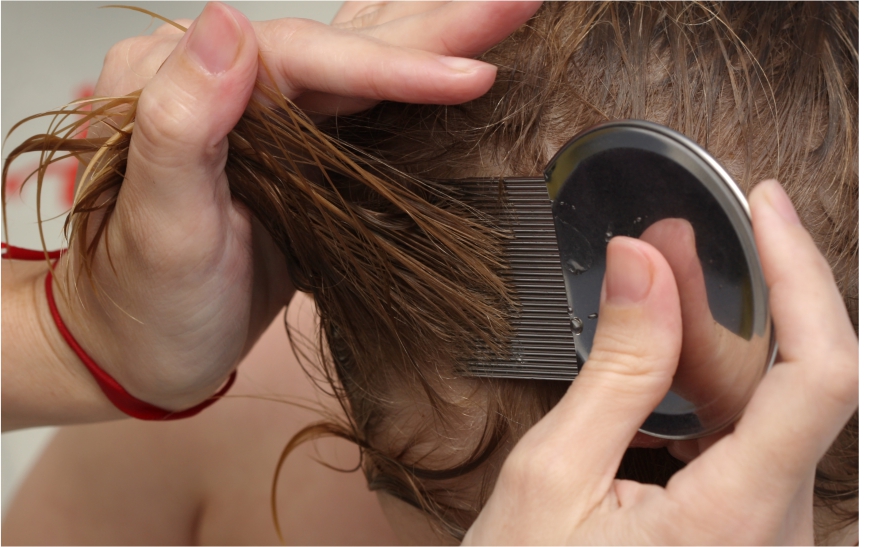
Most schools recommend checking your child’s hair regularly. There are three culprits to look for: the eggs (‘nits’), the immature lice, which are white (‘nymphs’), and the dark adults. If you spot any/all of the above, try ‘wet combing’. This involves washing your child’s hair, slathering it with conditioner – ones containing coconut and lavender may have some deterrent qualities, and also smell delicious – and then, using a ‘detection comb’, working from root to end to tease them out.
We have everything you’ll need for this unwelcome but necessary bonding exercise, right in Pharmacy Corner. For stubborn cases, an over-the-counter remedy – a medicated lotion or spray like Lyclear or Hedrin Treat & Go Spray – may be necessary. Thankfully, these are much milder nowadays, and designed to harm the lice, not your child (or you, if they have helpfully ‘passed it on’). Talk to one of our pharmacists if you need guidance in deciding which is the best form of attack.
EXHAUSTION
This is sort of linked to item number one. After the lazy days of summer, getting back into a routine for school – with early starts – can leave everyone in the family feeling shattered. And exhausted people are prone to catching bugs. Again, prevention is better than cure. So maybe now’s the time to start you and yours on a regime of probiotics – to boost your immune systems.
Olly do a Kids Immunity gummy – Cherry Berry flavour – which your little ones will need no persuading to take. There are adult versions, too (including – yes – gummies, because it’s not just kids who like them). But remember: if you are pregnant or have any underlying health issues (or are just unsure of what’s OK for you to take) please ask one of our helpful pharmacists.
BLISTERS
W.J. Boyle were trying to boost sales of their school shoes with that annoying jingle, all those years ago. And it’s true that getting new shoes for school is one of the silver linings of the holidays coming to a close. But often kids don’t have the time (or the inclination) to break them in properly first. Which means blisters. Why not grab a couple of packs of Compeed or Scholll heel plasters, so you’re ready for the first blister of term?
Stephanie Simons is the head pharmacist at Lindo’s Pharmacy in Devonshire. She earned her Bachelor of Science in Pharmacy at Massachusetts College of Pharmacy and has been practicing for over 20 years. She is a registered pharmacist with the Bermuda Pharmacy Council and is a member of the Bermuda Pharmaceutical Association.
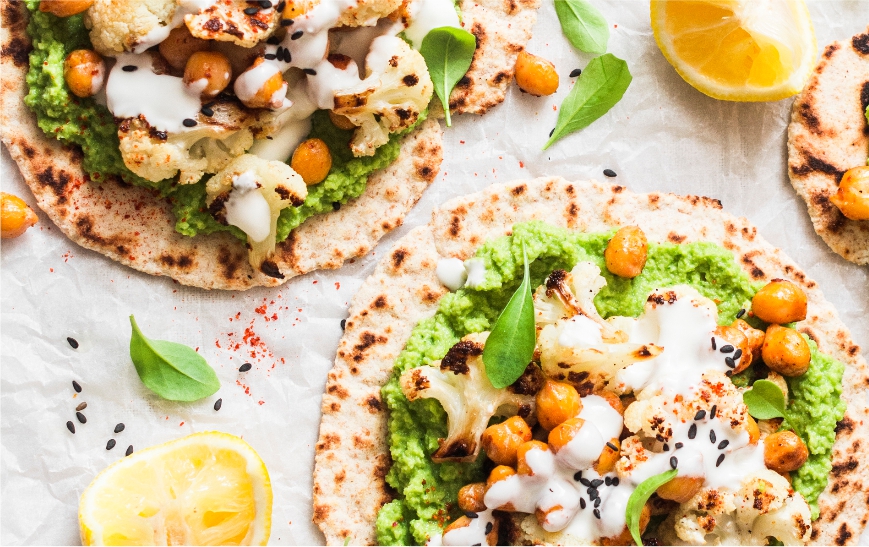
These Veggie Pitas feature spicy roasted cauliflower and chickpeas layered on top of a whole wheat pita smothered with a creamy avocado dip. Top the pitas with a dollop of Greek yogurt and a sprinkle flax seeds for a simple, yet nutritious, meal.
Total Time: 40 mins • Makes: 8 pitas
INGREDIENTS
8 small whole wheat pitas
For the Avocado Spread
2 ripe avocados
1–2 cloves garlic
2 tablespoons extra virgin olive oil
1 cup fresh parsley (or cilantro)
1/2 teaspoon salt
1/8 teaspoon black pepper
1 teaspoon ground cumin
Juice of one lime
1-2 tablespoons water (if needed to thin dip)
For the Roasted Veggies
2 heads cauliflower, cut into small florets
2 (14-ounce) cans chickpeas, rinsed and drained
1–2 teaspoons chili powder
1–2 teaspoons garam masala (or curry powder)
cayenne pepper, optional
1-2 tablespoons extra-virgin olive oil
salt and pepper, to taste
For the Topping
Greek yogurt
Flax seeds
DIRECTIONS
Preheat the oven to 425°F. Gently pat the cauliflower florets and chickpeas with paper towels to dry. Arrange in a single layer on a large baking sheet. Drizzle with olive oil, sprinkle with spices, and toss to coat. Roast for 15-20 minutes, stir, and roast for an additional 15-20 minutes until vegetables are golden brown.
Add the avocado dip ingredients to a food processor and blend until smooth. Set aside.
Heat pitas in oven to warm, if desired. Spread each pita with a spoonful of avocado dip and top with roasted cauliflower and chickpeas. Top with a dollop of Greek yogurt, and a sprinkle of flax seeds.
Morning sickness is very common in pregnancy and usually occurs between the 4th and 7th week.
By Stephanie Simons, Head Pharmacist, Lindo’s Pharmacy in Devonshire
PREGNANCY is a weird and wonderful time. Wonderful, because…you’re having a baby! Weird, because your body – which normally answers only to you – suddenly answers to something the size of an olive.
Luckily, your friendly neighbourhood Pharmacy Corner can help with many of the annoying little things that can make this time seem less like ‘blooming’ and more like ‘blooming hell’.
Naturally, if you have any doubts or worries about taking or using anything during your pregnancy, check with a medical expert. Our pharmacists are always happy to help; and you can (and should) also speak to your doctor if you have any concerns.
BLOOMING MARVELLOUS
Doctors recommend that pregnant women (and those trying to conceive) take 400 micrograms of folic acid a day, until the 12th week of term. Why? Because it’s important for the healthy development of your baby’s brain and spinal cord.
Folic acid is found naturally in dark green leafy veg (like spinach and kale…found right outside our pharmacy corner in the fruit and veg aisles). But to get 400 micrograms you need a lot of kale (five cups of the cooked stuff).
Why not have a look at our supplements aisle? Vitabiotics’ Pregnacare range provides folic acid – and vitamin D, which in small doses is also important (for healthy bones and teeth). Olly’s Prenatal gummies are another good way to make sure that you, and your growing baby, are getting everything you need.
Do ask a pharmacist, though, before you start popping lots of pills and potions. Some vitamins – such as Vitamin A – are not good for mom or baby. Err on the side of caution!
Hydration is key when treating stretch marks during pregnancy. Opt for a moisturiser that is formulated for sensitive skin and safe for use during pregnancy.
MORNING SICKNESS
In the early stages of pregnancy, one in three women will experience nausea and sickness. Scientists at Cambridge University think this is caused by your unborn baby producing a hormone called GDF15. This is already present in our bodies – but in much smaller amounts than your little bundle of joy is now pumping out into your system.
The result? Big-time nausea. Usually this will disappear by the 20th week – though in some women it will continue, and be so extreme that medical attention is needed, to stop mother and baby from becoming dangerously dehydrated. That condition is called hyperemesis gravidarum and luckily it is pretty rare.
If your ‘morning sickness’ (which can actually strike at any time of the day, worse luck) is unpleasant but not dangerous, your doctor may prescribe an antiemetic (anti-nausea) pill. This works by blocking the neurotransmitter receptors in the brain and stomach which, when triggered, make you feel sick. (In the same way an antihistamine blocks the neurotransmitter receptors that cause allergic reactions.)
Otherwise, you can try to quell those queasy feelings by using…ginger. Yes, when we were growing up, our moms sometimes used to give us ginger ale when we felt nauseous.
And it turns out it’s not just an old wives’ tale. Ginger does seem to have properties that can help soothe the savage stomach. Britain’s NHS guidelines recommend that if you have mild morning sickness, you could try sipping ginger tea, nibbling on ginger biscuits – or (kudos Mom) nursing a ginger ale. Here in Pharmacy Corner, we have a number of supplements containing ginger, such as Gravol Ginger Lozenge or Dramamine Natural, which might be worth checking out, too.
INDIGESTION
This is a big issue for a lot of moms-to-be. Again, some of it is down to hormones – which are relaxing muscles all over your body, including those in your digestive system…allowing acid reflux to occur. And some is down to the simple fact that your baby is taking up more and more space as it grows…and pressing against your stomach. Net result: indigestion.
There are lots of tricks for dealing with this: have lots of little meals rather than one or two whoppers. Sit up straight while you are eating; and afterwards, while you are digesting.
Prop yourself up slightly in bed when you settle down for the night (a prime time for indigestion to strike). Or try to sleep on your left side. Gravity is your friend here, for once. If you lie on your left side, your stomach is below your oesophagus – and it’s harder for stomach acid to back up and cause trouble.
If you’re still feeling uncomfortable, ask your pharmacist to recommend an antacid that is safe for pregnant women. There are lots! And make sure you follow the instructions, when it comes to dosage.
THE NINE MONTH STRETCH
Stretch marks. Not everyone gets them, but they are unsightly. And there’s not much you can do about them, until after you’ve had your baby.
But massaging your baby bump won’t hurt. It may help to ease feelings of tightness. And it could also help you and your partner bond with the new addition to your family.
Medical experts recommend you hold off until the third month. And keep your strokes soft and light – particularly toward the end of your pregnancy.
Choose a gentle cream or oil. Something containing vitamin E is good, because that will soothe any itchiness you may be feeling.
Many big-name brands – like Palmer’s or Vaseline – do their own belly bump formulas. There’s Palmer’s Stretch Mark cream and Bio-Oil is also excellent for stretch marks and scars.
You can also use a gentle carrier oil, like jojoba or sweet almond (we have a good selection in store. But please check with your doctor or one of our pharmacists if you want to add aromatherapy oils, because not all are safe for pregnant moms.
Stephanie Simons is the head pharmacist at Lindo’s Pharmacy in Devonshire. She earned her Bachelor of Science in Pharmacy at Massachusetts College of Pharmacy and has been practicing for over 20 years. She is a registered pharmacist with the Bermuda Pharmacy Council and is a member of the Bermuda Pharmaceutical Association.
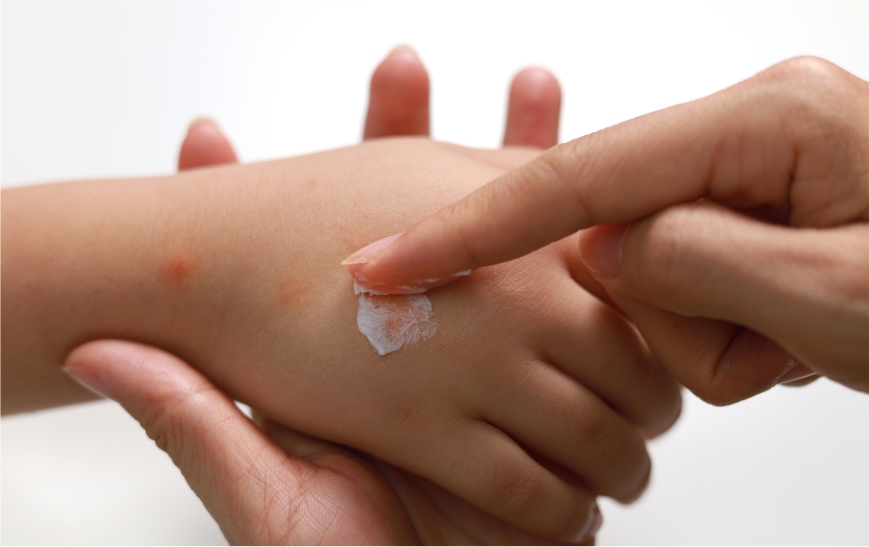
Itchy mosquito bites? Over-the-counter antihistamines can help relieve itching. A hydrocortisone cream can also help reduce itching and inflammation.
By Stephanie Simons, Head Pharmacist, Lindo’s Pharmacy in Devonshire
Ah, summer. School holidays. Family vacations. Cup Match. Plenty of good excuses (if you need any) to have fun in the sun. A day at the cricket, or the beach, or the campsite, can leave you feeling relaxed and happy. But there can be less positive after-effects, too.
Sunburn, for starters. Obviously, everyone who hasn’t been living under a rock for the past 20 years knows that you should wear a good sunscreen (minimum SPF30) when spending time outdoors and reapply every two hours and after swimming.
We have a wide range to choose from, including ones specifically designed for babies and children, from market leaders Coppertone, Blue Lizard and Banana Boat, to mention just three. (And by the way, now’s a good time to check the expiry date on your old sunscreen. The FDA requires manufacturers to ensure their products last for three years, but after that it’s wise to replace.)
Every sunburn, no matter the degree of burn, damages your skin and increases your risk of developing skin cancer. Remember to slip, slop, slap, seek, slide and limit your sun exposure on high UV index days.
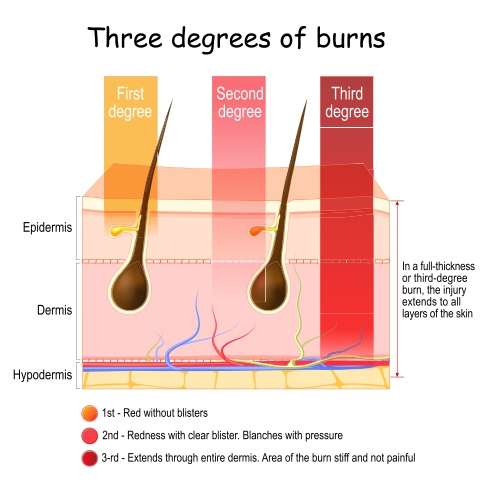
Still, sometimes, no matter how prepared we are, mistakes are made. We nod off in a hammock. We forget to reapply our sunscreen. Or forget it altogether. What to do then? Well, first off, if you are experiencing any of the following symptoms – blistering or swelling of the sunburned area, a high temperature, dizziness or nausea, shivering, headache or muscle cramps – speak to a doctor right away.
If you just feel tender, and look like a lobster, you can probably help yourself. Drink plenty of water, to prevent dehydration. Oral Rehydration products like Nuun, Liquid IV and Pedialyte which are available in numerous flavours will also help to prevent and treat symptoms of dehydration. Take some pain relief – either an acetaminophen (Tylenol, Paracetamol) or an NSAID (Advil, Nurofen); all available in our pharmacy corner.
Have a cool shower. Or a tepid bath with a little bit of baking soda in it (about 60g per tub; available in Lindo’s baking aisle!). Remember, though, if you are treating a child or baby, do not let them get too cold.
Wear loose fitting clothes – any contact with your sunburnt skin will be excruciating. Apply an after-sun product that contains aloe vera, like Solrx’s Aftersun or Panama Jack’s Burn Relief. Good old calamine lotion can also be very soothing. If you pop these items into the fridge before applying, they will feel even better on your sensitive skin.
Medical experts sometimes recommend using a 1 per cent hydrocortisone cream a couple of times a day, for up to three days – check with one of our pharmacists on what’s right for you. Again, storing the cream in the refrigerator will increase the ‘Aaaaah’ factor.
There are other kinds of fallout from a great day in the great outdoors, too. Mosquitos are often uninvited guests at these gatherings. We have a new product; mosquito repellent bracelets and stickers which contain essential oils that are great for adults and small children. But, if you get bitten, what should you do? Reassuringly, most bites will get better on their own after a couple of days.
Clean the affected area well, to prevent infection. If you have some handy, apply an antihistamine cream like Benadryl or Anthisan or over-the-counter hydrocortisone cream (see above). Applied early, it may help to stop the swelling in its tracks.
You can also try using an ice pack, or cold compress, for 20 minutes. If the bite continues to itch, ask one of our pharmacists about an oral antihistamine. Ones containing chlorphenamine (Piriton) or diphenhydramine (Benadryl) will work quickly but can cause drowsiness while loratadine (Clarityn) will not make you drowsy, so you can still drive safely, and carry on with your daily routine.
And what if it’s not your outsides that are bothering you, but your insides? Too much picnicking can lead to indigestion and/or heartburn. Again, we have a wide range of products to ease your pain.
Mild indigestion is usually nothing to worry about – particularly if it follows on after a blowout al fresco feast. If your indigestion re-occurs frequently, or persists for more than two weeks, please consult your doctor.
Otherwise, ask one of our pharmacists which is the best treatment for your tummy trouble. We have everything from old favourites like Alka Seltzer and ENO salts, to help settle your stomach; to our Gas-X range, to deal with that ‘I can’t believe I ate the whole thing’ bloated feeling. Plus, many other options. Check us out, and make sure your summer memories are good ones!
Stephanie Simons is the head pharmacist at Lindo’s Pharmacy in Devonshire. She earned her Bachelor of Science in Pharmacy at Massachusetts College of Pharmacy and has been practicing for over 20 years. She is a registered pharmacist with the Bermuda Pharmacy Council and is a member of the Bermuda Pharmaceutical Association.