Laden with fresh, colourful fruit, it’s no wonder sangria is such a popular summer cocktail. Sangria is cold, refreshing and deliciously fruity in flavor. It normally consists of wine, chopped fruit, a sweetener, and a small amount of added brandy. Fruits are chopped or sliced, and can include orange, lemon, lime, melon, apple, pineapple, grape, berries, kiwi and mango – more juicier fruit works best. The alcohol content varies widely according to which recipe is used, but typically falls in a range between four to eleven percent. Triple sec, cognac, ginger ale or a lemon-lime soda can be used to replace the brandy.
Sangria originated in Spain and Portugal, and the word “sangria” means “bloody” possibly owing to the deep red colour of the punch.
Among the Spanish and Portuguese, sangria is most typically served at informal social gatherings.
There are many variations of sangria. Traditional sangria is red, but the white version–or sangria blanco–is also widely popular. Some versions in southern Spain use peaches and nectarines as the fruit components, and they are referred to as zurra. A similar beverage is prepared in the West Indies. It’s usually with port wine as a base, and it is known there as sangaree. The Portuguese prefer to add cinnamon to their sangria recipes. To maximize sangria’s fruity flavour it is recommended to use a fruity brandy to complement the fruit in the sangria.
Whatever fruit or spirits you prefer, these ingredients should be combined ahead of time (except ice and carbonated soda if used), preferably overnight, to deepen and infuse the flavours.
TO SERVE: Sangria is typically served from a pitcher or punch bowl, and simply poured over ice. A lid or other strainer for the container helps prevent the fruit and ice cubes from falling into the glass, but have a spoon handy to get fruit out of the bottom of the punch bowl or pitcher to add to individual serving glasses.
If you liked the Lysol No-Touch™ Hand Soap, you’ll absolutely love the new No-Touch™ Kitchen System.
Lysol created a revolutionary automatic, hands-free dispenser with a multi purpose formula that:
– Powers through grease on dishes
– Cleans tough messes on surfaces
– Kills bacteria on hands as it gently cleanses them
All these great benefits in a no-touch design!
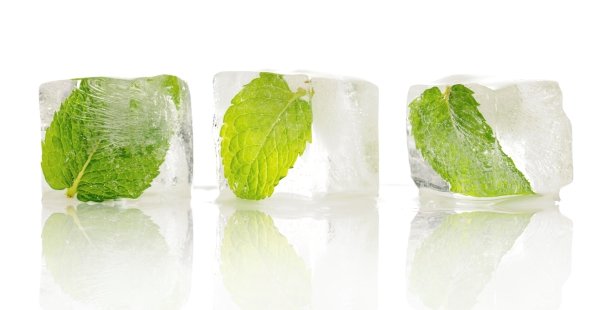
Making decorative ice cubes couldn’t be easier, but always makes the recipient feel special. So impressive and pretty, decorative ice cubes are perfect for entertaining, and are guaranteed to bring the hostess quite a few compliments.
Get creative! Make ice cubes suited to particular drinks. For example, make pineapple ice cubes for a pina colada, or mint sprig ice cubes for Mint Juleps, and lemon ice cubes for iced tea. Better yet, freeze your favourite juice into ice cubes for flavorful, non-diluted chilled drinks like the frozen tomato juice ice cubes in a Bloody Mary pictured left. There are endless variations on this idea, and the ingredient options below are just the beginning of what you could make.
Ingredients:
fruits or vegetables (such as citrus – lemon, lime, grapefruit, blueberries, raspberries, cherry, kiwi, strawberry, cucumber, starfruit, etc.
fresh edible flower (such as marigolds, pansies, nasturtiums, rose petals)
fresh herbs (such as mint or basil)
Directions:
Put small chunks or slices of fruit, vegetable, or flowers or herbs into an ice tray, fill with water and freeze. Serve the ice cubes directly in drinks, or put them out in a glass bowl or ice bucket with tongs.
TIP FOR CLEARER ICE:
Most household water contains impurities, and air which makes ice cloudy. To make clearer ice follow the directions here.
Start with filtered water. This can remove many of the tiny floating particles that attract air bubbles during the freezing.
Boil the water twice. After boiling for the first time; allow the water to cool whilebeing covered to prevent any dust from collecting on the surface, and then boil it again. Boiling removes air bubbles from the liquid, allowing the water molecules to stick together even harder in the freezer.
Pour water into an ice tray or possibly other shapes, and cover with a plastic film. Place the ice tray in the freezer. Leave it for few hours to freeze.
Do you have a favorite juice or juice mix you like to freeze into ice cubes? What beverage do you like to use your decorative ice in? Water, iced tea, sparkling water, sangria, or summer cocktails? Tell us, we’d like to know!
From author Jane Maynard – contributor on makeandtakes.com. She is the writer and founder of the food blog This Week for Dinner and editor of FoodPress.com
Ingredients:
– Lime Sherbet
– Vanilla ice cream or Pineapple sherbet
– Red or Pink coloured sherbet
– Mini chocolate chips, or substitute for healthier blueberries
Directions: 1. For each flavour, let the sherbet/ice cream soften for a few minutes before using. The red sherbet should be mixed with the mini chocolate chips. 2. Use a round springform pan. Line the bottom of the pan with wax paper or parchment paper if you plan to transfer the entire “pie” to another dish before serving. 3. Starting with lime, spread a ring of sherbet around the edge of the springform pan – about 2 inches high (or taller if you want!), and about 1-1½ inches wide from the outside edge of the pan. 4. Put pan in freezer to harden lime layer. 5. Repeat step 3 with the vanilla or pineapple sherbet, but make the layer much thinner – maybe 1/2 inch. Use a butter knife to flatten the top, evening-out the lime with the vanilla. Put pan in freezer to harden again. 6. Repeat step 3 with the red/chocolate chip sherbet. Fill the rest of the pan, then use a butter knife to flatten the top. Freeze! 7. When it’s time to eat, run a knife around the edge of the pan before popping off the outside of the springform pan. Use a nice thin-blade knife to slice.
Here’s a tip from the author: serve watermelon pie on paper plates. Unlike regular china, porcelain or glass plates, watermelon pie hardly melts on paper plates preserving the cute watermelon slice appearance!
New York Strip steak, also known as club steak, strip loin, shell steak, or Kansas City strip steak, is a flavourful and tender cut of meat.
Cut from the short loin, the strip steak consists of a muscle that does little work, and so it is particularly tender, though not as tender as the nearby rib eye or tenderloin (fat content of the strip is somewhere between these two cuts). Unlike the nearby tenderloin, the short loin is a sizable muscle, allowing it to be cut into the larger portions. The strip steak can be sold with or without the bone. Strip steaks can be substituted for most recipes calling for T-bone and porterhouse steaks, and sometimes for fillet and rib eye steaks.
This tender cut may be broiled, grilled or sautéed.
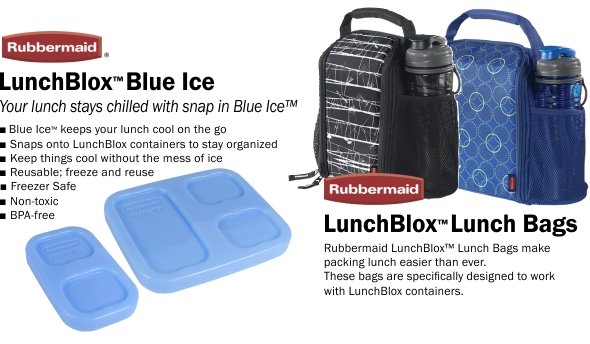
These modular containers snap together in multiple configurations to efficiently use the space in your lunch box or bag. Containers are perfectly portioned for your favorite lunch foods with handy measurements on the sides of each container. Your lunch stays chilled with snap in Blue Ice™. Rubbermaid LunchBlox™ come in kits and are sold separately so you can configure a different way everyday.




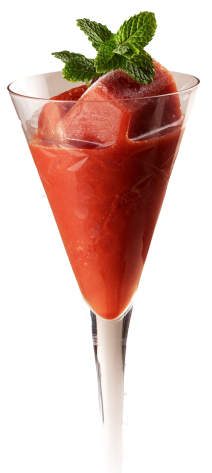 Get creative! Make ice cubes suited to particular drinks. For example, make pineapple ice cubes for a pina colada, or mint sprig ice cubes for Mint Juleps, and lemon ice cubes for iced tea. Better yet, freeze your favourite juice into ice cubes for flavorful, non-diluted chilled drinks like the frozen tomato juice ice cubes in a Bloody Mary pictured left. There are endless variations on this idea, and the ingredient options below are just the beginning of what you could make.
 Do you have a favorite juice or juice mix you like to freeze into ice cubes? What beverage do you like to use your decorative ice in? Water, iced tea, sparkling water, sangria, or summer cocktails? Tell us, we’d like to know!
 Directions:
 Cut from the short loin, the strip steak consists of a muscle that does little work, and so it is particularly tender, though not as tender as the nearby rib eye or tenderloin (fat content of the strip is somewhere between these two cuts). Unlike the nearby tenderloin, the short loin is a sizable muscle, allowing it to be cut into the larger portions. The strip steak can be sold with or without the bone. Strip steaks can be substituted for most recipes calling for T-bone and porterhouse steaks, and sometimes for fillet and rib eye steaks.
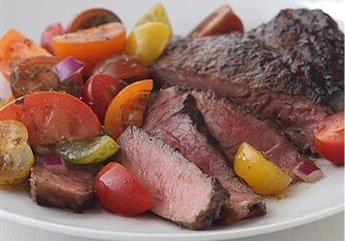 This tender cut may be broiled, grilled or sautéed.