Mar 18, 2024


By Stephanie Simons,
Head Pharmacist,
Lindo’s Pharmacy in Devonshire
The brain is the most important and complex organ in the body. It regulates and controls every process and function, from breathing and vision, to our thoughts, emotions and memories. So, what happens when this vital organ is damaged?
March is Brain Injury Awareness Month, a campaign which aims to help the general public bridge the gaps between our knowledge of this issue and the reality for those with brain injuries and their friends and family. While we all have some understanding of common conditions like a concussion, the majority of us know little about the long-term physical, emotional, behavioural, and cognitive effects people with brain injuries are battling every day. It’s therefore important that the wider public becomes more aware of this issue so we can better understand and support those around us who are impacted.
Minor injuries
Smaller brain injuries are often referred to as ‘mild’ or ‘minor’ traumatic brain injuries (mTBI). A common example is concussion, which refers to the brain shaking inside the skull resulting in mild damage. Usually occurring due to a bang to the head from a fall or vigorous sport, symptoms of concussion include a brief period of unconsciousness, nausea, or dizziness. These incidents make up approximately 95% of all brain injuries.
It’s important to remember many concussions or similar injuries do not result in unconsciousness, so look out for other symptoms too. If you are concerned you may have suffered a minor injury, speak to your pharmacist or GP straight away to assess your symptoms, and ascertain whether further medical assistance is needed. You should also make sure you’re not alone for 48 hours following the injury in case symptoms escalate.
Traumatic brain injuries
Resulting from external causes such as car accidents, viruses or physical assault, or internal health conditions like stroke, encephalitis or tumours – traumatic brain injuries (TBIs) incur more significant damage.
Strokes are a widespread issue in the US: someone has a stroke every 40 seconds – that’s more than 795,000 people a year. Stroke occurs when the blood supply to the brain’s network of blood vessels is disrupted. In an ischemic stroke, a blood clot blocks the blood flow, while a haemorrhagic stroke involves a leak of blood in the brain due to weakened blood vessels. Both starve the brain cells of oxygen, leading to serious damage.
Encephalitis, meanwhile, is the term for the inflammation or swelling of the brain. While less common than stroke, it is also life threatening and requires urgent medical attention. The causes of encephalitis are widely unknown, though some cases occur when viruses like herpes simplex (cold sores) or chickenpox spread to the brain.
Every TBI is different and can result in a unique combination of symptoms. Physically, you may experience a loss of sensation in the face, altered sense of smell or taste, dizziness and/or loss of hearing or vision. Many experience cognitive difficulties in attention, concentration or memory, while others may suffer from impaired communication skills such as problems following a conversation.
Seeking help
We can all do more to better understand brain injury and support those affected. Whether it’s for yourself, a family member or friend, or simply to boost your own awareness, your pharmacist is a great place to learn more about brain injury, the symptoms and how to seek support. We can offer advice and information, as well as provide gentle painkillers like Tylenol or Paracetamol, and equip you with first aid essentials like assorted bandages, smelling salts and gauze or a good First Aid Kit (like Curad brand) for all of life’s smaller accidents.
If you suspect concussion or more serious injury, contact your GP or medical professional as soon as possible – or, as for any emergency, call 911 straight away.
Stephanie Simons is the head pharmacist at Lindo’s Pharmacy in Devonshire. She earned her Bachelor of Science in Pharmacy at Massachusetts College of Pharmacy and has been practicing for over 20 years. She is a registered pharmacist with the Bermuda Pharmacy Council and is a member of the Bermuda Pharmaceutical Association.
Mar 11, 2024

These spiralized potatoes are formed into nests and fried until crispy, golden brown. Served with a perfectly cooked egg and smoked salmon, this dish is ideal for any spring or Easter brunch.
Prep time: 15 mins • Cook time: 15 mins • Makes: 4 servings
INGREDIENTS
- 4 potatoes, scrubbed and spiralized
- 2 tablespoons Ghee (or avocado oil)
- 8 eggs
- salt and pepper, to taste
- 4 oz. smoked salmon
- Fresh dill, for garnish
DIRECTIONS
- Working in batches, heat half of the ghee, or oil, in a large nonstick skillet. Add half of the potato spirals and sauté until tender (about 5 minutes). Once tender form the spirals into four nests and crack an egg into each one.
- Cook the eggs, covered, over medium heat, until the whites set, and the yolk is cooked to your liking (about 3 minutes for runny yolks). Season to taste with salt and pepper. Repeat the process with the remaining oil, potatoes, and eggs.
- Top each nest with pieces of smoked salmon, garnish with dill, and serve with Lemon Dill Sauce, if desired – recipe below.
Lemon Dill Sauce
INGREDIENTS
- ⅓ cup plain yogurt
- 3 tablespoons mayonnaise
- 2 tablespoons fresh lemon juice
- 1 tablespoon fresh dill, minced
- 1 tablespoon capers, minced
- 1 small garlic clove, finely minced
- Pinch of sea salt
DIRECTIONS
- Mix the lemon dill sauce ingredients in a medium-sized bowl. Keep refrigerated until ready to serve with the Potato Nests with Egg & Smoked Salmon.
Mar 11, 2024
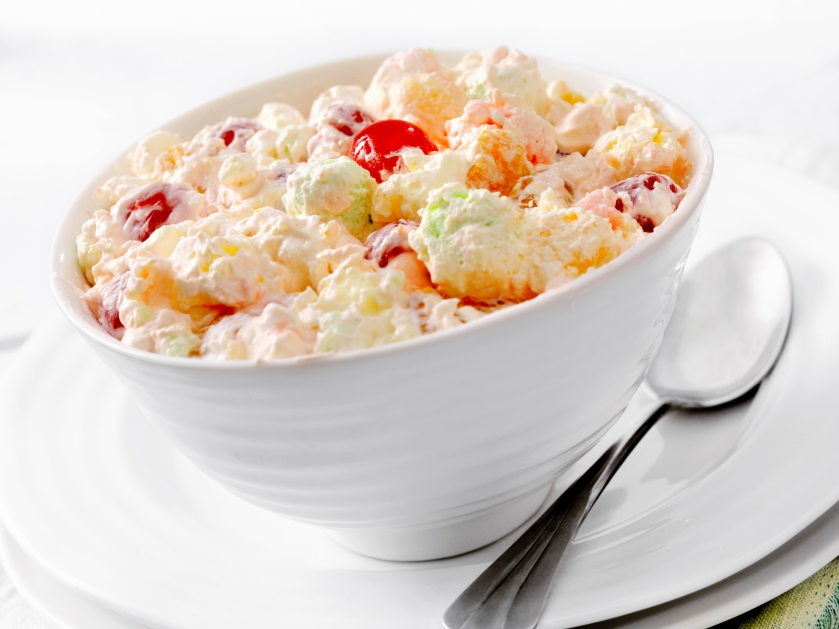
A forgotten crown-pleasing favourite that is perfect for Easter celebrations!
Prep time: 10 minutes • Chill time: 2 hours (or overnight) • Makes: 8 servings
INGREDIENTS
- 1 (8-ounce) container Cool Whip, thawed
- 1/2 cup vanilla yogurt
- 1 (8-ounce) can crushed pineapple (or chunks), drained
- 1 (11-ounce) can Mandarin oranges, drained
- 1 cup maraschino cherries, drained
- 1 1/2 cups miniature marshmallows
- 3/4 cup sweetened shredded coconut
DIRECTIONS
- In a large bowl, stir together the whipped topping and yogurt.
- Gently fold in pineapple, mandarin oranges, maraschino cherries, marshmallows, and shredded coconut.
- Cover bowl with plastic wrap and refrigerate until flavors blend. Refrigerate for 2 hours, or overnight.
Feb 15, 2024
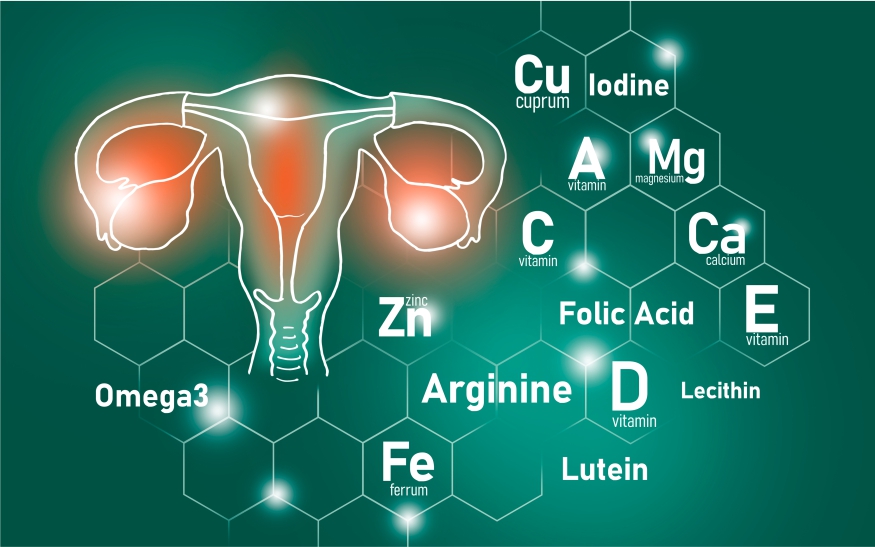
Vitamins and minerals are particularly vital in women’s reproductive health too, impacting ovulation, thyroid function, egg quality, and more.
By Stephanie Simons,
Head Pharmacist,
Lindo’s Pharmacy in Devonshire
We sing it in the playground – first comes love, next comes marriage…and what comes next? You’ve guessed it – the baby. These days, we’ve progressed far from this old schoolyard chant – families come in all kinds of shapes and sizes. But with so many conflicting stories circling from friends, relatives, and across social media, it can be hard to know what advice to follow when it comes to conceiving your baby. Luckily, we’re here to help.
The first step in conceiving is to halt your method of contraception. It might sound obvious but different kinds require different amounts of time before you can conceive. If you stop using condoms, for example, you can conceive straight away, whereas ending hormonal contraception such as the combined pill or implant can take a little longer for your body to allow conception. Speak to your pharmacist or GP if you’re unsure how long you might need.
It’s also a good time to check you’re ready too – in body and mind. If you have any pre-existing health issues such as diabetes or hereditary conditions you’re concerned may pass to your child, now’s the time to seek support. Your GP or pharmacist can help navigate health conditions and how they may impact your attempts to conceive.
It’s equally important to check your mental health too. Serious conditions such as schizophrenia can be triggered by pregnancy so it’s good to have a plan in place with your health care provider before conceiving. If you take any medication for your mental health, it’s important to discuss this with your GP so you can work out the best way forward – never stop taking medication without the supervision of your GP.
When you’re up to speed and ready to go, it’s helpful to know when you’re ovulating. This is the process when an egg leaves the ovaries and travels toward the uterus, occurring 24-36 hours after a surge of luteinizing hormone (LH). Ovulation tests can track the levels of LH present in your urine, thus helping you measure when you’re most likely to conceive. Simple and easy to use, tests like Clearblue or First Response make the process much run smoothly.
To maximise your chances, both men and women need to eat a healthy, nutritious diet, exercise regularly, and avoid alcohol, smoking, and recreational drugs. Vitamins and minerals are particularly vital in women’s reproductive health too, impacting ovulation, thyroid function, egg quality, and more. A folic acid supplement like N.B. Folic Acid or N.T. L-Methylfolate is vital for anyone looking to get pregnant, while iron (Ferrograd), Vitamin C (N.B. Vitamin C 1000mg), and Vitamin D (N.B. Vitamin D 2000IU) are all beneficial during this time. Vitabiotics also has a line of supplements called Pregnacare with formulas for pre-conception through to breastfeeding.
It’s also helpful to minimise stress however that works for you. Try a yoga class, a quick online meditation, or even some aromatherapy with a product like Nature’s Truth Calming blend. Your pharmacist and GP can advise on simple ways to improve your health, and thus your chances of conception.
If you struggle to conceive at first – there’s no need to panic. Everyone’s different, and approximately eight out of ten couples conceive naturally during the first year if the woman is under 40 years old. If you have undergone treatment such as chemotherapy, previously had a sexually transmitted disease, or you’re a woman in your mid-thirties or older, it’s a good idea to seek advice if you’re having trouble conceiving. Specialists can help identify what might be causing the difficulty and suggest the best options going forward from lifestyle tweaks to IVF treatment.
Whatever your family set-up, trying to conceive can be a tricky process to navigate. The most important thing is to look after yourself, both mentally and physically. Your pharmacist or GP is a great place to start these conversations and will help you find the support that’s right for you.
Stephanie Simons is the head pharmacist at Lindo’s Pharmacy in Devonshire. She earned her Bachelor of Science in Pharmacy at Massachusetts College of Pharmacy and has been practicing for over 20 years. She is a registered pharmacist with the Bermuda Pharmacy Council and is a member of the Bermuda Pharmaceutical Association.
Feb 14, 2024

Join us for the 25th Anniversary of the Lindo’s to Lindo’s Walk and Run
Help make this year’s event the biggest and most impactful yet. The Lindo’s to Lindo’s event goes beyond a mere race; it’s a community-driven initiative aimed at raising awareness about diabetes, promoting a healthy lifestyle, and supporting those in need.
SUNDAY, MARCH 3, 2024

More event details and signup at racedayworld.com
Goodies bags available for the first 800 participants
WANT TO DONATE OR VOLUNTEER? Find out how you can help at www.diabetes.bm/events/lindos-to-lindos-road-race
Part of the race proceeds to support the Bermuda Diabetes Association