By Stephanie Simons, Head Pharmacist, Lindo’s Pharmacy in Devonshire
While
many of us take great care of our skin, our muscles, our minds – few realise
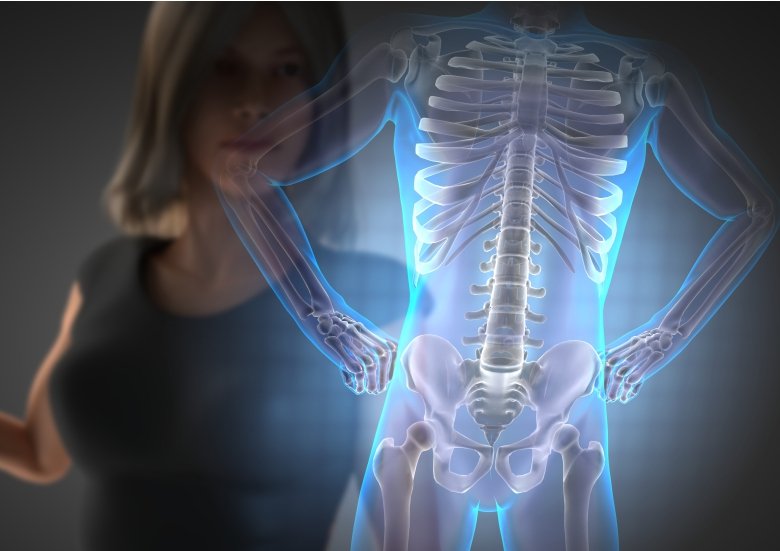
how important it is to care for our bones, at all stages if life. Your skeleton
provides the whole structure of your body, protecting your vital organs and
anchoring muscles where they need to be, and there is a lot we can do to keep
our bones strong and healthy.
From
the moment you’re born, your bones are constantly changing: new bone is made
and old bone is broken down. Until the age of thirty, your body makes new bone
faster than it breaks down old, causing your bone mass to increase. As you get
older however, you begin to lose more than you gain, and your bone mass slowly
decreases over time.
That
said, there is much we can do along the way to improve our bone mass – starting
with our calcium intake. Research shows that calcium deficiency leads to diminished bone
density, early bone loss and an increased risk of fractures. However, you can boost
your calcium levels by eating a wide range of foods including dairy products,
almonds, green vegetables such as broccoli and kale, and soy products like
tofu. Supplements such as Caltrate, Viactiv and Nature’s Bounty (or Nature’s
Truth) Calcium tablets can be used if and when your diet may be insufficient.
Vitamin
D is also needed to allow calcium be absorbed. You can increase your vitamin D
intake with food such as oily fish like salmon and tuna, as well as mushrooms,
eggs and fortified foods like cereal. Sunlight contributes to the production of
Vitamin D too, so do try to get out and about when the sun decides to shine!
Lesser
known, but equally important, Vitamin K2, particularly MK-4 and MK-7, supports
bone health by modifying osteocalcin, a protein involved in bone formation. You
can find MK-4 in liver and eggs, while Mk-7 is found in fermented food like
cheese, miso and sauerkraut – as well as supplements such as Smarty Pants
Organics vitamins. There are formulas specific for men, women, pregnancy, kids
and toddlers. There are also a wealth of combined supplements available like
Rainbow Light, Centrum and One-A-Day, which combine nutrients and vitamins to
give your bones everything they need in one quick and easy capsule.
Bones
are made from 50% protein so it’s good to make sure foods such as meat, dairy,
beans and pulses form a good proportion of your diet – especially as you get
older. Studies have shown that in postmenopausal women, higher protein intake is
linked to a lower risk of forearm fractures and significantly higher bone
density in the hip, spine and total body. Weight-bearing exercises, such as
walking, jogging, and climbing stairs, have great benefits too: people
who are physically active have a much lower risk of bones problems.
Those
with low bone density may be suffering from osteoporosis, a health condition
that weakens bones, making them fragile and more likely to break. If you are
concerned about osteoporosis, do speak to your GP as soon as possible. In
addition to lifestyle options, there are also medications that can strengthen
bones and reduce the risk of fractures, and your GP can give advice on the best
treatment for you.
If you have any
questions about bone health, your GP or indeed your pharmacist will be happy to
help.
Stephanie Simons is the head pharmacist at Lindo’s Pharmacy in Devonshire. She earned her Bachelor of Science in Pharmacy at Massachusetts College of Pharmacy and has been practicing for over 20 years. She is a registered pharmacist with the Bermuda Pharmacy Council and is a member of the Bermuda Pharmaceutical Association.
By Stephanie Simons, Head Pharmacist, Lindo’s Pharmacy in Devonshire
It’s that
time of year again! With autumn comes the start of the school year and, though
exciting, this can also be an anxious time for many parents. While it’s natural
to be nervous about your child’s wellbeing, there’s plenty you can do to help
them stay fit and healthy, so they can get the most out of their education.
One of the
areas parents have a big impact is nutrition. A healthy, varied diet can help
your child’s energy levels, concentration and mood, starting with a nutritious
breakfast. Protein-rich foods such as porridge or a smoothie can provide your
child with energy throughout the morning, and stave off hunger pangs until
lunchtime. Packed lunches are also a chance to get creative with food and
introduce new things to your child’s diet. However, remember to check ingredients,
especially on pre-packaged foods like crisps, sandwich fillings or even cereal
bars. Many contain much more fat and sugar than you’d think, which can lead to
hyperactivity or sluggishness – as well as more serious health problems down
the road.
Vitamins
are crucial for a child’s development. Vitamin C is particularly important in developing
and maintaining children’s immune systems during school terms. With bugs and
viruses spreading through the classroom, it’s a good idea to stock up on key
sources of Vitamin C such as oranges, tomatoes and broccoli. Vitamin A is also
important for the ongoing development of children’s eyes and sight, and this
can be found in carrots, eggs and fortified breakfast cereals.
In addition
to a healthy diet, experts recommend children take vitamin supplements to
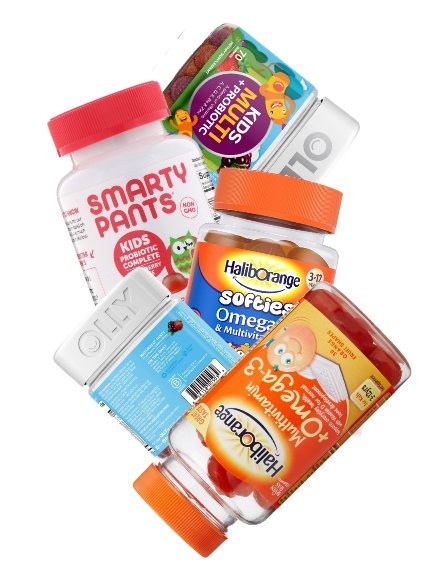
ensure they’re getting everything they need. Try products designed with
children in mind such as Olly Kid’s Multi + Probiotics, Smarty Pants
Prebiotic/probiotic combinations and organic vegetarian multivitamin
supplements and Haliborange Omega-3 for kids. Your pharmacist can advise you on
what might work best.
Sleep is
just as important for your child’s health as diet and exercise. It’s
recommended that children get at least eight to ten hours sleep a night, to
help them wake up ready for school the next day. However, as we all know, this
is easier said than done. You can help your child get the sleep they need by
developing a consistent evening routine that allows your child to wind down
before bed. Experts suggest turning off the television two hours before bed, as
screen time can impact levels of the hormone melatonin, a crucial regulator of
the sleep cycle. Night time drinks can also help, such as a warm glass of milk,
which can bring on drowsiness through the melatonin in it.
Schoolwork can take its toll on your child’s eyes, especially if they’re not used to a lot of reading. Experts advise parents to get their child’s sight tested if they show any signs of difficulty, such as squinting, tilting their head, or holding devices or books too closely to their face. If you have any concerns, do speak to your GP, pharmacist or optician. It may be as simple as adding eye drops or an eye bath to their routine, such as Optrex Eye Wash or Dops which are cooing and refreshing and since it is non-medicinal, it can be used as often as needed.
And of course – don’t
forget the dreaded head lice outbreaks, spread through head to head contact during
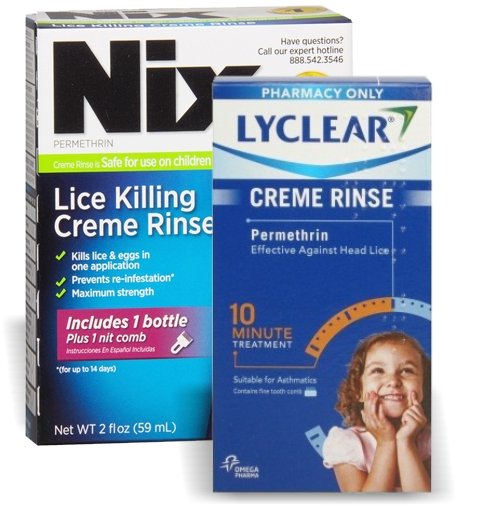
playtime, sports and sleepovers. Be sure to tackle it as soon as possible,
first with a shampoo such as Rid, Nix and Lyclear, followed by a wet comb. You
need to do this several times after the outbreak – as unhatched eggs may
survive the initial attack.
Most importantly, take
the time to build a strong relationship with your child’s school. That way, you
can make them aware of everything they need to know, from medical conditions to
food allergies, and they can keep you up to date too. In the meantime, if you
have any serious concern about your child’s health, your pharmacist and GP are
always here to help.
Stephanie Simons is the head pharmacist at Lindo’s Pharmacy in Devonshire. She earned her Bachelor of Science in Pharmacy at Massachusetts College of Pharmacy and has been practicing for over 20 years. She is a registered pharmacist with the Bermuda Pharmacy Council and is a member of the Bermuda Pharmaceutical Association.
By Stephanie Simons, Head Pharmacist, Lindo’s Pharmacy in Devonshire
August
is not only the hottest month of the year – it’s also Breastfeeding Month, a time for discussing new babies and
how best to help them flourish. This year, however, we want to focus on the
heroic new mothers, and the ways they can take care of themselves during the
postpartum period.
The
first months with your new baby are quite the adventure, and for many it can be
an overwhelming time. In addition to recovering from pregnancy and childbirth, you’re
also experiencing a wealth of new physical and emotional changes. Whether or
not you choose to breastfeed, your body is undergoing immense upheaval and it’s
important to take steps to look after yourself as well as your lovely new baby.
One
of the most significant challenges facing new parents is the lack of sleep, and
most new moms will be incredibly exhausted. The important
thing is to remember that this is normal and to do what you can to ease the
strain.
A
tried and tested method is to make sure you take the chance to sleep when the
baby sleeps, even if it’s just a few hours here and there to close your eyes.
For others, the disruption to your sleeping cycle can make it hard to relax
when you do have the chance. Many find hot baths are a good way of easing stress,
while others look to herbal remedies like chamomile teas (Traditional
Medicines, Stash and other brands), capsules, such as valerian root (Nature’s
Bounty Valerian or Kalms) or lavender products such as Nature’s Truth Lavender
Oil in the bath or Traditional Medicines Lavender & Chamomile tea.* Equally
– be kind to yourself. Allow your partner, family and/or friends to help with
things like housework, so you can focus on caring for yourself and your new
arrival.
Nutrition
is also a great way of aiding sleep, maintaining energy levels and helping you
recover from pregnancy and childbirth. It can be hard to pay attention to food,
but eating a balanced, healthy diet could make all the
difference.
It’s
a good idea to plan quick and simple meals that pack in the nutrients your body
needs. Fruits and vegetables are key, alongside whole grains and lean proteins,
such as fish and beans. If you’re struggling to get the nutrients in, a
multi-vitamin such as your prenatal vitamin (Sanatogen, Materna etc.) or
Pregnacare New Mum as well as other supplements like iron (Ferrograd and
Spatone), calcium (Caltrate or Calcium Citrate) and magnesium (Nature’s Truth
Triple Magnesium Complex) can also help improve both energy levels and your
sleep cycle.* Fluids are equally essential, especially for breastfeeding moms,
and it’s helpful to have plenty of drinking water around the house for as and
when you need it.
It’s
also crucial you take time to check-in with your mood. The majority of moms
experience ‘baby blues’ in some capacity, such as crying, mood swings or
anxiety. However, if you or someone you know develops more severe symptoms,
such as feelings of isolation, despair or confusion, it is vital that you speak
to your GP. Postpartum depression impacts more than 10% of all new moms, but it
is easily treated with the right medical support.
New babies are wonderful – and hard work. All moms are different and do the best they can in their individual situations. If you have any questions or concerns about yourself or another new mom, the pharmacy or your GP is the best place to start.
*Breastfeeding moms should always check with a doctor before ingesting herbal remedies or supplements
Stephanie Simons is the head pharmacist at Lindo’s Pharmacy in Devonshire. She earned her Bachelor of Science in Pharmacy at Massachusetts College of Pharmacy and has been practicing for over 20 years. She is a registered pharmacist with the Bermuda Pharmacy Council and is a member of the Bermuda Pharmaceutical Association.
By Stephanie Simons, Head Pharmacist, Lindo’s Pharmacy in Devonshire
All
across Bermuda, there’s excitement in the air. Bags are being packed, flights
are being booked, out-office-emails are ready to roll – yes, it’s finally time
for your summer vacation!
Alongside
your passport, your swimsuit and your summer reads, you need to make sure your
body has everything it needs too. Whether you’re heading across the globe, or
staying closer to home, it’s important to be prepared.
Different
countries and climates require different preparation so make sure you do your
research and plan ahead. For many destinations, you will need specific
vaccinations to protect you from tropical diseases. Those travelling to very
hot areas of the world such as Asia or South America, for example, will need
Hepatitis A, Tetanus, Typhoid and Diphtheria vaccinations, and additional shots
for diseases like rabies or cholera if you’re visiting certain regions.
Vaccinations don’t come cheap, so it’s important to factor the cost into your
holiday budget.
The
best thing to do is see your pharmacist or travel nurse at least six-eight
weeks before you’re due to travel, to find out exactly what vaccinations you
need.
Foreign
environments can put the body under stress, even if you’ve had all the required
vaccinations, so it’s always good to give your health a boost before you go.
Make sure you’re topped up on your vitamins and minerals, both through a varied,
nutritious diet and with supplements such
as Centrum and Rainbow Light where
needed. You can also help ready your immune system for a different climate with
natural remedies like Echinacea and Goldenseal by Nature’s Bounty or Nature’s
Truth. High in antioxidants, Echinacea can be taken in tablets or teas, and is
known to reduce inflammation, boost your immunity and soothe feelings of
anxiety that can arise when travelling long-distance.
Busy
packing your suitcase? You should also consider what you’ll need once you arrive
at your destination. Allergies can turn any holiday sour if you’re not fully
equipped. For instance, many people suffer from sun allergies such as rashes or
itchiness when they encounter stronger sunlight than they’re used to, so it’s
helpful to have a sun cream of SPF 30 or more on hand, such as Raw Elements,
Blue Lizard and Neutrogena or even a sun screen specifically developed for
sensitive skin such as Raw Elements and Think Baby.
Insects
can also play havoc with your skin while you’re away, especially those pesky
mosquitoes we’re all so familiar with. It’s Fight the Bite month in Bermuda
this month and it’s just as important to keep yourself safe from insects and
the diseases they spread while you’re away. Prevention is key, and with insect
repellents for your skin, Off, Cutter or Badger Sunblock + Repellent, and your
bedroom – essential oils like peppermint and citronella are fantastic natural
repellents and they smell nice too! –
You can help keep mosquitoes and other pests at bay. However, anyone can
get caught out. With the right vaccines, there’s no need to panic, but it’s
good to have a handy bottle (or tube) of Hydrocortisone, Benadryl or Anthisan
creams in your case to sooth those irritating bites and get back to enjoying
your holiday.
Still
a bit unsure? Speak to your pharmacist or GP. We can talk you through
everything you and your family need to stay healthy on holiday, from the best
sun cream to accessing medical services abroad. By preparing in advance, you
can head off on vacation with peace of mind and get straight to the important
business of relaxing and enjoying yourself.
Trust me, you deserve
it.
Stephanie Simons is the head pharmacist at Lindo’s Pharmacy in Devonshire. She earned her Bachelor of Science in Pharmacy at Massachusetts College of Pharmacy and has been practicing for over 20 years. She is a registered pharmacist with the Bermuda Pharmacy Council and is a member of the Bermuda Pharmaceutical Association.
By Stephanie Simons, Head Pharmacist, Lindo’s Pharmacy in Devonshire
How are you today? We’re asked this question all the time,
but sometimes it’s hard to give an honest answer – especially when we’re not
feeling our best.
Approximately one in four people experience problems with
mental health every year. Contemporary life places burdens on us all, from
family issues to financial problems, and these concerns can lead to stress,
anxiety and depression. Though most of us know what do when our bodies aren’t
working properly, worryingly few of us take action when it’s our mental health
at stake.
Our bodies and minds do not work independently of each
other. If we’re experiencing anxiety or low mood this can have an adverse
effect on our physical health and lead to a greater risk of certain illnesses
or conditions. Similarly, if we’re ill or injured, that can impact our mental
health too.
However, there are many things we can do to help our
bodies and minds work together. Exercise is known for its positive physical
benefits, but it’s also proven to be a great way to improve symptoms of
depression or anxiety. Whether you favour yoga, running, or simply a short
walk, exercise encourages the release of chemicals called endorphins, which
increase mental alertness, energy levels and positive mood. It also helps to
improve your sleep cycle, helping you wake up refreshed and ready to face the
day.
A healthy balanced diet not only keeps you feeling
strong and energetic – it can also help manage and even prevent numerous mental
conditions. B vitamins are particularly important. Found in whole grains, meat,
green leafy vegetables and more, B vitamins play a key role in producing
important chemicals in the brain. Vitamin B12, for instance, helps to maintain
the healthy production of serotonin, which balances mood and improves sleep.
Older people, vegetarians and vegans, and those with celiac disease or Crohn’s
disease, may be deficient in Vitamin B12 and could benefit from a supplement
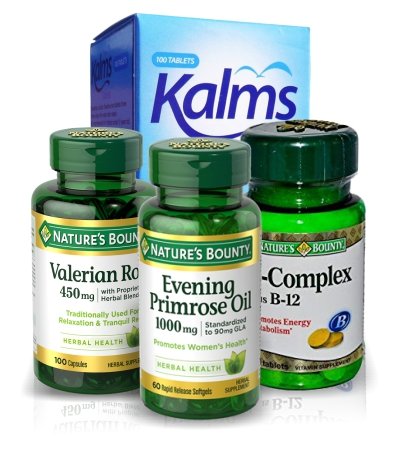
such as Nature’s Bounty B Complex + B-12 or Vitamin B-12 on its own in
strengths from 500mcg to 5000mcg. B-12 is also an ingredient in the
multivitamin supplements like Centrum, One-A-Day and Rainbow Light.
That said, issues like depression and anxiety can affect
anyone at any time, even the fittest of us all, and there is no shame in
seeking help. If you’re unsure what to do, the pharmacy can be a great place to
start. Pharmacists can talk through your symptoms and advise on the next steps
to take. They can also suggest a range of options that may help you.
In addition to nutritional supplements such as Vitamin
B12, herbal remedies can be very useful. St John’s Wort by Nature’s Bounty, (Hypericum
perforatum), is a botanical compound known to help depression, seasonal
affective disorder (SAD), mild anxiety and sleep problems. Valerian root can
also be helpful. Usually taken before bed to help with sleep, it can also be
used during the day to manage symptoms of anxiety or stress. Valerian can be
found on its own in the vitamin section Nature’s Bounty) and also in Kalms – a
supplement that is great for sleeplessness, stress and anxiety.
Many women find their mental health can suffer the week
before their period. Evening Primrose Oil which is also in the vitamin section
by Nature’s Bounty is a great way to balance your pre-menstrual hormones, helping
to alleviate sadness and irritability – as well as other unpleasant symptoms
such as breast pain and bloating.
Of course, if you are having mental health difficulties,
you should always consult your doctor. However serious your symptoms, they can
advise on the best course of action, whether that is a lifestyle change or a
prescribed medication. Sometimes it just helps to talk through your experiences.
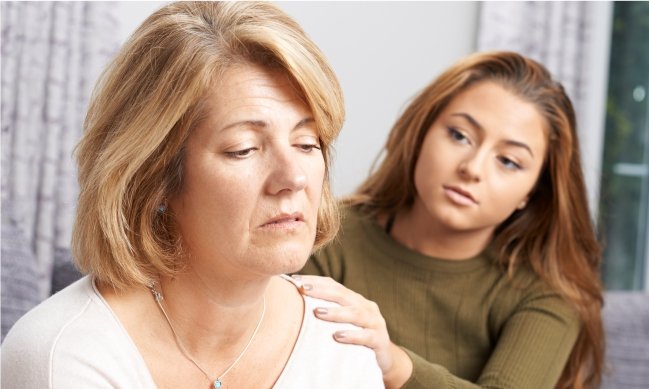
Similarly, if you are
worried about a colleague, friend or loved one, your doctor can offer advice on
how you can encourage them to seek help themselves. In the meantime,
be sure to ask how they’re feeling. You never know if they might need someone
to talk to.
Stephanie Simons is the head pharmacist at Lindo’s Pharmacy in Devonshire. She earned her Bachelor of Science in Pharmacy at Massachusetts College of Pharmacy and has been practicing for over 20 years. She is a registered pharmacist with the Bermuda Pharmacy Council and is a member of the Bermuda Pharmaceutical Association.
By Stephanie Simons, Head Pharmacist, Lindo’s Pharmacy in Devonshire
Summer’s
finally here! Whether it’s beaches, barbecues or just spending a bit more time
outdoors, there’s something for everyone to look forward to. But summer is not
only good for the soul – it’s also great for your health.
As
the summer draws in, so does the sunshine. In the months of April, May and June
the hours of sunshine begin to increase, peaking in July, and with the sunlight
comes a variety of incredible health benefits.
The
main advantages come from Vitamin D, which is synthesised by the body when our
skin is exposed to sunlight. As the weather improves and we spend more time outside,
our Vitamin D levels rise due to this increased exposure.
Vitamin
D is crucial for the development and maintenance of your bones and teeth. It helps
the absorption of calcium from the intestines, ensures correct renewal of bone
tissue, and maintains phosphorus levels in the blood – all of which contribute to
strong, healthy bones. This can reduce the risk of osteoporosis and aid the treatment
of the condition.
Vitamin
D is also known to have a positive effect on the immune system, the brain and the
nervous system. Building up a healthy supply of Vitamin D during the summer can
therefore stand you in good stead come the winter months, helping you ward off
viruses like cold and flu.
It
can play a role in more serious health problems too. Research shows that
Vitamin D can reduce the risk of cardiovascular disease, rheumatoid arthritis
and severe asthma, and is also thought to help those managing diabetes to regulate
their insulin levels.
However,
it’s not just Vitamin D levels that improve during the summer. Greater exposure
to sunlight can increase the release of a hormone called serotonin, which helps
to maintain a balanced mood, a healthy appetite and a regular sleep cycle. When
you’re out and about in the sunshine, the resulting increase in serotonin can
help you feel calm, focussed and ready to tackle the day.
Ever
noticed you or someone close to you experiences more sadness or lethargy during
the winter months? This can be because of the reduced sunlight and the lowers
levels of serotonin, a condition known as Seasonal Affective Disorder (SAD). If
you’re worried about your mental health or that of a loved-one, it’s always a
good idea to check in with your GP – at any time of year.
And
let’s not forget, sunlight has its risks too, especially in the hot
climate we enjoy here in Bermuda. To ensure that you’re keeping yourself safe
from sun damage, it’s important to apply sun protection products like Sol
Rx, Blue Lizard, Coppertone, Aveeno and others throughout the day. It’s
also essential that you stay hydrated when spending a lot of time in the heat,
so be sure to drink plenty of water. The best advice is to plan ahead – when
heading out for a day in the sun, make sure you’re prepared.
Of course, not
everyone loves the sun. If you’re struggling to get enough Vitamin D then
taking a supplement such as Nature’s Bounty or Nature Made Vitamin D or
a good multivitamin tablet (or gummy) that contains at least 800 IU (50mcg) of
vitamin D can make all the difference. Meanwhile, visit your pharmacist
or GP if you have any concerns about your health. We’re here to help – come
rain or shine.
Stephanie Simons is the head pharmacist at Lindo’s Pharmacy in Devonshire. She earned her Bachelor of Science in Pharmacy at Massachusetts College of Pharmacy and has been practicing for over 20 years. She is a registered pharmacist with the Bermuda Pharmacy Council and is a member of the Bermuda Pharmaceutical Association.