By Stephanie Simons, Head Pharmacist, Lindo’s Pharmacy in Devonshire
Working from home has become the ‘new normal’ for many, but there are those who are now heading back into the working world – and those who never left. From health care staff to delivery drivers, these are the people helping us return to some semblance of normality. Yet while it is becoming safer to venture out, the pandemic is far from over, and it’s vital that we all do our bit to support those working on the front lines.
For many key workers, the coronavirus has left its mark, both physically and mentally. But there are ways to ease this strain, whether you are a key worker yourself, or you are looking to support someone in your life.
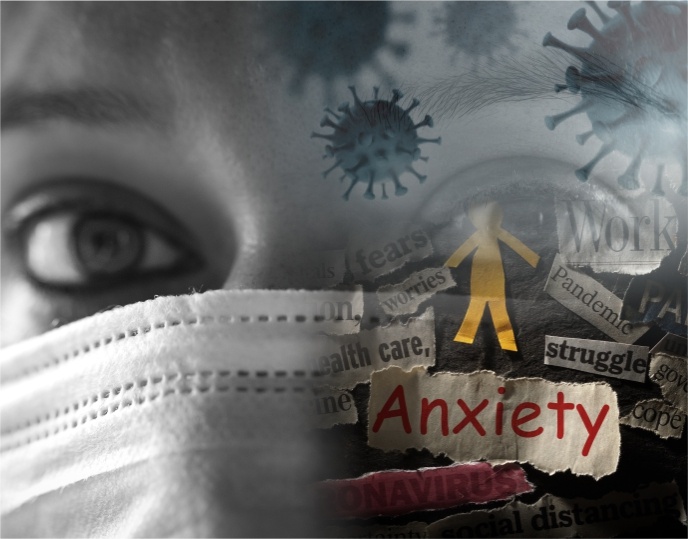
It’s likely that workers in public settings may experience anxiety. Such unprecedented circumstances can cause stress and confusion which, if not tackled, can lead to even worse mental health difficulties later on. Staff like health care workers or police could be concerned about their increased proximity to the virus, while others may worry about undertaking tasks outside of their usual role.
It can be helpful, therefore, to make sure key workers have a relaxing home environment to return to. Aromatherapy scents such as lavender, bergamot or ylang ylang in products like Nature’s Truth Aromatherapy blends – Calming, Mental Clarity, Happiness or Aura Cacia oils can create a calm atmosphere, while keeping a clean home with products like Lysol, Dettol or Clorox can also reduce any fears about hygiene. Plenty of sleep is also crucial for a healthy mind, so make sure you or your loved one has a quiet place to rest. Stress can make it hard to drift off, but herbal remedies like Nytol Herbal or Kalms Night or Melatonin can help in times when sleep is just out of reach.
It’s also important that key workers can discuss their experiences and concerns – even a quick chat with a friend can make all the difference. There are services available such as the Emotional Wellbeing Hotline (543-1111) too, for those who could benefit from extra support. If you or a loved one are experiencing significant distress, make sure to seek medical advice.
It’s just as important to take care of the body. Keeping fit and healthy helps to support your immune system, boost your mood and increase your ability to weather both emotional stress and viral attack. Taking time to exercise will nourish your muscles and your mind, whether it’s a quick walk around the block, an online yoga class, or even some living room Zumba.
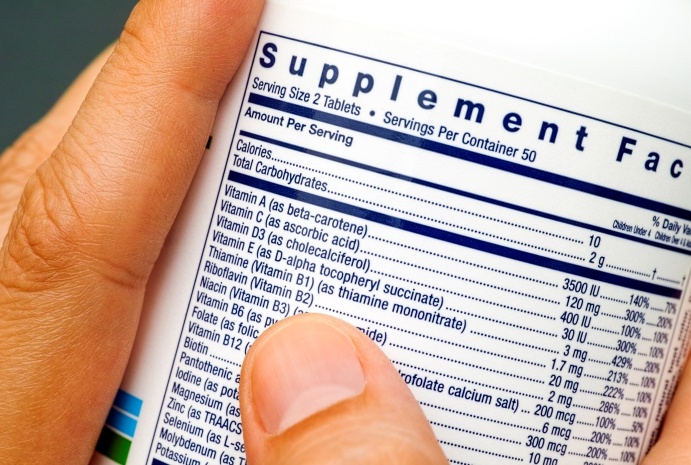
Hearty meals also offer comfort and improve energy levels. Look for simple recipes that pack in the nutrients, like a veggie pasta or delicious fruit smoothie. You can also take supplements like Vitamin C (Nature’s Bounty, Emergen-C) for your immune system, Vitamin B (Berocca, N.B. B-Complex) to combat tiredness or Vitamin D and Calcium (Caltrate, Citracal, Viactiv) if your bones are feeling the effects of all that hard work.
And let’s not forget the skin – it is, after all, a vital organ. Masks can irritate the skin of the face so it can be useful to rotate in a calming face wash like Cerave Hydrating Cleanser and moisturiser like Cerave Facial Moisture Lotion AM and PM formulas into your usual routine. Key workers’ hands are also taking a beating. Soothing lotions like Aveeno Stress Relief can ease dry hands and replenish moisture. Some of us are key workers – some of us are caring for them. Either way, it has never been more important to look after ourselves and others. If you are concerned about yourself or a loved one, please do seek advice from your GP or pharmacist. We are here to help everyone stay happy and healthy.
Stephanie Simons is the head pharmacist at Lindo’s Pharmacy in Devonshire. She earned her Bachelor of Science in Pharmacy at Massachusetts College of Pharmacy and has been practicing for over 20 years. She is a registered pharmacist with the Bermuda Pharmacy Council and is a member of the Bermuda Pharmaceutical Association.
By Stephanie Simons, Head Pharmacist, Lindo’s Pharmacy in Devonshire
It’s common knowledge that a varied, nutritious diet is good for your health. A lot of this is down to vitamins. They play a vital role in supporting your body to function at its best, both mentally and physically – and the best way to pack them in is through the food we eat. But what do vitamins actually do? And how do we know if we’re getting everything we need?
Vitamin A
Vitamin A helps maintain your immune system, sight and skin. You can get your dose of Vitamin A through dairy products like cheese and milk, oily fish and also in sources of beta-carotene, like spinach, carrots and sweet potatoes, which the body changes into Vitamin A.
However, it’s equally important not to ingest too much as this can weaken bones and increase your risk of osteoporosis. You should also limit intake when pregnant, including skincare containing Vitamin A (retinol) like Neutrogena Rapid Wrinkle Repair, as this can harm your unborn baby.
Vitamin B
There are many different types of Vitamin B, which is why B-complex supplements like Berocca, Nature’s Bounty or Nature Made B-Complex or Stress formulas are often taken to cover all bases. However, you may be deficient in one or several of the vitamins in particular.
For example, Vitamin B12, or cobalamin, is crucial for neurological function, DNA production and the development of red blood cells – which helps to prevent anaemia. It is found in meat, seafood and dairy, but those who don’t eat (or are intolerant to) these food groups, require supplements like Nature’s Bounty, Nature’s Truth and Nature Made B-12 tablets or Gummies.
Vitamin B9, or folic acid, is also key. Like B12, it helps to ward off anaemia and, during pregnancy, it can help to reduce risks of birth defects in unborn babies. To increase your B9 intake, you can take use supplements labelled Folic Acid or Folate (natural source) or boost the wholegrains, dark leafy vegetables and legumes in your diet.
Vitamin C
Vitamin C is known for its immune-boosting skills, but it also helps maintain healthy skin, blood vessels and bones. A severe lack of Vitamin C can lead to scurvy, but you can easily boost your intake through supplements like Redoxon, Airborne, Haliborange or a variety of fruit and vegetables including oranges, peppers, potatoes and broccoli.
Vitamin D
Vitamin D regulates the amount of calcium and phosphate in the body, both of which are essential to keep bones, teeth and muscles strong and healthy. Deficiencies can lead to bone deformities in children and weak bones in adults, especially older people.
Sunlight is the best source of Vitamin D (though be sure to wear your SPF!) However, if you spend most of your time indoors, it can help to take a supplement like Caltrate, Citracal or Viactiv which also contain calciumto boost levels and protect your bones. Foods like mushrooms and oily fish are also rich in Vitamin D.
Other vitamins
A variety of other vitamins are also important. Found in nuts, seeds and olive oil, Vitamin E helps to maintain healthy skin and eyes, and strengthens the immune system. Meanwhile, Vitamin K, is needed for blood-clotting, so make sure you pack in those green, leafy vegetables and cereal grains!
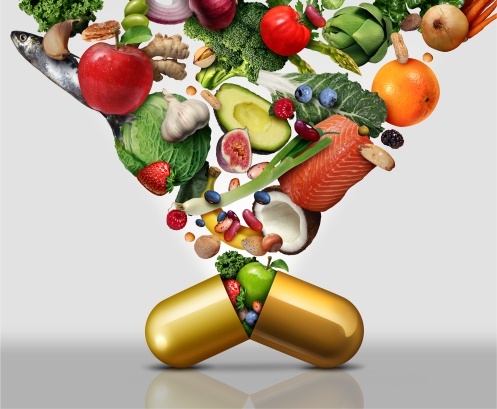
The easiest way to get all the nutrients you need is to eat a varied diet, full of fresh fruit and vegetables, wholegrains, nuts and seeds. Smoothies are a great way to sneak in everything from spinach to oats, while a stir-fry can include any vegetables you like. If you’re worried you have deficiencies or have questions about nutrition, do speak to your pharmacist or doctor who’d be happy to advise.
Stephanie Simons is the head pharmacist at Lindo’s Pharmacy in Devonshire. She earned her Bachelor of Science in Pharmacy at Massachusetts College of Pharmacy and has been practicing for over 20 years. She is a registered pharmacist with the Bermuda Pharmacy Council and is a member of the Bermuda Pharmaceutical Association.
By Stephanie Simons, Head Pharmacist, Lindo’s Pharmacy in Devonshire
We know how to stay healthy at home. We know how to stay healthy at work. But what about when these two spheres merge? The global pandemic has made jugglers of us all, with many balancing our jobs, childcare, and checking in on friends and relatives, all in the same day.
When there is homeschooling to be done and meals to be cooked – not to mention those urgent emails from your boss – it can be easy to let your own health slip down the list of priorities. However, you need to take steps to look after yourself – now more than ever.
Adapt your workspace
The first step is ensuring you have a safe environment to work. Right now, people are working everywhere from the kitchen counter to the cupboard under the stairs, but there are things you can do to make any workspace more conducive to health.
Working at a computer can provoke a range of musculoskeletal issues. Unchecked, this can lead to damage of the back, neck and upper limbs, so it’s crucial to try to maintain the correct posture wherever you are.
First of all, make sure you are sat at a chair rather than a stool. Then try to keep your feet flat on the ground, without crossing your legs and ankles, and keep your back flat against the back of your chair. It’s also helpful to adjust your monitor so it is at eye level. This stops your head from tilting one side or the other, which can lead to neck cramps and strain.
It’s also important to keep your environment clean. Use antibacterials wipes and sprays on your work surface, phone and computer and wash your hands regularly with any soap, it does not have to be anti-bacterial, and water for at least 20 seconds or use an alcohol-based hand sanitiser. There are many brands available to buy or you can make your own.
Move around
It’s thought that 86% of American workers spend almost their whole working day sitting down, at the office or at home. However, this can increase your risk of numerous serious health conditions including diabetes, cancer and heart disease – regardless of how much you exercise outside your working hours.
It’s therefore vital that you take the time to move. The key here is little and often. Taking two breaks per hour – even if they are just two minutes long – can significantly reduce your risk of health issues, much more than if you took one long break in the middle of the day. Regular breaks will also improve your mental health, especially if you switch off work emails and calls while you’re away from your workspace.
Top up your nutrients
When managing a busy job, (and kids, and the house, and a pandemic), it can be tempting to opt for quick, processed foods. However, ready meals and snacks are often filled with sugar, salt and fat – and very few nutrients.
Prepping meals at the weekend is a great way to ensure you have nutritious food all week long. Opt for whole grains, vegetables and legumes that deliver a range of vitamins and minerals while keeping you energised through the working day.
It’s also helpful to keep a supply of healthy snacks on hand to boost your concentration. Try apple slices with peanut butter or rice cakes with hummus for a quick and easy snack that will see you through until dinner. There’s a fantastic variety of healthy snacks like Kind Bars which are loaded with nuts and healthier crunchy chips made from lentils or veggies to name just a few. Work in some citrus fruits, red bell peppers and broccoli, or indeed supplements like Vitamin C (tablets by Nature’s Bounty or Sundown or fizzy tablets to put in your water like Berocca or Redoxon), Vitamin E (Nature’s Bounty, Nature Made etc) and Vitamin B6 (Nature’s Bounty, Nature’s Truth, Berocca), to give you and your family that extra immune system boost. Electrolyte fizzy tablets by Nuun are also good sources of Vitamins B and C.
These are available in numerous flavours to give you a boost ad help to prevent dehydration. These are challenging times for us all – and there is no correct answer for everyone. But we can all take a quick walk, or switch off our phone for ten minutes and make a cup of tea. It’s these small changes that will make a big difference when it comes to surviving the global crisis.
Stephanie Simons is the head pharmacist at Lindo’s Pharmacy in Devonshire. She earned her Bachelor of Science in Pharmacy at Massachusetts College of Pharmacy and has been practicing for over 20 years. She is a registered pharmacist with the Bermuda Pharmacy Council and is a member of the Bermuda Pharmaceutical Association.
By Stephanie Simons, Head Pharmacist, Lindo’s Pharmacy in Devonshire
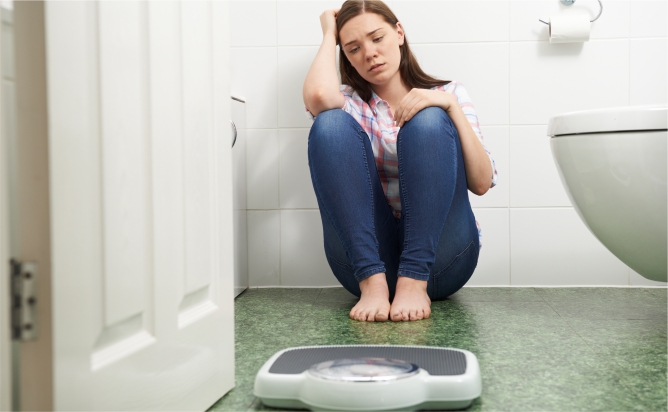
We all know how important food is for our health. Eating a balanced diet can boost our energy, support our movement and maintain our vital systems. However, our relationship with food is complex and, for many, this relationship can become harmful – and even life-threatening.
In
the U.S., more than 30 million people suffer from eating disorders and one
person dies every 62 minutes as a direct result. These disorders affect people
of all ages and genders and can have hugely detrimental consequences for the
body and mind.
Eating
disorders manifest in different ways. Anorexia (full name anorexia nervosa) is
generally defined as the need to keep your weight as low as possible through
extreme dieting and/or excessive exercise. Bulimia, in contrast, involves
eating significant amounts of food but then vomiting or taking laxatives to
prevent weight gain. Others suffer from Binge Eating Disorder (BED), in which they
lose control of their eating and consume far more than their body needs, whilst
others’ experiences do not fall into any of these categories at all.
These
conditions, while psychological at root, have serious consequences for the
body. When it doesn’t receive enough calories each day, the body begins to
break down muscle to provide fuel, including the most important muscle – the
heart. With less fuel to pump blood and fewer cells to pump with, blood
pressure plummets, thus increasing the risk of heart failure. Overeating is
equally damaging, as excess weight can lead to high blood pressure, which also damages
the heart and increases the risk of stroke
and heart failure.
The gastrointestinal system in particular, is affected, too, as starvation or bingeing interferes with the digestion of nutrients and often leads to constipation, bloating and, in more serious cases, the rupture of the stomach. Deprived of energy, the brain can also suffer critical damage.
So
how can you tell if you, or someone in our lives, is suffering from an eating
disorder? While we all try to shed (or gain) a few pounds from time to time, an
eating disorder is a serious mental illness, resulting in a severe obsession
with food. Tell-tale signs include constant anxiety about body size and shape, excessive
exercise, strict food habits and restrictions, and/or severe mood swings.
Physical symptoms such as dizziness, extreme weight loss or gain, digestive
issues and, the slowing or ceasing of periods (for women and girls) are also
key indicators.
As
with many other mental illnesses, it can be difficult to recognise an eating
disorder and know how to seek help. However, the sooner eating disorders are
treated – the better. The longer the condition has to manifest, the harder it
is to treat, and the more long term damage is inflicted on the body.
Treating
eating disorders is a complex process, tailored to each individual. One or
several mental health professionals provide therapy to address the
psychological illness, while patients also work with a nutritional expert to
help rebuild their diet, and other medical professionals who treat any physical
symptoms that have arisen. Friends and family also play a key role, helping to
provide emotional and practical support in helping patients return to both
mental and physical health.
When
recovering from an eating disorder, supplements can aid the body’s recovery.
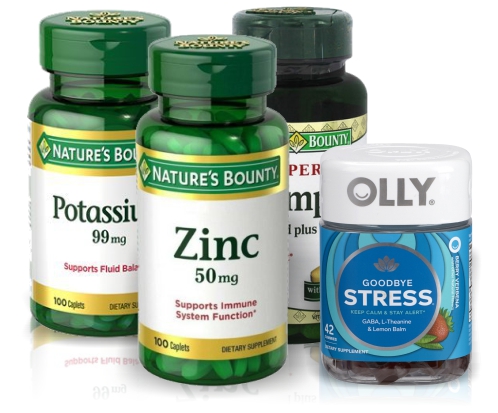
Potassium and zinc tablets like those made by Nature’s Bounty or Nature’s Truth can
help reignite appetite and taste, while Vitamin B12 supplements such as
Nature’s Bounty B-12 or B-Complex help address fatigue
and anxiety. Relaxing products such as Olly Stress formula or few drops of Nature’s
Truth or Aura Cacia Lavender Oil inhaled or in the bath can also help
ease stress during this difficult time.
If you’re worried that you, or someone you know, is suffering from an eating disorder, please do seek medical advice as soon as possible. Your pharmacist or GP can help support you in either seeking help yourself or broaching the subject with your loved one. The important thing to remember is that no one is at fault: eating disorders are an illness like any other and there is no shame in needing help in order to recover.
Stephanie Simons is the head pharmacist at Lindo’s Pharmacy in Devonshire. She earned her Bachelor of Science in Pharmacy at Massachusetts College of Pharmacy and has been practicing for over 20 years. She is a registered pharmacist with the Bermuda Pharmacy Council and is a member of the Bermuda Pharmaceutical Association.
By Stephanie Simons, Head Pharmacist, Lindo’s Pharmacy in Devonshire
With
Santa retired for the year, now comes the month of Cupid and his favourite
celebration – Valentine’s Day. While this can be a romantic time of year for
many, for those nursing a broken heart the red roses can be oh so prickly. Not
only can the end of a relationship throw us into emotional turmoil, it can also
wreak havoc with our health.
The
term heartbreak often refers to the heavy, uncomfortable feeling in our chests
that happens when we split up with a partner. It’s not uncommon for someone to
say ‘my heart really hurts!’ And it’s true. A break-up often triggers the
sympathetic part of the nervous system, sparking your ‘fight or flight’
response, but with no actual bodily threat to fight off, the body can then face
a whole variety of painful symptoms.
When
you are in love, the brain is bathed in happy hormones like dopamine and
oxytocin. However, when heartbreak hits, these hormones plummet, replaced by
stress hormones cortisol and epinephrine. This reaction makes your muscles
tense, ready to fight or run for your life, and when no action actually occurs
it can cause headaches, a stiff neck and, yes, that heavy sensation in your
chest.
These
hormones also redirect blood from your digestive system, which is why
heartbreak can often lead to a loss of appetite and nausea. In more drastic
cases, some people suffer from diarrhoea or vomiting too, whilst others
experience symptoms of Irritable Bowel Syndrome (IBS) such as painful cramping.
It’s not uncommon to overeat either; living without someone you’re attached to
can feel like a craving, one which people often try to satisfy with food.
Stress
hormones interfere with sleep too. Some people experience insomnia, whilst
others, in contrast, can find they are sleeping too often, or finding it hard
to concentrate or stay awake during the day time. Your mental health, of
course, also takes a beating. A break-up can cause feelings of anxiety, low
motivation and energy, and even depression.
The
important thing to remember is that everything you’re feeling is completely
normal and, even more importantly, it won’t last forever. These symptoms, while
painful, only soften with time and it’s vital to care of yourself while you
weather the storm.
Though
you may not feel like it, maintaining a healthy diet will help get your
digestive system back on track. Opt for foods that nourish your soul as well as
your body – a little chocolate never hurt anyone! If you’re struggling to face
food, try an antacid such as Tums, Ranitidine or Omeprazole or perhaps a product to combat
IBS like Colpermin.
If in doubt, ask your pharmacist – we’d be happy to choose just the thing to
get your digestion ticking over nicely again.
You
may be tempted to avoid the pain by keeping busy, but your body will thank you
for taking the time to grieve and heal. Carve out opportunities for relaxation,
whether that’s visiting family and friends or a little pampering time at home,
and you will find your stress levels begin to decrease and your sleep improves.
For those who need a little help dropping off, try a herbal extract like
Chamomileor a Melatonin supplement or a sleep aid such as Zzzquil,
Unisom or Sleep-Eze.
If
you find that things aren’t improving – it’s nothing to be embarrassed about.
Everyone recovers at their own pace, and it’s perfectly normal to need help when
experiencing such emotional upheaval. You can always talk to your pharmacist or
GP if your symptoms, mental or physical, are proving too difficult to balance
on your own.
In
the meantime, try not to fear Valentine’s festivities. Celebrate with the
people you love, whether that’s friends or family. Now’s the time to look after
yourself.
Stephanie Simons is the head pharmacist at Lindo’s Pharmacy in Devonshire. She earned her Bachelor of Science in Pharmacy at Massachusetts College of Pharmacy and has been practicing for over 20 years. She is a registered pharmacist with the Bermuda Pharmacy Council and is a member of the Bermuda Pharmaceutical Association.
By Stephanie Simons, Head Pharmacist, Lindo’s Pharmacy in Devonshire
Tis
the season to be jolly! For some this means stockings full of gifts, for others
it means carolling, and – let’s be honest – for most of us it means indulging
in our favourite tipple. And while there’s nothing wrong with enjoying a few
festive drinks, it’s important that we’re careful not to damage our health in
the process.
Alcohol
can be enjoyed safely in small amounts, but when the drinks start to add up, it
takes its toll on our bodies. Everyone tolerates different levels of alcohol –
we all have that friend who seems to drink the bar dry and get up bright-eyed the
next morning nonetheless. However, consuming more than four units, (such as two
beers or glasses of wine) in one sitting is enough to trigger problematic
symptoms in most people.
When
you start drinking alcohol, it begins to affect the part of your brain
associated with judgement and decisions, while also impairing your reaction
time and coordination. These symptoms worsen the more you drink, impairing your
speech and making you light headed and dizzy. After ten units, you are at risk
of alcohol poisoning, which can result in confusion, vomiting, seizures,
diarrhoea and, in some cases, unconsciousness.
This
level of alcohol not only makes you vulnerable to accidents, but also significantly
disrupts your sleep, leaving you in a far-from-festive state the next day. As
your liver tries to expel the alcohol from your body as soon as possible, you
become dehydrated, often leading to headaches, muscle cramps and nausea.
There
are, however, ways to avoid the dreaded hangover. Eating carbohydrates such as
rice or pasta beforehand can slow your body’s absorption of alcohol. Fight the
dehydration too by drinking a non-carbonated soft drink between each alcoholic
beverage, and drinking at least a pint of water before bed.
If you do overindulge (it happens to
the best of us) there are remedies available to help you feel human again. Mild
painkillers such as Tylenol or Panadol or Advil can combat your headache, while
antacids like Tums or Alka-Seltzer or Pepcid will help settle your stomach. Be
careful to follow the package directions on the pain relievers – too much
Tylenol can be harmful to the liver which has already been stressed by too much
alcohol and the Advil can cause stomach upset if taken without food. Rehydrate
as much as you can with water, soda water or, if you’re experiencing vomiting
or diarrhoea, it may help to take a rehydration tablet like Nuun or sachet like
DIoralyte. If you’re partial to a drink or two, make sure to stock up on some
of these remedies before the celebrations kick off – just in case!
So when does drinking become a
problem? It’s very easy to turn to alcohol during the holidays when emotions
are running high. However, while the initial effects may make you feel good,
alcohol is actually a depressant that disrupts the balance of chemicals and
process in the brain and influences our moods and emotions. This can cause
sadness, confusion and often aggression – not feelings we want to crop up at
the Christmas party!
If you’re worried that you or someone
you know may be abusing or becoming dependent on alcohol, it’s important to
seek help as soon as you can. Signs range from irritability and mood swings to
problems at work or in
personal relationships. Your pharmacist or GP will be happy to offer advice on any
alcohol problem, big or small, and help you take the first steps towards recovery.
The festive season
can be stressful and it’s important to be kind to yourself – and your body.
Raise a glass by all means, but be aware of your own limits in order to have a
happy holiday season this year.
Stephanie Simons is the head pharmacist at Lindo’s Pharmacy in Devonshire. She earned her Bachelor of Science in Pharmacy at Massachusetts College of Pharmacy and has been practicing for over 20 years. She is a registered pharmacist with the Bermuda Pharmacy Council and is a member of the Bermuda Pharmaceutical Association.