Nov 12, 2024
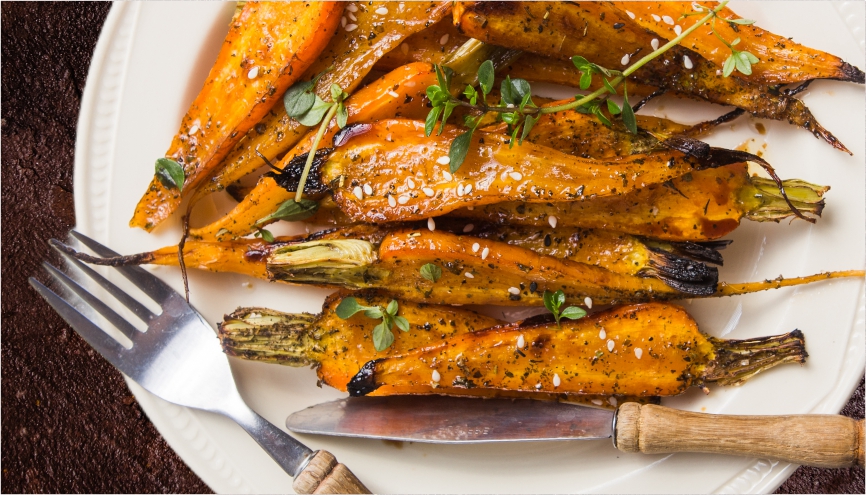
These maple glazed carrots are sweet and delicious and the perfect side dish to ham, pork, turkey, or chicken.
INGREDIENTS
- 2 pounds carrots, washed and scrubbed, ends trimmed, cut lengthwise
- ⅓ cup pure maple syrup
- ¼ cup light brown sugar
- 5 tablespoons unsalted butter, cut into pieces
- salt and fresh ground black pepper, to taste
- chopped fresh parsley or thyme, for garnish
- sesame seeds, optional
DIRECTIONS
- Preheat the oven to 400˚F and line a rimmed baking sheet with foil or parchment paper.
- Transfer the carrots to the baking sheet and spread out in one single layer. Set aside.
- In a small bowl, whisk together maple syrup and brown sugar.
- Dot pieces of butter over the carrots in several different places and pour the maple mixture over the carrots. Season with salt and pepper and toss to combine.
- Bake for 30 to 40 minutes, tossing at least once during cooking, until the carrots are fork tender. If desired, sprinkle the carrots with sesame seeds the last few minutes of cooking. Move carrots to a serving platter, garnish with fresh parsley, and enjoy!
Nov 12, 2024

By Stephanie Simons,
Head Pharmacist,
Lindo’s Pharmacy in Devonshire
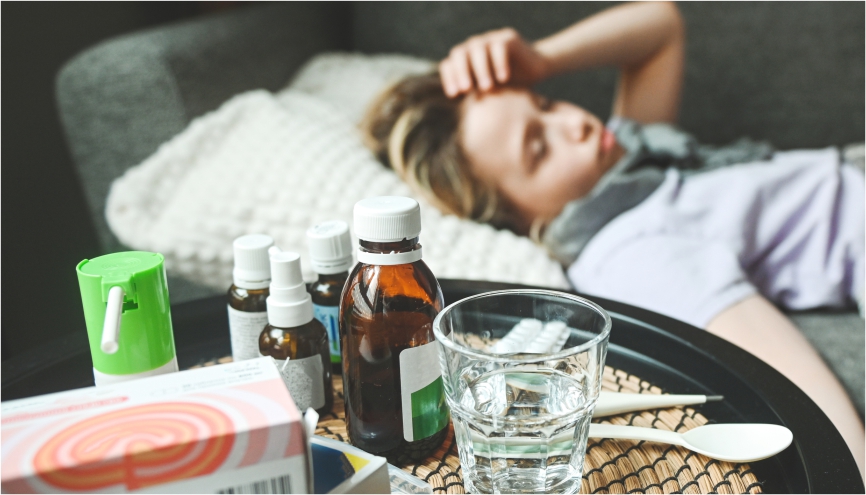
WINTER is coming, as some man in Game of Thrones once said. Luckily, In Bermuda, this probably won’t mean a new ice age. But it will certainly mean the return of seasonal viruses like Covid-19, the flu and our old friend, the common cold.
Now is the time to make sure that the ‘Sick Shelf’ in your medicine cupboard is shipshape and ready, before your hour of need arrives…
OUT WITH THE OLD…
Have a good look at your existing medical supplies – and be ruthless about pitching anything past its ‘best by’ date. Like everything else, drugs have a lifespan. And while most health experts agree that accidentally popping an out-of-date pain pill (or two) will not cause serious harm, they also agree that drugs lose their potency over time.
Once you’ve cleared some space, it’s time to restock. But with what?
TESTING, TESTING
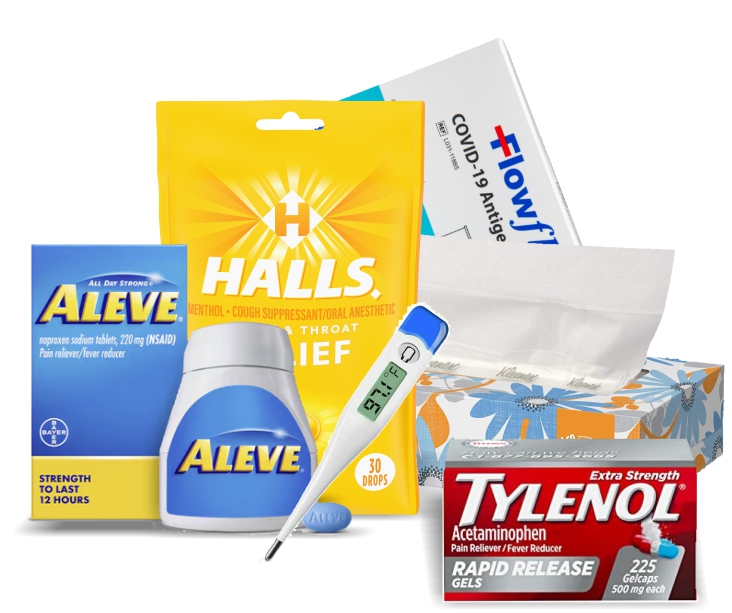
Make sure you have some Covid tests on hand, just in case (we stock individual tests for $6.95). The latest Government guidelines recommend that you stay at home until 24 hours after the fever and symptoms (sore throat, coughing, aches and pains) subside – without help from pain meds. You need to be particularly vigilant if you are going to come into contact with vulnerable groups – seniors, babies under six months, or anyone with a weakened immune system (cancer sufferers, for instance) – or attending an indoor gathering, where you don’t know who you will encounter.
FEVER PITCH…
Do you have a good thermometer in your house? If you still have an old-school mercury model, it’s worth investing in something easier to read – and safer (the consequences of a breakage and subsequent spill are not worth thinking about). An accurate temperature reading will help you tell if you’ve got a cold (which usually does not cause a high fever) and Covid or Flu. Which do. Keeping track of your temperature will also let you know when it’s safe to stop isolating. FYI, a fever is considered to be anything over 100.4 F (or 38 C).
We have a number of different, easy to read digital thermometers available for oral use that are very inexpensive.
 OH, THE PAIN
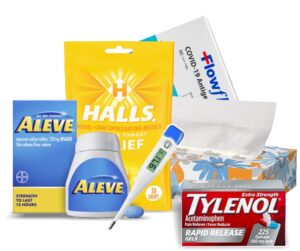
There should be TWO kinds of over-the-counter pain relief on your Sick Shelf. Acetaminophen (Tylenol or Paracetamol), and an NSAID (non-steroidal anti-inflammatory drug) like ibuprofen (Advil or Cuprofen), naproxen (Aleve), or aspirin. Both types tackle aches, pains and fever. But because they work in different ways, you can take them together (or better yet, stagger them): the recommended dose of paracetamol or Tylenol; followed (two hours later) by a similar dose of an NSAID (taken with food, to prevent risk of tummy upset or ulcers).
And remember: if you have children in the house, you will also need pain relief for them. Oral suspensions of paracetamol and ibuprofen are available in store – but ask the pharmacist for advice on what medication would be best for your child.
DON’T BE SNIFFY…
If it’s a cold you’ve got, a saline nasal spray can help to ease congestion. And because it’s all-natural, you don’t have to worry if you are taking other medication – blood pressure pills, for instance, or antidepressants (both of which WILL rule out decongestants, which can elevate your pressure). They are even safe for children (Calpol do a nasal spray and nasal drops which can be used on infants, but again, check with the pharmacist to find your best option).
READY FOR THE COUGH
One particularly annoying symptom of Covid is the cough you just cannot suppress. Not only is it maddening for you – it’s also not going to endear you to those around you. You can try to cough into your elbow, or a hanky, but having a supply of good cough lozenges on hand is another way to go. We stock cough drops by Halls, Ricola and Fisherman’s Friend, to name just three – and sugar-free versions are also usually available.
Stephanie Simons is the head pharmacist at Lindo’s Pharmacy in Devonshire. She earned her Bachelor of Science in Pharmacy at Massachusetts College of Pharmacy and has been practicing for over 20 years. She is a registered pharmacist with the Bermuda Pharmacy Council and is a member of the Bermuda Pharmaceutical Association.
Oct 21, 2024
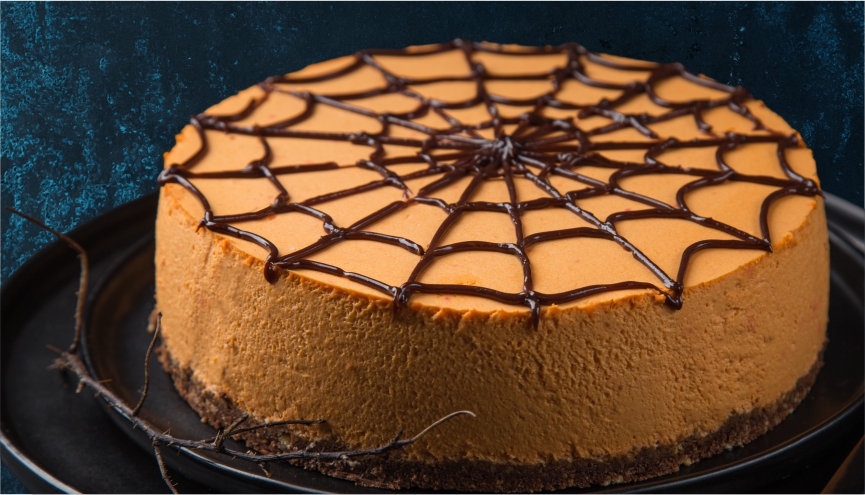
This Pumpkin Cheesecake requires no baking and is decorated for Halloween entertaining!
INGREDIENTS
- 1 1/4 cups gingersnap cookies, crumbled
- 6 tablespoons butter, melted
- 8 ounces cream cheese, room temperature
- 1 cup pumpkin puree
- 1/2 cup brown sugar
- 1/2 teaspoon pumpkin pie spice
- 1 8 ounce tub whipped topping, thawed
- 1 oz. semi-sweet baking chocolate
- 1 tsp. butter or margarine
NOTE: Alternatively, you could make an OREO cookie crust by using 18 OREO Cookies, finely crushed (about 1-1/2 cups) combined with 2 Tbsp. butter or margarine, melted and OMIT the brown sugar and the molasses.
DIRECTIONS
- Coat a 9 inch pie pan or spring form pan with cooking spray.
- In a medium bowl, mix together the gingersnap cookie crumbs and butter until thoroughly combined. Press the mixture firmly into the bottom and slightly up the sides of the pan.
- Place the pan in the freezer for 20 minutes.
- In a large mixing bowl beat together the cream cheese and pumpkin until smooth. Add the brown sugar and pumpkin pie spice and beat until incorporated.
- Gently fold in the whipped topping until well combined.
- Remove the crust from the freezer and spoon in the filling, spreading evenly and smoothing the top with a spatula.
- Refrigerate for at least 3 hours before garnishing with chocolate web.
- Melt chocolate as directed on package. Add 1 tsp. butter; stir until butter is melted and mixture is well blended. Drizzle over cheesecake in spiral pattern. Starting at center of cheesecake, pull toothpick through lines from center of cheesecake to outside edge to resemble a spider’s web. Refrigerate 4 hours.
Oct 16, 2024
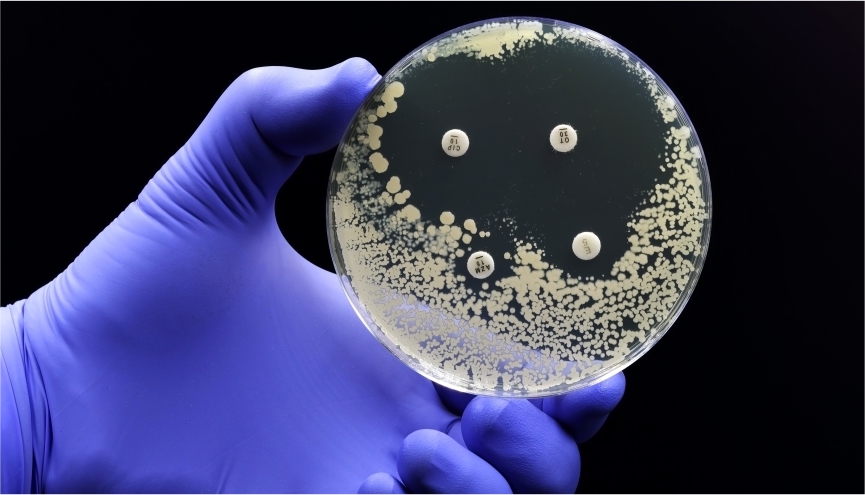
Antimicrobial susceptibility tests are used to determine which specific antibiotics a particular bacteria or fungus is sensitive to.
By Stephanie Simons,
Head Pharmacist,
Lindo’s Pharmacy in Devonshire
October 13-19 is International Infection Prevention Week. And at a time when medical experts are becoming more and more concerned about anti-microbial resistance – in layman’s terms, when bacteria and viruses become immune to antibiotics and other drugs – it’s something we should all be paying attention to.
A survey published in medical journal The Lancet last month (September) claimed that from 1990-2021, more than a million people died from drug resistant infections. Every year. The research, carried out by the UK Department of Health and Social Care with the backing of the Wellcome Trust, looked at data from 204 countries and territories. And it went further – predicting that by 2050, another 39 million people around the world could succumb to antibiotic-resistant infections.
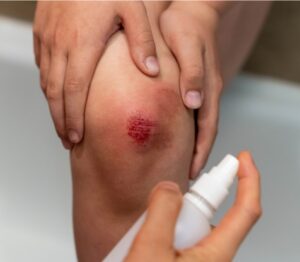
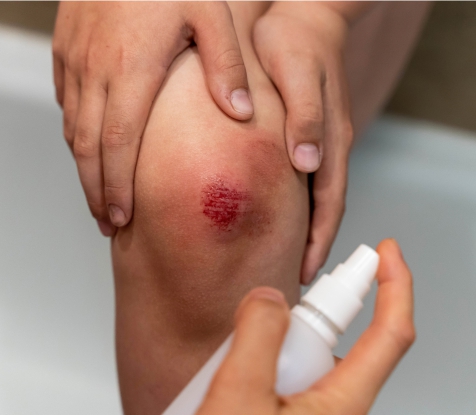
Clean and disinfect scrapes and cuts.
The thought of bugs that can’t be beaten by modern drugs is scary. But there are things we can do, while we wait for scientists to discover new antibiotics, to prevent ourselves from getting sick in the first place.
FIRST, WASH YOUR HANDS…
Yes, that old line. But one of the few good things to come out of Covid-19 was the fact that it made us all think, afresh, about the importance of good hygiene. And just because the hysteria has abated, it doesn’t mean we should abandon the healthy habits we learned during the pandemic.
Wash your hands frequently and make the process fun – or at least moderately enjoyable. (Remember: doing it properly requires 20 seconds of lathering and rinsing!) Pitch that cracked, old sliver of soap by the sink and replace it with a bottle of liquid soap like Method’s ‘Sweet Water’ foaming handwash – or a big luxurious bar (check out our Nesti Dante range) – to encourage family and visitors to go to town.
THE FIRST CUT IS THE DEEPEST…
Scientists still don’t understand, completely, how the immune system works. Mainly because It’s a system, not one single thing. But we do know that microbes enter our bodies through openings – our mouths, noses, and a few more you can probably think of. And they can also get in through wounds.
So, when you get a cut or a graze don’t shilly-shally. We have a whole range of disinfectants to treat minor wounds – Bactine Max not only does the job but numbs the pain, too. And if you do yourself a damage while you’re out and about, we have something for that, too. We stock packs of wound cleansing wipes and anti-bacterial hand wipes, so you can be prepared, wherever you are.
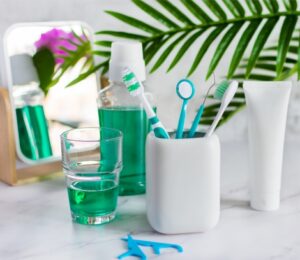
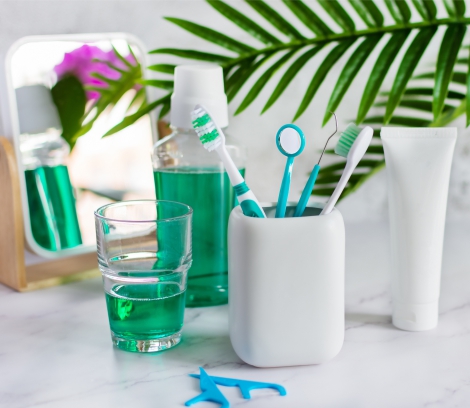
Practice good oral hygiene.
GIVE YOUR BODY A BOOST
There is a lot of talk about ways you can improve your immune system with vitamins or herbs or supplements. But bombarding your body with large amounts of a single vitamin or mineral is not a great idea. A healthy diet, involving plenty of fresh fruit and veg – like the ones you see displayed right outside our pharmacy – should give you everything you need, to keep your T-cells (the white blood cells that are the body’s small soldiers) in tip-top shape.
But if you know your diet is deficient in some way – if you hate vegetables, for instance; or find, now that you are older, that your appetite has dwindled – then taking a multi-vitamin can plug the gaps and give your body a helping hand. We have a great selection of multivitamins on offer, for all ages. Chewable (tasty) ones, from Olly, for those who don’t like swallowing pills. And specific ones for your time of life – children, pregnant women, men, seniors – to make sure you are ready to repel whatever germs come your way.
DON’T FORGET TO FLOSS
Remember that bit about places where germs can get in? Well, your mouth is a prime spot for invasion. Which is why oral hygiene is so important. Surveys show that flossing at least once a day (preferably right before you brush!) can help to prevent build-up of bacteria. Which gives your immune system a helping hand. Check out our range of flosses, tapes and flosspicks, in our dental health section.
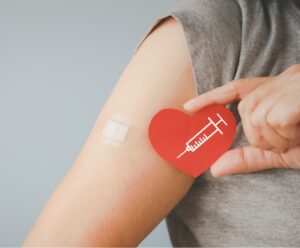
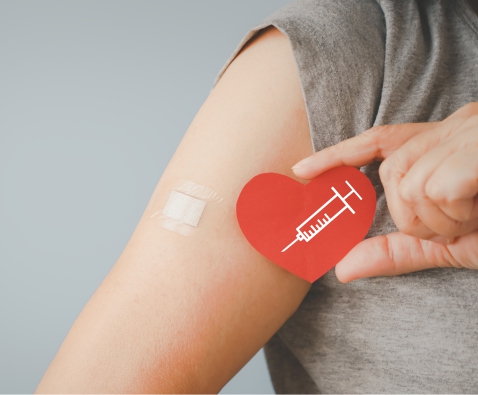
Keep up to date with vaccinations.
GRAB A JAB…
Finally, keep up to date with vaccinations! Studies show that for people over 65, respiratory infections – like Flu and Covid-19 – are major killers. So, it’s really important to get those jabs when they are offered. Although we don’t offer vaccinations at our pharmacy, the Government does run a Flu Express program every autumn (dates announced soon on the Government website, gov.bm) under which seniors (65 and over) can get protected for free. Everyone else is $20 – a small price to pay for peace of mind. If you miss the Express, talk to your doctor, or call the Hamilton Health Centre on 278-6460 or 278-6461 to book an appointment.
Stephanie Simons is the head pharmacist at Lindo’s Pharmacy in Devonshire. She earned her Bachelor of Science in Pharmacy at Massachusetts College of Pharmacy and has been practicing for over 20 years. She is a registered pharmacist with the Bermuda Pharmacy Council and is a member of the Bermuda Pharmaceutical Association.
Sep 17, 2024
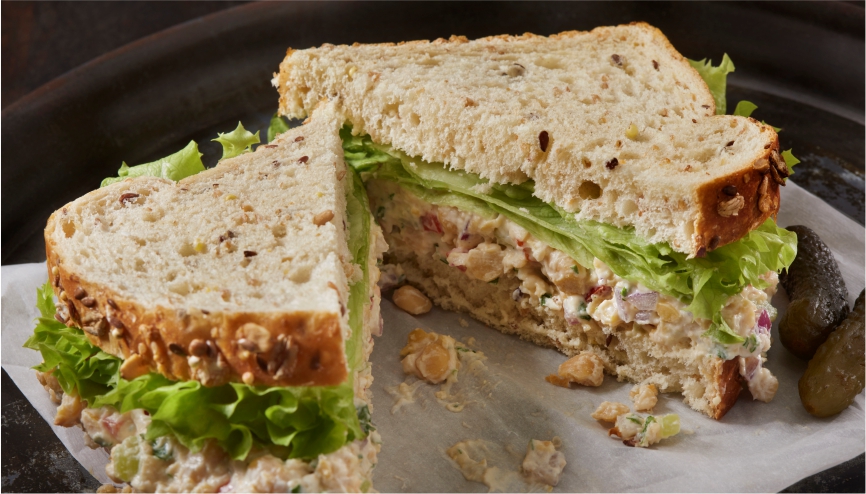
This vegan, protein-packed chickpea salad is perfect for a nutritious and filling meal – for home or a packed lunch. Eat it by itself, stuffed into a pita, or between slices of your favourite bread.
INGREDIENTS
- 15 oz chickpeas, drained and rinsed
- ¼ cup diced red onion
- ½ red bell pepper, diced
- 2 tablespoons celery, finely chopped
- 3 tablespoons vegan mayonnaise, or plain Greek yogurt
- ½ teaspoon Dijon mustard
- ½ teaspoon garlic powder
- ½ teaspoon onion powder
- kosher salt, to taste
- freshly ground black pepper, to taste
- 1 tablespoon fresh dill, chopped
- sliced bread, or pita pockets
- leafy greens, optional
DIRECTIONS
- Add the chickpeas to a medium bowl and mash with potato masher until a chunky texture is reached. Try to leave some chickpeas intact, for added texture.
- Add the red onion, red bell pepper, chopped, celery, vegan mayo, Dijon mustard, garlic powder, onion powder, salt, black pepper, and dill, and stir until well combined.
- Spread the chickpea salad onto bread, or stuff in pita pockets, and top with leafy greens of choice.
- Can be stored in an airtight container in the refrigerator for up to 5 days.
Sep 17, 2024
By Stephanie Simons,
Head Pharmacist,
Lindo’s Pharmacy in Devonshire
September is Alzheimer’s Awareness Month in Bermuda and around the world. And these days, who isn’t aware of Alzheimer’s, and dementia in general?
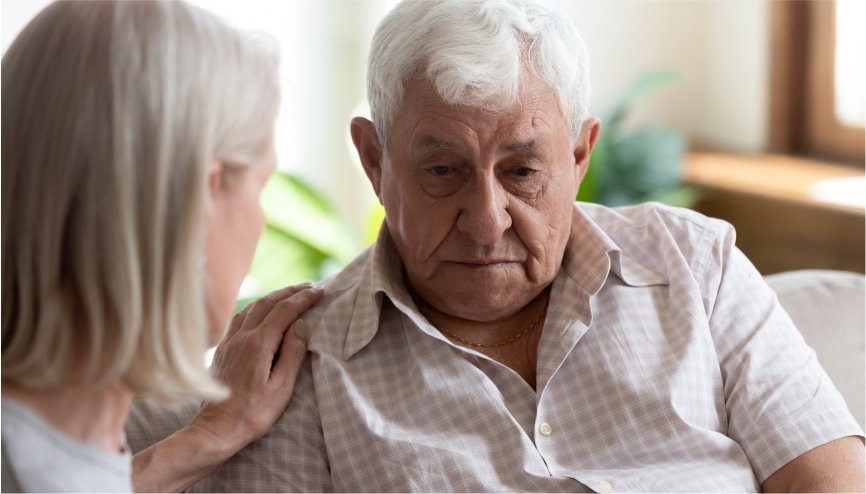
In a tight-knit community like Bermuda, we all know someone who is a victim – personally. A friend, a neighbour, a family member. We also know the effect it can have on sufferers, and those who love and care for them.
Alzheimer’s is the most common kind of dementia (an umbrella term which covers a number of progressive diseases that affect memory, thinking and behaviour), afflicting more than half of all sufferers. Last year, dementia – including Alzheimer’s – was the single biggest cause of death in the UK. Here on the Island, local dementia experts NorthStar reckon that as many as 3,000 people may be living with dementia – most of them cared for by their families.
For some reason, which scientists still don’t understand, women are twice as likely to get it as men. The biggest contributing factor is age – and obviously we can’t stop the clock.
There is also evidence that some of us may be more genetically disposed to getting it – particularly the early onset varieties. And again, we can’t (yet) change our genes.
But there ARE some things we can do, to help us ward off the onset of this terrible disease, while research scientists – who are making progress all the time – come up with better drugs to slow its progress and, eventually, find a cure.
Exercise
Physical activity is not just good for your body, and your soul – there are signs that regular exercise may help to stave off the onset of dementia. It also helps to combat obesity (another trigger for dementia) as well as depression (ditto). Studies show that two and a half hours of moderate exercise, spread out over a week, can make a difference. Take a walk on the beach or along the railway trail. Do some energetic gardening. Or book a dance class – learning new steps will boost your fitness AND improve your memory.
Stop smoking
We know that smoking is bad for your lungs – but it may be bad for your brain, too. A 2019 survey found that smokers were 40 per cent more likely to develop Alzheimer’s than those who’d never lit up. If you’ve quit…dozens of times… and it just doesn’t stick, why not check out some of the remedies we have on offer? Nicotine Replacement Therapy treatments are available in many forms – including skin patches (Nicotinell), chewing gum and lozenges (Nicorette). Talk to one of our pharmacists if you are serious about kicking the habit.
Take a Vitamin D supplement
A deficiency of Vitamin D has been linked to increased likelihood of getting Alzheimer’s. Luckily, in Bermuda, most of us get enough of ‘the sunshine vitamin’ straight from source. But some people – older folks, and anyone with kidney or liver problems – may have lower levels. We stock a number of daily Vitamin D supplements, in pill, gummy and drops form, such as Sun Warrior Vitamin D3 and Now and Nature’s Truth brands for those who need a boost.
Look after your teeth and gums!
It may sound crazy, but medical studies have shown a link between gum disease and Alzheimer’s. The bacteria that cause periodontal disease can travel to, and affect, your brain. We have a whole range of products that can help keep your gums in the pink – ranging from traditional dental floss and wax to flossing sticks, interdental brushes and electric water picks. We also stock Gum Stimulators – rubber-tipped gadgets you can use to gently massage your gums.
If you want to learn more about Alzheimer’s, or suspect that someone you know and love may be affected, why not visit Action on Alzheimer’s and Dementia (aad.bm), their affiliates Alzheimer’s Disease International (alzint.org), and NorthStar Dementia (northstardementia.bm).
Stephanie Simons is the head pharmacist at Lindo’s Pharmacy in Devonshire. She earned her Bachelor of Science in Pharmacy at Massachusetts College of Pharmacy and has been practicing for over 20 years. She is a registered pharmacist with the Bermuda Pharmacy Council and is a member of the Bermuda Pharmaceutical Association.