
By Stephanie Simons,
Head Pharmacist,
Lindo’s Pharmacy in Devonshire
September is Alzheimer’s Awareness Month in Bermuda and around the world. And these days, who isn’t aware of Alzheimer’s, and dementia in general?
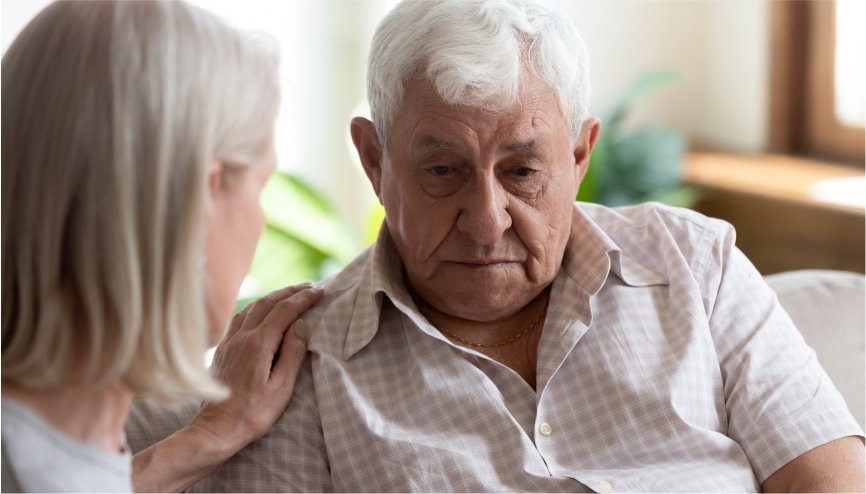
In a tight-knit community like Bermuda, we all know someone who is a victim – personally. A friend, a neighbour, a family member. We also know the effect it can have on sufferers, and those who love and care for them.
Alzheimer’s is the most common kind of dementia (an umbrella term which covers a number of progressive diseases that affect memory, thinking and behaviour), afflicting more than half of all sufferers. Last year, dementia – including Alzheimer’s – was the single biggest cause of death in the UK. Here on the Island, local dementia experts NorthStar reckon that as many as 3,000 people may be living with dementia – most of them cared for by their families.
For some reason, which scientists still don’t understand, women are twice as likely to get it as men. The biggest contributing factor is age – and obviously we can’t stop the clock.
There is also evidence that some of us may be more genetically disposed to getting it – particularly the early onset varieties. And again, we can’t (yet) change our genes.
But there ARE some things we can do, to help us ward off the onset of this terrible disease, while research scientists – who are making progress all the time – come up with better drugs to slow its progress and, eventually, find a cure.
Exercise
Physical activity is not just good for your body, and your soul – there are signs that regular exercise may help to stave off the onset of dementia. It also helps to combat obesity (another trigger for dementia) as well as depression (ditto). Studies show that two and a half hours of moderate exercise, spread out over a week, can make a difference. Take a walk on the beach or along the railway trail. Do some energetic gardening. Or book a dance class – learning new steps will boost your fitness AND improve your memory.
Stop smoking
We know that smoking is bad for your lungs – but it may be bad for your brain, too. A 2019 survey found that smokers were 40 per cent more likely to develop Alzheimer’s than those who’d never lit up. If you’ve quit…dozens of times… and it just doesn’t stick, why not check out some of the remedies we have on offer? Nicotine Replacement Therapy treatments are available in many forms – including skin patches (Nicotinell), chewing gum and lozenges (Nicorette). Talk to one of our pharmacists if you are serious about kicking the habit.
Take a Vitamin D supplement
A deficiency of Vitamin D has been linked to increased likelihood of getting Alzheimer’s. Luckily, in Bermuda, most of us get enough of ‘the sunshine vitamin’ straight from source. But some people – older folks, and anyone with kidney or liver problems – may have lower levels. We stock a number of daily Vitamin D supplements, in pill, gummy and drops form, such as Sun Warrior Vitamin D3 and Now and Nature’s Truth brands for those who need a boost.
Look after your teeth and gums!
It may sound crazy, but medical studies have shown a link between gum disease and Alzheimer’s. The bacteria that cause periodontal disease can travel to, and affect, your brain. We have a whole range of products that can help keep your gums in the pink – ranging from traditional dental floss and wax to flossing sticks, interdental brushes and electric water picks. We also stock Gum Stimulators – rubber-tipped gadgets you can use to gently massage your gums.
If you want to learn more about Alzheimer’s, or suspect that someone you know and love may be affected, why not visit Action on Alzheimer’s and Dementia (aad.bm), their affiliates Alzheimer’s Disease International (alzint.org), and NorthStar Dementia (northstardementia.bm).
Stephanie Simons is the head pharmacist at Lindo’s Pharmacy in Devonshire. She earned her Bachelor of Science in Pharmacy at Massachusetts College of Pharmacy and has been practicing for over 20 years. She is a registered pharmacist with the Bermuda Pharmacy Council and is a member of the Bermuda Pharmaceutical Association.