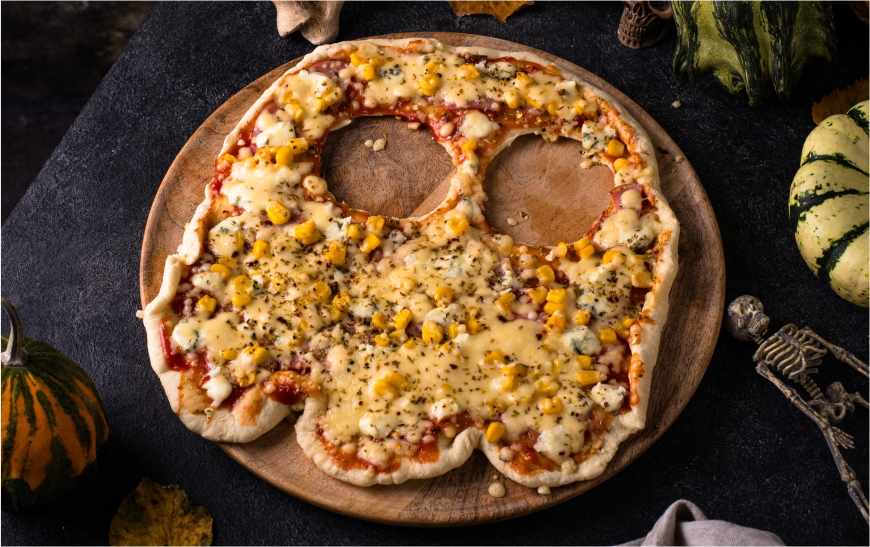
Serve up this sweet and savoury boo-licious pizza for Halloween.
Prep time: 5 mins • Cook Time: 15 mins • Makes: 2 servings
INGREDIENTS
1 pkg. premade pizza crust
1/2 cup pizza sauce
2 cups mozzarella, shredded
14 oz. can corn
12 oz. sliced ham, cut into bite-size pieces
1 to 2 tsp pizza seasoning
olive oil
PIZZA SEASONING
4 tbsp oregano (dried)
2 tbsp basil (dried)
1 tbsp thyme (dried)
1 tbsp black pepper (ground)
2 tsp paprika
2 tsp parsley (dried)
2 tsp sea salt
1 tsp garlic powder
DIRECTIONS
Grease a baking sheet with a thin coating of olive oil. Place the pizza dough on the baking sheet. Using your hands, spread and shape the dough into a ghost shape and cut openings for eyes.
To build pizza, spread pizza sauce evenly in a circular motion onto pizza crust. Add shredded mozzarella, corn and ham to pizza.
Place in preheated oven of 450˚F for 15 minutes or until cheese is golden and bubbly. Remove pizza from oven and sprinkle pizza seasoning on it.
By Stephanie Simons, Head Pharmacist, Lindo’s Pharmacy in Devonshire
Ladies! When was the last time you took a good long look at your breasts?
Forgive me if that sounds a bit rude. But October is Breast Cancer Awareness Month. And no matter what your relationship is with your body – and let’s face it, most of us do not consider the mirror our friend – if you don’t already have a routine in place to check for lumps and bumps, you need to start now.
In 2022, the last year for comprehensive global cancer statistics, there were 2.3 million new cases of breast cancer detected around the world. And according to the International Agency for Research on Cancer, in that same year, 670,000 women died from the disease. (It’s worth noting that men can get it too; and it’s believed that between 0.5 and 1 per cent of all breast cancer cases occur in men.)
The most recent figures in Bermuda – from 2019 – show that if you’re a woman, and if you get cancer, it’s most likely going to be breast cancer. Thirty-eight per cent of all cases recorded between 2010-2019 (excluding non-melanoma skin cancer) were breast cancer. The silver lining is that we have a very high rate of early detection. More than two-thirds of Bermudian women (67 per cent) diagnosed with breast cancer between 2010-2012 had it picked up at Stage 1. Seven years later, that figure rose to 77 per cent.
At the risk of stating the obvious, spotting cancer early gives you and your doctors a much better chance of defeating this dreadful disease. In the UK, almost 100 per cent of women whose breast cancer is detected at Stage 1 will now survive for at least five years. At Stage 4, that rate plummets to 25 per cent. So early detection is incredibly important. But it requires YOU to be vigilant. You are your own best early warning system – after all, nobody knows your breasts like you do.
WHEN…
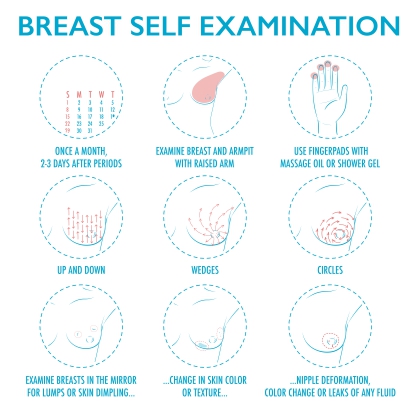
The trick is to make your breast self-exam part of your routine. Do it once a month. When your breasts are not sore – the week after your period has finished, say.
If you’re post-menopausal, pick a date you’ll remember (the first of the month, maybe), and make that The Day.
Even women who are breastfeeding (which research indicates may slightly reduce the risk of breast cancer) should do it. Though there’s so much going on at this exciting time it does make detecting the ‘unusual’ trickier. Checking monthly means if something DOES change, you’ll be more likely to spot it.
WHERE…
Somewhere you feel comfortable – and where there’s a mirror. The bathroom is a good idea (because you can do some of the check in the shower).
HOW…
It’s easy! Stand in front of the mirror with your arms at your side and have a good long look at your chest. Notice anything different? A change in the texture of your skin – a sort of ‘orange peel dimpling’?
What about size? Most of us are not symmetrical, worse luck. But what you’re looking for is a lopsided look that’s new for you.
Don’t forget the nipples. Any warning bells here? Any indentation? If you’re not nursing, is there a discharge?
Then, put your palms on your hips – with attitude! – and stick your chest out. Look again for anything untoward.
Of course, the number one sign of breast cancer is a lump. To check for that, lift your right arm up, and rest your palm on the back of your head or neck, so your elbow is pointing up at the ceiling).
Then, using the three middle fingers of your left hand like a paddle, and moving in little circles, press gently but firmly around your right breast and nipple. You need to cover the whole right side… along the ribs, right into your armpit and up to the collarbone. Finally, give your nipple a little squeeze – not too hard! – to check for discharge.
When you’re done, repeat on the other side.
You can do this hands-on bit of the check in the shower, if that feels better. You can also do it while lying on your back in bed (if you go for this option, place a pillow under your shoulder on the side you’re checking).
WHAT TO DO…
…if you find something that worries you? Well, if you have a lump or swelling in your breast, chest or armpit; if you see any change that you’re not happy with – or if you have pain in your breast or armpit that does not go away – call your doctor!
There are MANY completely normal explanations for all of the above. Cysts, for instance. But your GP would much rather see you, and be able to put your mind at ease, than have you suffer in silence – and risk missing something.
AND ANOTHER THING…
Home breast checks are a great idea – but they’re not a replacement for a mammogram. The Bermuda Cancer and Health Centre has two digital mammography units, and their experts recommend that women aged 40 and over should have a mammogram once a year (you can book one yourself, over the phone or online).
The good news is that if you are insured, 100 per cent of the cost is covered. If you’re not, the cost may still be covered by the Centre’s Equal Access Fund. So, check it out.
If you have any other questions, feel free to come and ask us at the Pharmacy at Lindo’s!
Stephanie Simons is the head pharmacist at Lindo’s Pharmacy in Devonshire. She earned her Bachelor of Science in Pharmacy at Massachusetts College of Pharmacy and has been practicing for over 20 years. She is a registered pharmacist with the Bermuda Pharmacy Council and is a member of the Bermuda Pharmaceutical Association.
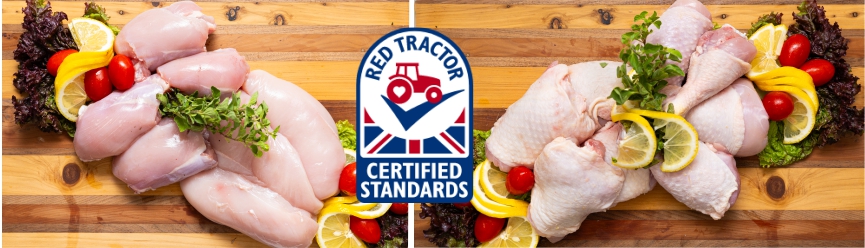
Look for the Red Tractor logo as a seal of assurance: safe, traceable, and responsibly farmed.
Red Tractor is part of the Assured Food Standards scheme, a UK-wide quality assurance mark launched in 2000 . It assures consumers that food products—from farms to packing—adhere to strict standards in food safety, animal welfare, traceability, and environmental responsibility.
Red Tractor Poultry Standards include:
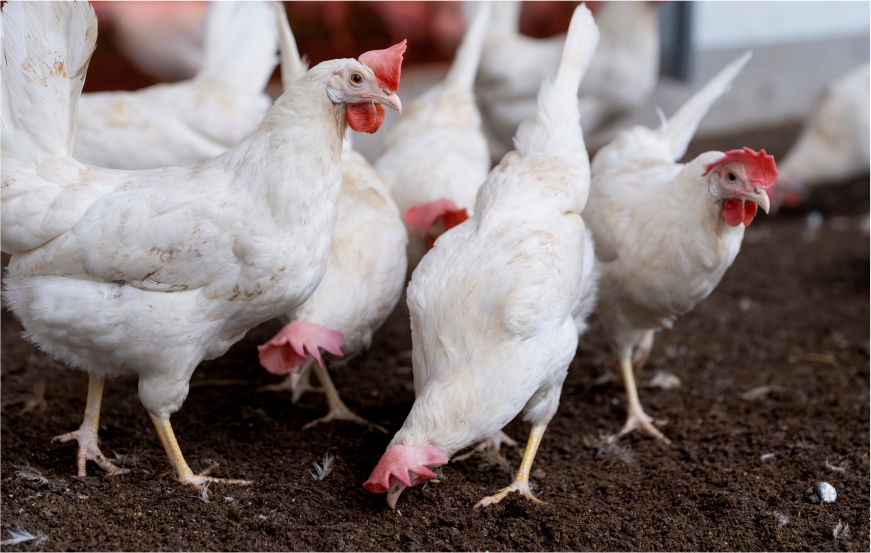
Chicks must be sourced from Red Tractor assured breeder farms and hatcheries certified to meet standards.
Growing birds must receive a full, healthy diet. The feed they receive must be suitable, traceable and remain clean and palatable.
All birds must be kept in safe, comfortable, hygienic, well ventilated and sufficiently sized housing.
Growing birds must have permanent access to environmental enrichment that is suitable for their needs i.e. perching, natural light and pecking objects.
Why it Matters:
Consumer Confidence: 76–72% of customers recognize and trust the Red Tractor logo for safe, traceable, responsibly produced food .
Rigorous Standards: Certified farms undergo independent audits, follow health plans, provide adequate feed, housing, environmental enrichment, and maintain biosecurity and vet oversight .