May 25, 2023
Garlic Roasted Potatoes 
Broccoli
Mix Vegetables
Creamy Spinach
Java Rice
White Rice
Vegetable Penne Arrabiata Pasta
Grilled Wahoo
Fried Codfish
Fried Shrimp
Chicken Chop Suey
Chicken Fajitas
Lime Orange Chicken
Chicken Korma
Lemon Pepper Chicken Wings
BBQ Chicken Leg
Chicken Tenders
Macaroni & Cheese
Pork Loin W/ Apple Sauce
Beef Patty
= Healthy Heart Options
May 24, 2023
Herb Roasted Potatoes
Broccoli
Mix Vegetable
Corn on the Cob
Peas N Rice
White Rice
Chickpeas W/ Green Vegetables
Vegetable Penne Alfredo Pasta
Grilled Mahi-Mahi W/ Creamy Garlic Sauce
Sweet & Sour Wahoo
Grilled Chicken Breast
Butter Chicken
Garlic Soy Chicken
Plain Chicken Wings
Carne ASADA Chicken Leg
Chicken Tenders
Macaroni & Cheese
Beef Lasagna
Vegetable Samosa
Pork BBQ Ribs
= Healthy Heart Options
May 23, 2023

By Stephanie Simons,
Head Pharmacist,
Lindo’s Pharmacy in Devonshire
The sun’s out and the guns are out too! But for some, summer brings more than sunshine and days at the beach. We’re entering prime allergy season, and many people find the summer months more irritating than relaxing. Runny noses, sore eyes, and itchy throats are just a few symptoms that tend to flare up, but there are ways to avoid allergens and to soothe your symptoms should they arise.
What is an allergy?
An allergy is when your body reacts badly to an external trigger that is harmless for most people, such as a type of food or the fur of a specific animal. These triggers are known as allergens and can cause a range of allergic reactions from a mild rash to life-threatening anaphylactic shock. A key reason allergic reactions rise at this time of year is because a great number of allergens are present outdoors – and in the summer as we tend to spend more time outside, or else let the outside in through open windows and doors.
Summer allergies
Many summer allergies are caused by pollen from the grass, which reaches peak levels in the hotter months – and spreads all the more when people mow their lawns. Plants and flowers also give off more pollen in the summer as they grow bigger. Ragweed is one of the most common summer allergens; even if there’s none growing nearby, it can travel for hundreds of miles on the wind.
A range of other allergens flourish during the summer too. Mould can spread in warm, damp areas like basements and bathrooms, releasing spores into the air that trigger reactions. Dust mites also thrive in humid conditions and when their residue enters the air it can cause sneezing and runny noses.
Insects in general are far more prevalent in the summer as they make the most of high pollen counts and long hours of sunshine. Fire ants, bees, wasps, yellow jackets and hornets can sting if you get in their way and while most people experience only minor stinging, itching and/swelling – to those with severe allergies, it can be life-threatening. If you find your throat or tongue swelling, or experience dizziness or nausea after a sting, seek emergency medical help right away. Those with a known insect allergy may be prescribed an epinephrine auto-injector device (EpiPen) which can slow severe reactions so that sufferers can access medical help in time.
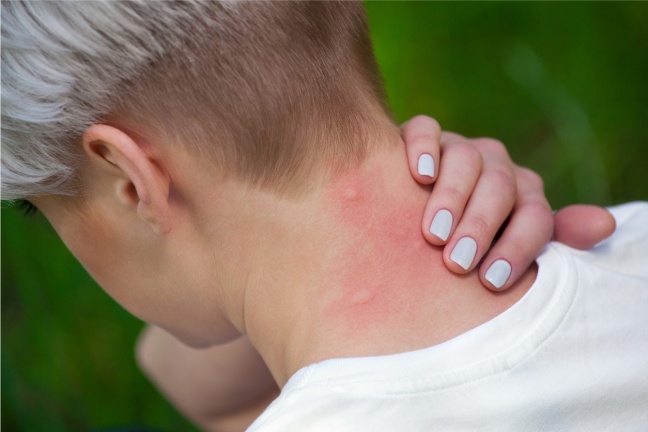
Others suffer in the summer due to sensitivity to heat and/or the sun itself. Prolonged exposure to strong sunlight can cause prickly heat or a heat rash – small, raised spots, an itchy, prickly feeling and/or mild swelling. Polymorphic light eruption, an allergy to sunlight, often exhibits similar rash-like symptoms. This can last for up to two weeks, but usually heals on its own and without scarring.
Soothing the symptoms
Good news – there are ways you can avoid allergens and treat reactions when they do occur. For those with air-borne allergies, keeping your doors and windows closed and using an air conditioner and/or an air purifier can help you dodge nasties from the outdoors. Cleaning air filters, vents and surfaces inside the home can also aid this process and keeping the humidity in your house between 30 and 50 per cent can prevent dust and mould from thriving. Insect repellent products like Off or Cutter which contain DEET or Alba Bug Away which is DEET free can help deter insects like mosquitos and wasps away from the body, preventing stings and adverse reactions.
If you do suffer from summer allergies, oral antihistamines such as Loratadine or Fexofenadine which are non-drowsy or Piriton or Benadryl which can cause drowsiness can help keep your symptoms at bay. Decongestants like Otrivin or Afrin (nasal sprays) or Sudafed an oral medication are also useful in treating cold-like symptoms that arise. If you’re experiencing reactions on your skin, calamine lotion or skin-soothing creams like Aveeno or any After Sun lotion with aloe can calm rashes and stings. Stronger treatments are available on prescription too – just ask your GP.
If you are concerned about an allergy or need help managing your symptoms, do speak to your pharmacist or GP who can advise on the best treatment – so you can enjoy the summertime free of irritation.
Stephanie Simons is the head pharmacist at Lindo’s Pharmacy in Devonshire. She earned her Bachelor of Science in Pharmacy at Massachusetts College of Pharmacy and has been practicing for over 20 years. She is a registered pharmacist with the Bermuda Pharmacy Council and is a member of the Bermuda Pharmaceutical Association.
May 23, 2023
Roasted Potatoes
Broccoli
Mix Vegetables
Cheesy Cauliflower
Vegetable Pilaf Rice
White Rice
Vegetable Yellow DAL
Baked Tilapia
Wahoo Nuggets
Garlic Sesame Chicken
Jamaican Curry Chicken
Sweet & Sour Chicken
Creamy Lime Chicken
Honey Mustard Chicken Wings
Lemon Pepper Chicken Legs
Chicken Tenders
Macaroni & Cheese
Pork Schmuck Sauce
BBQ Beef Meatballs
Chicken Samosa
= Healthy Heart Options