

By Stephanie Simons,
Head Pharmacist,
Lindo’s Pharmacy in Devonshire
September can mean many things. Back to school. The start of fall. You might even see a festive advert or two! But September is also Urology Awareness Month. While perhaps less exciting, it’s a highly important time, especially because of the stigma that surrounds urological conditions.
Urology covers a wide range of conditions, across urological cancers, diseases, and infections. The discomfort or awkwardness many of us feel when discussing them can mean people don’t know what their symptoms mean or how to support a child or other family member who is struggling. However, it’s vital for our health that we understand these conditions and the impact they can have on our and others’ lives.
This year, Urology Awareness Month is focused on bladder health, specifically urinary tract infections (UTIs), urinary incontinence, and bladder cancer.
UTIs and incontinence
Both UTIs and urinary incontinence are more likely to affect women. Two-thirds of women and approximately 12% of men will have at least one UTI at some stage of their life, whilst urinary incontinence affects 13% of women and 5% of all men.
A UTI occurs when bacteria get into your urinary tract, bladder, or urethra, causing the lining to become red and irritated. This can cause burning pain when urinating, and/or the strong urge to urinate even when your bladder isn’t full. You may also experience lower abdomen or back pain. To lower your risk, ensure you drink plenty of fluids to stay hydrated and don’t put off urinating when you need to.
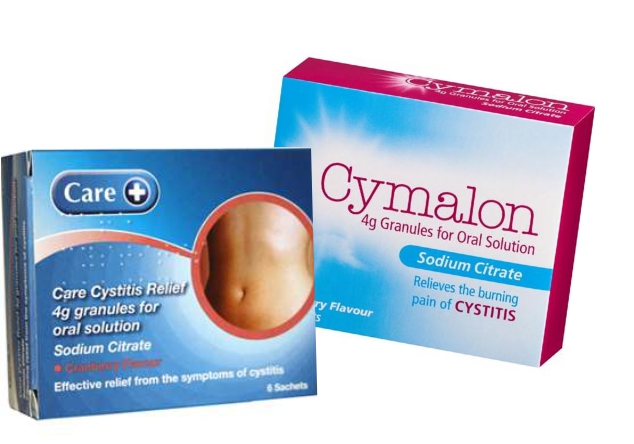 You can ease the symptoms by using products containing sodium citrate or potassium citrate such as Cymalon or Care Cystitis Relief which reduce the acidity of your urine to help prevent burning or irritating sensations. Phenazopyridine can also help to reduce pain and the sense of urgency to urinate. You may also need antibiotics to combat the infection; speak to your pharmacist or GP for advice.
Like UTIs, incontinence impacts more women as they get older, due to lowering oestrogen levels. Childbirth, both caesarean and vaginal, also heighten risk, increasing with each additional baby. Older men, meanwhile, are also at higher risk of incontinence, especially those experiencing prostate issues. For both men and women, poor overall health can lead to incontinence, such as diabetes, high blood pressure, and smoking.
Many people suffer in silence, but incontinence can be treated – and there’s no need to be embarrassed. Your pharmacist or GP can help advise on lifestyle changes like reducing alcohol or caffeine intake, losing weight, pelvic floor exercises, or bladder training which can all significantly help. You may also find products like Poise or Depend pads or undergarments and Femfresh or Summer’s Eve wipes and washes to improve your daily experience.
Bladder cancer
Bladder cancer is the sixth most common cancer in the United States, impacting around 84,000 people every year. It affects three times more men than women, and results in nearly 17,000 deaths annually.
Bladder cancer is when cancer cells are found in the tissue that lines the inner surface of the bladder. As with many cancers, the quicker you are diagnosed the higher your chance of recovery. Look out for key symptoms such as blood in the urine, pain in your lower abdomen, lower back and/or when you pass urine, as well as frequent and urgent urination. These symptoms don’t necessarily mean you have cancer, but you should always consult your doctor if and when they arise.
Your risk of bladder cancer increases with age. Take note if anything ever feels strange or unfamiliar and keep up your regular check-ups with your GP. Smokers are also at higher risk – if you need support quitting smoking, speak to your pharmacist for advice, guidance, and useful products such as Nicorette or Nicotinell.
How we can help
We know it can be difficult to discuss urological issues. However, health professionals are more than happy to provide a safe and supportive space to explore your fears or symptoms and advise on next steps. Just ask your pharmacist for a quiet place to chat or book an appointment with your GP. Awareness of these issues could save lives.
Stephanie Simons is the head pharmacist at Lindo’s Pharmacy in Devonshire. She earned her Bachelor of Science in Pharmacy at Massachusetts College of Pharmacy and has been practicing for over 20 years. She is a registered pharmacist with the Bermuda Pharmacy Council and is a member of the Bermuda Pharmaceutical Association.