

By Stephanie Simons,
Head Pharmacist,
Lindo’s Pharmacy in Devonshire
This month, we are taking a looking at psoriasis as August is Psoriasis Awareness month. So what is psoriasis? According to WebMD, it’s a long-term, chronic skin problem that causes skin cells to grow too quickly, resulting in thick, white, silvery, or red patches of skin. The most common symptom is a rash on the skin, but sometimes the rash involves the nails or joints. It’s quite common but manageable with treatment.
Experts believe that psoriasis occurs when the immune system overreacts, causing inflammation and flaking of skin. Normal skin cells grow gradually and flake off about every four weeks. New skin cells grow to replace the outer layers of the skin as they shed. But with psoriasis, new skin cells move rapidly to the surface of the skin in days rather than weeks. They build up and form thick patches called plaques and range in size from small to large. The patches most often appear on the knees, elbows, scalp, hands, feet, or lower back. In some cases, psoriasis runs in families, but it isn’t contagious.
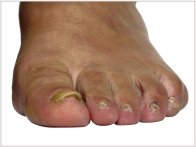
Many people with psoriasis develop nail changes, such as pitting, nail bed separation, and discoloration.
A doctor can usually diagnose psoriasis by looking at the patches on your skin, scalp, or nails. Because scientists aren’t sure what causes psoriasis, there is no known way to prevent it. Instead, psoriasis treatment focuses on reducing the severity of symptoms. Having psoriasis can be embarrassing, and many people, especially teens, avoid swimming and other situations where patches can show. But most cases are mild and can be treated with special products to minimize its appearance. In some cases, psoriasis can be more difficult to treat and you may need to try different combinations of treatments to find what works for you. Treatment for psoriasis may continue for a lifetime.
Some of the products we offer to treat psoriasis include over-the-counter topical steroid hydrocortisone which reduces redness and itching, and cold tar for reducing scaling redness and itching, which is available in shampoos such as Neutrogena T-Gel. Prescription medications- topical creams like Dovonex, Proptopic and Elidel are also used. Other oral and injectable medications like Methotrexate, Enbrel and Humira that are used to treat other autoimmune diseases also are available and are treatment options. Moisturizers can help soothe symptoms.
It’s also important to avoid things that can cause psoriasis symptoms to flare up or make the condition worse. Things to avoid include:
- Stress and anxiety: Stress can cause psoriasis to flare or can make symptoms worse.
- Certain medicines: Some medicines, such as nonsteroidal anti-inflammatory drugs (NSAIDs), beta-blockers, and lithium, have been found to make psoriasis symptoms worse. Talk with your doctor to find something that works for you.
- Overexposure to sunlight: Short periods of sun exposure reduce psoriasis in most people, but too much sun can damage the skin and cause skin cancer. Sunburns can trigger flares of psoriasis.
- Alcohol: Alcohol use can cause symptoms to flare up.
- Smoking: Smoking can make psoriasis worse. If you smoke, try to quit.
- Eating a balanced diet and staying at a healthy weight can also help with psoriasis flare ups.
If you prefer natural remedies to treat psoriasis, the best ones are:
- Fish oil: Supplements may help to reduce inflammation.
- Gluten-free Diet: A diet free of wheat, barley, and rye can help psoriasis sufferers feel better as gluten can cause inflammation, although this has not been scientifically proven.
- Water: Drinking more water can help keep your skin hydrated and less dry.
- Dead Sea salts: Adding a quarter cup of authentic Dead Sea salts to warm bath water and soaking for about 15 minutes can help alleviate itching and burning.
- Tea Tree Oil: When applied to the skin, this psoriasis home remedy is said to help remove dry, dead cells.
Discussing psoriasis with your doctor is the best way to come up with a treatment regime. Don’t get discouraged! Trial and error is the best way to figure out what works for your body.
Stephanie Simons is the head pharmacist at Lindo’s Pharmacy in Devonshire. She earned her Bachelor of Science in Pharmacy at Massachusetts College of Pharmacy and has been practicing for over 20 years. She is a registered pharmacist with the Bermuda Pharmacy Council and is a member of the Bermuda Pharmaceutical Association.