PHARMACY CORNER
Feeling sleepy? It could be your red blood cells

By Stephanie Simons,
Head Pharmacist,
Lindo’s Pharmacy in Devonshire
Feeling overly tired? Or a bit short of breath? These symptoms can affect us all at some point or another, and there are many reasons why. A common culprit, however, is anaemia.
Anaemia occurs when there’s a reduction in red blood cells circulating in the body. This prevents organs from getting enough oxygen to function correctly, causing fatigue, shortness of breath and often other symptoms too like pale skin, tinnitus, headaches and hair loss.
At least 6% of the US population has some form of anaemia. While women, young children, and people with long-term diseases are more likely to have the condition, it can affect anyone. The good news is, anaemia can be detected by a simple blood test and, in most cases, easily treated.
The most common form of anaemia is caused by iron deficiency. Iron is needed by your bone marrow to make haemoglobin, the part of the red blood cell that takes oxygen to your organs. This can be tackled with supplements like Ferrograd, Spatone, Floradix or Ferrous Fumarate or stronger doses prescribed by your GP. But first of all, we must identify the cause behind the deficiency.
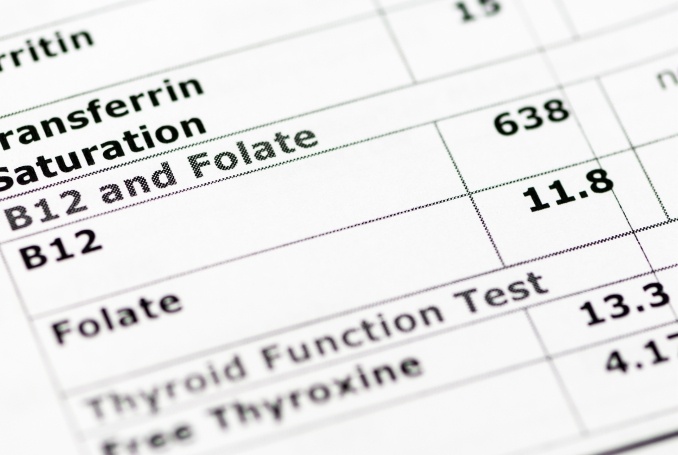
This can be as simple as your diet. Most people get a steady supply of iron from the food they eat, but many miss out on its key sources. Vegetarians and vegans don’t receive the high doses found in meat, but it’s easy to pack in plant-based sources like pulses, leafy vegetables and fortified breads and cereals. Those who avoid meat may also not ingest enough Vitamin B12, which is essential for building red blood cells. B12 is often added to plant milks like almond, oat or soya, or can be taken as a supplement like Vit. B-12 by Nature’s Bounty or Nature Made. The strengths available range from 250mcg to 2500mcg.
Blood loss can also cause anaemia if the number of red blood cells lost exceeds the amount being produced. Women who experience heavy and/or overly frequent periods often suffer from anaemia due to this depletion in the body’s red blood cells. Anaemia can also indicate gastrointestinal conditions such as ulcers, haemorrhoids, gastritis or cancer which cause internal bleeding, which is why it’s always important to flag symptoms to your GP.
Pregnant women often experience anaemia too, as both mother and baby need higher levels of iron than is usually ingested. While mild anaemia is normal during pregnancy, more severe cases can increase the risk of pre-term delivery, a low birth weight, and blood loss during labour, making it more difficult to fight infection. Expectant mothers should look to increase the iron in their diets and discuss any symptoms with their GPs, who will test for and treat anaemia throughout the pregnancy.
Folic acid (Vitamin B9) plays a key role in red blood cell production, and GPs often prescribe this to pregnant women or suggest a lighter dose made by Nature’s Bounty or Nature Made. A diet rich in leafy vegetables, citrus fruits, beans, and whole grains will also boost your folic acid intake. These are tiring times for us all and a little fatigue is nothing to be alarmed about. But if you are at all concerned that you or a family member may be anaemic, speak to your GP as soon as possible. Pharmacists too are always happy to advise and discuss any possible supplements. Most cases of anaemia are easy to diagnose and to treat as long as we keep an eye out for the signs.
Stephanie Simons is the head pharmacist at Lindo’s Pharmacy in Devonshire. She earned her Bachelor of Science in Pharmacy at Massachusetts College of Pharmacy and has been practicing for over 20 years. She is a registered pharmacist with the Bermuda Pharmacy Council and is a member of the Bermuda Pharmaceutical Association.
Dodging the detox myths

By Stephanie Simons,
Head Pharmacist,
Lindo’s Pharmacy in Devonshire
January is always a great time to reset and look forward to the year ahead. However, we can sometimes go about this the wrong way. After the holiday season – the champagne, the chocolate, the mince pies… – it’s tempting to turn to dieting and ‘detox’ measures in a bid to get back in shape. But while our intentions are good, these quick-fire measures reap very few results – and some could actually damage your health.
We all indulge over the holidays, and the accumulation of alcohol, sugar and fat can leave us feeling sluggish and a bit heavier than usual. We often look to quick diets to shed those extra holiday pounds, but such methods are simply types of fasting, which can have serious repercussions.
When your body doesn’t get the calories it needs, it starts to build up ketones, chemicals that cause nausea, dizziness and dehydration. You may indeed lose weight, but will be from the loss of water, glycogen (carbohydrate stores) and muscle, a process that weakens your body and your immune system. Such diets can also escalate into eating disorders, leading to years of mental and physical issues.
Other trends focus on ‘detoxing’ – attempts to purge your body of the ‘toxins’ incurred over the holidays. However, while extreme alcohol use can lead to alcohol poisoning, the average intake of food and drink at Christmas is nowhere near enough to fill us with ‘toxins’. Our bodies, moreover, are resilient. Your liver and kidneys are mighty organs that cleanse detoxify the blood, removing any impurities and keeping the body clean.
Juice ‘cleanses’ are a common culprit. It’s great to pack in more fruit and veg, but this regime denies your body many of the essential vitamins, minerals, carbohydrates and fatty acids it needs to function. A juice cleanse also reduces your protein intake, causing your body to take it from other sources, like your muscles, organs and bones. Your body ends up in a much worse state than when you started!
That said, there are still safe and healthy routes to that January boost. Ease up on the sugar and processed foods and add in more fruit and veg, whole grains like brown rice and oats, and plenty of protein. Rather than eradicating food groups, aim for variety instead – and don’t deny yourself the odd treat!
Making small changes to your breakfast habits can make a big difference. For example:
- Bananas are great source of energy and help you stay fuller for longer so you can resist the biscuits later in the day. Mix them into pancakes, scatter them on your cereal or grab one on the way out the door.
- Nut butters can increase your protein intake and regulate your blood sugar levels throughout the morning. Spread on toast or dollop on your porridge for an easy, healthy treat.
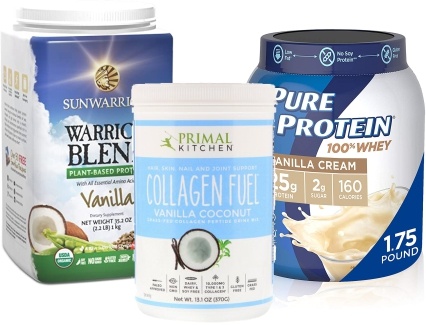
- Smoothies can be a nutritious breakfast or an energy boosting snack. Just blend frozen fruit, yogurt, nut butter and/or leafy greens with your milk of choice. You can tailor your smoothie to your individual needs by blending in protein powders like Pure Protein, Sun Warrior or Kos or supplements like Primal Kitchen Collagen powder.
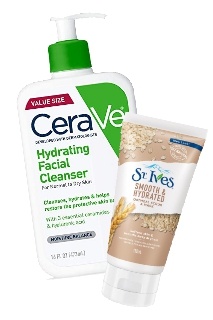
With some good nights’ sleep, exercise and healthy meals, your body will easily bounce back from last year’s festivities. In the meantime, try some skin-loving body treats like Cerave Hydrating Cleanser, or St. Ives Oatmeal Scrub which can double as a face mask to brighten your day. You’ll soon be feeling better and ready for whatever 2021 has in store!
If you have concerns about your health after the holiday season, do contact your GP or pharmacy as soon as possible.
Stephanie Simons is the head pharmacist at Lindo’s Pharmacy in Devonshire. She earned her Bachelor of Science in Pharmacy at Massachusetts College of Pharmacy and has been practicing for over 20 years. She is a registered pharmacist with the Bermuda Pharmacy Council and is a member of the Bermuda Pharmaceutical Association.
Beat the stress this holiday season

By Stephanie Simons,
Head Pharmacist,
Lindo’s Pharmacy in Devonshire
Tis the season to be jolly and this year – we’ve definitely earned it. But for many this can be a stressful time too and, with the pandemic still casting a shadow over us all, this holiday season could be more challenging than usual.
Stress can be very detrimental to our mental and physical health. More than 40% of adults suffer adverse health effects from stress and nearly three quarters of all GP appointments are stress-related. However, if we can recognise the symptoms, there are ways to ease the strain and enjoy the festivities.
Stress is an evolutionary response. It occurs when a situation triggers your ‘fight or flight’ response, preparing you to defend yourself, or run for it! The hypothalamus causes stress hormones like adrenaline to surge through the body, causing your heart rate to soar, your breath to quicken and your muscles to tense – ready for action. In the case of danger, this gives us the best chance of survival. However, it becomes a problem in modern life when this reaction causes more problems than it solves.
The fortunate among us are rarely faced with life-threatening situations that require ‘fight or flight’. Instead we’re anxious about our jobs or family – or Christmas! If our anxieties continue, so does the stress response, which can have long term effects on our health.
Ever noticed you come down with a cold when you’re stressed? That’s because it weakens the immune system, leaving you more vulnerable to the bugs circulating during the winter months. Stress can also cause headaches and tension in the neck and shoulders, while the build up of stomach acid can cause or exacerbate heart burn.

Longer term, the impact is more serious. Chronic stress can break down your emotional defences leading to depression, while excess adrenaline and cortisol can disrupt your sleep. The liver secretes more glucose, heightening your blood sugar levels and increasing your risk of Type 2 diabetes, while the narrowing of blood vessels can lead to high blood pressure – and even heart problems further down the road.
Chances are – this blog itself is making you stressed! But that’s not what we’re here for. The truth is, there are plenty of ways to find calm, even amongst the festive madness.
Serotonin is our happy hormone that can counterbalance stressors like cortisol. You can boost your levels by getting plenty of sunlight (even in the cold) and eating complex carbohydrates like oatmeal. Vitamin C is also known to help reduce stress, so stock up on oranges and broccoli in your next grocery shop or pop by your local pharmacy for a supplement like Berocca, Redoxon or Vitamin B complex formulas.
Exercise is also a great way to combat stress. It releases endorphins that improve your mood, while lowering your blood pressure – and giving you the chance for some alone time if the kids get a bit crazy!
Meditation, mindfulness and yoga are popular practices for calming the mind and body. Take a look online for quick and easy videos that you can slot in between the family Zooms! Aromatherapy products like Nature’s Truth Oils or room sprays can create a calm atmosphere, while soothing drinks like Chamomile or other herbal tea blends can help you wind down on an evening.
Stress can often feel outside of your control, but you do have the power to recognise and tackle the symptoms before they escalate. You can always talk to your pharmacist about how to best ease your stress or visit your GP if you’re at all worried about your health. We’re here for you throughout the holiday season – and always. Happy holidays from Lindo’s Pharmacy!
Stephanie Simons is the head pharmacist at Lindo’s Pharmacy in Devonshire. She earned her Bachelor of Science in Pharmacy at Massachusetts College of Pharmacy and has been practicing for over 20 years. She is a registered pharmacist with the Bermuda Pharmacy Council and is a member of the Bermuda Pharmaceutical Association.
Breathe easy this winter
By Stephanie Simons,
Head Pharmacist,
Lindo’s Pharmacy in Devonshire
Asthma is a well-known condition, yet there are still many of us who know very little about it. As this strange year comes to an end and the cold weather draws in, it’s important to get know asthma a bit better and how we can help people to manage it.
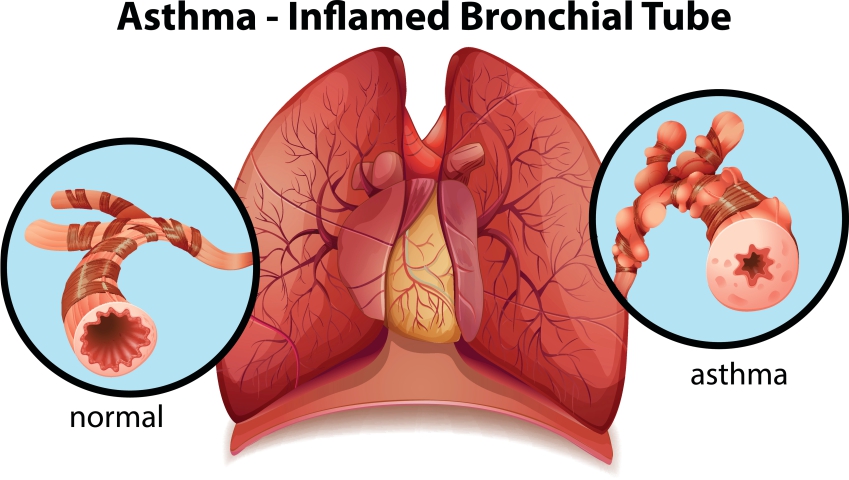
A lifelong condition in most cases, asthma causes the airways to react to certain triggers, such as pollution or weather. The muscles surrounding the airways tighten, the lining swells and sticky phlegm can build up – all of which cause the airways to narrow. Common symptoms include coughing, wheezing and breathlessness.
Severe asthma attacks prevent enough oxygen reaching the lungs, and three people die from this every day. However, research shows two thirds of these deaths could be avoided and, with the right treatment, most asthmatics can manage their symptoms and live full lives.
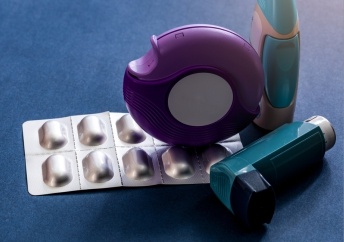
Everyone with asthma is different and requires tailored care to manage their symptoms. Most commonly, asthmatics use inhalers which get medicine directly into their airways so it can work as fast as possible. Patients are usually prescribed two inhalers: a preventative inhaler which is taken regularly to stop symptoms before they begin, and a reliever inhaler which is used if and when symptoms occur.
Another key part of treatment involves avoiding, or else managing, triggers – the circumstances which cause the airways to react. Again, triggers are unique to each asthmatic and can vary from allergies like pollen, to thunderstorms. Winter, however, sees the return of a very common trigger – cold weather.
When we breathe in cold air, especially on leaving a warm environment, it can cause the airways to spasm. While unpleasant for all, this can trigger severe symptoms and difficulty breathing in asthmatics. Experts recommend wearing a scarf over your nose and mouth for a few minutes before leaving the house, which lessens the shock of the cold air. Breathing through the nose instead of the mouth can also warm the air before it reaches the airways.
This year, of course, there is the added risk of Covid-19. Those with any underlying health condition are at greater risk of falling seriously ill from the virus, especially if they are older and/or have a weakened immune system. As a respiratory infection, Covid-19 is particularly dangerous for those with asthma, whose airways are already compromised.
That said, by following the expert guidance, you can give yourself the best chance of staying safe and well. Wash your hands regularly, stay at least two metres apart from those outside your household, and wear a mask in indoor public spaces like supermarkets. Asthmatics should be able to wear masks without difficulty, as oxygen supply isn’t compromised, but if you’re concerned about wearing one, do discuss this with a healthcare professional like your GP.
Your pharmacist is also great resource for navigating these strange times. There’s no need for an appointment and we’re open at times when you often can’t access your GP. If you or a loved one has asthma, we can help get you through the winter by discussing your medications, addressing any side effects, and/or answering any questions you may have. We can also assist with inhaler technique to make sure your medications have the best possible impact. These are difficult times for us all, but with the right guidance and treatment, there’s no reason asthmatics should struggle through the winter months. Emergency services are still operating as usual and, if you are experiencing unusual or distressing symptoms, do contact your GP or pharmacist as soon as possible.
Stephanie Simons is the head pharmacist at Lindo’s Pharmacy in Devonshire. She earned her Bachelor of Science in Pharmacy at Massachusetts College of Pharmacy and has been practicing for over 20 years. She is a registered pharmacist with the Bermuda Pharmacy Council and is a member of the Bermuda Pharmaceutical Association.
Check your breasts – even during a pandemic

By Stephanie Simons,
Head Pharmacist,
Lindo’s Pharmacy in Devonshire
While we’re all on the lookout for symptoms of coronavirus, other health issues can still arise. October is Breast Cancer Awareness Month and it’s important to take the time to learn about this life-threatening disease, no matter what else is going on. After all, the earlier it’s diagnosed, the better chance of survival.
Approximately 1 in 8 women will be diagnosed with breast cancer in their lifetime. Between 5 and 10% of these cancers are genetically determined, while lifestyle factors like smoking, alcohol and diet can also play a role. Though men get breast cancer too, women are much more likely to do so, especially as they get older.
When caught early, breast cancer is easily treated and very often cured. It’s therefore critical that women check their breasts regularly. Get to know what is normal for you – every woman’s breasts are different sizes, shapes and consistency – and then do regular checks for any changes.
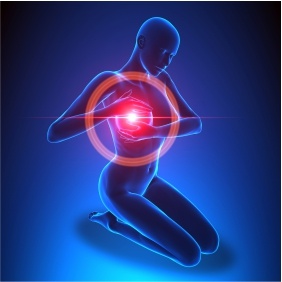
It is quick and easy to check your breasts at home. Start by looking at your breasts in a mirror, first with your arms by your sides, then with them raised above your head. Next, feel each breast and armpit all the way to the collarbone, applying a firm pressure.
A lump, thickening or bumpy area is the most well-known sign. However, you also need to look for changes in the size, shape or feel of the breast, and check the nipple for discharge, bleeding, rashes or other skin changes. If ANY of these symptoms appear, and/or if you experience a new, ongoing pain in one or both breasts, it’s important to raise this with your GP as soon as possible.
While symptoms are not always visible, mammograms (x-rays of the breast) can detect tumours long before they become apparent. That’s why women undergo breast cancer screening. You are encouraged to start screening from the age of 40, and from 45 women should have a mammogram every year. If you missed your appointment due to lockdown or the consequent reduction in services, don’t panic – simply contact your GP to discuss your next screening.
So, what happens if you are diagnosed? A cancer diagnosis is frightening at any point, let alone in the midst of a pandemic, but rest assured treatments are still going ahead. Cancer is always treated urgently and your healthcare team will assess the risks posed by coronavirus against your treatment needs.
As with all urgent care, health services are working tirelessly to deliver the treatment needed while keeping patients and staff as safe as possible. Strict infection control measures are in place, and many services are reducing the number of hospital visits and/or the time patients spend within the hospital building. Many cancer treatments like chemotherapy can severely weaken the immune system, and changes are being made to keep such patients away from high-risk facilities like large hospitals.
It’s also critical that you can access support. If your immune system is compromised due to breast cancer treatment, it’s important to limit your close contact to the one or two people you need most like your parent or partner. Those helping you should also keep their social interaction to a minimum. Avoid crowded areas and public transport, wear your mask and follow your healthcare team’s advice.
From screening information to supporting a loved one through breast cancer, your local pharmacy is here to help – remotely or in person. We can provide lifestyle support to lower your risk (such as Nicorette gum, patches or lozenges, or Nicotinell patches) to help you to quit smoking , as well as simple remedies for the side effects of cancer treatment (mild, unscented soaps like Dr. Bronner’s or Nesti Dante unscented bar soaps can soothe skin irritated from chemotherapy and feel very luxurious too!). Most of all, we can listen and answer any questions. Awareness could save your life.
Stephanie Simons is the head pharmacist at Lindo’s Pharmacy in Devonshire. She earned her Bachelor of Science in Pharmacy at Massachusetts College of Pharmacy and has been practicing for over 20 years. She is a registered pharmacist with the Bermuda Pharmacy Council and is a member of the Bermuda Pharmaceutical Association.
A changing world
By Stephanie Simons,
Head Pharmacist,
Lindo’s Pharmacy in Devonshire
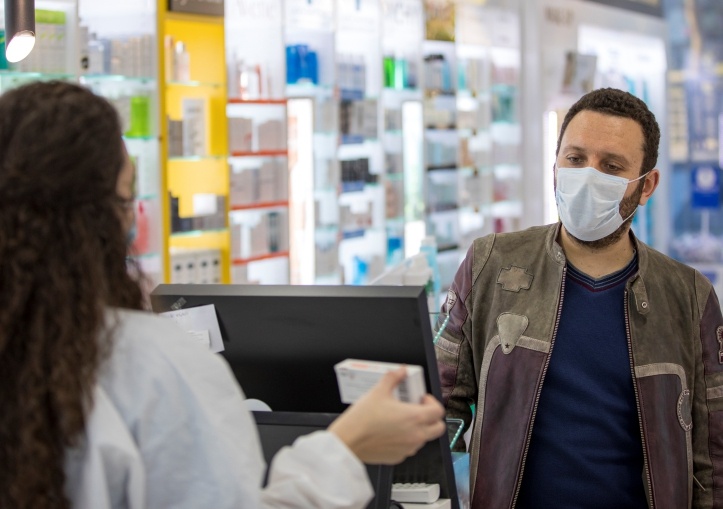
The world has changed more than anyone thought possible. Face masks are the norm, holidays abroad a distant memory, and many of us are still separated from loved ones. But while there are plenty of things we can’t do right now, we can learn how to take care of our health.
Health care has changed perhaps more than anything, and it continues to evolve. The simplest things, from a routine check-up to a repeat prescription, are suddenly very confusing and many don’t know where to start. But fear not. Pharmacies are here to help you navigate the new normal of health care.
Pharmacies play a key role in supporting everyone through this pandemic. We’ve stayed open throughout, providing an essential contact point for your worries and concerns. We can help demystify public health guidance to prevent the spread of infection, while also offering advice on supporting your immune system, and managing long-term conditions like diabetes, cancer and asthma during this difficult time.
One of our most important jobs is helping you assess new and ongoing conditions and the next steps to take. If you need to see a doctor, this can be done through telemedicine. Available at almost all GPs, telemedicine uses video-conferencing so you can talk to a doctor or other health care staff. Using your webcam on your PC, or a tablet or smartphone, you can have appointments with medical professionals just as you would in person. This helps protect you and your doctor from infection, reduces the stress and cost of travel, and delivers the same quality of care you’d expect from your usual appointments. You can also, if required, speak to experts wherever they are in the country.
If you do arrange an appointment, it’s important to prepare. Find a quiet space where you won’t be disturbed and be ready to explain three key points – your most urgent symptom, how long it’s been going on, and any changes that have occurred in that time. If you speak to a nurse or other member of staff first, be as clear and succinct as you can – this will help your doctor prepare too. And rest assured – telemedicine appointments are entirely private and confidential.
But what to do in an emergency? If you are experiencing serious symptoms, such as chest pain, weakness in one side of the face or body, or sudden difficulty breathing – act as you would have pre-pandemic and call 911 immediately. If you have a lesser but still urgent issue, like a high fever or a minor injury, contact your GP and they will advise you on how to proceed. Many urgent care centers and walk-in clinics are also offering telemedicine, so check those out too.
Doctors can send your prescriptions to the pharmacy as normal. It is always helpful to call ahead to make sure your pharmacy has what you need before you make the trip to collect it. When you do come to visit, please be patient with staff and customers, keeping a two-metre distance and following the social distancing rules in place, such as a one-way system. There are also options for prescription delivery if you are unable to leave your home.
For more general advice, your pharmacy is ready and waiting – online and in person. We have all your supplies from multivitamins like One-A-Day, Olly and Smarty Pants and painkillers like Tylenol and Advil, to hand sanitisers (look for an ethyl alcohol content of more than 70%) and sunscreen like Coppertone, Australia Gold, Neutrogena and Banana Boat. If you have coronavirus symptoms such as a new, continuous cough, a fever and/or loss of taste and smell, do not leave home. Contact your pharmacist or GP for advice on managing your symptoms. And if you have questions at all, your pharmacy is happy to help. It’s true what they say: we’re all in this together.
Stephanie Simons is the head pharmacist at Lindo’s Pharmacy in Devonshire. She earned her Bachelor of Science in Pharmacy at Massachusetts College of Pharmacy and has been practicing for over 20 years. She is a registered pharmacist with the Bermuda Pharmacy Council and is a member of the Bermuda Pharmaceutical Association.
Taking care of our key workers
By Stephanie Simons,
Head Pharmacist,
Lindo’s Pharmacy in Devonshire
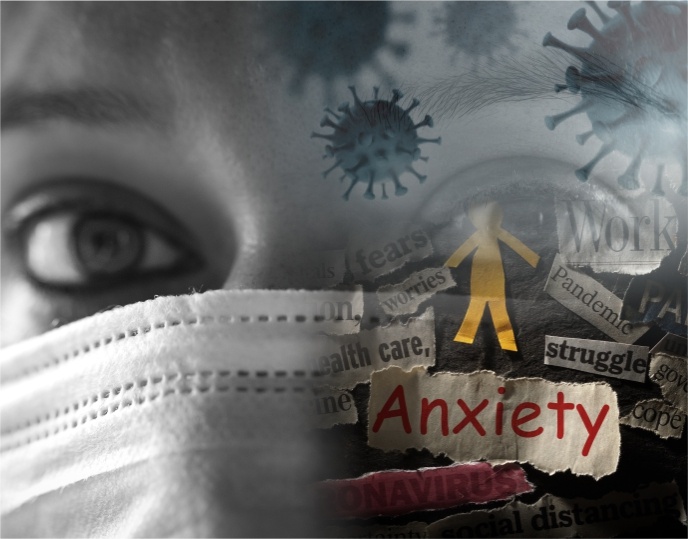
Working from home has become the ‘new normal’ for many, but there are those who are now heading back into the working world – and those who never left. From health care staff to delivery drivers, these are the people helping us return to some semblance of normality. Yet while it is becoming safer to venture out, the pandemic is far from over, and it’s vital that we all do our bit to support those working on the front lines.
For many key workers, the coronavirus has left its mark, both physically and mentally. But there are ways to ease this strain, whether you are a key worker yourself, or you are looking to support someone in your life.
It’s likely that workers in public settings may experience anxiety. Such unprecedented circumstances can cause stress and confusion which, if not tackled, can lead to even worse mental health difficulties later on. Staff like health care workers or police could be concerned about their increased proximity to the virus, while others may worry about undertaking tasks outside of their usual role.
It can be helpful, therefore, to make sure key workers have a relaxing home environment to return to. Aromatherapy scents such as lavender, bergamot or ylang ylang in products like Nature’s Truth Aromatherapy blends – Calming, Mental Clarity, Happiness or Aura Cacia oils can create a calm atmosphere, while keeping a clean home with products like Lysol, Dettol or Clorox can also reduce any fears about hygiene. Plenty of sleep is also crucial for a healthy mind, so make sure you or your loved one has a quiet place to rest. Stress can make it hard to drift off, but herbal remedies like Nytol Herbal or Kalms Night or Melatonin can help in times when sleep is just out of reach.
It’s also important that key workers can discuss their experiences and concerns – even a quick chat with a friend can make all the difference. There are services available such as the Emotional Wellbeing Hotline (543-1111) too, for those who could benefit from extra support. If you or a loved one are experiencing significant distress, make sure to seek medical advice.
It’s just as important to take care of the body. Keeping fit and healthy helps to support your immune system, boost your mood and increase your ability to weather both emotional stress and viral attack. Taking time to exercise will nourish your muscles and your mind, whether it’s a quick walk around the block, an online yoga class, or even some living room Zumba.
Hearty meals also offer comfort and improve energy levels. Look for simple recipes that pack in the nutrients, like a veggie pasta or delicious fruit smoothie. You can also take supplements like Vitamin C (Nature’s Bounty, Emergen-C) for your immune system, Vitamin B (Berocca, N.B. B-Complex) to combat tiredness or Vitamin D and Calcium (Caltrate, Citracal, Viactiv) if your bones are feeling the effects of all that hard work.
And let’s not forget the skin – it is, after all, a vital organ. Masks can irritate the skin of the face so it can be useful to rotate in a calming face wash like Cerave Hydrating Cleanser and moisturiser like Cerave Facial Moisture Lotion AM and PM formulas into your usual routine. Key workers’ hands are also taking a beating. Soothing lotions like Aveeno Stress Relief can ease dry hands and replenish moisture. Some of us are key workers – some of us are caring for them. Either way, it has never been more important to look after ourselves and others. If you are concerned about yourself or a loved one, please do seek advice from your GP or pharmacist. We are here to help everyone stay happy and healthy.
Stephanie Simons is the head pharmacist at Lindo’s Pharmacy in Devonshire. She earned her Bachelor of Science in Pharmacy at Massachusetts College of Pharmacy and has been practicing for over 20 years. She is a registered pharmacist with the Bermuda Pharmacy Council and is a member of the Bermuda Pharmaceutical Association.
Vitamins – A Beginner’s Guide
By Stephanie Simons,
Head Pharmacist,
Lindo’s Pharmacy in Devonshire
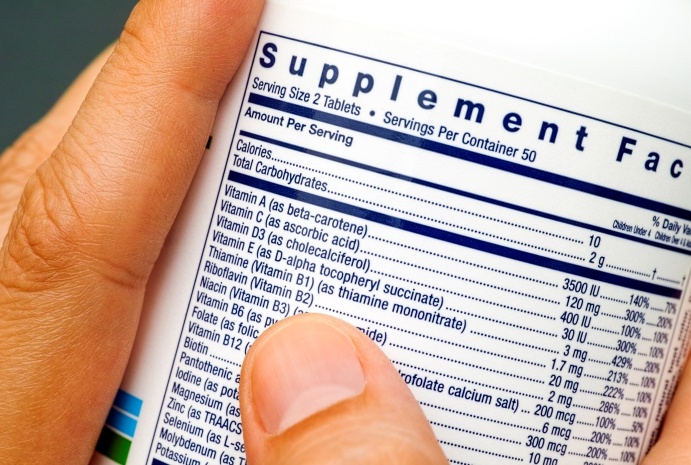
It’s common knowledge that a varied, nutritious diet is good for your health. A lot of this is down to vitamins. They play a vital role in supporting your body to function at its best, both mentally and physically – and the best way to pack them in is through the food we eat. But what do vitamins actually do? And how do we know if we’re getting everything we need?
Vitamin A
Vitamin A helps maintain your immune system, sight and skin. You can get your dose of Vitamin A through dairy products like cheese and milk, oily fish and also in sources of beta-carotene, like spinach, carrots and sweet potatoes, which the body changes into Vitamin A.
However, it’s equally important not to ingest too much as this can weaken bones and increase your risk of osteoporosis. You should also limit intake when pregnant, including skincare containing Vitamin A (retinol) like Neutrogena Rapid Wrinkle Repair, as this can harm your unborn baby.
Vitamin B
There are many different types of Vitamin B, which is why B-complex supplements like Berocca, Nature’s Bounty or Nature Made B-Complex or Stress formulas are often taken to cover all bases. However, you may be deficient in one or several of the vitamins in particular.
For example, Vitamin B12, or cobalamin, is crucial for neurological function, DNA production and the development of red blood cells – which helps to prevent anaemia. It is found in meat, seafood and dairy, but those who don’t eat (or are intolerant to) these food groups, require supplements like Nature’s Bounty, Nature’s Truth and Nature Made B-12 tablets or Gummies.
Vitamin B9, or folic acid, is also key. Like B12, it helps to ward off anaemia and, during pregnancy, it can help to reduce risks of birth defects in unborn babies. To increase your B9 intake, you can take use supplements labelled Folic Acid or Folate (natural source) or boost the wholegrains, dark leafy vegetables and legumes in your diet.
Vitamin C
Vitamin C is known for its immune-boosting skills, but it also helps maintain healthy skin, blood vessels and bones. A severe lack of Vitamin C can lead to scurvy, but you can easily boost your intake through supplements like Redoxon, Airborne, Haliborange or a variety of fruit and vegetables including oranges, peppers, potatoes and broccoli.
Vitamin D
Vitamin D regulates the amount of calcium and phosphate in the body, both of which are essential to keep bones, teeth and muscles strong and healthy. Deficiencies can lead to bone deformities in children and weak bones in adults, especially older people.
Sunlight is the best source of Vitamin D (though be sure to wear your SPF!) However, if you spend most of your time indoors, it can help to take a supplement like Caltrate, Citracal or Viactiv which also contain calciumto boost levels and protect your bones. Foods like mushrooms and oily fish are also rich in Vitamin D.
Other vitamins
A variety of other vitamins are also important. Found in nuts, seeds and olive oil, Vitamin E helps to maintain healthy skin and eyes, and strengthens the immune system. Meanwhile, Vitamin K, is needed for blood-clotting, so make sure you pack in those green, leafy vegetables and cereal grains!
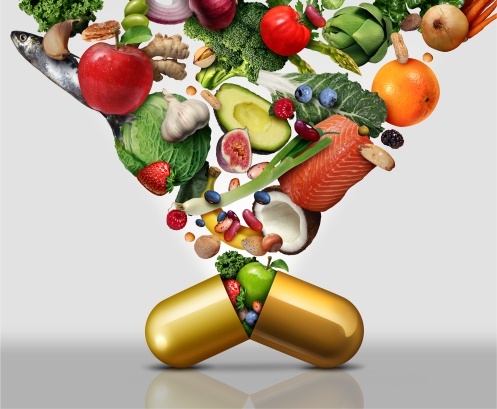
The easiest way to get all the nutrients you need is to eat a varied diet, full of fresh fruit and vegetables, wholegrains, nuts and seeds. Smoothies are a great way to sneak in everything from spinach to oats, while a stir-fry can include any vegetables you like. If you’re worried you have deficiencies or have questions about nutrition, do speak to your pharmacist or doctor who’d be happy to advise.
Stephanie Simons is the head pharmacist at Lindo’s Pharmacy in Devonshire. She earned her Bachelor of Science in Pharmacy at Massachusetts College of Pharmacy and has been practicing for over 20 years. She is a registered pharmacist with the Bermuda Pharmacy Council and is a member of the Bermuda Pharmaceutical Association.
A Healthy Home

By Stephanie Simons,
Head Pharmacist,
Lindo’s Pharmacy in Devonshire
We know how to stay healthy at home. We know how to stay healthy at work. But what about when these two spheres merge? The global pandemic has made jugglers of us all, with many balancing our jobs, childcare, and checking in on friends and relatives, all in the same day.

When there is homeschooling to be done and meals to be cooked – not to mention those urgent emails from your boss – it can be easy to let your own health slip down the list of priorities. However, you need to take steps to look after yourself – now more than ever.
Adapt your workspace
The first step is ensuring you have a safe environment to work. Right now, people are working everywhere from the kitchen counter to the cupboard under the stairs, but there are things you can do to make any workspace more conducive to health.
Working at a computer can provoke a range of musculoskeletal issues. Unchecked, this can lead to damage of the back, neck and upper limbs, so it’s crucial to try to maintain the correct posture wherever you are.
First of all, make sure you are sat at a chair rather than a stool. Then try to keep your feet flat on the ground, without crossing your legs and ankles, and keep your back flat against the back of your chair. It’s also helpful to adjust your monitor so it is at eye level. This stops your head from tilting one side or the other, which can lead to neck cramps and strain.
It’s also important to keep your environment clean. Use antibacterials wipes and sprays on your work surface, phone and computer and wash your hands regularly with any soap, it does not have to be anti-bacterial, and water for at least 20 seconds or use an alcohol-based hand sanitiser. There are many brands available to buy or you can make your own.
Move around
It’s thought that 86% of American workers spend almost their whole working day sitting down, at the office or at home. However, this can increase your risk of numerous serious health conditions including diabetes, cancer and heart disease – regardless of how much you exercise outside your working hours.
It’s therefore vital that you take the time to move. The key here is little and often. Taking two breaks per hour – even if they are just two minutes long – can significantly reduce your risk of health issues, much more than if you took one long break in the middle of the day. Regular breaks will also improve your mental health, especially if you switch off work emails and calls while you’re away from your workspace.
Top up your nutrients
When managing a busy job, (and kids, and the house, and a pandemic), it can be tempting to opt for quick, processed foods. However, ready meals and snacks are often filled with sugar, salt and fat – and very few nutrients.
Prepping meals at the weekend is a great way to ensure you have nutritious food all week long. Opt for whole grains, vegetables and legumes that deliver a range of vitamins and minerals while keeping you energised through the working day.
It’s also helpful to keep a supply of healthy snacks on hand to boost your concentration. Try apple slices with peanut butter or rice cakes with hummus for a quick and easy snack that will see you through until dinner. There’s a fantastic variety of healthy snacks like Kind Bars which are loaded with nuts and healthier crunchy chips made from lentils or veggies to name just a few. Work in some citrus fruits, red bell peppers and broccoli, or indeed supplements like Vitamin C (tablets by Nature’s Bounty or Sundown or fizzy tablets to put in your water like Berocca or Redoxon), Vitamin E (Nature’s Bounty, Nature Made etc) and Vitamin B6 (Nature’s Bounty, Nature’s Truth, Berocca), to give you and your family that extra immune system boost. Electrolyte fizzy tablets by Nuun are also good sources of Vitamins B and C.
These are available in numerous flavours to give you a boost ad help to prevent dehydration. These are challenging times for us all – and there is no correct answer for everyone. But we can all take a quick walk, or switch off our phone for ten minutes and make a cup of tea. It’s these small changes that will make a big difference when it comes to surviving the global crisis.
Stephanie Simons is the head pharmacist at Lindo’s Pharmacy in Devonshire. She earned her Bachelor of Science in Pharmacy at Massachusetts College of Pharmacy and has been practicing for over 20 years. She is a registered pharmacist with the Bermuda Pharmacy Council and is a member of the Bermuda Pharmaceutical Association.
Food for thought
By Stephanie Simons,
Head Pharmacist,
Lindo’s Pharmacy in Devonshire
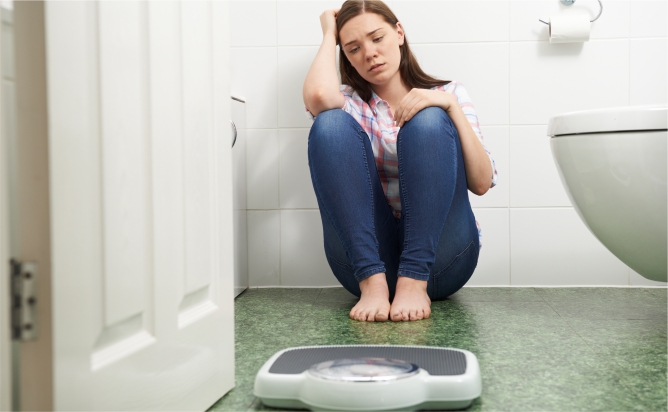
We all know how important food is for our health. Eating a balanced diet can boost our energy, support our movement and maintain our vital systems. However, our relationship with food is complex and, for many, this relationship can become harmful – and even life-threatening.
In the U.S., more than 30 million people suffer from eating disorders and one person dies every 62 minutes as a direct result. These disorders affect people of all ages and genders and can have hugely detrimental consequences for the body and mind.
Eating disorders manifest in different ways. Anorexia (full name anorexia nervosa) is generally defined as the need to keep your weight as low as possible through extreme dieting and/or excessive exercise. Bulimia, in contrast, involves eating significant amounts of food but then vomiting or taking laxatives to prevent weight gain. Others suffer from Binge Eating Disorder (BED), in which they lose control of their eating and consume far more than their body needs, whilst others’ experiences do not fall into any of these categories at all.
These conditions, while psychological at root, have serious consequences for the body. When it doesn’t receive enough calories each day, the body begins to break down muscle to provide fuel, including the most important muscle – the heart. With less fuel to pump blood and fewer cells to pump with, blood pressure plummets, thus increasing the risk of heart failure. Overeating is equally damaging, as excess weight can lead to high blood pressure, which also damages the heart and increases the risk of stroke and heart failure.
The gastrointestinal system in particular, is affected, too, as starvation or bingeing interferes with the digestion of nutrients and often leads to constipation, bloating and, in more serious cases, the rupture of the stomach. Deprived of energy, the brain can also suffer critical damage.
So how can you tell if you, or someone in our lives, is suffering from an eating disorder? While we all try to shed (or gain) a few pounds from time to time, an eating disorder is a serious mental illness, resulting in a severe obsession with food. Tell-tale signs include constant anxiety about body size and shape, excessive exercise, strict food habits and restrictions, and/or severe mood swings. Physical symptoms such as dizziness, extreme weight loss or gain, digestive issues and, the slowing or ceasing of periods (for women and girls) are also key indicators.
As with many other mental illnesses, it can be difficult to recognise an eating disorder and know how to seek help. However, the sooner eating disorders are treated – the better. The longer the condition has to manifest, the harder it is to treat, and the more long term damage is inflicted on the body.
Treating eating disorders is a complex process, tailored to each individual. One or several mental health professionals provide therapy to address the psychological illness, while patients also work with a nutritional expert to help rebuild their diet, and other medical professionals who treat any physical symptoms that have arisen. Friends and family also play a key role, helping to provide emotional and practical support in helping patients return to both mental and physical health.
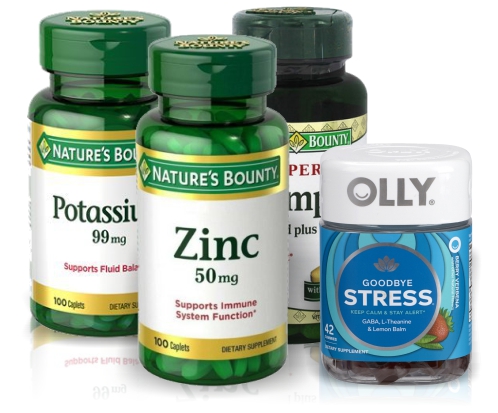
When recovering from an eating disorder, supplements can aid the body’s recovery. Potassium and zinc tablets like those made by Nature’s Bounty or Nature’s Truth can help reignite appetite and taste, while Vitamin B12 supplements such as Nature’s Bounty B-12 or B-Complex help address fatigue and anxiety. Relaxing products such as Olly Stress formula or few drops of Nature’s Truth or Aura Cacia Lavender Oil inhaled or in the bath can also help ease stress during this difficult time.
If you’re worried that you, or someone you know, is suffering from an eating disorder, please do seek medical advice as soon as possible. Your pharmacist or GP can help support you in either seeking help yourself or broaching the subject with your loved one. The important thing to remember is that no one is at fault: eating disorders are an illness like any other and there is no shame in needing help in order to recover.
For more information or for immediate advice, please contact the National Eating Disorders Association.
Stephanie Simons is the head pharmacist at Lindo’s Pharmacy in Devonshire. She earned her Bachelor of Science in Pharmacy at Massachusetts College of Pharmacy and has been practicing for over 20 years. She is a registered pharmacist with the Bermuda Pharmacy Council and is a member of the Bermuda Pharmaceutical Association.
MONTHLY SPECIALS