Vegetarians the world over are celebrating today. October 1st is the official World Vegetarian Day and kicks off an entire month of awareness campaigns and celebrations.
According to the Mayo Clinic, “a well-planned vegetarian diet is a healthy way to meet your nutritional needs”, whether it is Lacto, Ovo, Lacto-Ovo, or pure Vegan. Most people commonly believe that all dairy and meats are excluded from a vegetarian diet but it depends on which type of diet is preferred. There are some important differences as defined below:
- Lacto-vegetarian diets exclude meat, fish, poultry and eggs, as well as foods that contain them. Dairy products, such as milk, cheese, yogurt and butter, are included.
- Lacto-ovo vegetarian diets exclude meat, fish and poultry, but allow dairy products and eggs.
- Ovo-vegetarian diets exclude meat, poultry, seafood and dairy products, but allow eggs.
- Vegan diets exclude meat, poultry, fish, eggs and dairy products — and foods that contain these products.
Probably the most important key in a vegetarian diet is making sure you consume a nutritious and varied diet that includes all your daily recommended requirements. Because a strict vegetarian diet excludes dairy – an excellent source of calcium, and meats and poultry – which are good sources of vitamin B12, it is important to consume foods that can replace those sources.
Dark green leafy vegetables like kale, broccoli, and collard greens along with soy milk, soy yogurt, and vitamin-fortified cereals are an excellent alternative to dairy sources of calcium. Vitamin B12 is difficult to replace naturally as it is found almost exclusively in animal products. B12 is essential for building red blood cells, and a lack of this vitamin can lead to anemia and associated neurological effects. For this reason it is recommended vegetarians take a daily multivitamin and eat vitamin-fortified soy and cereals to avoid any deficiency.
Iron is also an important mineral that helps in building and maintaining red blood cells. Although there are numerous sources of vegetable-based sources of iron, such as legumes, whole grain products, and dark leafy vegetables such as spinach, vegetable sources of iron are not easily absorbed for use by the body. Again, it is recommended vegetarians take a multivitamin, eat fortified foods, and consume lots of fruits and vegetables containing large amounts of vitamin C which aids in absorption of iron.
Other important minerals and vitamins to ensure are included in a vegetarian’s diet are iodine, zinc, omega-3 fatty acids, and vitamin D. All can be replaced by natural plant sources, and Vitamin D is plentiful under Bermuda’s bright, sunny skies. Just make sure you get outside to soak it up!
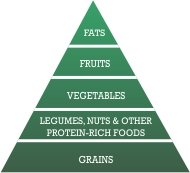 It is recommended that vegetarians eat 2 servings of fats, 2 servings of fruits, 4 servings of vegetables, 5 servings of legumes, nuts, and other protein-rich foods, in addition to 6 servings of grains to meet daily nutrition requirements.
Lindo’s is especially proud of our produce section, and believe it is second to none. We partner with local growers to bring you the freshest local produce, and where not we import from only the finest distributors in the U.S. With 2 servings of fruits, and 4 servings of vegetables recommended as part of a healthy vegetarian diet we’re confident that our produce department has your needs all wrapped up!
Remember, a vegetarian diet doesn’t have to be bland and boring. Most vegetarians enjoy a variety of delicious meals. Try sourcing interesting recipes from bookstores or online, and especially try different ethnic recipes. Some cultures naturally consume more fruits, grains, legumes, whole grains and vegetables in their diets and you may find their recipes to be excellent sources for flavourful, satisfying dishes for you to try and enjoy.