Nov 6, 2017

Simple, fresh ingredients combine for great flavour in this easy to prepare dish. Serve for a savoury breakfast, as an elegant appetizer, or for a light dinner.
Ingredients
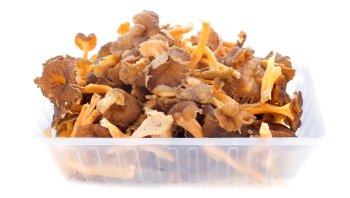
Chanterelles range from yellow, orange, and brown to pale white or black. They have a fruity, nutty, and slightly peppery taste that is ideal for dishes that don’t overpower their unique flavour.
For the pancakes
- 2 medium zucchini, coarsely grated
- 1 teaspoon salt
- ½ cup flour
- 2 scallions, finely chopped
- 2 eggs
- ¼ teaspoon ground black pepper
- 3 tablespoons olive oil
For the mushroom topping
- 4 cups chanterelle mushrooms, roughly chopped
- 2 cloves garlic, minced
- 2 shallots, thinly sliced
- 1 tablespoon fresh thyme leaves
- Salt, to taste
- Freshly ground black pepper, to taste
- 2 tablespoons olive oil
Note: If you can’t find fresh chanterelle mushrooms, you can substitute with crimini, shiitake, or oyster mushrooms.
Directions
Zucchini Pancakes:
- Place grated zucchini in a clean kitchen towel and squeeze to remove excess moisture.
- In a large bowl, whisk eggs. Add the grated zucchini, flour, scallions, salt, and black pepper. Stir well to combine ingredients.
- Heat olive oil in a large skillet over medium heat. Scoop about 2 tablespoons of batter into the skillet for each pancake. Flatten each slightly. Cook about 4-5 minutes on each side, or until cooked through and browned. Transfer to a paper towel-lined plate.
Mushroom Topping:
- In a large mixing bowl, gently stir together the mushrooms with the shallots and thyme leaves. Season with salt and black pepper to taste.
- Heat olive oil in a large skillet over medium high heat. Add mushroom mixture and cook for 8-10 minutes, until mushrooms have browned and excess moisture has evaporated.
To serve, place one pancake on a plate. Top with the mushroom mixture.
Nov 6, 2017
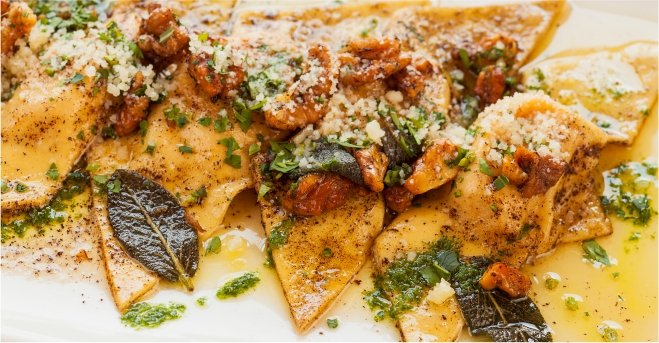
Enjoy the flavours of Fall with homemade butternut squash ravioli in a rich sage-infused brown butter sauce and topped with walnuts and shaved parmesan cheese.
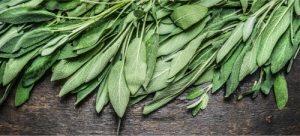
When buying fresh sage, look for leaves that smell aromatic and have no soft spots or dry edges. Sage stands up well to heat, and pairs wonderfully with dairy foods and foods high in oil and fats.
Ingredients
For the Ravioli Filling
1 butternut squash
1/4 cup freshly grated parmesan cheese
salt and pepper to taste
For the Ravioli Dough
14 oz all-purpose flour
5 large eggs
For the Sauce
6 tablespoons salted butter
2 cloves garlic, minced
1/2 cup raw walnuts
Fresh sage leaves
Directions
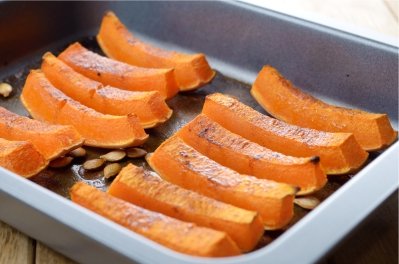 Preheat the oven to 400°F. Drizzle olive oil in the bottom of a shallow baking dish.
For the filling: Cut squash into 8 pieces. Remove the seeds, and place the squash, skin-side down, in the baking dish. Bake for about 45 minutes, or until fork tender. Remove from oven and allow to cool enough to handle. Remove skins from squash. Transfer squash to a bowl, season with salt and pepper and mash. Stir in parmesan cheese; set aside.
For the ravioli:
Mound the all-purpose flour in the center of a clean work surface and form a well in the middle. In a small bowl, lightly beat the eggs together, then pour into the well. With a fork, work the flour into the eggs. Then use your hands to work the rest of the flour into mixture, just until a sticky dough is reached. Form a rounded mass for kneading. Knead together for about ten minutes, or until smooth and elastic. Wrap the dough in plastic and let it rest about 45 minutes to 1 hour.
Fill a large pot with water, add a little salt, and bring to a boil.

Fold dough in thirds and rotate 90 degrees before each pass through the pasta machine.
Divide dough into 6-8 pieces. Flatten each piece into a rectangle about a quarter inch thick. Using a pasta roller on the thickest setting (number 1), start working your dough through the roller, gradually decreasing the thickness with each pass. Ravioli dough should be almost transparent so stop on the thinest setting of your machine. Let the dough rest for a few minutes.
Lay out one sheet of pasta and put one teaspoon of filling about one inch apart. To seal the ravioli, brush around the filling with egg wash and place another pasta sheet on top and press down. Press down to make sure pasta is secured around the filling, making sure there are no air pockets. Use a crimp pastry wheel to cut the ravioli. Set aside the sealed and cut ravioli on a surface lightly dusted with flour.
Cook the ravioli in the boiling water in batches – about 10-15 ravioli at a time. The ravioli will float to the top of the water when almost cooked through. Allow to cook another minute, then remove, drain, and set aside in a warm bowl.
For the sauce:
Melt 2 tablespoons butter in a skillet over medium low heat. Add the minced garlic and let it cook until the garlic is just softened and golden brown. Remove the garlic from skillet and set aside. Add remaining 4 tablespoons of the butter to the skillet. Add about 20 sage leaves and the walnuts. Cook over low heat, stirring occasionally, until the butter has browned and the sage leaves are crisp and fragrant. Remove from heat and stir in the garlic.
To serve, place some ravioli in a shallow bowl, spoon some of the browned butter sage sauce over the top, and garnish with shaved parmesan cheese.
Nov 6, 2017


By Stephanie Simons,
Head Pharmacist,
Lindo’s Pharmacy in Devonshire
As we head into November, with Halloween candy still littering our homes, our thoughts begin to drift towards the holiday season. However, November is also Diabetes Awareness Month and includes Universal Children’s Day, on November 20. As such, I thought this would be a good time for us to discuss diabetes in children.
Diabetes is a very serious problem in Bermuda, particularly among young people. The island has a diabetes rate of 14 per cent – nearly double global average – and spends more on healthcare per person than any other country in the region, with much of this going towards treating complications of diabetes. Type 2 Diabetes is particularly prevalent, and this form of diabetes is largely avoidable, with proper lifestyle and nutrition.
Taking control of your diet is a fundamental part of managing your health. Children who have diabetes do not need to be on strict diets but do need to pay close attention to what they eat and when. This will enable them – and you – to monitor their sugar levels and it is best to start this self-awareness early on.
Children have different diet requirements to adults, regardless of whether or not they have diabetes, and require plenty of fuel to keep them going throughout the day. While snacks for adults are often discouraged, they can allow children to restore their energy, self-manage their blood glucose levels and keep them going until their next meal. When providing snacks, it is best to include a variety of food groups, such as bread, dairy, fruit and vegetables.
When packing school lunches, it is important to ensure that your children are getting enough fresh fruit and vegetables, protein and wholegrain fibres. These will help your child sustain themselves while making sure they are getting the vital nutrients to keep them healthy. The Bermuda Diabetes Association has a helpful guide to packing lunchboxes for diabetic children here.
As mentioned earlier, many of us still have Halloween candy in our homes. For children, or even the young-at-heart, this can be a trying time, but there are ways in which we can reduce temptation. The easiest way to do this is to ensure that an abundance of candy isn’t kept in the home. It is much easier to avoid reaching for unhealthy snacks if they’re not within reach at all. Excess candy could be donated to a local care home or taken to church for refreshments. Children can even be incentivised in this by being offered an alternate gift in exchange for the sweets. This is not to say that you cannot have any treats at all: in fact, small candies can be used as a source of sugar for diabetics in case of lows.
The diabetes epidemic in Bermuda is an issue of great importance to Lindo’s and we are proud that our annual Lindo’s to Lindo’s event this year raised $25,860 for the Bermuda Diabetes Association. Lindo’s stores stock a number of healthy and sugar-free foods which are diabetes friendly and delicious. Our pharmacies supply blood glucose metres, testing strips and other testing supplies as well as glucose tablets – which can be used when blood sugars drop too low. If you have any questions about diabetes, please ask a pharmacist.
To find out more useful information about diabetes, the treatment and the prevention of it, please visit the Bermuda Diabetes Association website: http://www.diabetes.bm.
Stephanie Simons is the head pharmacist at Lindo’s Pharmacy in Devonshire. She earned her Bachelor of Science in Pharmacy at Massachusetts College of Pharmacy and has been practicing for over 20 years. She is a registered pharmacist with the Bermuda Pharmacy Council and is a member of the Bermuda Pharmaceutical Association.
Oct 10, 2017
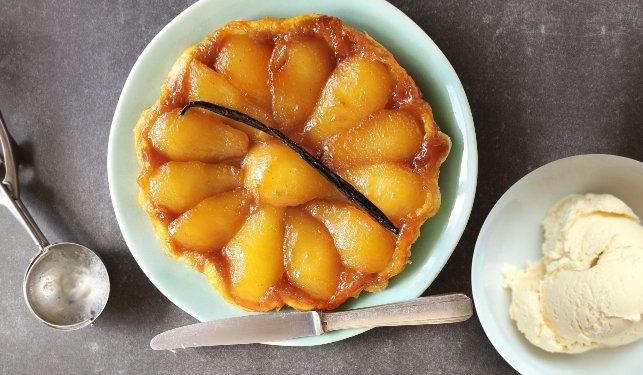
Pear Tarte Tatin is an easy to make dessert, ready to serve in about an hour.
Sweet, juicy pears are caramelized in butter and sugar, and then topped with puff pastry and baked until golden and crisp.
NOTE: It’s always best to choose fruit and vegetables when they’re in season – it’s fresher, has a higher nutritional value, and simply tastes better! Bosc, and other varieties of pear, are coming into season and can now be found in produce aisles. Bosc pears have a firm, dense flesh so they are ideal for use in baking, broiling or poaching.
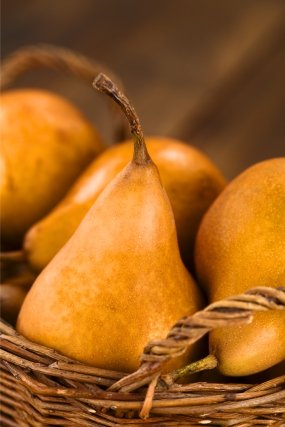
Bosc pears are available in the fall through the early spring.
Ingredients
- 2 tablespoons water
- 3/4 cup granulated white sugar, divided
- 4 large pears, peeled, cored, quartered
- 1 tablespoon fresh lemon juice
- 1 tablespoon melted butter
- 1 teaspoon pure vanilla extract
- 1 sheet frozen butter puff pastry, just thawed
Directions
1. Add water and 1/2 cup sugar to an oven-proof non-stick skillet. Cook over medium heat, stirring consttntly, until sugar dissolves. Reduce heat and simmer for 6-7 minutes, or until mixture becomes syrupy and light brown in colour. Remove from heat.
2. In a large bowl, combine pears, lemon juice, butter, remaining 1/4 cup of sugar, and vanilla extract. Place the pears, cut side up, in the skillet. Cover, and cook over medium heat until pear just starts to soften; about 6-7 minutes. Remove from heat and set aside to cool completely.
3. Preheat oven to 400°F.
4. Place the pastry sheet over the skillet. With a sharp knife, or kitche scissors, cut the pastry about 1-inch larger than the skillet (around the circumference). Tuck the excess pastry around the pears and the top of the skillet. Bake for 30 minutes or until pastry is crisp and golden. Remove from oven and allow to cool for 10 minutes.
5. Turn the cooled tart onto a serving plate. Serve with a scoop of vanilla ice cream.
Oct 10, 2017
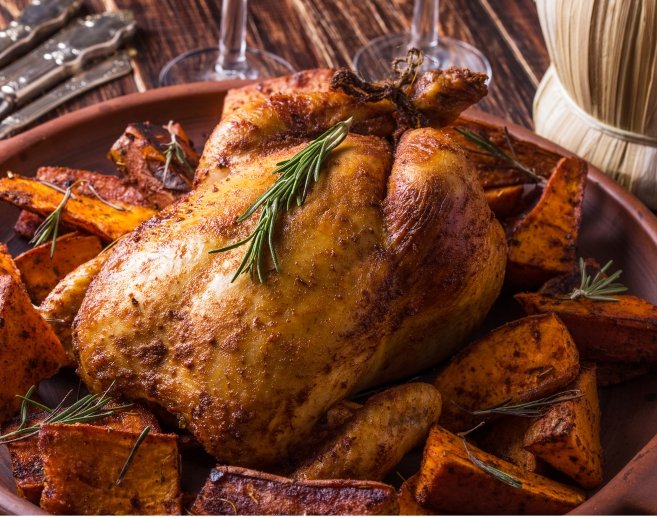
Rubbed with a combination of smoky and spicy seasonings, and then slow roasted to perfection, this chicken is moist and flavourful. The addition of sweet potatoes adds just the right amount of sweetness to this dish. Seconds anyone?
Prep Time:15-20 min • Cook Time: 3½-4 hours • Makes: 4 servings
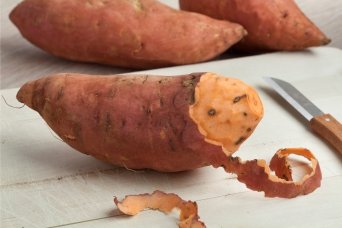
Orange-fleshed sweet potatoes are an excellent source of beta-carotene and vitamin A.
Ingredients
FOR THE CHICKEN
- 1 teaspoon smoked paprika
- 1/2 teaspoon paprika
- 1/2 teaspoon onion powder
- 1/4 teaspoon garlic powder
- 1/4 teaspoon cayenne pepper
- 1/4 teaspoon cumin
- 1/4 teaspoon fresh thyme, finely chopped
- 1 teaspoon salt
- 2 teaspoons olive oil
- 4 lb. whole chicken
- 1/2 yellow onion
- 1/2 lemon
- 1 sprig of fresh thyme
- 2 sprigs of fresh rosemary
FOR THE SWEET POTATOES
- 3 large sweet potatoes, cut into large chunks
- 1 tablespoon dark brown sugar
- 1 1/2 teaspoons smoked paprika
- 1/2 teaspoon ground black pepper
- 1 teaspoon seasoning salt
- 1/8 teaspoon garlic powder
- 1 1/2 tablespoons olive oil
Directions
- Preheat oven to 300°F.
- In a small bowl, combine the seasonings – smoked paprika, paprika, onion powder, garlic powder, cayenne pepper, cumin, thyme, and salt.
- Brush the chicken with olive oil and then rub the entire chicken with spice mixture making sure to season under the skin as well.
- Stuff the chicken with the onion, lemon, and sprig of thyme. Place the chicken on a rack placed in a roasting pan.
- In a separate bowl, mix together dark brown sugar, smoked paprika, black pepper, garlic powder, and salt. Place sweet potatoes in a large bowl. Add oilve oil and stir until poatoes are coated. Add brown sugar seasoning, and stir to coat well. Add potatoes to roasting pan with chicken. Sprinkle chicken and potatoes with pieces of fresh rosemary.
- Bake for 3 1/2 – 4 hours, until the juices run clear and a thermometer inserted into the thickest part of the thigh reaches between 165°F and 170°F.
Oct 10, 2017

By Stephanie Simons,
Head Pharmacist,
Lindo’s Pharmacy in Devonshire
We all know that it is important to eat a healthy, balanced diet which delivers all the vitamins and nutrients that we need to function properly. However, many people don’t stop to consider how their nutritional requirements change as they get older. As October 1st was the International Day of Older Persons, I thought this would be a good time to take stock of what you can do to ensure that you or your loved ones who are over the age of 70 are getting the nutrition needed.
As you get older, your metabolism slows down, so you need less calories than before. Our lifestyles also change, which impacts the calories we consume. This is when portion control is critical, as is learning to stop eating once you are no longer hungry. For instance, someone who worked out every day and gradually decreases the frequency of their exercise, must take care to reduce the amount they eat accordingly.
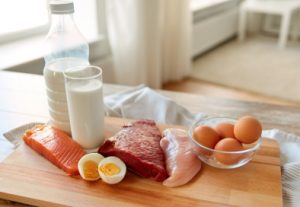
The best sources of Vitamin B12 include: eggs, milk, cheese, milk products, meat, fish, shellfish and poultry.
Nutritionally, we also need to increase our intake of certain nutrients, such as calcium and vitamin B12. It is estimated that between 10 and 15 percent of seniors have a B12 deficiency, which is significant because it is vital to the body’s metabolic process and a key ingredient for the function of the immune and nervous systems, as well as producing red blood cells. A lack of B12 in your diet can increase the chances of heart disease, certain cancers, anaemia and eyesight deterioration. Eggs, dairy, meat and seafood all contain substantial stores of B12.
The International Osteoporosis Foundation recommends that women over the age of 51 (post-menopause) and men over 70 should aim to consume 1200mg of calcium a day. Calcium is the bedrock of our bones and a deficiency can result in loss of bone mass or osteoporosis. Again, dairy is a reliable source of calcium, but many green vegetables, such as broccoli, kale and bok choi are also an option.
Conversely, it is wise to reduce the amount of sodium that we eat as we get older, as it can contribute to raised blood pressure and heart disease. Adding salt to your meal is okay in moderation; the greater danger is salt in prepared or processed foods that are bought rather than made at home.
There are many factors that can affect our appetites and enjoyment of food as we get older, including: diminished taste and smell. A good mix of food and variety can help to combat this: ensuring that your plate is a range of colours is a good indicator that it is balanced and will be visually appealing. Spices can be used liberally to maximise flavour, without adding additional sodium.
 Those who are concerned that they might not be getting all the nutrients they need from their food should invest in supplements. There are a number of multivitamins which are specially formulated for seniors available to buy at Lindo’s, such as One-A-Day 50+ Vitamins, Centrum Silver and Nature’s Truth ABC Complete 50+ Multivitamin. These multivitamins also come in male or female varieties, to ensure that you’re getting everything you need. If you have specific age-related health concerns, please consult a pharmacist who can advise you.
Bermuda has a large population of older people, with 50 per cent of the population being over the age of 43 – among the highest in the world, beating the United States and the United Kingdom. We are fortunate that so many of our seniors lead such active and rich lives, but we can all help our seniors by ensuring that we give our bodies the tools they need to work at their best all through our lives.
Stephanie Simons is the head pharmacist at Lindo’s Pharmacy in Devonshire. She earned her Bachelor of Science in Pharmacy at Massachusetts College of Pharmacy and has been practicing for over 20 years. She is a registered pharmacist with the Bermuda Pharmacy Council and is a member of the Bermuda Pharmaceutical Association.