“Learn from yesterday, live for today, hope for tomorrow.”
ALBERT EINSTEIN
The past year has been challenging for many of us, and New Year’s Eve is a time to reflect and look back on all we’ve achieved and overcome, and look forward to a new year with renewed hope and optimism.
The Lindo’s family wish to thank all our customers for their continuing patronage and support, and our employees for facing all the challenges of the past year with courage and dedication. Your confidence turned them into success and we thank you for your tireless commitment in helping to provide for our community.
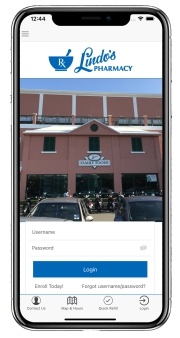
At Lindo’s Pharmacy, your time and health is important to us! We make it convenient for you to access your prescriptions while on the go and here’s how:
By Stephanie Simons, Head Pharmacist, Lindo’s Pharmacy in Devonshire
Asthma is a well-known condition, yet there are still many of us who know very little about it. As this strange year comes to an end and the cold weather draws in, it’s important to get know asthma a bit better and how we can help people to manage it.
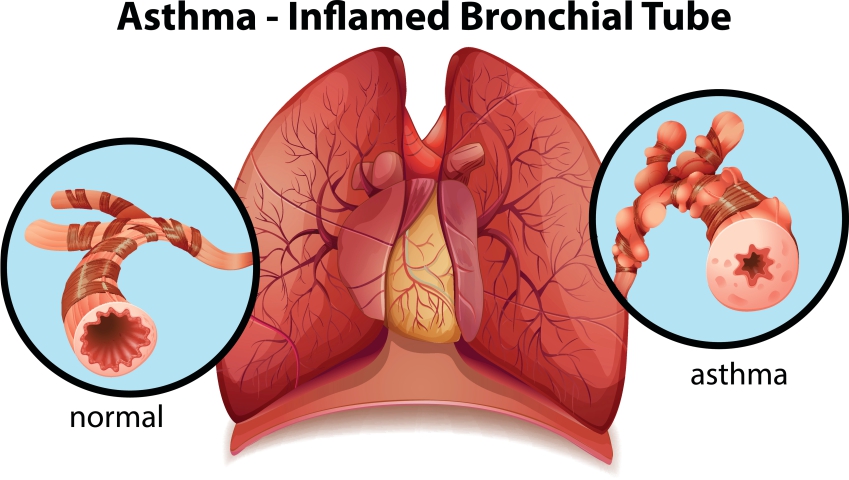
A lifelong condition in most cases, asthma causes the airways to react to certain triggers, such as pollution or weather. The muscles surrounding the airways tighten, the lining swells and sticky phlegm can build up – all of which cause the airways to narrow. Common symptoms include coughing, wheezing and breathlessness.
Severe asthma attacks prevent enough oxygen reaching the lungs, and three people die from this every day. However, research shows two thirds of these deaths could be avoided and, with the right treatment, most asthmatics can manage their symptoms and live full lives.
Everyone with asthma is different and requires tailored care to manage their symptoms. Most commonly, asthmatics use inhalers which get medicine directly into their airways so it can work as fast as possible. Patients are usually prescribed two inhalers: a preventative inhaler which is taken regularly to stop symptoms before they begin, and a reliever inhaler which is used if and when symptoms occur.
Another key part of treatment involves avoiding, or else managing, triggers – the circumstances which cause the airways to react. Again, triggers are unique to each asthmatic and can vary from allergies like pollen, to thunderstorms. Winter, however, sees the return of a very common trigger – cold weather.
When we breathe in cold air, especially on leaving a warm environment, it can cause the airways to spasm. While unpleasant for all, this can trigger severe symptoms and difficulty breathing in asthmatics. Experts recommend wearing a scarf over your nose and mouth for a few minutes before leaving the house, which lessens the shock of the cold air. Breathing through the nose instead of the mouth can also warm the air before it reaches the airways.
This year, of course, there is the added risk of Covid-19. Those with any underlying health condition are at greater risk of falling seriously ill from the virus, especially if they are older and/or have a weakened immune system. As a respiratory infection, Covid-19 is particularly dangerous for those with asthma, whose airways are already compromised.
That said, by following the expert guidance, you can give yourself the best chance of staying safe and well. Wash your hands regularly, stay at least two metres apart from those outside your household, and wear a mask in indoor public spaces like supermarkets. Asthmatics should be able to wear masks without difficulty, as oxygen supply isn’t compromised, but if you’re concerned about wearing one, do discuss this with a healthcare professional like your GP.
Your pharmacist is also great resource for navigating these strange times. There’s no need for an appointment and we’re open at times when you often can’t access your GP. If you or a loved one has asthma, we can help get you through the winter by discussing your medications, addressing any side effects, and/or answering any questions you may have. We can also assist with inhaler technique to make sure your medications have the best possible impact. These are difficult times for us all, but with the right guidance and treatment, there’s no reason asthmatics should struggle through the winter months. Emergency services are still operating as usual and, if you are experiencing unusual or distressing symptoms, do contact your GP or pharmacist as soon as possible.
Stephanie Simons is the head pharmacist at Lindo’s Pharmacy in Devonshire. She earned her Bachelor of Science in Pharmacy at Massachusetts College of Pharmacy and has been practicing for over 20 years. She is a registered pharmacist with the Bermuda Pharmacy Council and is a member of the Bermuda Pharmaceutical Association.
By Stephanie Simons, Head Pharmacist, Lindo’s Pharmacy in Devonshire
While we’re all on the lookout for symptoms of coronavirus, other health issues can still arise. October is Breast Cancer Awareness Month and it’s important to take the time to learn about this life-threatening disease, no matter what else is going on. After all, the earlier it’s diagnosed, the better chance of survival.
Approximately 1 in 8 women will be diagnosed with breast cancer in their lifetime. Between 5 and 10% of these cancers are genetically determined, while lifestyle factors like smoking, alcohol and diet can also play a role. Though men get breast cancer too, women are much more likely to do so, especially as they get older.
When caught early, breast cancer is easily treated and very often cured. It’s therefore critical that women check their breasts regularly. Get to know what is normal for you – every woman’s breasts are different sizes, shapes and consistency – and then do regular checks for any changes.
It is quick and easy to check your breasts at home. Start by looking at your breasts in a mirror, first with your arms by your sides, then with them raised above your head. Next, feel each breast and armpit all the way to the collarbone, applying a firm pressure.
A lump, thickening or bumpy area is the most well-known sign. However, you also need to look for changes in the size, shape or feel of the breast, and check the nipple for discharge, bleeding, rashes or other skin changes. If ANY of these symptoms appear, and/or if you experience a new, ongoing pain in one or both breasts, it’s important to raise this with your GP as soon as possible.
While symptoms are not always visible, mammograms (x-rays of the breast) can detect tumours long before they become apparent. That’s why women undergo breast cancer screening. You are encouraged to start screening from the age of 40, and from 45 women should have a mammogram every year. If you missed your appointment due to lockdown or the consequent reduction in services, don’t panic – simply contact your GP to discuss your next screening.
So, what happens if you are diagnosed? A cancer diagnosis is frightening at any point, let alone in the midst of a pandemic, but rest assured treatments are still going ahead. Cancer is always treated urgently and your healthcare team will assess the risks posed by coronavirus against your treatment needs.
As with all urgent care, health services are working tirelessly to deliver the treatment needed while keeping patients and staff as safe as possible. Strict infection control measures are in place, and many services are reducing the number of hospital visits and/or the time patients spend within the hospital building. Many cancer treatments like chemotherapy can severely weaken the immune system, and changes are being made to keep such patients away from high-risk facilities like large hospitals.
It’s also critical that you can access support. If your immune system is compromised due to breast cancer treatment, it’s important to limit your close contact to the one or two people you need most like your parent or partner. Those helping you should also keep their social interaction to a minimum. Avoid crowded areas and public transport, wear your mask and follow your healthcare team’s advice.
From screening information to supporting a loved one through breast cancer, your local pharmacy is here to help – remotely or in person. We can provide lifestyle support to lower your risk (such as Nicorette gum, patches or lozenges, or Nicotinell patches) to help you to quit smoking , as well as simple remedies for the side effects of cancer treatment (mild, unscented soaps like Dr. Bronner’s or Nesti Dante unscented bar soaps can soothe skin irritated from chemotherapy and feel very luxurious too!). Most of all, we can listen and answer any questions. Awareness could save your life.
Stephanie Simons is the head pharmacist at Lindo’s Pharmacy in Devonshire. She earned her Bachelor of Science in Pharmacy at Massachusetts College of Pharmacy and has been practicing for over 20 years. She is a registered pharmacist with the Bermuda Pharmacy Council and is a member of the Bermuda Pharmaceutical Association.
Grilled pork chops with a lemon, garlic and basil sauce.
Makes: 4 servings
Ingredients
4 thick-cut pork loin chops
2 tablespoons olive oil
1 cup fresh basil leaves, minced
3 tablespoons minced garlic
3 tablespoons lemon juice
1 teaspoon salt
1/2 teaspoon pepper
Recommended Pork Cooking Temperatures
Directions
Add olive oil, basil, garlic, lemon juice, salt, and pepper to a bowl and mix well.
Pour lemon basil mixture into a sealable plastic bag. Add pork chops. Make sure pork chops are coated well with the lemon basil mixture and refrigerate for 20 minutes.
Grill chops over direct heat for about 5-6 minutes per side or until internal temperature reaches at least 145-150°F).
Remove from heat and let rest for 3-5 minutes before serving.