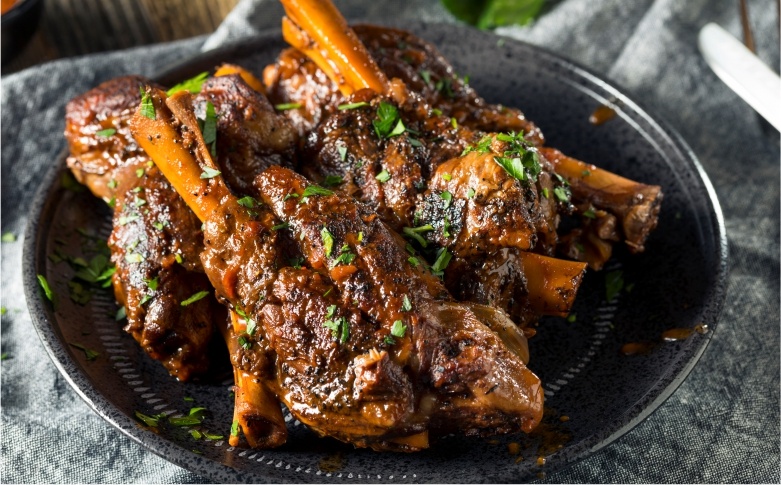
These lamb shanks are marinated, then slow-cooked in a delicious herb and wine sauce. The result is tender, fall off the bone meat. Serve over mashed potatoes or creamy polenta.
Makes: 4 Servings
Lamb shanks are an inexpensive cut of meat that is lean on fat but big on flavor. Lamb shanks are perfect for braising in a slow, simmering broth.
Ingredients:
For the Marinade: 1/4 cup olive oil 5 cloves garlic, peeled and smashed lightly 3/4 teaspoon salt 1/8 teaspoon pepper 1/2 cup finely chopped onion 1/4 cup finely chopped carrot 1/4 cup finely chopped celery 1/2 teaspoon red pepper flakes 5 sprigs of fresh thyme 1 bay leaf 4 whole cloves
For the Meat: 4 lamb shanks 2 cups beef or vegetable stock 1 cup red wine 1 tbsp. butter, cold
Directions:
In a small bowl, combine all the marinade ingredients. Pour marinade into a sealable bag with the lamb shanks. Massage the marinade around the lamb shanks to coat. Refrigerate overnight.
Preheat the oven to 300⁰F.
Place the lamb shanks and all the herbs from the marinade in a roasting pan or Dutch Oven. Pour the stock and the wine over the shanks. Cover the pan with lid or aluminum foil, and cook for about 2 ½ hours, or until the meat is tender when pierced with a fork.
Transfer the lamb shanks to a serving platter.
Strain the liquid from the roasting pan; discarding anything left in the strainer. Transfer the strained sauce to a saucepan, and bring to a simmer. Skim the fat from the top, and continue to cook; reducing the sauce by half. Remove from heat, whisk in the cold butter, and serve the wine and herb sauce over the lamb shanks.
By Stephanie Simons, Head Pharmacist, Lindo’s Pharmacy in Devonshire
After more than a year, we are finally starting to see the light at the end of the tunnel. Covid vaccinations are making their way through the population and, with them, some much needed hope for the future. However, though things are certainly improving, it’s clear there will be no snap back to ‘normal’, especially for those most impacted by the pandemic.
Almost 30 million US citizens have contracted Covid-19 in the past year. Fortunately, the majority have not died from the virus, but many still have to adapt to the lasting symptoms that continue to affect their daily lives.
Long Covid refers to the plight of those with ongoing Covid symptoms. It’s estimated that one in ten still experience symptoms for at least twelve weeks after testing positive, and some for a long while more. Common symptoms include extreme tiredness and fatigue, an inability to concentrate (or ‘brain fog’), a loss of taste, smell, and/or appetite, and mental health issues like anxiety and depression. Others may also experience muscle aches, chest pains, or insomnia.
There is no specific treatment for long Covid, but there are things you can do to help while you wait for the symptoms to pass. Above all, be patient and don’t push yourself into activities you’re not ready for. Short, regular rests will be more effective than sleeping for fewer, longer periods, and you can arrange your schedule around the parts of the day when your energy levels are best. It’s important to keep moving if and when you can, as this will help your muscles rebuild and release endorphins that improve your mood.
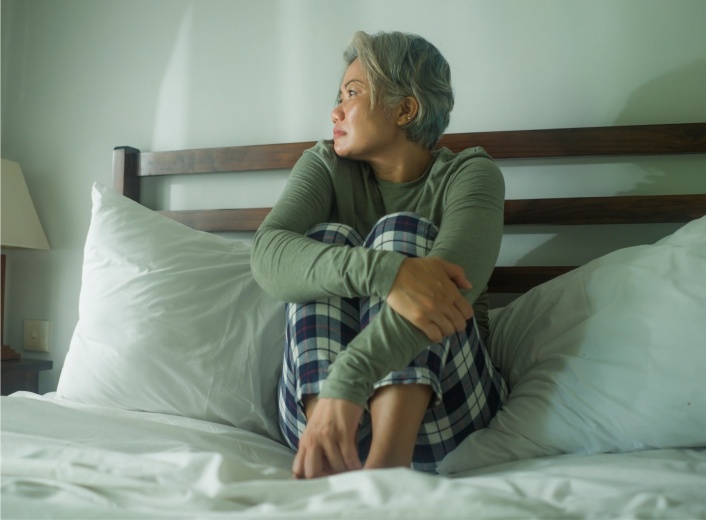
Also ongoing is the mental health crisis the coronavirus has unleashed across the globe. Even for those who’ve never caught Covid, it has been a time of tremendous stress, anxiety, fear, and loneliness. Vaccinations may lessen the worry, seeing family again may ease feelings of isolation – but the overall mental impact could last far longer than the pandemic itself.
This is particularly true of those who have lost a loved one during this time. More than 500,000 people have died from Covid-19 in the US alone, leaving behind grieving families, friends, colleagues and neighbours. There are very few of us who haven’t been bereaved in some way over the past year and research suggests grief has been suffered more intensely than ever before.
Bereavement can unleash powerful emotions, from anger and sadness to guilt and exhaustion. Due to Covid restrictions, families have often been separated from their loved ones for some time before their deaths, unable to say goodbye or hold funerals to mark the loss. Many have also had to face their grief alone, unable to access the invaluable support of friends and relatives.
Everyone experiences grief differently, yet we can all benefit from taking care of ourselves, even when we don’t feel like it. Eating and sleeping well will give you more energy and improve your mood. Try a sleep aid like Sleep-Eeze, Unisom or ZzzQuil or Melatonin to help to reset your body clock or a multivitamin like Centrum, One-A-Day or Topcare Multivitamins for Adults to help you on your way and accept that some days you will just need to cry and remember the person you’ve lost. It’s all completely normal and part of the process.
Whatever we’re dealing with, it’s important that we all stay connected. Human interaction plays a vital role in our health, so it’s vital that we check in on people, offer support and likewise ask for help when we need it. Your local pharmacy and community health teams are also here to support you, no matter what stage of the pandemic. We can help with everything from the best painkillers to specialist grief counselling – or even just offer a listening ear. If you or a loved one are struggling to cope with physical or mental symptoms, contact your GP as soon as possible.
Stephanie Simons is the head pharmacist at Lindo’s Pharmacy in Devonshire. She earned her Bachelor of Science in Pharmacy at Massachusetts College of Pharmacy and has been practicing for over 20 years. She is a registered pharmacist with the Bermuda Pharmacy Council and is a member of the Bermuda Pharmaceutical Association.
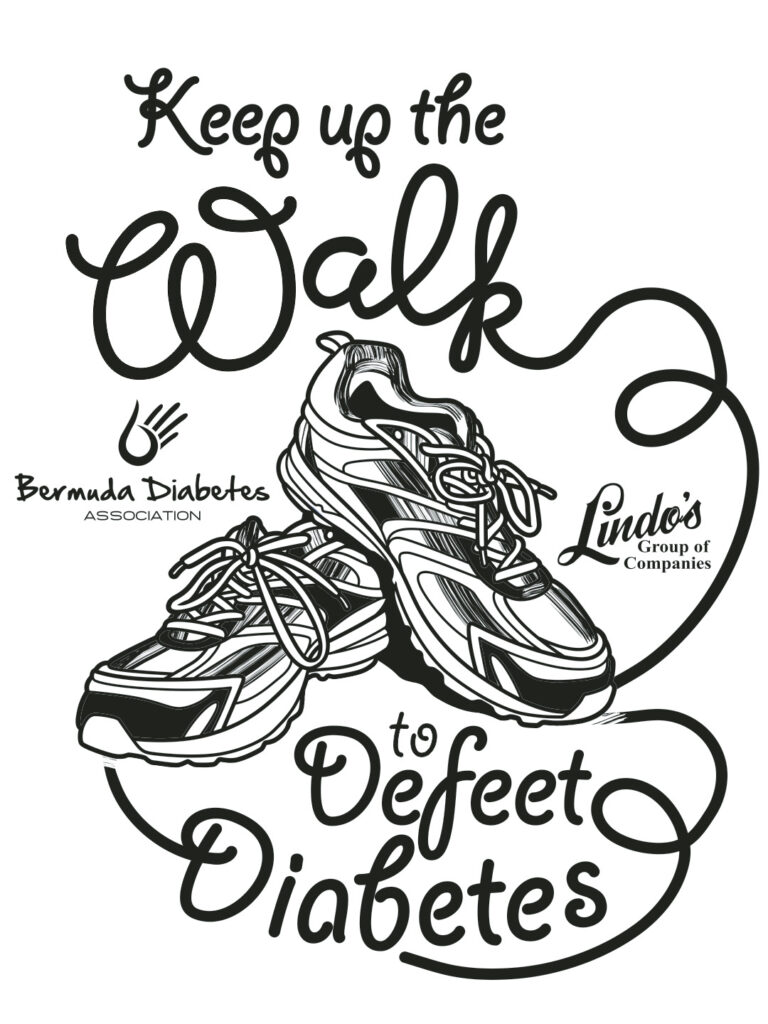
The Bermuda Diabetes Association is planning a ‘virtual’ walk event where you can Walk, Run or Jog, in your own time over the weekend of March 19, starting on Friday, March 19, and finishing at midnight March 21.
The planned route starts from St Georges square, walking/running past Gates Fort, the new St Regis Hotel, passing Tobacco Bay, and returning to the square via the golf course and the Unfinished Church.
Take selfies at each point, which include the following landmarks, and post to our event Facebook page here:
Gates Fort
Virginia settlers plaque shipwrecked on the Sea Venture
Tobacco Bay
The golf course
The Unfinished church
The Diabetes Centre would love for you to support our local economy. We are very thankful to have some of the restaurants and stores in St. Georges come on board with us to make the walk weekend an even better event.
Before or after the race, you can go for a bite to eat at Wahoo’s Bar and Grill. If you show your race bib on arrival, you will be entered in for a chance to win a $100 gift certificate to the restaurant.
You can also stop by The Wharf Restaurant & Bar and receive 10% off your lunch or dinner bill. Please show your digital bib on arrival.
After this, please walk around St. Georges and go for a bit of shopping! Bermuda Linens and 1612 Provisions have offered 10% off your shopping order all weekend if you show your race bib.
In honor of World Water Day, BUEI is hosting an open house to educate and celebrate the importance of water to Bermuda’s past, present, and future prosperity.
Through a complimentary 90-minute guided experience, filled with engaging presentations and fun hands-on activities, the public will have the opportunity to explore the different ways water benefits our lives, both onshore and off.
Guided complimentary experiences begin every 30 minutes. Maximum 12 persons per tour.
Advance booking is required. Visit www.BUEI.bm or call 292-7219 to reserve your space!
#Water2me
BUEI is a SafeTravels Facility and all COVID-19 protocols will be followed.
By Stephanie Simons, Head Pharmacist, Lindo’s Pharmacy in Devonshire
Feeling overly tired? Or a bit short of breath? These symptoms can affect us all at some point or another, and there are many reasons why. A common culprit, however, is anaemia.
Anaemia occurs when there’s a reduction in red blood cells circulating in the body. This prevents organs from getting enough oxygen to function correctly, causing fatigue, shortness of breath and often other symptoms too like pale skin, tinnitus, headaches and hair loss.
At least 6% of the US population has some form of anaemia. While women, young children, and people with long-term diseases are more likely to have the condition, it can affect anyone. The good news is, anaemia can be detected by a simple blood test and, in most cases, easily treated.
The most common form of anaemia is caused by iron deficiency. Iron is needed by your bone marrow to make haemoglobin, the part of the red blood cell that takes oxygen to your organs. This can be tackled with supplements like Ferrograd, Spatone, Floradix or Ferrous Fumarate or stronger doses prescribed by your GP. But first of all, we must identify the cause behind the deficiency.
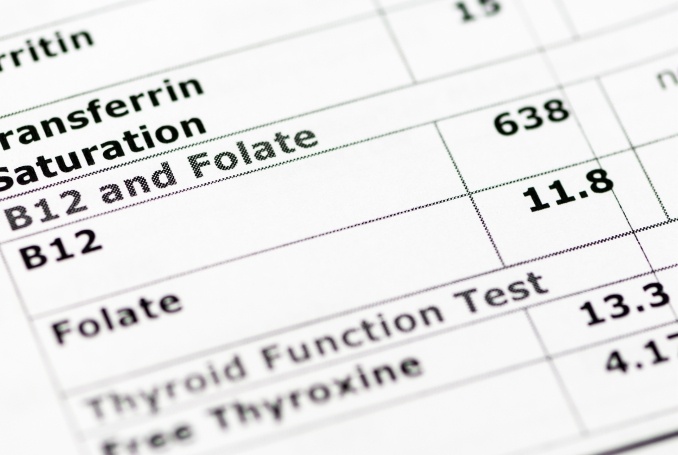
This can be as simple as your diet. Most people get a steady supply of iron from the food they eat, but many miss out on its key sources. Vegetarians and vegans don’t receive the high doses found in meat, but it’s easy to pack in plant-based sources like pulses, leafy vegetables and fortified breads and cereals. Those who avoid meat may also not ingest enough Vitamin B12, which is essential for building red blood cells. B12 is often added to plant milks like almond, oat or soya, or can be taken as a supplement like Vit. B-12 by Nature’s Bounty or Nature Made. The strengths available range from 250mcg to 2500mcg.
Blood loss can also cause anaemia if the number of red blood cells lost exceeds the amount being produced. Women who experience heavy and/or overly frequent periods often suffer from anaemia due to this depletion in the body’s red blood cells. Anaemia can also indicate gastrointestinal conditions such as ulcers, haemorrhoids, gastritis or cancer which cause internal bleeding, which is why it’s always important to flag symptoms to your GP.
Pregnant women often experience anaemia too, as both mother and baby need higher levels of iron than is usually ingested. While mild anaemia is normal during pregnancy, more severe cases can increase the risk of pre-term delivery, a low birth weight, and blood loss during labour, making it more difficult to fight infection. Expectant mothers should look to increase the iron in their diets and discuss any symptoms with their GPs, who will test for and treat anaemia throughout the pregnancy.
Folic acid (Vitamin B9) plays a key role in red blood cell production, and GPs often prescribe this to pregnant women or suggest a lighter dose made by Nature’s Bounty or Nature Made. A diet rich in leafy vegetables, citrus fruits, beans, and whole grains will also boost your folic acid intake. These are tiring times for us all and a little fatigue is nothing to be alarmed about. But if you are at all concerned that you or a family member may be anaemic, speak to your GP as soon as possible. Pharmacists too are always happy to advise and discuss any possible supplements. Most cases of anaemia are easy to diagnose and to treat as long as we keep an eye out for the signs.
Stephanie Simons is the head pharmacist at Lindo’s Pharmacy in Devonshire. She earned her Bachelor of Science in Pharmacy at Massachusetts College of Pharmacy and has been practicing for over 20 years. She is a registered pharmacist with the Bermuda Pharmacy Council and is a member of the Bermuda Pharmaceutical Association.