By Stephanie Simons, Head Pharmacist, Lindo’s Pharmacy in Devonshire
Feeling a little heavier lately? With the disruption to exercise and eating routines brought on by the pandemic, even the leanest among us have seen the pounds pile on. This is nothing to be ashamed of – after all, your body has survived a world health crisis! But while a little weight gain is nothing to worry about, obesity can put you at risk of serious health complications.
More than a third of adults and a sixth of children in the US are classified as obese, increasing their risk of at least 60 chronic diseases including Type 2 diabetes, heart disease, stroke and cancer, as well as poor mental health. It is also thought that the overweight or obese are at much greater risk of death when infected with Covid-19.
The pandemic changed everything, including our daily habits to manage our health. However, research suggests just a 5-10% reduction in your body weight can improve blood pressure, blood cholesterol and blood sugars, thus reducing your risk of numerous serious conditions. There are several simple lifestyle changes that can make a big difference.
Nutrition
During lockdown, many of us were eating more food and using less energy, causing our weight to increase. Adjusting your diet, however, can reap significant rewards. Instead of turning to unsustainable fasts or celebrity diets, look to incorporate nutritious, home-cooked meals into your everyday menu.
Proteins like chickpeas or fish, wholegrains like oats or brown rice, and a wide range of fruit and vegetables, will improve your health right from day one. You can even add a multivitamin like Centrum, Alive or Nature’s Truth ABC formulas or a protein powder like Pure Protein, Sun Warrior, Lean Body or Vital Protein to make your meals work harder for you.
Too busy to cook? Plan your meals ahead and cook big batches once or twice a week to have handy when you need. There’s no need to give up snacks either – try nuts, dates or crudités.
Exercise
Whether you prefer Pilates, the gym, or a quick dip in the pool, lockdown knocked our established routines out of whack. Many of us have struggled since then to regain our motivation. The key is not to strain yourself to resurrect your old habits, but instead create new ones that fit with your current lifestyle.
Online videos and classes are a great way to get back in the swing. Diverse, flexible and lower priced (or, indeed, free) this is exercise you can tailor to your preferences and your schedule. For those keen to get back to the gym, mark out small sessions of time, increasing only when you feel ready. Start with once or twice a week and build from there – you’re much more likely to keep it up – Vitamin B supplements like Nature’s Bounty or Nature’s Truth B-Complex will help you feel energised.
And enjoy the sunshine! A family hike or a trip to the beach is enough to get the juices flowing and help you feel more active again. Just don’t forget the sunscreen (try Blue Lizard or Neutrogena sunscreens!)
Support
Diet, exercise and mental health are intrinsically linked. Many of us are still recovering from the mental strain of the past year and this can make it difficult to address physical health concerns.
It can therefore be helpful to talk to others dealing with similar experiences who can support you to improve your mood and wellbeing. This might be your partner, your family and friends, or even a local group. A cooking class could inspire you to more adventurous cooking, or a sports team could give you the boost you need to get moving. You can always talk to your GP or pharmacist too if you need to discuss any health concern.
As your mood improves, you’ll find yourself much more motivated to prepare that nutritious meal or head out to your first post-lockdown yoga class – which, in turn, will help your mental health too. The important thing is not to face things alone – you’d be surprised how many people are feeling the exact same way.
Times have changed and our bodies have changed with them. As we move through this transition, it’s important to take things slowly. If you’re concerned about your mental or physical health, do speak to your pharmacist or GP.
Stephanie Simons is the head pharmacist at Lindo’s Pharmacy in Devonshire. She earned her Bachelor of Science in Pharmacy at Massachusetts College of Pharmacy and has been practicing for over 20 years. She is a registered pharmacist with the Bermuda Pharmacy Council and is a member of the Bermuda Pharmaceutical Association.
By Stephanie Simons, Head Pharmacist, Lindo’s Pharmacy in Devonshire
I don’t know about you, but I am very much enjoying being out and about again. However, the world looks very different these days, and the past year has taught us some important lessons about safety. So what exactly do we need on hand as we venture out in the world again?
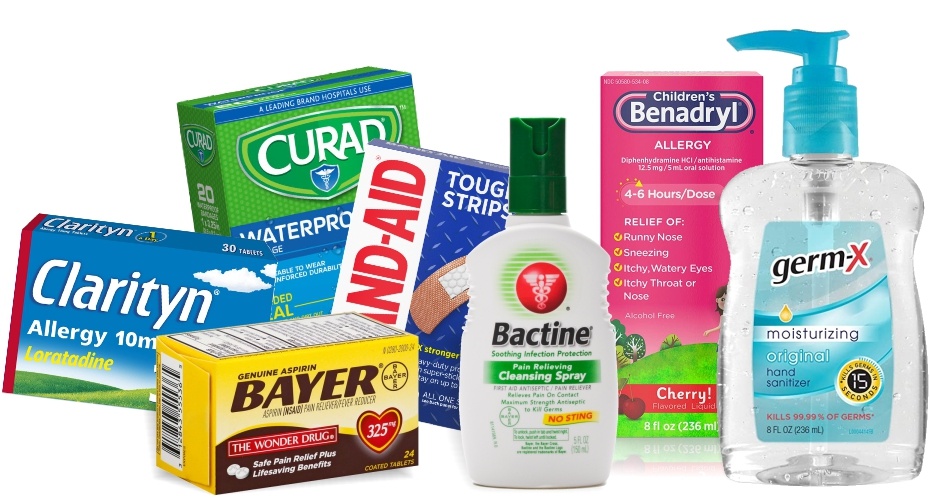
First of all – hand sanitiser. Once a rare purchase, it’s now an essential for everyday life to kill viruses and bacteria that live on surfaces and skin. Your sanitiser needs to be at least 70% alcohol to be effective – try Germ-X or Nesti Dante Hand Sanitizer. Make sure to apply it before and after time in public spaces like shops, bars or schools.
Of course, repeated sanitiser use can also cause problems for your hands, as the high alcohol content breaks down the skin barrier and leads to irritation. This is especially difficult for those with skin conditions like eczema. Opt for sanitisers that contain ingredients like aloe to soothe problematic skin – such as Eco Sanitizer – and be sure to carry a hand cream too. A moisturising cream or lotion will soothe the dryness caused by your sanitiser, particularly with frequent use. E45 Cream is a great general option or try Cerave, Eucerin or Simple if your skin is very sensitive, dry or damaged.
As those with kids – or a fondness for high heels – will know, bandages should be with you wherever you go. Carry a selection of sizes to cover everything from blisters to nasty cuts, including ones large enough to cover a knee. Most packs include a variety of sizes such as Curad, Bandaid, Nexcare or try a more petite option like Bandaid Travel pack if you’re short of room! Antiseptic wipes also help to clean the injury until you get home. A small First Aid Kit or a Ziploc bag with a few supplies is brilliant for on the go or to keep in the car.
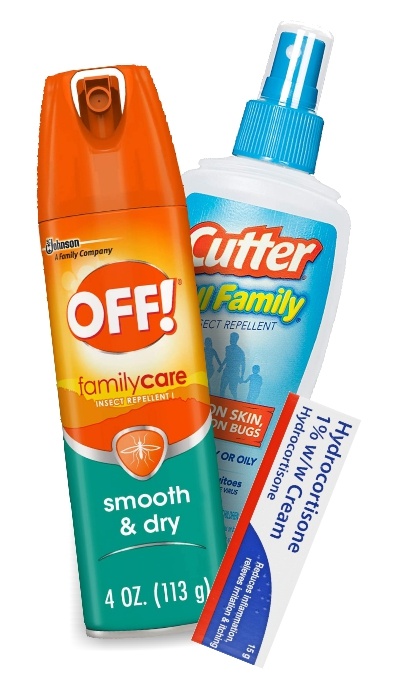
The outdoors also poses a risk of allergic reactions. Up to 30% of adults and 40% of children suffer from hay fever, so it’s always helpful to have a remedy on hand. Adults can try tablets like Clarityn, Benadryl or Piriton or sprays like Benadryl or Bactine while remedies for kids include Benadryl, Piriton or Clarityn syrup. Skin irritation is equally rife in the summer months, whether it’s from plants or those pesky mosquitoes. Apply an insect repellent like Off or Cutter throughout the day and use creams like Benadryl or hydrocortisone to help soothe itchy or irritated areas.
An oldie-but-goodie when it comes to first aid is aspirin. Not only great for headaches and pain, it can also help emergency heart issues until you can reach help. Bayer Adult 325mg or any equivalent generic is a simple, effective option. Other basics include bottled water – for anything from dehydration to cleaning a cut – and high protein snacks like granola bars keep blood sugar up and treat dizziness and/or nausea.
After the past year, it can take time to adjust to the world again. However, with a few useful remedies on hand, you’ll be ready to take on anything that comes your way. We’ve all learned how important it is to take care of ourselves – let’s put this into practice. If you have any questions or concerns, speak to your pharmacist or GP.
Stephanie Simons is the head pharmacist at Lindo’s Pharmacy in Devonshire. She earned her Bachelor of Science in Pharmacy at Massachusetts College of Pharmacy and has been practicing for over 20 years. She is a registered pharmacist with the Bermuda Pharmacy Council and is a member of the Bermuda Pharmaceutical Association.
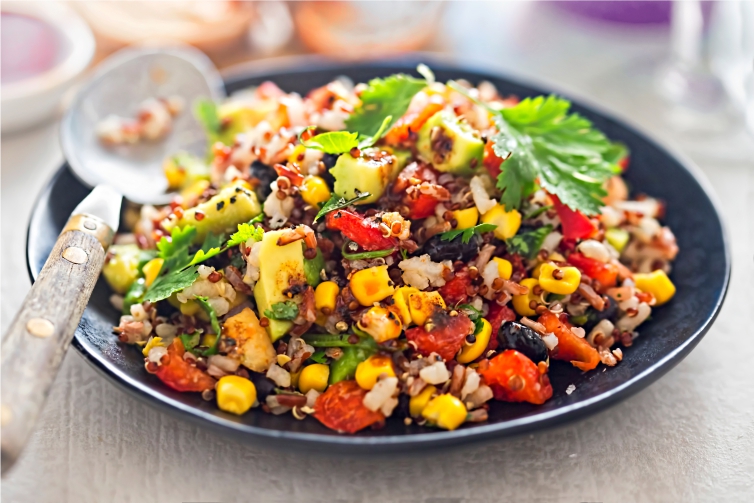
Bring something fresh and colourful to the table this summer. This Mexican Quinoa Salad is bursting with flavour and can be served as a main or side dish.
Ingredients
3 cups cooked quinoa
½ cup canned black beans, rinsed
½ cup corn
1 medium bell pepper, diced
2 small avocados, diced
1 cup tomatoes, diced
¼ medium red onion, diced
¼ cup chopped cilantro
Dressing:
1/2 cup extra-virgin olive oil
1/2 cup lime juice
1 tablespoon honey
4 cloves garlic, minced
1 teaspoon chili powder
1 teaspoon ground cumin
1 teaspoon smoked paprika
1/2 – 1 teaspoon salt
1/4 teaspoon cayenne
Directions
Prepare the dressing by mixing the olive oil, lime juice, honey, garlic, chili powder, cumin, paprika, salt, and cayenne into a mason jar, blender, or food processor. Taste, and adjust seasonings, if necessary.
Seal and shake or blend until well combined. You can use a small bowl and a whisk, or place them in a jar, cover with a lid, and shake until it emulsifies.
Place the quinoa, black beans, corn, diced tomato, peppers, onion, avocado, and cilantro into a large bowl and pour the desired amount of the dressing over the salad. Stir together gently, and serve.
By Stephanie Simons, Head Pharmacist, Lindo’s Pharmacy in Devonshire
As Bermuda heats up, many of us will be digging out our favourite summer clothes! But for those with difficult skin conditions, the idea of sundresses and shorts fills them with more dread than excitement. Many conditions tend to flare up in the sunshine and heat, causing painful texture and rashes across the body.
Eczema
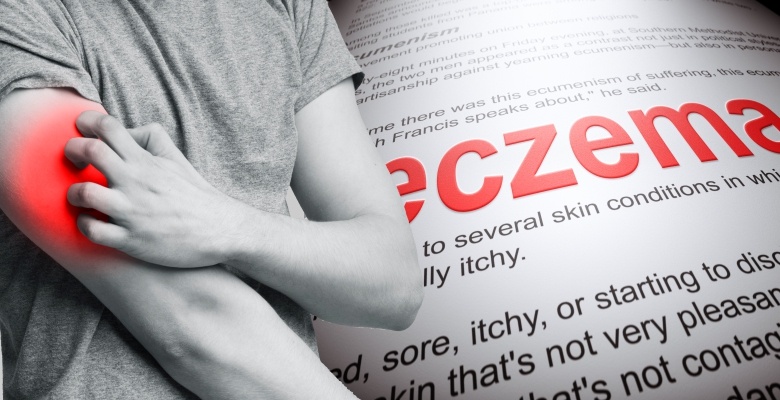
Eczema (atopic dermatitis) affects more than 18million people in the US, over half of which are children. Eczema causes the skin to become itchy, dry and cracked, and is usually a lifelong condition, although many cases lessen in severity come adulthood. As with other allergic reactions, the symptoms of atopic eczema often have certain triggers like soaps, detergents, stress and the weather.
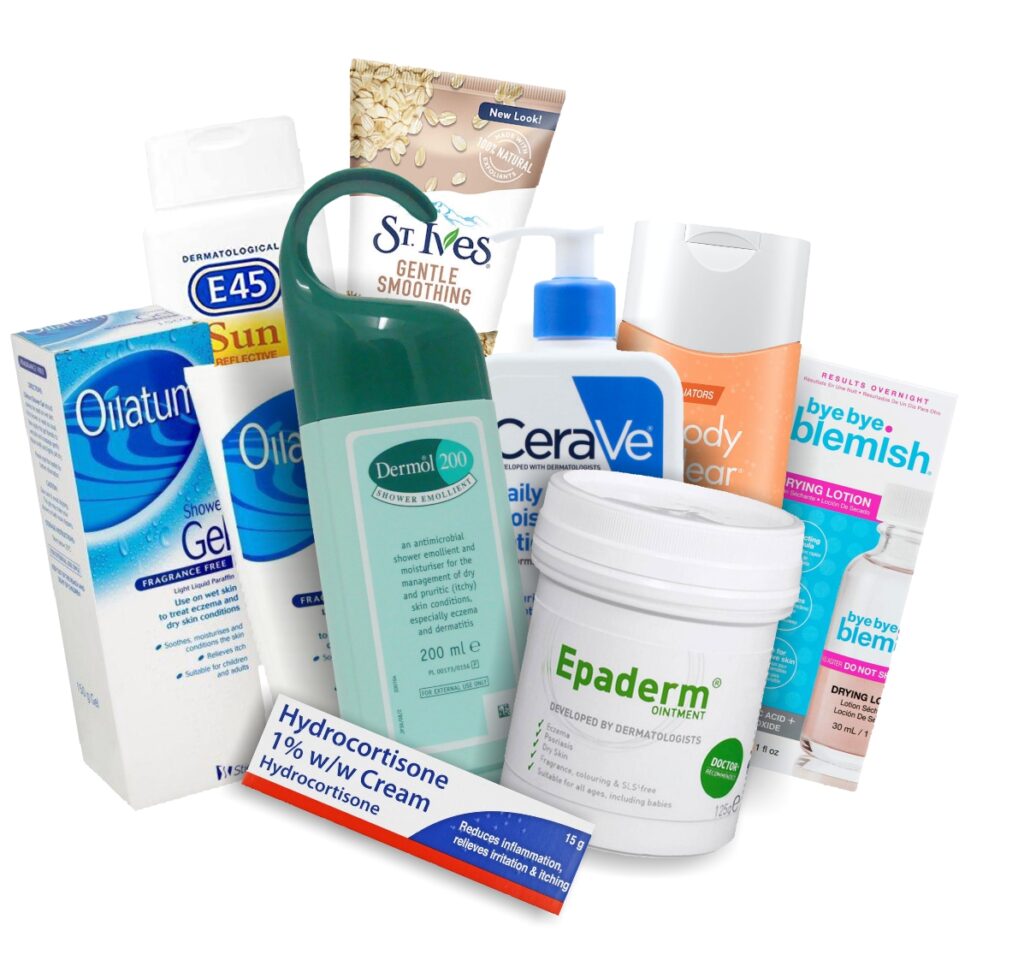
Summer can be particularly difficult when managing eczema. The best solution is to keep your body temperature low to reduce sweating. Stay in the shade, crank up the air conditioning and drink plenty of water. When you do sweat, remove damp clothes and shower off the sweat, bacteria and dust as soon as possible. A gentle shower gel like Oilatum or Dermol will get you nice and clean without further aggravation.
Mineral sunscreens like Cerave SPF 50, Blue Lizard and some of the Alba and Neutrogena products are also less likely cause problems than their chemical counterparts – make sure you opt for SPF 30 or above. A good ceramide-rich body moisturiser like Cerave Moisturizer and Diprobase will help to soothe dryness and rebuild your skin barrier, while topical corticosteroids like Hydrocortisone can help reduce swelling and irritation during a flare up. Talk to your GP if you’re struggling, as medical support and prescription treatments are also available.
There’s a wide variety of products that are dermatologist-approved for eczema, psoriasis, body acne, and other problem skin conditions.
Psoriasis
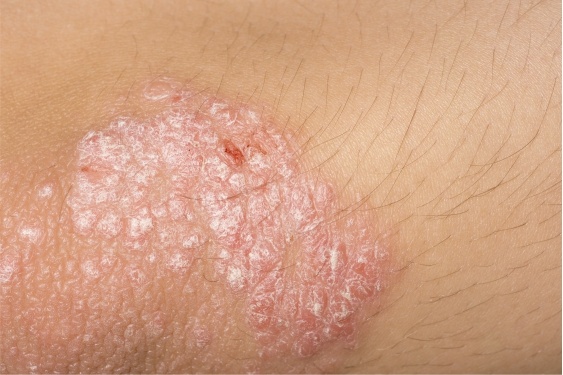
Psoriasis, the build-up of excess red, itchy skin cells, affects at least 8million Americans. A highly visible condition due to its red, scaly texture, psoriasis also proves tricky in the summer months, as hot weather, the sea, chlorinated water and sun exposure can all irritate affected areas.
As with eczema, keeping your body temperature down will always help. Make sure you wear high factor sunscreen and limit skin’s exposure to the sun where you can. Rich moisturisers and after-sun lotions like E45, Cerave and Epaderm will calm skin after time outside, while gentle exfoliators like St. Ives Oatmeal Scrub can help improve skin’s rough texture. Topical Vitamin D products by Nature’s Bounty or Nature’s Truth and steroids creams like Hydrocortisone are also effective at treating the feel and appearance of psoriasis.
Psoriasis is a skin disease that causes red, itchy scaly patches, most commonly on the knees, elbows, trunk and scalp
Body acne
Even those blessed with the most blemish free skin can fall victim to body acne during the summer. The body naturally produces more oil in the heat which, combined with sweat and sunscreen, can clog hair follicles and cause everything from blackheads to painful acne.
The good news is, there are plenty of ways to keep those body blemishes at bay. Sunscreen is essential, so choose light, non-comedogenic gels and sprays like Neutrogena and Banana Boat branded products which best suit acne-prone skin. When out and about, tie up long hair up to avoid trapping and spreading oils across your neck and shoulders (making sure to use sunscreen on exposed areas), and opt for looser clothing which helps prevent sweat getting trapped between fabric and skin.
Try to shower every day – ideally as soon as you get home – to remove the debris before it wriggles into your pores. An exfoliating body wash with ingredients like salicylic or glycolic acid, such as Cerave Eczema Wash and Neutrogena Acne Body Wash will slough away dead skin cells, while facial spot treatments like Neutrogena Spot Treatment or Bye Bye Blemish products can be used on the body too – don’t be tempted to pick or squeeze! We all experience skin issues at one point or another – no one’s perfect! Do what you can to soothe irritation, but don’t let your skin stop you enjoying the lovely weather. If you’re struggling with symptoms or unsure how to treat them, have a chat with your pharmacist or book an appointment with your GP. With a little help, and perhaps a cream or two, you’ll be shining bright this summer.
Stephanie Simons is the head pharmacist at Lindo’s Pharmacy in Devonshire. She earned her Bachelor of Science in Pharmacy at Massachusetts College of Pharmacy and has been practicing for over 20 years. She is a registered pharmacist with the Bermuda Pharmacy Council and is a member of the Bermuda Pharmaceutical Association.