Mar 12, 2018
Colorfully decorated eggs have been a part of Easter and celebrations of spring for thousands of years.
Many of us are familiar with egg decorating dyes and kits but you can easily dye eggs from simple ingredients already found in your kitchen pantry. Common items like coffee, onion skins, beetroot, and turmeric can all be used to turn ordinary white eggs into colourful masterpieces worthy of Easter baskets and seasonal decorating.
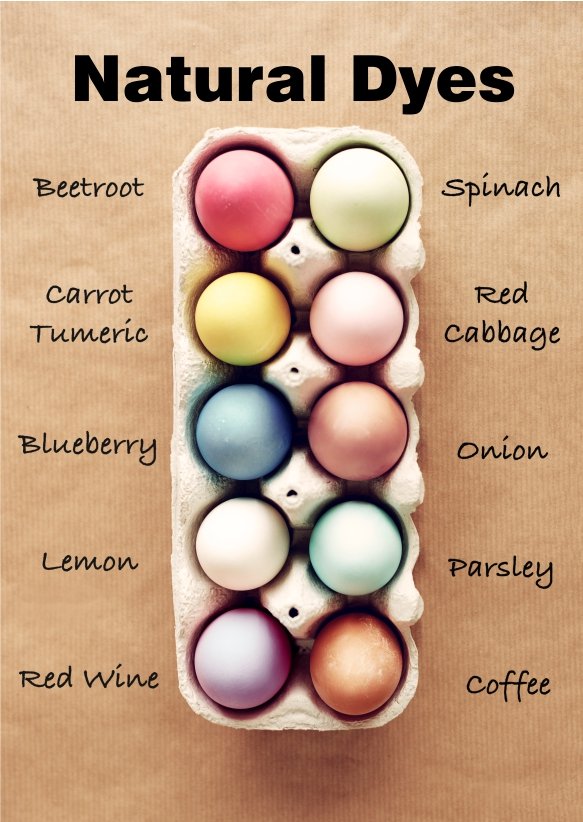 All you need to make natural dye are three simple ingredients:
- Your choice of one natural ingredient – i.e. beets, coffee, turmeric, parsley, etc.
- 1 quart water
- 2 tablespoons white vinegar
Directions for making dye:
- In a medium saucepan, bring your choice of dye ingredient, 1 quart water, and 2 tablesppoons white vinegar to a boil. Reduce heat and simmer, covered, for 30 minutes, or until desired color hue is reached.
- Using a strainer, pour dye into a clean glass bowl. Set aside.
Directions for cooking and dyeing eggs:
- Add eggs to a medium-size saucepan and cover with cold water. Bring water to a boil. Turn off heat; cover, and let sit for 10 minutes. Drain water from pot. Run cold water over eggs until they cool down somewhat. Fill pot with cold water and let eggs sit until completely cooled.
- Drain water. Using a little mild detergent in warm water, gently rub eggs with a cloth to remove any oils from eggshells. Rinse and pat eggs dry.
- Place cleaned eggs into the bowls filled with dye liquid. Place bowls in the refrigerator and soak until desired color is reached.
- Using a slotted spoon, remove eggs from dye, pat dry with paper towels and place on a drying rack to dry completely.
NOTE: You can boil raw eggs in the strained dye liquid for about 30 minutes to produce more vibrantly coloured eggs.
 You can also used the strained dye to colour peeled, hard-boiled eggs for deviled egg recipes. Simply hard-boil eggs, peel off eggshells and immerse eggs into dye for about 1 hour. Remove, pat dry, and prepare as desired.
Mar 12, 2018

By Stephanie Simons,
Head Pharmacist,
Lindo’s Pharmacy in Devonshire
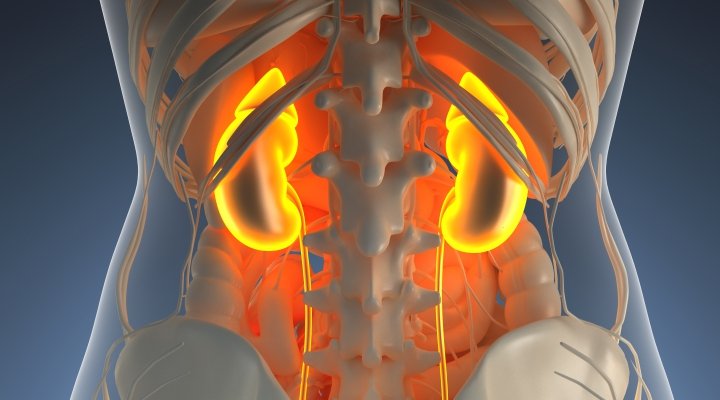
Kidney Month is observed during March – a month dedicated to the awareness, prevention and treatment of kidney disease.
The kidneys are two bean shaped organs, about the size of a fist, located just below the rib cage. Every day, they together filter about 200 quarts of blood to remove waste and extra fluid from the body. This waste is then removed from the body through urine.
The kidneys play an important role in the overall health of our bodies. In addition to removing waste and fluid, they help to control blood pressure by controlling fluid levels and making renin, a hormone that regulates blood pressure. They control acid levels, produce erythropoietin, a hormone that enables bone marrow to make red blood cells, and make active Vitamin D, which absorbs calcium and phosphorus for strong bones.
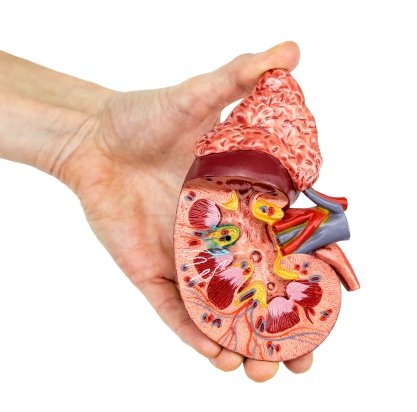
Cross section view of a human kidney. The kidney is filled with nephrons that filter blood and generate urine.
If kidneys are damaged, they are not able to do these important jobs. Waste can build up in the body and symptoms such as ankle and feet swelling, vomiting, weakness, itchiness, sleep problems and shortness of breath can develop. Bones become weak and brittle and it can be difficult to concentrate. If kidneys are severely damaged, kidney failure can become a threat and dialysis or organ transplant are the only options.
But many who have kidney disease, known as Chronic Kidney Disease or CKD, don’t even know it; it can start slowly and develop very gradually, so symptoms sometimes don’t appear until the later stages. It therefore helps to know the risk factors and understand habits for good kidney health.
At higher risk for CKD are those with diabetes, high blood pressure and a family history of kidney disease. People of Aboriginal, Asian, African/Caribbean and Hispanic descent, as well as anyone over the age of 50 years old, tend to be higher risk. Those who smoke or are obese are also at risk.
Testing for CKD is relatively easy. A blood test or urine test will give doctors the information they need to determine if you have CKD.
Fortunately for those without the typical risk factors, kidneys are adaptable and able to make up for loss of function. And nutrition can play a major role in kidney health. The key is proper balance of important nutrients.
Water is essential for the kidneys, because it helps them to remove waste from the body and opens up blood vessels to allow blood to travel freely. It is important to not get dehydrated.
Too much sodium in the body can damage the kidneys, so foods high in sodium, such as deli meats, canned and prepared foods, fast foods and some seasonings should be limited. Protein is important to fight infection, but too much protein produces too much urea, a waste that can build up if the kidneys can’t eliminate it properly.
Minerals such as potassium and phosphorus are important but must be kept in check and possibly limited. Potassium helps regulate heart rate and aids muscle health, but if kidneys are not functioning properly, high potassium levels can affect heart rate and possibly cause a heart attack. High potassium foods include potatoes, bananas, squash, legumes, dairy and peanut butter.
Phosphorus keeps bones strong and healthy, but poorly functioning kidneys can’t remove it from the body and too much phosphorus can cause bone weakness and calcium deposits. Phosphorus is found in dairy, protein foods, seeds and nuts and processed foods.
Someone with reduced kidney function might consider taking Vitamins B, C and D, iron and calcium supplements to aid with kidney function, however it is important to take supplements only under the advice of a doctor.
The kidneys are not something that people think about, but a better understanding of our kidneys and how they work can go a long way. This month, take time to consider your kidneys – you would miss them if they were gone.
Stephanie Simons is the head pharmacist at Lindo’s Pharmacy in Devonshire. She earned her Bachelor of Science in Pharmacy at Massachusetts College of Pharmacy and has been practicing for over 20 years. She is a registered pharmacist with the Bermuda Pharmacy Council and is a member of the Bermuda Pharmaceutical Association.
Stephanie Simons is the head pharmacist at Lindo’s Pharmacy in Devonshire. She earned her Bachelor of Science in Pharmacy at Massachusetts College of Pharmacy and has been practicing for over 20 years. She is a registered pharmacist with the Bermuda Pharmacy Council and is a member of the Bermuda Pharmaceutical Association.
Mar 12, 2018
Salmon in butter sauce
Pork Chops
Jerk Salmon
Leg of Lamb
Beef Meatloaf
Sweet & Sour Chicken
Chicken Tenders
BBQ Chicken Wings
Baked Chicken
Chicken Noodle Soup
Mac-n-Cheese
Starches & Veggies
Salad Bar
Mar 9, 2018
Garlic Shrimps
Breaded Scallops
Fried Grouper
Beef Pot Roast
Breaded Shrimps
Coconut Chicken
Regular Chicken Wings
Chicken Tenders
BBQ Chicken
Chicken Noodle Soup
Mac-n-Cheese
Starches & Veggies
Salad Bar