Mar 4, 2020
Lemon Honey Chicken
Lamb Chops
Jerk Salmon
Honey BBQ Wings
Spaghetti & Meat Sauce & Garlic Bread
Pork Sausages with Onions & Peppers
Chicken Lababdar
Lemon Pepper Salmon
Garlic Mustard Chicken in Chili Sauce
Beef Stir-Fry
Roasted Veggies in Garlic & Lime
Lemon Pepper Tenders
White Chicken Chili Bean Soup
Mac-n-Cheese
Starches & Veggies
Salad Bar
Black Cherry & Lime Jello
Mar 3, 2020
Wahoo in Dill Italian Sauce
Garlic Curry Chicken
Longaniza Sausages
Spicy Chicken Wings
Ox Tail
Chicken Tenders
Chicken Masala
Grilled Garlic Potatoes & Peppers
Vegan Veggie Cakes
Sweet & Sour Chicken
Leg of Lamb
Broccoli & Chicken in Lime Orange Sauce
Chicken Wild Rice Soup
Mac-n-Cheese
Starches & Veggies
Salad Bar
Raspberry Mango Jello
Mar 2, 2020

By Stephanie Simons,
Head Pharmacist,
Lindo’s Pharmacy in Devonshire
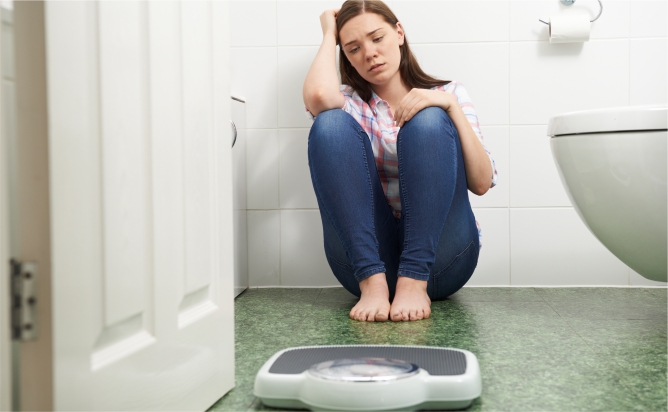
We all know how important food is for our health. Eating a balanced diet can boost our energy, support our movement and maintain our vital systems. However, our relationship with food is complex and, for many, this relationship can become harmful – and even life-threatening.
In
the U.S., more than 30 million people suffer from eating disorders and one
person dies every 62 minutes as a direct result. These disorders affect people
of all ages and genders and can have hugely detrimental consequences for the
body and mind.
Eating
disorders manifest in different ways. Anorexia (full name anorexia nervosa) is
generally defined as the need to keep your weight as low as possible through
extreme dieting and/or excessive exercise. Bulimia, in contrast, involves
eating significant amounts of food but then vomiting or taking laxatives to
prevent weight gain. Others suffer from Binge Eating Disorder (BED), in which they
lose control of their eating and consume far more than their body needs, whilst
others’ experiences do not fall into any of these categories at all.
These
conditions, while psychological at root, have serious consequences for the
body. When it doesn’t receive enough calories each day, the body begins to
break down muscle to provide fuel, including the most important muscle – the
heart. With less fuel to pump blood and fewer cells to pump with, blood
pressure plummets, thus increasing the risk of heart failure. Overeating is
equally damaging, as excess weight can lead to high blood pressure, which also damages
the heart and increases the risk of stroke
and heart failure.
The gastrointestinal system in particular, is affected, too, as starvation or bingeing interferes with the digestion of nutrients and often leads to constipation, bloating and, in more serious cases, the rupture of the stomach. Deprived of energy, the brain can also suffer critical damage.
So
how can you tell if you, or someone in our lives, is suffering from an eating
disorder? While we all try to shed (or gain) a few pounds from time to time, an
eating disorder is a serious mental illness, resulting in a severe obsession
with food. Tell-tale signs include constant anxiety about body size and shape, excessive
exercise, strict food habits and restrictions, and/or severe mood swings.
Physical symptoms such as dizziness, extreme weight loss or gain, digestive
issues and, the slowing or ceasing of periods (for women and girls) are also
key indicators.
As
with many other mental illnesses, it can be difficult to recognise an eating
disorder and know how to seek help. However, the sooner eating disorders are
treated – the better. The longer the condition has to manifest, the harder it
is to treat, and the more long term damage is inflicted on the body.
Treating
eating disorders is a complex process, tailored to each individual. One or
several mental health professionals provide therapy to address the
psychological illness, while patients also work with a nutritional expert to
help rebuild their diet, and other medical professionals who treat any physical
symptoms that have arisen. Friends and family also play a key role, helping to
provide emotional and practical support in helping patients return to both
mental and physical health.
When
recovering from an eating disorder, supplements can aid the body’s recovery.
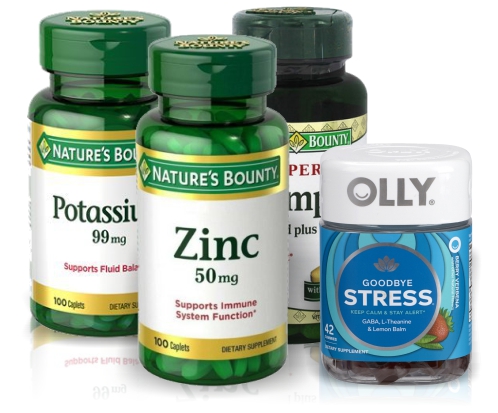
Potassium and zinc tablets like those made by Nature’s Bounty or Nature’s Truth can
help reignite appetite and taste, while Vitamin B12 supplements such as
Nature’s Bounty B-12 or B-Complex help address fatigue
and anxiety. Relaxing products such as Olly Stress formula or few drops of Nature’s
Truth or Aura Cacia Lavender Oil inhaled or in the bath can also help
ease stress during this difficult time.
If you’re worried that you, or someone you know, is suffering from an eating disorder, please do seek medical advice as soon as possible. Your pharmacist or GP can help support you in either seeking help yourself or broaching the subject with your loved one. The important thing to remember is that no one is at fault: eating disorders are an illness like any other and there is no shame in needing help in order to recover.
For more information or for immediate advice, please contact the National Eating Disorders Association.
Stephanie Simons is the head pharmacist at Lindo’s Pharmacy in Devonshire. She earned her Bachelor of Science in Pharmacy at Massachusetts College of Pharmacy and has been practicing for over 20 years. She is a registered pharmacist with the Bermuda Pharmacy Council and is a member of the Bermuda Pharmaceutical Association.
Mar 2, 2020
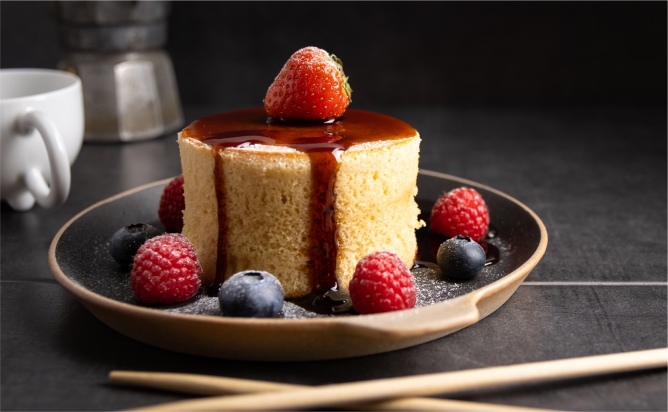
Thick, fluffy and souffle-like, Japanese pancakes are delicious. The addition of beaten egg whites folded into the batter make them light and airy. Serve with berries, butter, and syrup.
Ingredients
2 egg yolks
¼ cup sugar
½ cup milk
¾ cup pancake mix
4 egg whites
Preparation
- In a large bowl, mix together the egg yolks, sugar, milk, and pancake mix until the batter is smooth and without large lumps.
- In another large bowl, beat the egg whites with a hand mixer until stiff peaks form.
- Carefully fold the egg whites into the pancake batter, until just incorporated, making sure not to deflate the batter.
- Grease two 3.5-inch (9 cm) metal ring molds. Place molds in the middle of a large skillet over low heat.
- Fill the molds about three-quarters of the way full with the batter. Cover the pan and cook for about 10 minutes, or until the center of the pancakes are slightly jiggly.
- Using a spatula, gently release the molds filled with batter from the skillet, then flip them over very carefully, making sure not to spill any batter.
- Cover and cook for another 5 minutes. Remove from pan. Remove pancakes from molds and serve immediately.
Makes: 4 servings