Most nuts are powerhouses of nutrition and almonds are no exception. However, according to the Almond Board of California, “when compared ounce for ounce, almonds are the tree nut highest in protein (6g), fiber (3.5g), calcium (75mg), vitamin E (7.5mg), riboflavin (0.3mg), and niacin (1mg)”. Now that’s one powerful little nut!

Almond coated salmon
We’re not going to bore you with lengthy scientific facts and research but in addition to tasting great, and in recognition of February’s Heart Month, we wanted to share a few nutritional benefits that may persuade you to include this heart healthy snack in your diet.
- Almonds contain 13 grams of “good” unsaturated fat and have only 1 gram of saturated fat. Naturally cholesterol free, almonds are heart healthy and can help you maintain a healthy cholesterol level as part of a diet low in saturated fat.
- Consuming a handful of almonds a day helps to increase the level of high density lipoproteins (HDL) and reduce the level of low density lipoproteins (LDL or ‘bad cholesterol)), thereby effectively controlling cholesterol levels.
- Almonds are a leading food source of the powerful antioxidant alpha-tocopherol vitamin E – the vitamin E most easily absorbed by the body. According to research at Tufts University, this potent vitamin E, working in synergy with the flavonoids in almond skins, reduces the risk of heart disease.
- Almonds help reduce C-reactive protein which causes artery-damaging inflammation.
- Almonds are a good source of folic acid which helps to reduce the level of homocystein – a chemical that causes fatty plaque buildup in arteries.
- Almonds are a good source of potassium which is helpful in regulating blood pressure and low in sodium which helps contain and lower blood pressure.
- Almonds contain magnesium – an essential mineral required by the body for maintaining normal muscle and nerve function, keeping a healthy immune system, maintaining heart rhythm, and building strong bones. Almonds provide a whopping 286mg (72% DV) per 100 gram serving, or 395mg (99% DV) per cup.
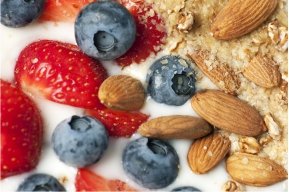 So get your heart pumping – carry whole natural almonds in your car, purse or gym bag for anytime snacking, or use in recipes – almonds add a nutty flavour and crunch to any dish. Here’s a few ideas from the Almond Board of California on how to add their nutritional benefits to almost any meal:
- Mix toasted slivered almonds with whole grains such as quinoa, rice or couscous.
- Crushed almonds make a crunchy, delicious coating on baked fish, chicken and other meats.
- Enjoy in a breakfast yogurt parfait with fresh fruit.
- Use almond milk when whipping up your favorite shake or smoothie.
- Toss chopped almonds into your favorite brownie or cookie batter.
Recipe suggestions:
Baked Cherry Almond Oatmeal
Garlic and Hot Pepper Toasted Almonds
Quinoa Pilaf with Almonds and Apricots
Stuffed Chicken Breasts with Apples, Almonds and Blue Cheese